Chalifah Fatihah
Jakarta, CNN Indonesia – As a nation blessed with vast archipelagic waters, Indonesia offers a rich tapestry of seafood, with fish being a cornerstone of its culinary heritage and a vital source of protein. However, concerns about cholesterol content often cast a shadow over the enjoyment of these aquatic delights. While it is a widely held notion that most fish, particularly those from marine environments, contain cholesterol, a closer examination reveals that many species abundant in Indonesian waters are not only safe for consumption by those monitoring their cholesterol levels but are also excellent sources of beneficial nutrients.
Cholesterol, a waxy, fat-like substance produced by the liver, plays a crucial role in the body’s essential functions, including vitamin D processing and hormone production. It exists in two primary forms: high-density lipoprotein (HDL), often referred to as "good" cholesterol, and low-density lipoprotein (LDL), or "bad" cholesterol. An excess of LDL cholesterol in the bloodstream can lead to its accumulation in blood vessels, impeding blood flow and increasing the risk of clot formation, ultimately contributing to cardiovascular diseases. Health authorities generally recommend limiting daily cholesterol intake to no more than 200 mg/dL to maintain cardiovascular health.
Despite the presence of cholesterol in fish, many varieties are also rich in omega-3 fatty acids. These polyunsaturated fats are renowned for their ability to support heart health and can, in fact, help manage cholesterol levels by improving the balance between HDL and LDL. This makes fish a paradoxically beneficial food for many individuals, offering a palatable way to consume protein while potentially contributing to a healthier lipid profile. Fortunately for Indonesian consumers, the nation’s diverse marine and freshwater ecosystems yield a variety of fish species that are both low in cholesterol and abundant in these beneficial omega-3s.
The following six fish species, commonly found and consumed across Indonesia, stand out for their favorable cholesterol profiles, making them excellent choices for a balanced and health-conscious diet.
1. Ikan Nila (Tilapia)
Ikan nila, or tilapia, is a ubiquitous freshwater fish in Indonesia, celebrated for its mild flavor and versatility in cooking. Whether fried to a crispy perfection or grilled, tilapia is a favorite across many households and local eateries. Its affordability further contributes to its widespread popularity. From a nutritional standpoint, tilapia is a standout choice for cholesterol-conscious individuals. A 100-gram serving of tilapia typically contains less than 50 milligrams of cholesterol, positioning it as a significantly lower-cholesterol option compared to many other fish species. This makes it an accessible and safe protein source for regular consumption.
2. Ikan Gurame (Gourami)
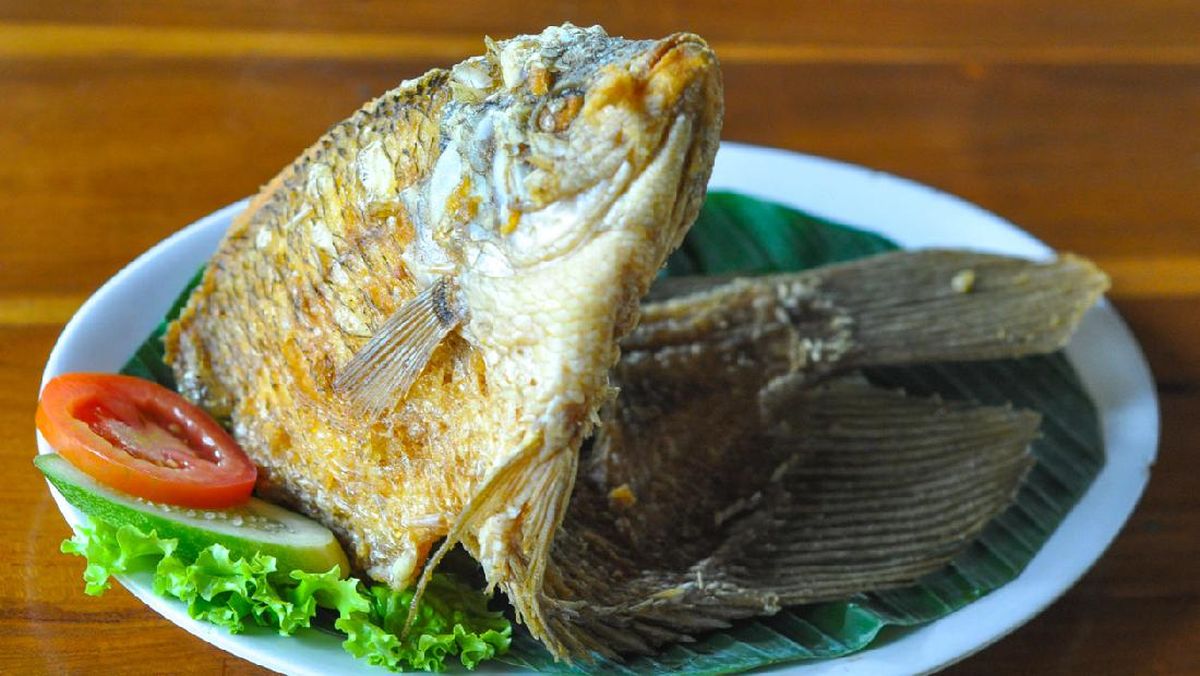
Ikan gurame, or gourami, is another highly popular freshwater fish in Indonesia, frequently featured on restaurant menus in various preparations, most commonly fried or grilled. Its flaky white flesh and slightly sweet taste are widely appreciated. According to data from Food Struct, a typical 100-gram portion of gourami contains approximately 66 milligrams of cholesterol. While this is slightly higher than tilapia, it remains within a moderate range. However, for those seeking the healthiest options, it’s advisable to steer clear of heavily battered and deep-fried preparations like "gurame terbang" (flying gourami). Opting for steamed or soup-based dishes, such as pesmol gourami or gourami soup, offers a healthier way to enjoy this delectable fish, minimizing added fats and preserving its nutritional integrity.
3. Ikan Kakap Putih (Barramundi/Asian Sea Bass)
Ikan kakap putih, commonly known as barramundi or Asian sea bass, is a prized saltwater fish found in Indonesian waters. It is lauded not only for its rich, buttery flavor but also for its excellent nutritional profile. A 100-gram serving of barramundi contains less than 45 milligrams of cholesterol, making it a remarkably low-cholesterol option. Furthermore, it is an outstanding source of lean protein, essential for muscle repair, satiety, and overall bodily function. Its low cholesterol and high protein content make it a superior choice for a heart-healthy diet.
4. Ikan Manyung (Catfish)
Ikan manyung, a type of catfish, is particularly well-known in Indonesia as the primary ingredient for "jambal roti," a type of salted fish. Despite its association with preserved seafood, the fresh fish itself boasts a favorable cholesterol level. A 100-gram serving of ikan manyung contains approximately 37 milligrams of cholesterol, placing it among the lowest cholesterol fish options available. However, it is crucial to exercise caution. The roe (eggs) of the manyung are exceptionally high in cholesterol and should be consumed sparingly, if at all, by those concerned about their intake. Additionally, when consumed in its salted form (jambal roti), the high sodium content necessitates moderation due to its potential impact on blood pressure.
5. Ikan Kembung (Mackerel)
Ikan kembung, or Indian mackerel, is a readily available and affordable small oily fish found in abundance in Indonesian markets. Its accessibility and versatility in cooking methods, from steaming and grilling to being incorporated into various dishes, make it a dietary staple. A 100-gram serving of ikan kembung contains around 33 milligrams of cholesterol, positioning it as an exceptionally low-cholesterol choice. Crucially, ikan kembung is a powerhouse of omega-3 fatty acids, often rivaling more expensive options like salmon. These omega-3s are vital for cardiovascular health, helping to reduce inflammation and improve blood lipid profiles. For the healthiest preparation, steaming or pepes (steaming in banana leaves) is recommended over deep-frying, which can negate the health benefits by adding unhealthy fats.
6. Ikan Selar (Scad)
Ikan selar, or scad, is another small, silvery fish commonly found in Indonesian coastal waters. Research published in Science Direct indicates that a 100-gram serving of ikan selar contains approximately 47 milligrams of cholesterol. This places it firmly in the category of low-cholesterol seafood. Beyond its modest cholesterol content, ikan selar is particularly noteworthy for its high omega-3 fatty acid content, with some sources reporting as much as 879 milligrams per 100 grams. This substantial amount of omega-3s makes it an excellent choice for supporting heart health and brain function. Similar to other oily fish, opting for healthier cooking methods such as steaming or grilling will maximize its nutritional benefits.
Culinary Wisdom for Heart Health
The selection of these six fish species underscores that a heart-healthy diet does not necessitate the exclusion of seafood. While all fish contain some cholesterol, these Indonesian varieties offer a favorable balance, providing essential protein and beneficial omega-3 fatty acids with relatively low cholesterol levels.
However, the method of preparation plays a significant role in the overall health impact of these fish. Deep-frying, a popular cooking technique in Indonesia, can dramatically increase the fat content of any dish, including fish. The addition of unhealthy fats from cooking oils can counteract the benefits of the fish itself and contribute to elevated cholesterol levels. Therefore, health professionals universally recommend adopting gentler cooking methods such as steaming, baking, grilling, or poaching. These techniques preserve the nutritional integrity of the fish while minimizing the addition of unhealthy fats.
Incorporating these low-cholesterol, omega-3-rich fish into a regular diet can be a delicious and effective strategy for maintaining cardiovascular health. By making informed choices about both the type of fish consumed and how it is prepared, Indonesians can continue to enjoy their rich culinary heritage while actively promoting their well-being. The abundance of these nutritious options in local waters offers a sustainable and accessible path towards a healthier lifestyle.