Tyo Susilo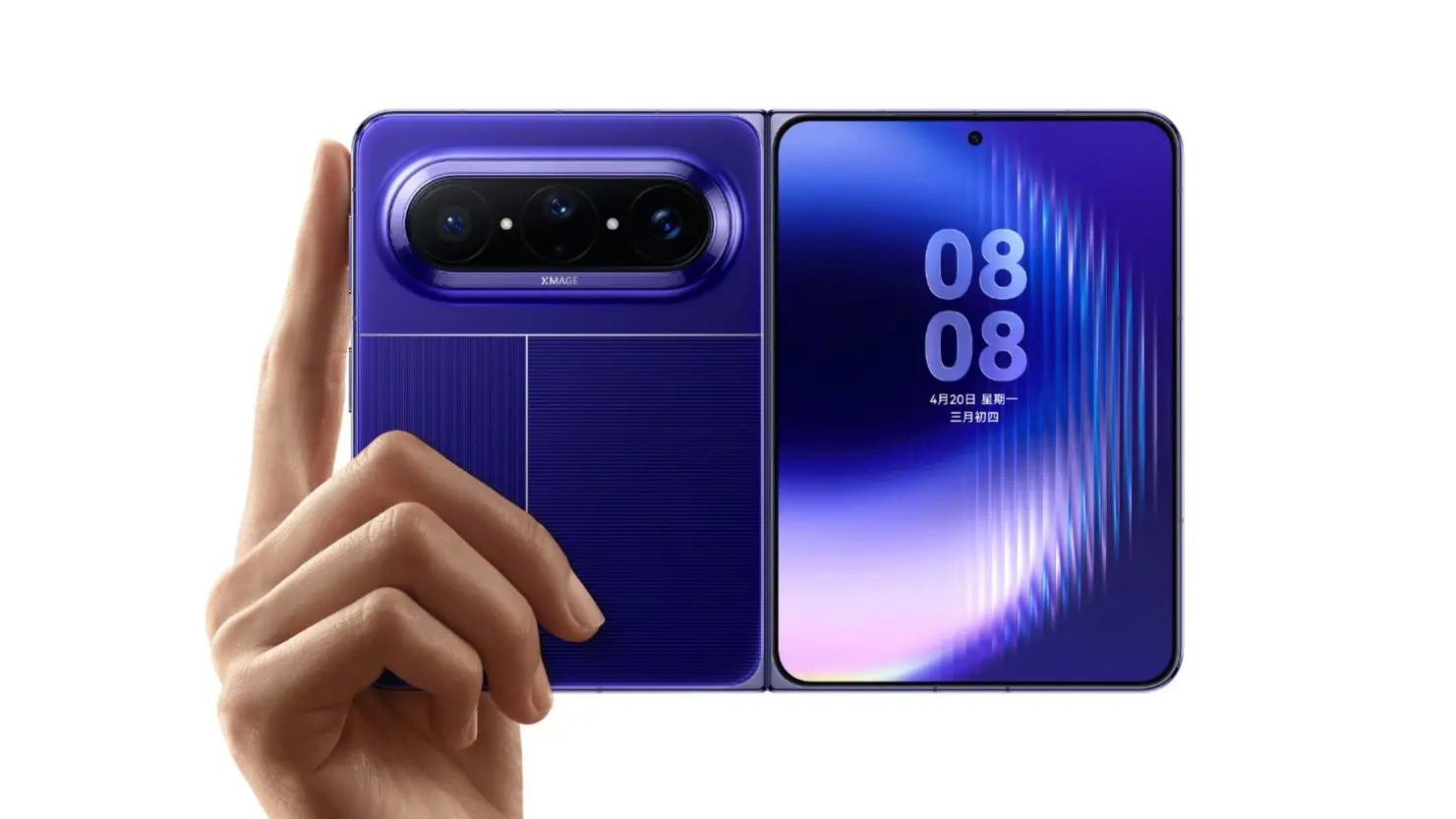
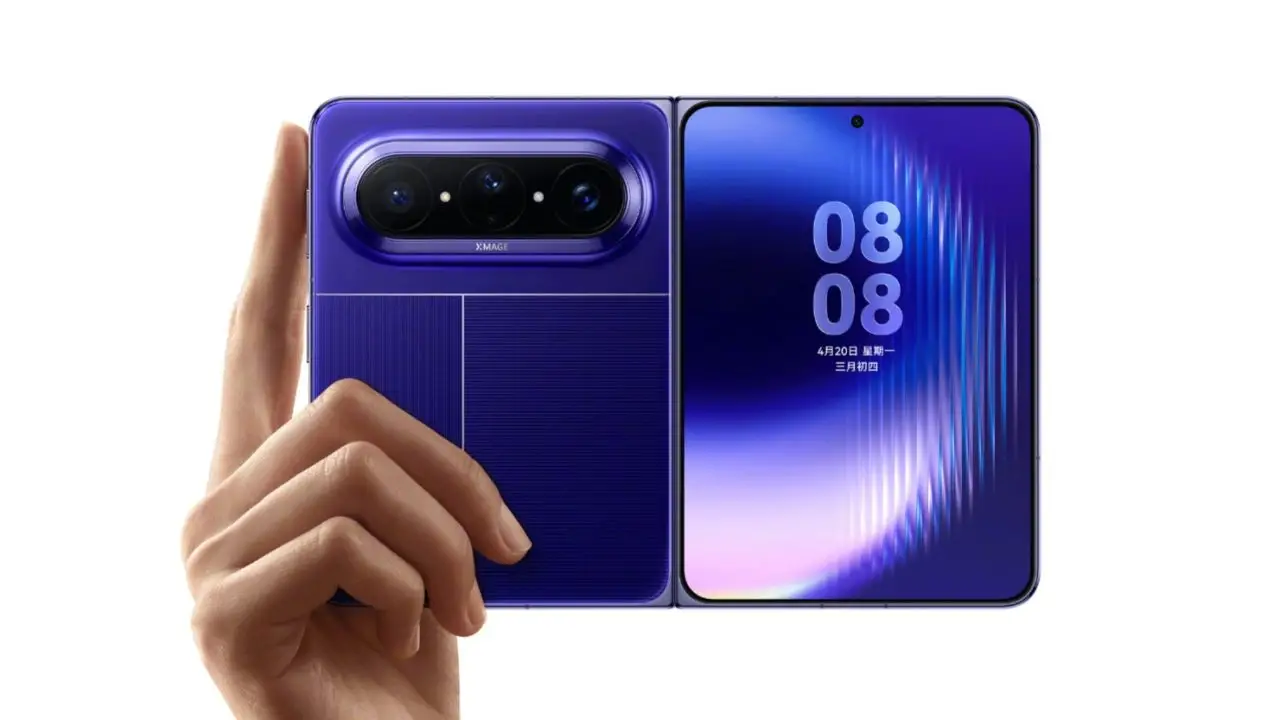
The foldable smartphone market, a segment that has steadily captured consumer interest and technological advancement, is on the cusp of a significant evolution. While early iterations focused on compact designs and novel folding mechanisms, emerging trends and recent leaks suggest a decisive shift towards a wider, more expansive foldable form factor. Huawei’s recent unveiling of the Pura X Max, featuring a "wide foldable" design, appears to be a catalyst, signaling a broader industry pivot that could redefine the user experience for these premium devices. Competitors such as Samsung and Apple, long rumored to be exploring foldable concepts, are also reportedly leaning into this wider design philosophy, indicating a cohesive industry direction. This burgeoning trend suggests that the coming years will witness a heightened battle among manufacturers to perfect and popularize this new generation of foldable technology, with vivo and Honor emerging as key players in this unfolding narrative.
The Rise of the Wide Foldable: A Design Paradigm Shift
The appeal of foldable phones lies in their ability to offer a larger screen experience within a pocketable form factor. However, early foldable designs, often mimicking a traditional smartphone that folds in half vertically, have faced challenges. The most persistent of these is the visible crease on the display, which can detract from the immersive experience and raise durability concerns. Furthermore, the aspect ratio of the unfolded screen, while larger, sometimes remains narrow, limiting its utility for true multitasking or content consumption akin to a small tablet.
The "wide foldable" concept directly addresses these limitations. By adopting a book-style fold, similar to traditional notebooks or early tablet designs, these devices unfold into a significantly wider aspect ratio. This wider display offers a more natural viewing experience for content creation, media consumption, and productivity applications, transforming the foldable into a mini-tablet when fully opened. This design also holds the potential to minimize the prominence of the display crease, as the folding mechanism can be engineered to distribute stress more evenly across a larger surface area.
Vivo’s Ambitious Leap: Enhancing the Crease and Embracing Wider Displays
Vivo, a prominent player in the smartphone industry, is reportedly at the forefront of this wide foldable movement. Recent intelligence from the tech community, specifically from tipster Smart Pikachu, indicates that the upcoming Vivo X Fold 6 is undergoing significant development with a strong emphasis on improving the display crease. This focus is a crucial step, as the crease has been a persistent concern for consumers and a technical hurdle for manufacturers since the inception of foldable technology. A smoother, less noticeable crease would undoubtedly enhance the premium feel and usability of these devices.
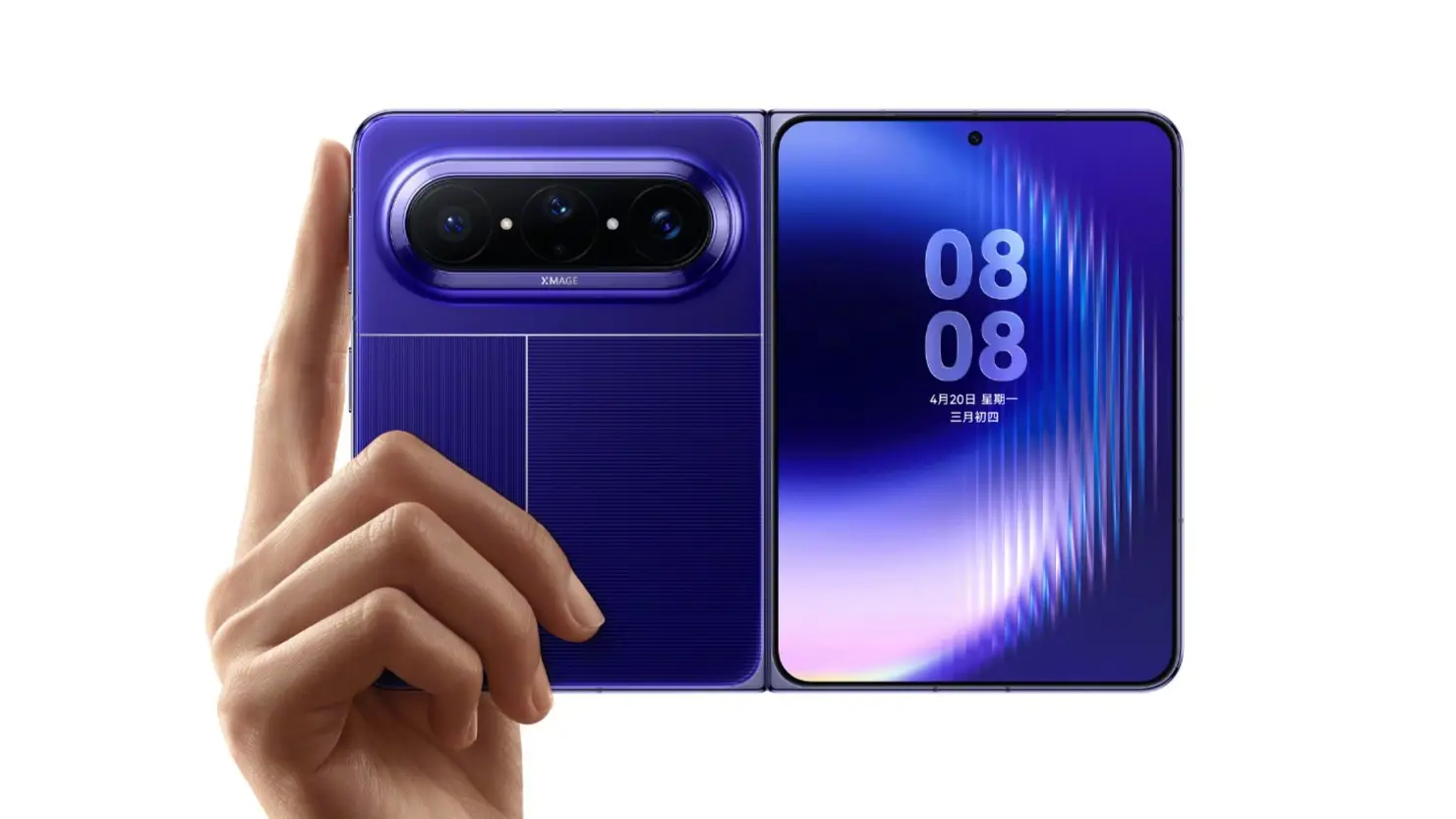
Beyond crease mitigation, Vivo is rumored to be shifting its foldable strategy towards a wider, book-style design for its next generation of devices. This move aligns with the broader industry trend and acknowledges the potential of a wider unfolded screen for enhanced user experience. The broader aspect ratio is envisioned to provide a more comfortable and efficient platform for multitasking, allowing users to seamlessly run multiple applications side-by-side, akin to a compact tablet. While the exact timeline for this design adoption remains uncertain, with speculation suggesting it might appear in the next iteration or even the one following, the direction is clear: Vivo is actively pursuing the wide foldable paradigm. This strategic pivot underscores Vivo’s commitment to innovation and its intent to remain competitive in the rapidly evolving foldable market.
Honor’s Distinctive Approach to Wide Foldability
Honor, another significant contender in the global smartphone arena, is also reportedly investing heavily in the development of wide foldable devices, charting its own unique course. Tipster Guan Tongxue GiM has shed light on Honor’s efforts, revealing that the company has been working on a wide foldable concept that deviates in notable ways from existing designs. Leaked imagery suggests a device that not only boasts a wider unfolded display but also incorporates a distinctive design featuring three rear cameras and an additional secondary screen on the back of the device.
This secondary screen on the exterior could offer a range of functionalities, from quick notifications and time display to even acting as a viewfinder for taking selfies with the more powerful rear cameras. When unfolded, Honor’s foldable is expected to deliver an expansive horizontal screen experience, further solidifying its tablet-like capabilities. However, this advanced device is not anticipated to hit the market imminently. Rumors point towards a debut in the first quarter of 2027, suggesting a longer development cycle aimed at perfecting its unique features and design. This staggered release timeline, compared to the more immediate expectations for Vivo, indicates different strategic priorities and development roadmaps within the industry.
Market Dynamics and the Future of Foldable Form Factors
The increasing focus on wide foldable designs by major manufacturers like Huawei, Samsung, Apple, vivo, and Honor suggests a potential inflection point for the foldable market. For several years, the foldable segment has been characterized by a gradual evolution, with companies experimenting with different folding mechanisms and materials. However, the emergence of the wide foldable as a prominent trend indicates a maturing understanding of user needs and technological capabilities.
Historical Context and Market Growth:

The foldable smartphone market, though still a niche segment compared to the broader smartphone industry, has seen consistent growth since the introduction of the first commercial foldable devices. The Samsung Galaxy Fold, launched in 2019, marked the beginning of this era, followed by the Motorola Razr and Huawei Mate X. Initial challenges related to durability, price, and the aforementioned crease issue hindered widespread adoption. However, subsequent generations have seen significant improvements.
- 2020-2021: Introduction of more refined designs like the Samsung Galaxy Z Fold 2 and Z Flip, focusing on improved hinge mechanisms and display technology.
- 2022-2023: Increased competition with devices from brands like Google (Pixel Fold), Xiaomi, and Oppo. Market research reports from firms like IDC and Counterpoint Research indicated a steady upward trajectory in foldable shipments, with projections for continued double-digit growth. For instance, IDC reported that the foldable smartphone market shipped 7.1 million units in 2022, a 26.1% increase from 2021.
- 2024 and Beyond: The focus on the wide foldable form factor signals a new phase of innovation, aiming to address the limitations of earlier designs and unlock greater utility for consumers. Market analysts widely anticipate that this new design trend, coupled with falling prices and improved durability, will further accelerate adoption. Projections from various research firms suggest that foldable shipments could reach tens of millions annually within the next few years.
Implications for Consumers and the Industry:
The shift towards wide foldables carries several significant implications:
- Enhanced Productivity and Multitasking: A wider unfolded screen provides a more capable platform for productivity. Users can effectively use split-screen functionalities for work, research, or creative tasks without feeling constrained by a narrow display. This could reduce the need for consumers to carry both a smartphone and a tablet.
- Improved Media Consumption: Watching videos, browsing the web, and playing games on a wider screen offers a more immersive and enjoyable experience, bringing the foldable closer to a portable entertainment device.
- Potential for New Use Cases: The expanded screen real estate could foster the development of new applications and user interfaces specifically designed for foldable devices, further differentiating them from traditional smartphones.
- Increased Competition and Innovation: As more major players enter and refine the wide foldable space, consumers can expect more diverse options, competitive pricing, and continuous technological advancements in areas such as display quality, hinge durability, and software optimization.
- Impact on Tablet Market: The enhanced capabilities of wide foldable phones might cannibalize a portion of the small tablet market, as consumers opt for a single device that can perform both smartphone and mini-tablet functions.
Industry Reactions and Analyst Perspectives (Inferred):
While specific official statements from Samsung and Apple regarding their foldable strategies are often kept under wraps until product announcements, industry analysts have widely commented on the evolving landscape. Analysts from firms like Counterpoint Research and Canalys have consistently highlighted the growing consumer appetite for larger, more versatile smartphone displays. The move towards wide foldables is seen as a natural progression, driven by the desire to deliver a more substantial computing experience in a mobile form factor.
"The foldable market is maturing, and manufacturers are now focusing on refining the user experience," stated a senior analyst from a leading tech research firm, speaking on condition of anonymity due to ongoing client briefings. "The wide foldable design addresses key pain points, particularly the utility of the unfolded screen for productivity. We expect this form factor to become increasingly dominant in the premium foldable segment."
The anticipation surrounding these upcoming wide foldable devices from vivo and Honor, alongside ongoing rumors about Samsung and Apple’s intentions, paints a clear picture of the future direction of smartphone innovation. As the technology matures and the market expands, the wide foldable form factor is poised to transition from a niche offering to a mainstream choice for consumers seeking the ultimate convergence of portability and expansive digital interaction. The next few years will undoubtedly be a crucial period for defining the success and widespread adoption of this exciting new chapter in mobile technology.