Nila Kartika Wati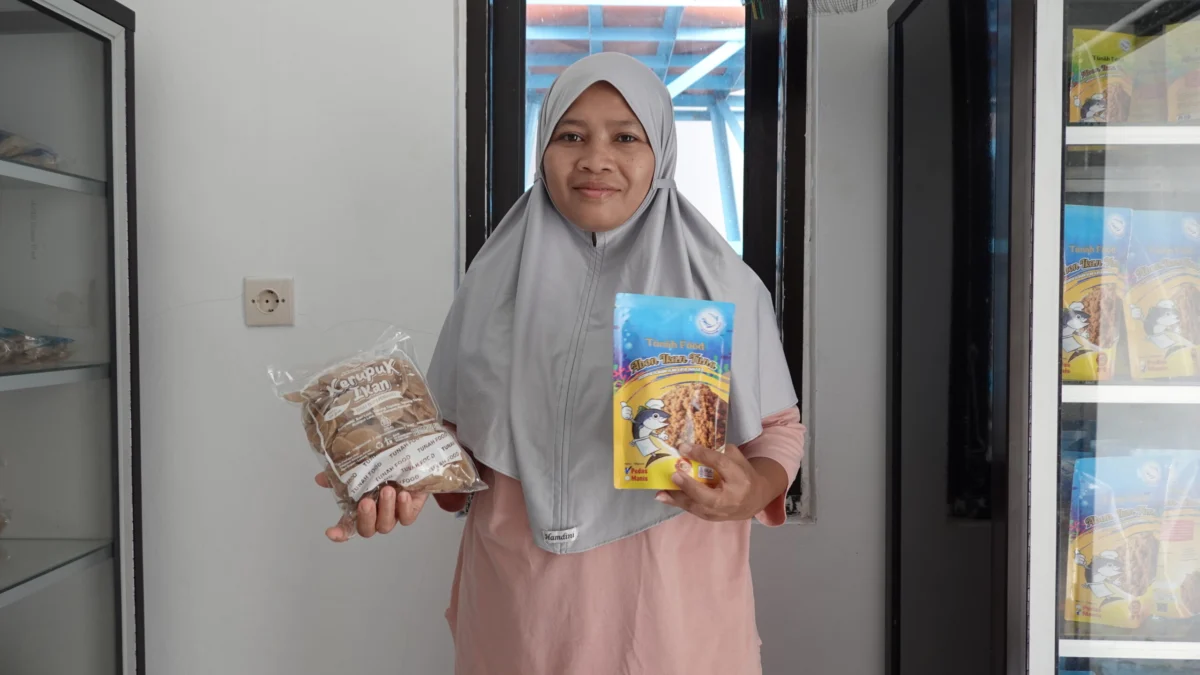
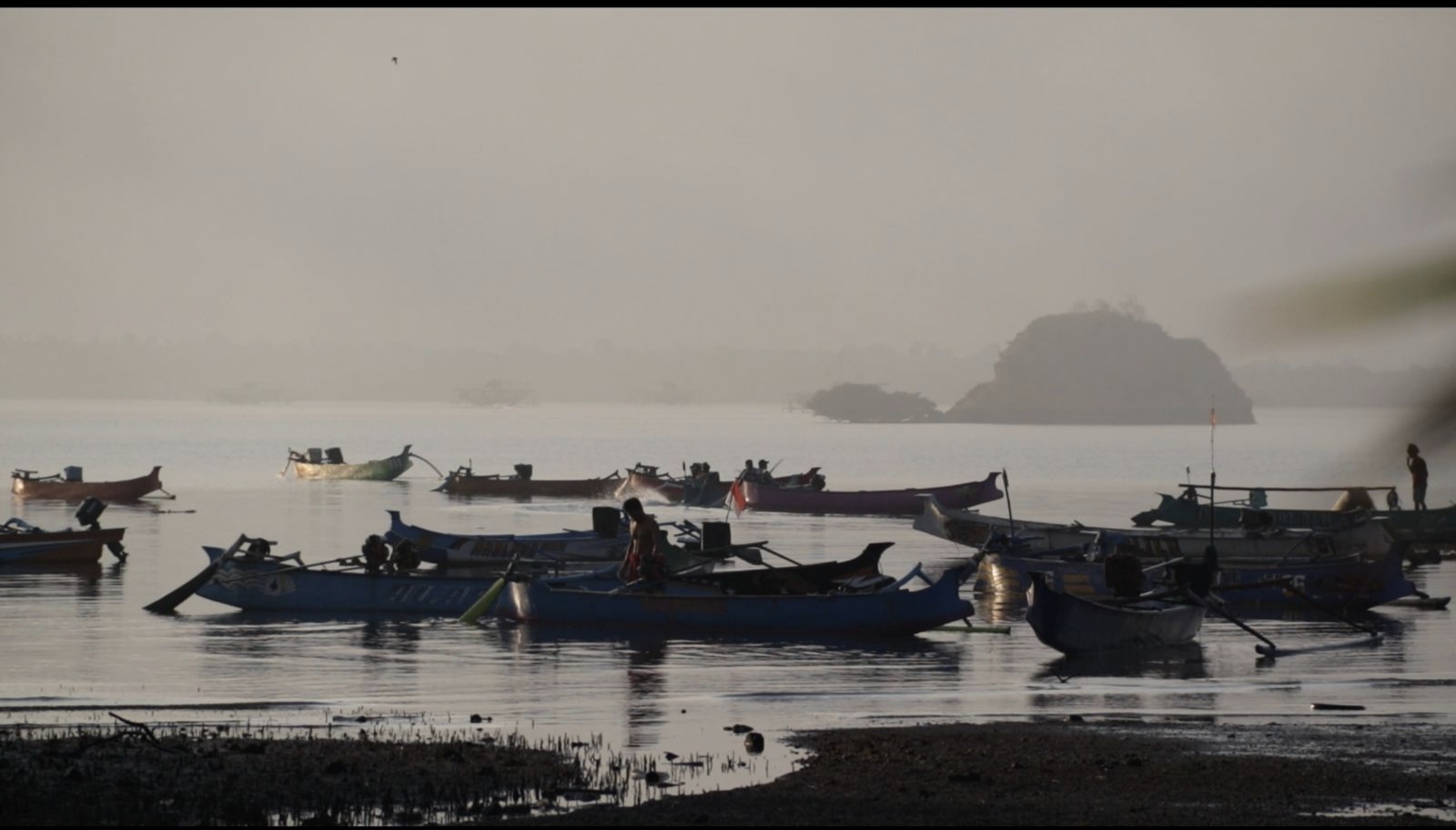
The soft sea breeze carries the familiar scent of salt across the coastal stretch of Kuranji Hamlet in Paremas Village, East Lombok, as dawn breaks over the horizon. On a Tuesday morning, a group of women gathers at a modest wooden pier, their eyes fixed on the distance where small traditional fishing boats—known locally as sampan—begin to emerge from the morning mist. For generations, this ritual of waiting has defined the lives of the women in this region, but in recent years, the sense of anticipation has been increasingly clouded by an encroaching uncertainty. Among them is Harniati, a 52-year-old woman who has spent her entire life tethered to the rhythms of the sea. Holding a woven basket, she scans the waves for her husband’s boat, a vessel powered by a modest 10-horsepower engine. While she once possessed an intuitive understanding of the sea’s temperament—knowing exactly when the winds would shift or when the clouds signaled a bountiful catch—Harniati admits that the ancient wisdom passed down through her lineage is no longer enough to predict the future.
The environmental shifts observed by Harniati are not merely anecdotal; they are the localized manifestations of a global climate crisis that is fundamentally altering the maritime landscape of Indonesia. In East Lombok, the traditional fishing seasons that once dictated the economic lifeblood of coastal communities have become erratic. High-intensity storms now arrive with little warning, and the seasonal migration patterns of fish have been disrupted by rising sea temperatures. "It is hard to guess now," Harniati explains, her voice reflecting a mix of fatigue and resolve. "Sometimes the weather looks perfect when they leave, but by midnight, a massive wind hits. Other times, the sea is as calm as a mirror, but there are simply no fish to be found." This unpredictability has transformed the act of fishing from a reliable livelihood into a high-stakes gamble, forcing the women of the coast to step into the role of economic innovators to ensure their families’ survival.
The Socio-Economic Toll of a Changing Climate
For the fishing families of Paremas and Sugian, the ocean is more than a landscape; it is a workspace, a source of identity, and a generational inheritance. However, data from the past decade suggests that the sea is changing faster than the fishermen’s ability to adapt. Most traditional fishermen in East Lombok operate small vessels with 10 to 15-horsepower engines, limiting their range and making them highly vulnerable to sudden weather changes. When the catch is poor or the weather is too treacherous to launch, the household economy immediately falters. This "season of scarcity," once a predictable part of the annual cycle, has now become a chronic condition.
The economic implications are severe. A single night without a catch means no money for the morning’s groceries, school fees are delayed, and debt begins to accumulate. In many coastal villages, when formal financial institutions are out of reach, families turn to informal moneylenders, or rentenir. These lenders provide quick cash but at exorbitant interest rates that often trap families in a cycle of poverty. Harniati notes that in the most desperate times, women are the ones who must negotiate these loans to keep the kitchen fires burning. The pressure has driven many men to abandon fishing altogether, seeking work as migrant laborers in Malaysia or other neighboring countries. Harniati’s own husband spent three years abroad, leaving her to manage the household and their children alone. Yet, even the remittances from abroad were often inconsistent, reinforcing the need for a stable, local source of income that does not depend solely on the whims of the tide.
From Waste to Wealth: The Crab Shell Innovation
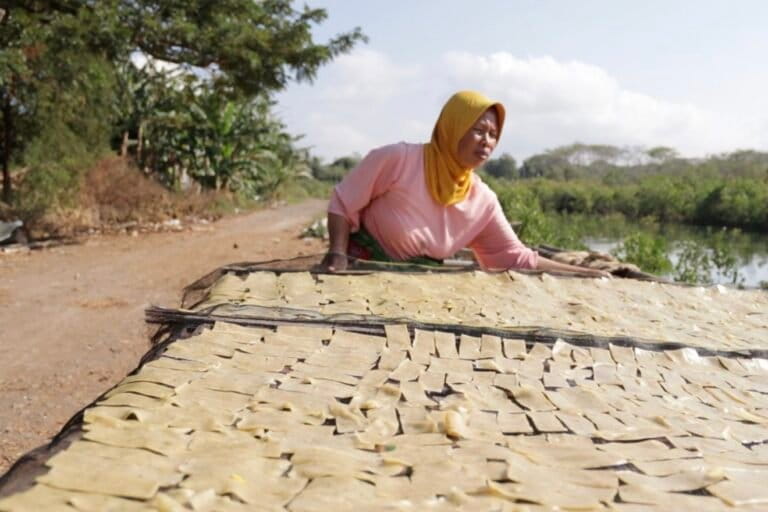
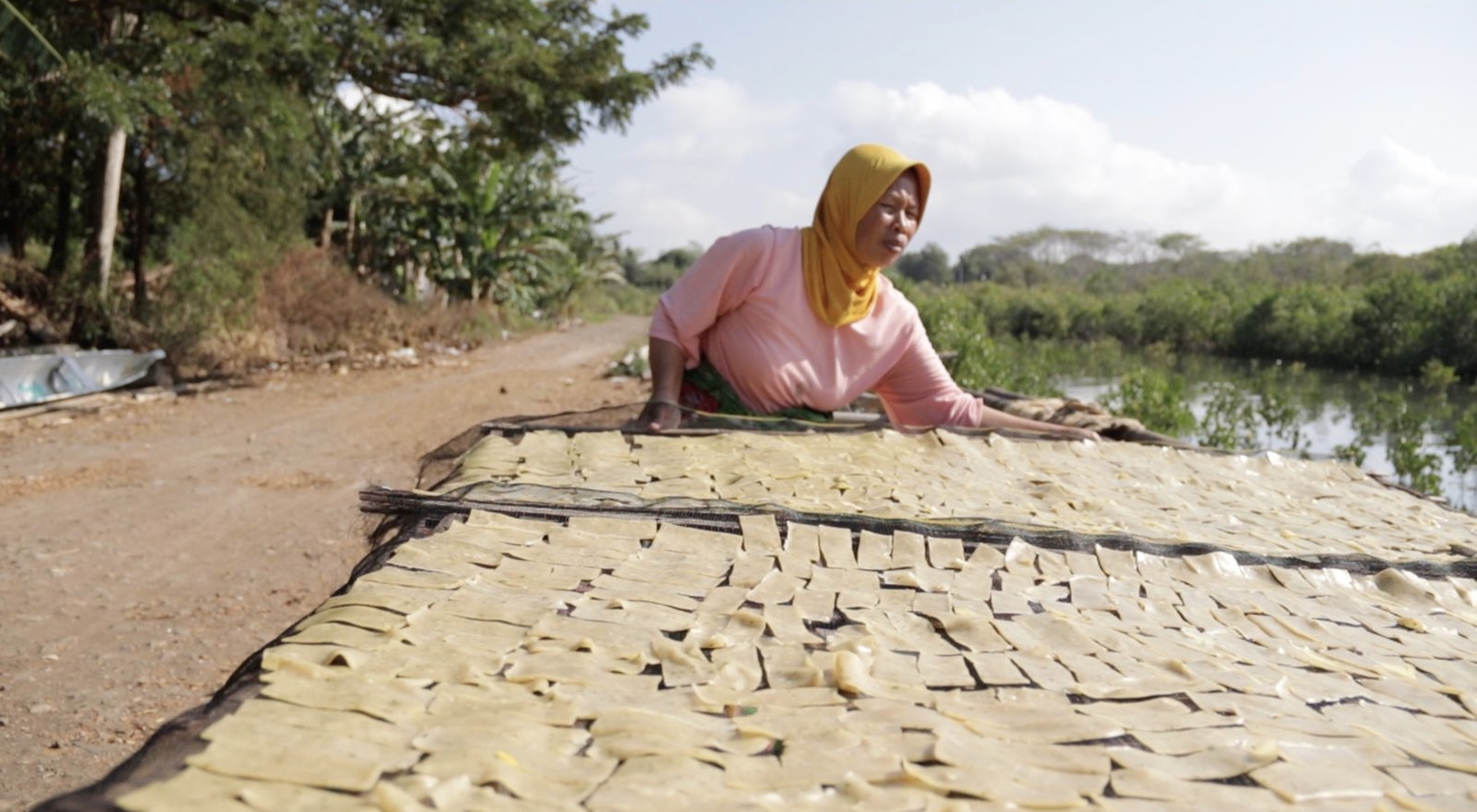
In the face of these mounting challenges, Harniati and her peers in Paremas Village have turned to an unlikely source of revenue: seafood waste. Historically, when fishermen brought home crabs, only the meat was considered valuable. The shells were discarded as waste, littering the shoreline and contributing to local pollution. Recognizing the untapped potential of this "waste," Harniati began experimenting with processing crab shells into crackers. By cleaning, grinding, and mixing the shells with flour and a blend of spices—including flavors like spicy-sweet, balado, and roasted corn—she transformed a discarded byproduct into a high-value snack.
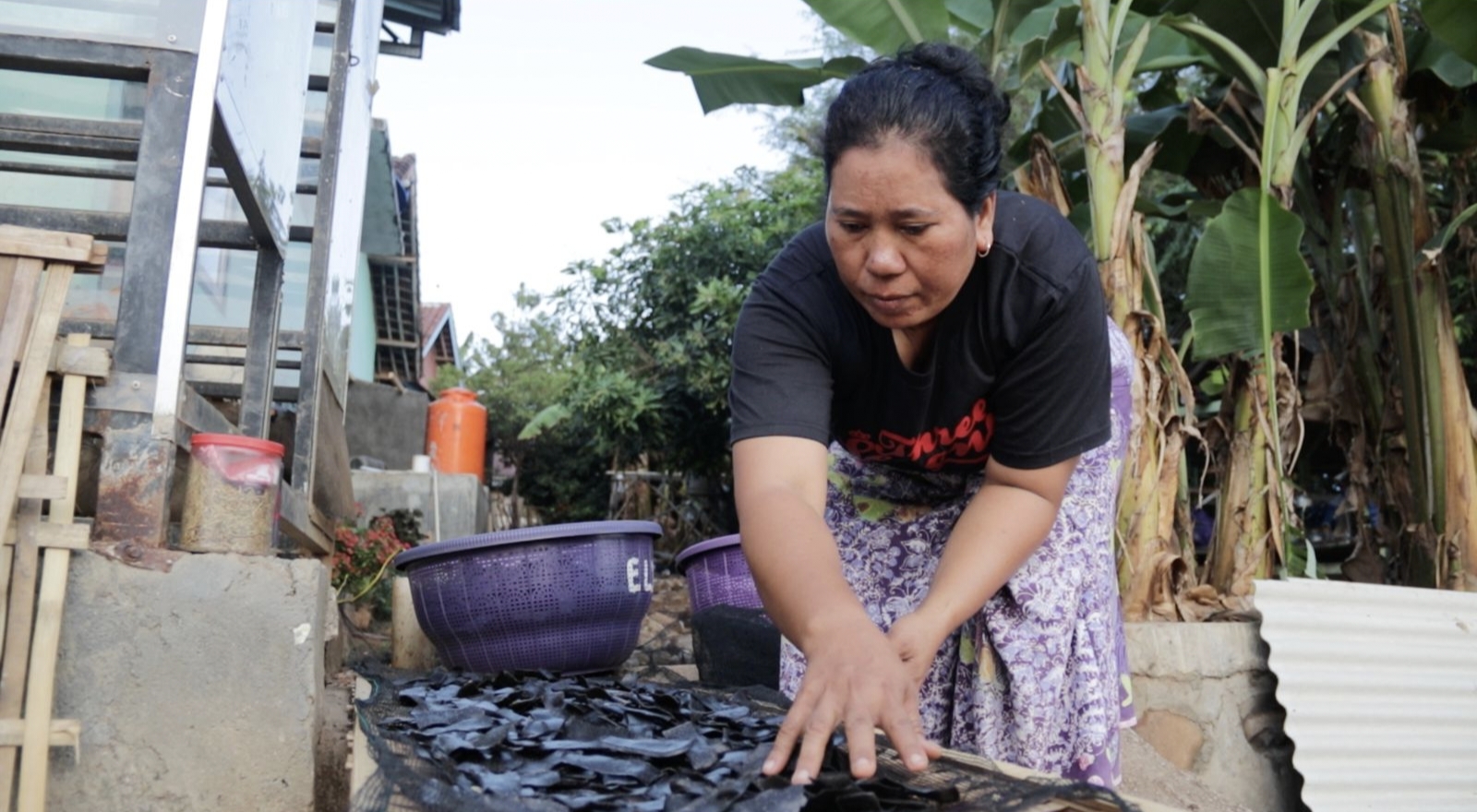
This pivot to "value-added" processing has provided a vital economic cushion. Selling each pack for between IDR 5,000 and IDR 10,000, Harniati can now generate a monthly income of IDR 1 to 2 million. "If we only wait to sell the raw catch, it is often not enough to cover the cost of fuel and ice," she says. "By processing the catch, we create added value that stays in the village." This innovation represents a form of circular economy where nothing is wasted, and the environmental burden of seafood waste is converted into a financial asset.
Diversification in Sugian: The Rise of the Seafood Collective
A few hundred meters away in Sugian Village, another group of women is spearheading a similar revolution. Led by Nurhasunah, the "Keluarga Bahari" (Maritime Family) production house has become a hub of activity. Here, women process fresh tuna—which often suffers from price fluctuations in the raw market—into a variety of shelf-stable products. Their catalog includes tuna floss (abon), fish crackers, fish balls, and ready-to-cook frozen meals.
The strategic importance of shelf-stability cannot be overstated in a climate-vulnerable economy. Raw fish must be sold immediately, often at a loss if the market is oversupplied. However, processed goods like abon can be stored for months and sold when prices are favorable or when the weather prevents the men from going to sea. "When the waves are high, the husbands might not go out for a week," Nurhasunah explains. "In the past, that meant zero income. Now, we still have money coming in from the processed goods we’ve made." This diversification has empowered the women of Sugian, turning their domestic spaces into productive economic zones that buffer the community against environmental shocks.
Scientific and Academic Perspectives on Resilience
The efforts of these women have caught the attention of environmental experts and academics. Sukuryadi, a lecturer in the Master of Environmental Science program at the University of Muhammadiyah Mataram, views these grassroots initiatives as essential components of climate adaptation. According to Sukuryadi, the warming of sea temperatures has led to coral bleaching and the degradation of fish habitats near the shore. As a result, fish populations are moving into deeper, cooler waters that are often inaccessible to small-scale traditional fishermen.
"Climate change is no longer a distant threat; it is standing at our front door," Sukuryadi remarks. He emphasizes that while the physical changes to the ocean are inevitable, the socio-economic impact can be mitigated through "adaptive resilience." By shifting from a purely extractive model (fishing) to a processing model, these communities are reducing their direct dependence on the immediate availability of natural resources. However, he warns that for these local efforts to be sustainable, they require more than just the ingenuity of the women; they need systemic support in the form of better technology and protective policies.
Institutional Support and the Road Ahead
The local government in East Lombok has acknowledged the vital role of these women’s groups, though resources remain a significant hurdle. Mastur, the Acting Head of the Marine and Fisheries Department of East Lombok Regency, stated that the government provides training and coaching for groups involved in processing fishery products. However, he admitted that budgetary constraints limit the reach of these programs. "We are limited by our budget, so we often collaborate with NGOs to fill the gaps in areas we cannot reach," Mastur explained.
Despite the successes in Paremas and Sugian, the path forward is fraught with challenges. Many women’s collectives still operate with rudimentary equipment and lack the capital to scale their production. Furthermore, securing national health certifications (P-IRT) and Halal labels—which are necessary to enter larger retail markets and supermarkets—remains a bureaucratic and financial hurdle. There is also the issue of "market access"; while the women are skilled at production, they often lack the digital marketing skills or logistical networks to sell their products beyond their immediate vicinity.
Moreover, the "double burden" of labor remains a reality for these women. While they have successfully taken on the role of breadwinners, they are still expected to perform all domestic duties, from childcare to cooking and cleaning. The economic empowerment of coastal women, while beneficial for the household, often comes at the cost of increased physical and mental exhaustion.
Conclusion: A Drip of Hope in a Rising Tide
The story of the women in East Lombok is a microcosm of a larger global struggle. As climate change continues to rewrite the rules of the natural world, the most vulnerable populations are being forced to innovate at the edges of survival. In Paremas and Sugian, the transition from being passive observers of the sea to active participants in the seafood value chain has redefined the community’s relationship with the ocean.
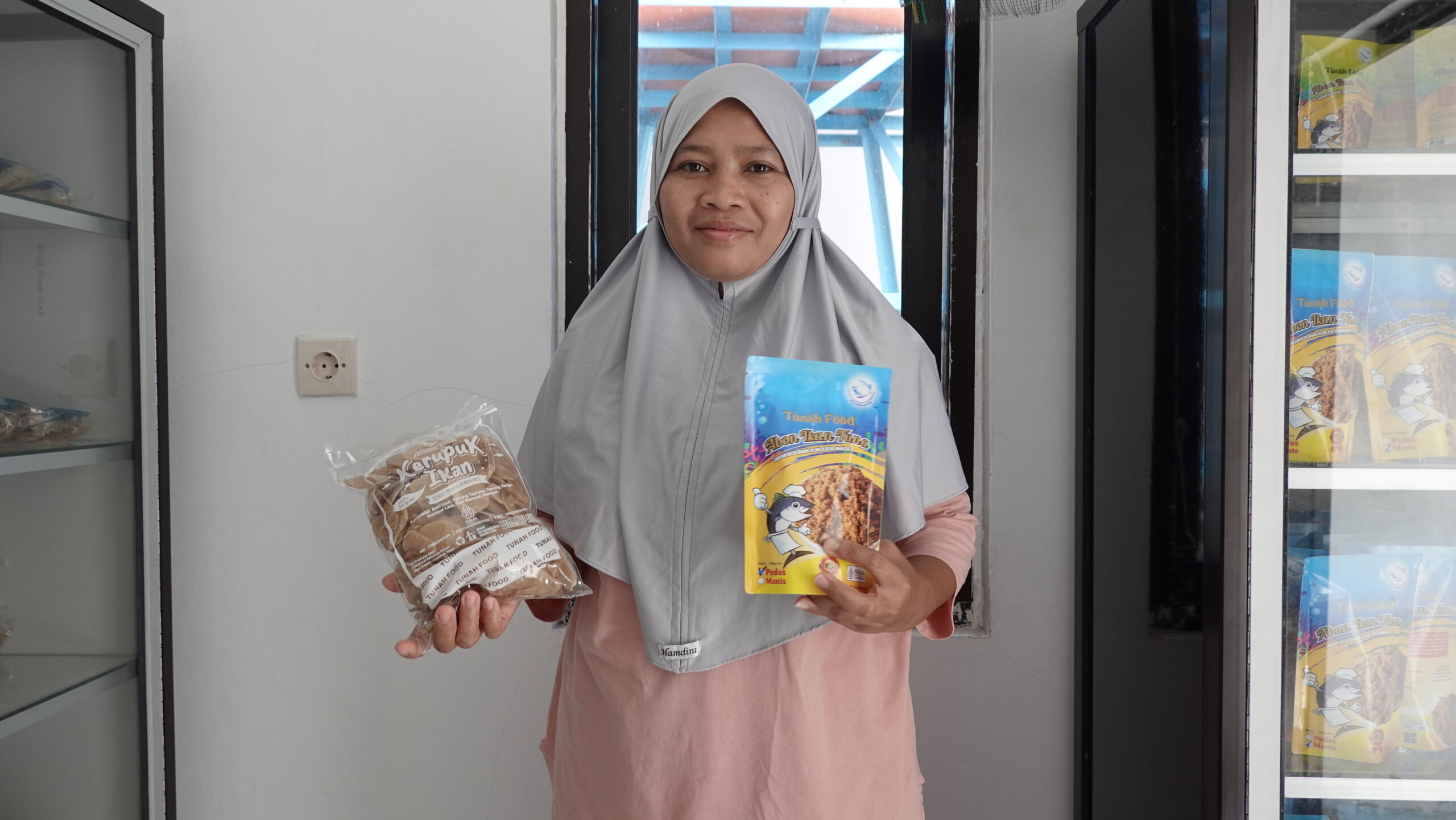
Harniati, Nurhasunah, and countless other unnamed women are proving that climate resilience is not just found in high-level policy documents or international summits; it is forged in the kitchens and modest production houses of coastal villages. By turning crab shells into crackers and tuna into abon, they are doing more than just earning a living; they are anchoring their families against the rising tide of uncertainty. As the sun sets over the Lombok Strait, the sound of the waves remains a constant, but for the women of the coast, it is no longer the only sound that defines their future. The crackle of frying pans and the hum of shared work have become the new rhythm of the tide—a rhythm of defiance, innovation, and hope.