Tyo Susilo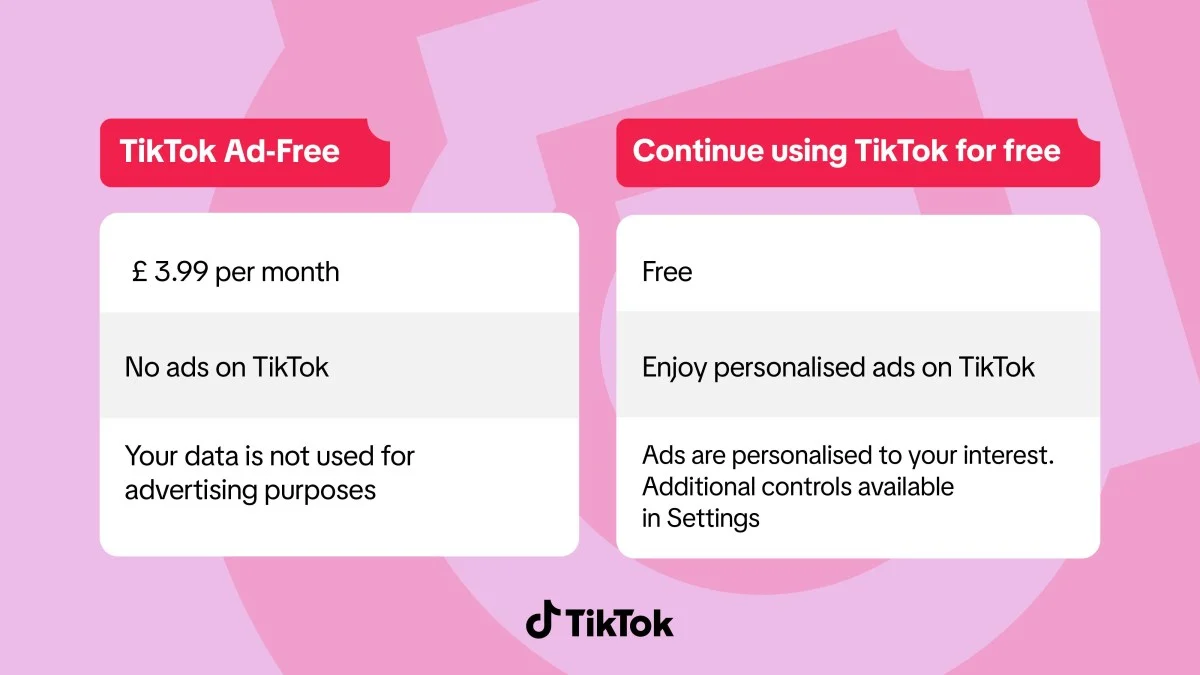
TikTok has officially joined the growing ranks of social media giants offering paid subscription tiers that promise an advertisement-free experience. The popular video-sharing platform has initiated the rollout of this new feature in the United Kingdom, with users able to subscribe for approximately £3.99 per month, equivalent to roughly $5 USD or Rp94,000. This move positions TikTok alongside established platforms such as Facebook and Instagram, which have also introduced similar ad-free options in various markets, signaling a significant shift in the monetization strategies of major online social spaces.
The introduction of an ad-free subscription on TikTok aims to provide users with an uninterrupted viewing experience. Subscribers will no longer encounter advertisements interspersed within their content feeds, a move designed to enhance user satisfaction and engagement. Crucially, TikTok has also stated that data collected from these paying subscribers will not be utilized for advertising purposes, offering a more robust privacy choice for those willing to pay for it. However, the platform will continue to operate its traditional free model, where users will still see personalized advertisements, ensuring accessibility for a broad user base.
This strategic pivot by TikTok is not an isolated development but rather a response to evolving digital landscapes and increasingly stringent data privacy regulations, particularly within the European Union. The General Data Protection Regulation (GDPR) has been a significant catalyst, compelling technology companies to provide users with greater transparency and control over their personal data. By offering an opt-out from data-driven advertising through a paid subscription, TikTok is aligning itself with these regulatory demands and empowering users to make informed choices about their online privacy.
The Growing Trend of Ad-Free Subscriptions in Social Media
The landscape of social media monetization has been undergoing a gradual but significant transformation. For years, the dominant model has been "free to use, paid by advertising." Platforms offered their services at no direct cost to users, generating revenue by selling targeted advertising space to businesses. This model fueled the rapid growth of platforms like Facebook, Instagram, and Twitter (now X), making them ubiquitous in modern digital life.
However, this paradigm began to face challenges. Growing user concerns about data privacy, the intrusive nature of online advertising, and the increasing sophistication of ad-blocking technologies have put pressure on this long-standing business model. Platforms like Netflix, Spotify, and YouTube had already demonstrated the viability of subscription services for content consumption, proving that consumers are willing to pay for premium experiences that offer enhanced features or an absence of ads.
Key Milestones in the Ad-Free Subscription Trend:
- 2021-2022: Meta (formerly Facebook) begins testing ad-free subscription options for Facebook and Instagram in the US, responding to regulatory pressures and user feedback.
- Late 2023: X (formerly Twitter) launches its premium subscription service, X Premium (formerly Twitter Blue), which includes an ad-free browsing experience as a key benefit.
- Early 2024: YouTube, a subsidiary of Google, expands its YouTube Premium offering, which has long provided ad-free viewing and background playback, to more markets.
- Mid-2024: TikTok initiates its ad-free subscription rollout in the UK, marking its entry into this evolving monetization strategy.
This chronological progression highlights a clear industry-wide movement towards diversifying revenue streams beyond solely relying on advertising. The success of these early adopters has likely encouraged TikTok to explore similar avenues, aiming to capture a segment of its user base that prioritizes an ad-free experience and values enhanced privacy controls.
TikTok’s Strategic Move and its Underpinnings
TikTok’s decision to introduce an ad-free subscription is deeply intertwined with the global regulatory environment, particularly the stringent data privacy laws enacted in regions like the European Union. The GDPR, implemented in May 2018, revolutionized how companies handle personal data, requiring explicit consent for data processing and giving individuals greater rights over their information. Similar regulations are being considered or implemented in various other jurisdictions, creating a complex compliance landscape for global tech giants.
For platforms like TikTok, which thrive on user engagement and the collection of data to personalize content and advertising, these regulations pose a significant challenge. The GDPR, in particular, has influenced how platforms can use data for targeted advertising. In some cases, regulators have scrutinized the legal basis for processing user data for advertising purposes, leading companies to seek alternative models.
The ad-free subscription offers a clear solution: users who wish to avoid having their data used for advertising can opt for a paid service. This provides them with greater control over their privacy while still allowing the platform to monetize their engagement. It creates a bifurcated model where users can choose between:
- The Free, Ad-Supported Experience: This remains the default for most users, providing access to TikTok’s vast library of content and social features, albeit with the presence of advertisements. User data is collected and utilized to personalize these ads.
- The Paid, Ad-Free Subscription: This option grants an uninterrupted viewing experience and assures users that their data will not be leveraged for advertising. This segment of users contributes directly to TikTok’s revenue through subscription fees.
This dual approach is not only a compliance strategy but also a business imperative. As user acquisition costs rise and competition intensifies, diversifying revenue streams becomes crucial for sustained growth and profitability. By tapping into the willingness of some users to pay for a premium, ad-free experience, TikTok can create a more stable and predictable revenue stream, less susceptible to the fluctuations of the digital advertising market.
Supporting Data and Industry Context
The social media advertising market is a colossal industry. In 2023, global social media advertising spending was estimated to be over $200 billion USD and is projected to continue growing. However, this growth is accompanied by increasing scrutiny. Studies have shown that a significant portion of internet users employ ad blockers, with estimates ranging from 20% to over 40% in certain demographics and regions. This indicates a substantial audience actively trying to circumvent advertisements.
Furthermore, user trust in how their data is handled by social media platforms remains a concern. A 2023 Pew Research Center study found that a majority of Americans feel they have very little or no control over the data that companies collect about them. This sentiment is likely to be amplified in regions with strong data privacy regulations like the EU.

The success of similar subscription models by competitors provides a strong precedent for TikTok. Meta’s introduction of ad-free subscriptions for Facebook and Instagram in the EU and UK has reportedly seen a notable uptake. While specific subscriber numbers are often not fully disclosed, reports suggest that tens of thousands of users have opted for these paid tiers within the first few months of their availability. Similarly, X Premium’s ad-free component has been a key selling point for its subscription service.
The pricing of TikTok’s ad-free tier at £3.99 in the UK positions it competitively within the market. For instance, X Premium is priced higher, and while it offers more features, the core ad-free experience is a comparable offering. This pricing strategy suggests TikTok is aiming for broad accessibility within its paying subscriber segment.
Analysis of Implications
The introduction of an ad-free subscription by TikTok carries several significant implications for the platform, its users, and the broader social media ecosystem:
For TikTok:
- Revenue Diversification: This is the most immediate benefit. It provides a crucial new revenue stream that is less dependent on the volatile digital advertising market and can offer more predictable income.
- Enhanced User Retention and Loyalty: By offering a premium experience that caters to user demands for privacy and uninterrupted content, TikTok can foster greater loyalty among its paying subscribers. This segment might be less likely to churn to competing platforms.
- Competitive Positioning: TikTok solidifies its position as a modern, user-centric platform by aligning with industry trends and regulatory expectations. It demonstrates an ability to adapt to evolving user preferences and legal frameworks.
- Data Strategy Refinement: The ad-free tier allows TikTok to refine its data strategy. It can continue to collect data from free users for advertising while respecting the privacy choices of its paying subscribers. This segmentation can lead to more targeted and potentially more effective advertising for the remaining ad-supported audience.
For Users:
- Increased Choice and Control: Users now have a clearer choice between a free, ad-supported experience and a paid, ad-free one. This empowers them to decide how they interact with the platform and how their data is used.
- Improved User Experience: For those who opt for the subscription, the absence of ads will undoubtedly lead to a more seamless and enjoyable viewing experience, especially for users who consume large amounts of content.
- Privacy Assurance: The explicit guarantee that subscriber data will not be used for advertising offers a significant peace of mind for privacy-conscious individuals.
For the Broader Social Media Ecosystem:
- Accelerated Trend: TikTok’s move will likely encourage other platforms, especially those still heavily reliant on advertising, to consider similar subscription models. This could further normalize the idea of paying for social media experiences.
- Shifting Advertising Strategies: Advertisers may need to adapt their strategies, focusing on more engaging and less intrusive ad formats for the remaining free user base. The value of advertising to the free tier might increase if the paying subscriber base becomes substantial.
- Data Privacy Debate Continues: While this model offers a solution for data privacy concerns, it also highlights the ongoing debate about data monetization and user consent in the digital age. It prompts further discussion on the ethical implications of data collection and usage.
- Potential for a Two-Tiered Internet: As more services adopt subscription models, there’s a growing concern about a potential "two-tiered internet" where access to certain features or an ad-free experience is contingent on payment, potentially creating digital divides.
Future Outlook and Global Expansion
TikTok has indicated that the ad-free subscription will be rolled out gradually in the UK, targeting users over 18 years of age. The company has not yet revealed plans for expanding this service to other regions. However, given the global nature of social media platforms and the widespread applicability of data privacy regulations, it is highly probable that TikTok will extend this offering to other markets, particularly those with similar regulatory environments, in the coming months and years.
The success of this initiative will depend on several factors, including user adoption rates, the perceived value of the ad-free experience relative to the subscription cost, and the ongoing evolution of data privacy laws worldwide. As TikTok continues to innovate and adapt, its foray into paid subscriptions marks a significant step in its journey towards a more diversified and sustainable business model. The question of whether users are willing to pay for a less cluttered and more private experience on a platform synonymous with fast-paced, engaging content remains to be fully answered as this new chapter unfolds.