
 Lina Irawan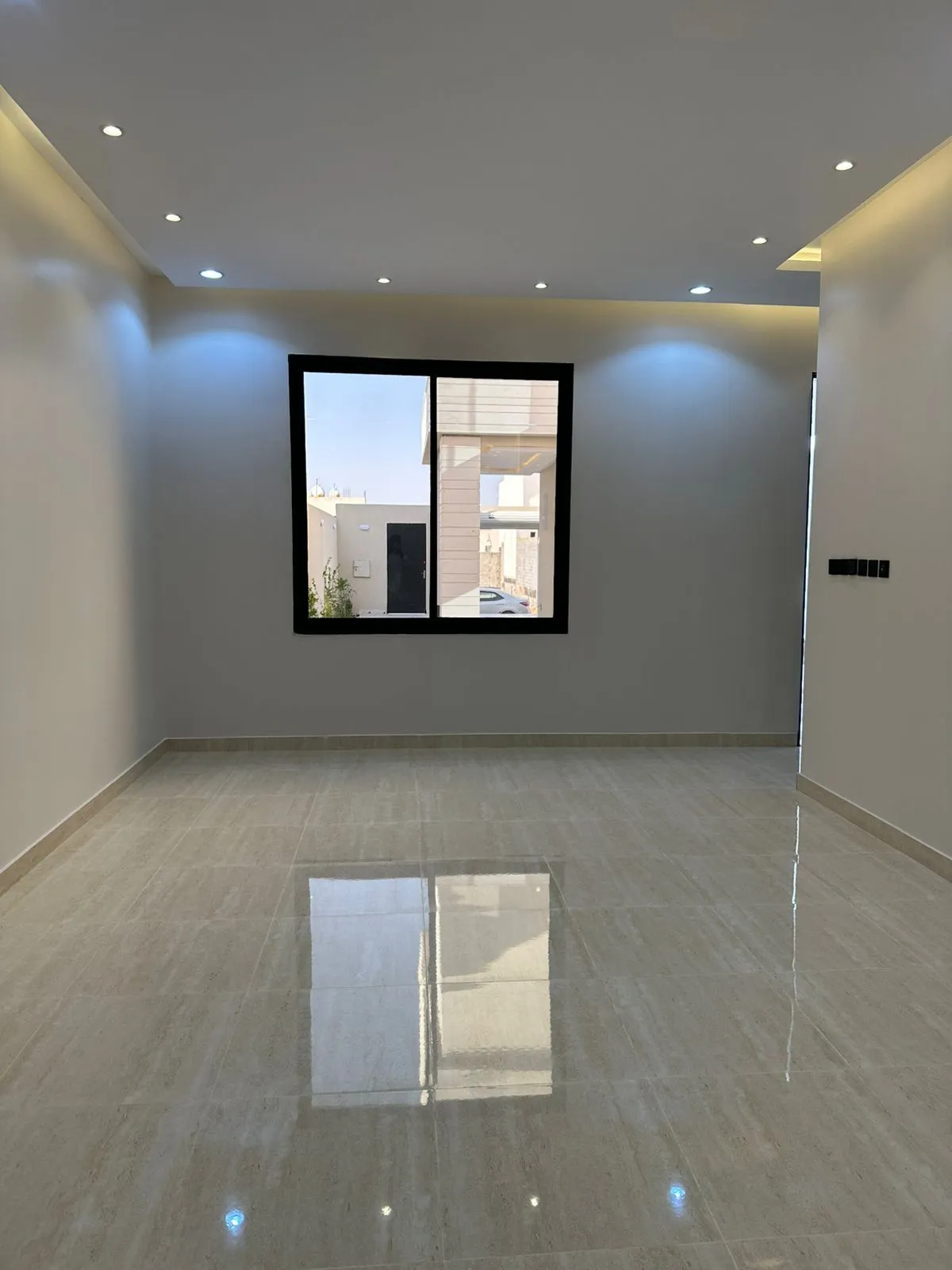
InteriorDesign.ID – The conventional wisdom dictating that small homes necessitate small tiles is rapidly being overturned by contemporary interior design principles. Far from being a mere aesthetic choice, the selection of floor tiling plays a pivotal role in dictating the perceived spaciousness and overall ambiance of compact living areas. By employing large format tiles, typically measuring a minimum of 60×60 cm, and utilizing tight grout lines, homeowners can dramatically transform confined rooms into expansive, visually uninterrupted environments. This method effectively minimizes distracting visual interruptions on the floor, creating an illusion of greater depth and openness that significantly enhances comfort and livability.
The floor, often overlooked in initial design considerations, is arguably the most dominant visual surface within any interior space. Upon entering a room, the human eye instinctively scans the floor area, which presents the largest uninterrupted plane. In homes with limited square footage, the appearance of this foundational surface is paramount. A floor fragmented by numerous small tiles and pronounced grout lines can lead to immediate visual fatigue, making a room feel cluttered, chaotic, and inherently smaller than its actual dimensions. This phenomenon is rooted in cognitive psychology; the brain processes each grout line as a boundary, creating a mental segmentation of the space. The more boundaries present, the more enclosed and constrained the space feels. Research in spatial perception consistently demonstrates that continuous, unbroken surfaces contribute to a sense of expansiveness, making the strategic choice of flooring an incredibly potent tool in small space design, often proving more effective than simply painting walls white. While light-colored walls certainly aid in reflecting light, they cannot entirely counteract the visual fragmentation caused by a busy floor pattern.
A Historical Perspective: The Evolution of Flooring Trends
The shift towards large format tiles in residential settings marks a significant evolution in interior design. Historically, smaller tiles (e.g., 30×30 cm or 40×40 cm) dominated the market for practical reasons. They were generally more affordable, easier to transport and handle, and their smaller size made them more forgiving when installed on slightly uneven subfloors, a common challenge in older construction. The installation process for small tiles required less precision and could be executed by a wider range of skilled and semi-skilled laborers. This made them a popular and economical choice for the average homeowner for decades. However, as architectural styles leaned towards minimalism, open-plan layouts, and a desire for clean, streamlined aesthetics, the limitations of small tiles became apparent. Imagine a modest 3×3 meter living room: when floored with 30×30 cm tiles, the surface would be crisscrossed by dozens of grout lines, creating a grid-like pattern that visually shrinks the room and competes for attention with furniture and decor. The result is a space that feels busy, cluttered, and less serene.
Technological Advancements Fueling Design Innovation
The rise of large format tiles, now commonly available in sizes like 60×60 cm, 80×80 cm, and even larger slabs exceeding 120 cm, is a testament to advancements in tile manufacturing technology. Modern presses and kilns can produce larger, thinner, and more dimensionally stable tiles than ever before. Precision cutting techniques, such as rectification, ensure that tile edges are perfectly straight and uniform, allowing for incredibly tight grout lines—a critical factor in achieving the desired seamless look. This technological leap has democratized access to what was once a premium feature reserved for commercial spaces like hotel lobbies and high-end retail establishments. Today, these elegant, expansive surfaces are increasingly found in minimalist homes and modern residential developments, reflecting a broader consumer demand for sophisticated, spacious interiors, even within compact footprints.

Decoding Tile Dimensions: A Comparative Analysis
The primary advantage of large format tiles lies in the significant reduction of grout lines. A 60×60 cm tile covers four times the area of a 30×30 cm tile, meaning a room will require only a quarter of the number of tiles, and consequently, a quarter of the linear feet of grout lines. This drastic reduction creates a more uniform and continuous floor surface, allowing the eye to sweep across the room without interruption. The result is an immediate perception of increased space and fluidity. Even if the actual room dimensions remain unchanged, the visual effect of large format flooring invariably makes the area appear more expansive and luxurious. This visual trick is particularly effective in urban apartments or townhouses where every square meter counts.
Navigating the Technicalities: Installation and Investment
While the aesthetic benefits of large format tiles are undeniable, their installation demands a higher degree of precision, specialized materials, and skilled labor, which translates to a greater initial investment. The foundational requirement is an impeccably flat and level subfloor. Any undulations or inconsistencies in the underlying plasterwork can lead to lippage—where the edges of adjacent tiles are not perfectly flush—creating trip hazards and an aesthetically unpleasing finish. Therefore, thorough subfloor preparation, often involving self-leveling compounds or meticulous screeding, is crucial.
Furthermore, the installation of large format tiles, especially those made of porcelain or natural stone like granite, requires specialized adhesives. Unlike traditional ceramic tiles, which are more porous and can bond well with conventional cement-based mortars, large format tiles often have very low porosity. This necessitates the use of high-performance polymer-modified thin-set mortars or epoxy adhesives designed for strong, flexible bonds that can withstand thermal expansion and contraction, preventing future delamination or cracking. These specialty cements are more expensive than standard mortar.
Another consideration is material waste. Due to the larger dimensions, there can be more cutting and trimming required, especially around room perimeters, columns, or irregular architectural features. This can result in a higher percentage of material waste compared to smaller tiles. Consequently, the combined cost of premium materials, specialized adhesives, and highly skilled tile setters makes the initial outlay for large format tile installation higher than for standard tiling. However, this upfront expenditure is widely considered a prudent long-term investment. Flooring is a permanent fixture, and the cost and disruption of re-tiling in the future far outweigh the initial savings from opting for cheaper, less suitable alternatives. The enhanced aesthetics, perceived spaciousness, and durability of a well-installed large format floor add significant value to a property.
The Art of the Grout Line: Minimizing Visual Interruption

The grout line, while serving a functional purpose of filling gaps and accommodating minor structural movement, is also a potent visual element. Its primary role in small spaces, paradoxically, is to disappear. The more prominent the grout lines, the more they interrupt the eye’s flow, intensifying the feeling of confinement. The goal is to minimize their visibility as much as possible.
Precision Engineering: Rectified Edges and Minimal Grout
The type of tile edge plays a crucial role in achieving minimal grout lines. Traditional, non-rectified tiles often have slightly cushioned or rounded edges, requiring a wider grout joint, typically between 3-5 millimeters, to accommodate manufacturing tolerances and prevent chipping. In contrast, rectified tiles are mechanically ground to achieve perfectly straight, 90-degree edges. This precision allows for incredibly tight grout lines, often as narrow as 1 to 1.5 millimeters. When standing, these ultra-thin lines are virtually invisible, creating a monolithic, continuous surface that amplifies the sense of space. The use of tile spacers during installation is essential to ensure consistent grout line widths, even for these minimal gaps.
Harmonizing Hues: The Strategic Choice of Grout Color
A common design oversight that can undermine the spaciousness achieved with large format tiles is the use of contrasting grout colors. For example, installing light gray tiles with stark white grout immediately reintroduces the "grid effect," highlighting every individual tile and negating the illusion of continuity. To maximize the seamless effect, the grout color should be carefully matched to the dominant color of the tile. By blending the grout with the tile, the visual boundaries are softened or entirely camouflaged, allowing the floor to recede and contribute to a tranquil, expansive atmosphere.
Surface Finishes and Laying Patterns: Enhancing Spatial Perception
Beyond size and grout, the surface finish and laying pattern of the tiles also contribute significantly to the perceived spaciousness and overall feel of a room.

The Reflective Qualities of Glossy Finishes
For homes with limited natural light, glossy or polished tile surfaces can be a transformative choice. Their highly reflective nature bounces ambient light, both natural and artificial, across the room. This not only brightens dark corners but also creates an illusion of greater height, making ceilings feel taller and the entire space more open and airy. However, a drawback of glossy finishes is their tendency to show dust, footprints, and smudges more readily, necessitating more frequent cleaning to maintain their pristine appearance.
The Understated Elegance of Matte Surfaces
Conversely, matte or honed finishes offer a more subdued and sophisticated aesthetic. They absorb light rather than reflecting it, providing a calm, glare-free surface that is gentle on the eyes. In rooms that receive abundant natural light, matte tiles prevent excessive brightness and create a more grounded, serene atmosphere. An added benefit is their ability to cleverly conceal dust, minor scratches, and general wear, making them a practical choice for high-traffic areas or households seeking a lower-maintenance option without sacrificing elegance.
Strategic Laying Patterns for Amplified Space
The way tiles are laid can also influence spatial perception. The traditional straight lay, where tiles are installed in a uniform grid, is straightforward and minimizes waste. However, for a more dynamic and expansive feel, alternative patterns can be employed:
- Diagonal or Diamond Pattern: Laying square tiles at a 45-degree angle to the walls can make a room appear both longer and wider. The diagonal lines trick the eye into perceiving greater distance, effectively stretching the dimensions of the space.
- Staggered or Offset Pattern (for rectangular tiles): For wood-look plank tiles or other rectangular formats, a staggered pattern (like brickwork) is popular. To maximize the sense of space, especially in narrow rooms, lay the longer dimension of the tiles parallel to the main light source or the longest wall. This draws the eye along the length of the room, enhancing its perceived size.
Common Pitfalls: Avoiding Design Errors in Small Spaces

Even with large format tiles, certain design choices can inadvertently undermine the goal of creating a spacious interior. Awareness of these common mistakes is crucial for successful execution.
The Cohesive Flow: Unifying Flooring Across Zones
A frequent error in small homes is the use of different flooring materials or colors in adjacent rooms. For instance, installing white granite in the living room, wood-patterned tiles in the dining area, and black ceramic in the kitchen creates distinct visual breaks. Each change acts as an interruption, mentally segmenting the house into smaller, disconnected zones, making the entire home feel chopped up and more confined. Leading interior designers advocate for a unified flooring scheme across all interconnected living areas in a small home. Using a single type and color of tile, seamlessly flowing from the entrance through to the living, dining, and kitchen areas, creates an unbroken visual expanse that dramatically enhances the perception of openness and continuity.
The Peril of Overly Busy Patterns
While patterned tiles can be visually striking in a showroom, deploying them extensively in a small home can be overwhelming. Intricate floral motifs, bold geometric designs, or marble with heavily veined patterns tend to dominate the visual field, making a small room feel cluttered and busy. Such patterns can compete with furniture and decor, causing the entire space to feel chaotic and visually heavy. For compact interiors, a minimalist approach is best. Opt for plain tiles, subtle textures, or natural stone looks with delicate, understated veining. This allows the floor to act as a serene backdrop, letting furniture and carefully chosen accents stand out without overwhelming the space.
The Psychology of Color: Illuminating Small Interiors
Color choice is fundamental to spatial perception. Dark, rich colors tend to absorb light, making a room feel smaller, heavier, and potentially somber. In small homes, this effect is amplified. Conversely, light colors reflect light, instantly making a room feel brighter, airier, and more expansive. Shades like off-white, pale cream, light beige, or soft grey are ideal for creating an open, luminous environment. If opting for wood-look tiles, lighter wood tones such as oak, birch, or light maple are preferable over dark walnuts or mahoganies. The goal is to maximize light reflection and create a sense of weightlessness on the floor, effectively pushing the walls outwards.

The Niche for Smaller Formats: Where Traditional Tiles Still Shine
While large format tiles are generally recommended for main living areas, smaller tiles retain their utility and aesthetic appeal in specific zones. Wet areas, such as bathrooms, laundry rooms, and outdoor terraces, often require sloped floors to facilitate drainage. Smaller tiles, with their increased number of grout lines, are more adaptable to creating these necessary slopes and curves. Furthermore, the numerous grout lines inherent in small tiles provide a textured surface that enhances grip, offering a practical safety advantage in areas prone to moisture and potential slipperiness. In these functional spaces, the benefits of smaller tiles outweigh the desire for expansive visuals.
Expert Perspectives and Industry Insights
Industry experts widely concur with the shift towards larger format tiles for small homes. "Architects and interior designers are increasingly specifying large format porcelain tiles for compact urban dwellings," notes Sarah Jenkins, a prominent interior designer specializing in minimalist aesthetics. "The demand for seamless surfaces aligns perfectly with contemporary design philosophies that prioritize clean lines and a sense of calm. Clients are recognizing that while the initial investment might be slightly higher, the long-term aesthetic and psychological benefits of an uncluttered, expansive floor are invaluable." Tile manufacturers have responded to this trend by expanding their lines of large format rectified tiles, offering a vast array of colors, textures, and finishes that mimic natural materials like marble, concrete, and wood, all while providing superior durability and ease of maintenance.
Conclusion: A Strategic Approach to Maximizing Small Home Aesthetics
The strategic selection and installation of large format tiles with minimal, color-matched grout lines represent a powerful design intervention for maximizing the perceived space in compact homes. This approach transcends mere decoration, tapping into fundamental principles of visual perception and psychology to create interiors that feel more generous, more refined, and more comfortable. While requiring a greater upfront investment in materials, specialized adhesives, and expert labor, the enduring benefits of a visually expansive, cohesive, and durable floor far outweigh the initial costs. By embracing this modern design philosophy and avoiding common pitfalls, homeowners can transform their small residences into elegant, functional sanctuaries that belie their actual dimensions, offering a heightened sense of luxury and livability for years to come.








