Lusiana Hamidun
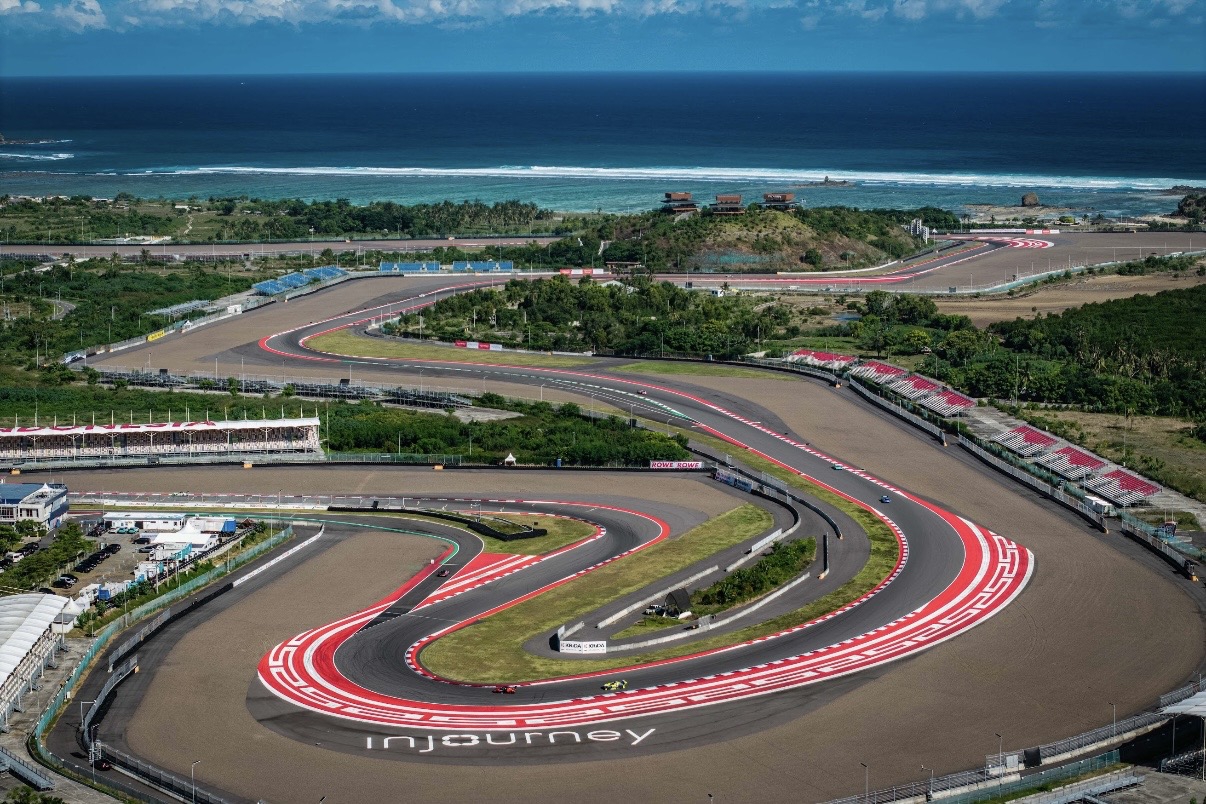
The Pertamina Mandalika International Circuit, nestled against the breathtaking azure backdrop of the Lombok coastline, recently played host to a spectacle that transcended the conventional boundaries of motorsport. From May 1st to 3rd, 2026, the GT World Challenge Asia series made its inaugural appearance in Indonesia, transforming the island’s iconic circuit into a vibrant nexus of roaring engines, international glamour, and rich local culture. This landmark event not only showcased the pinnacle of GT racing but also underscored a significant evolution in the perception and experience of motorsports, positioning it as a holistic lifestyle and tourism phenomenon.
A Symphony of Speed and Serenity
The juxtaposition of raw automotive power with the tranquil beauty of Mandalika created an unforgettable sensory experience. The guttural symphony of GT3 machines, including the formidable Ferrari 296 GT3, Lamborghini Huracán GT3 EVO2, Porsche 911 GT3 R, and Mercedes-AMG GT3, echoed across the circuit. This powerful auditory landscape, however, was softened by the gentle caress of the sea breeze and the panoramic vistas of the Indian Ocean. This unique blend fostered an atmosphere where the adrenaline-fueled excitement of racing seamlessly intertwined with the relaxed ambiance of a summer vacation, a testament to Mandalika’s dual appeal as both a world-class racing venue and a premier tourist destination.
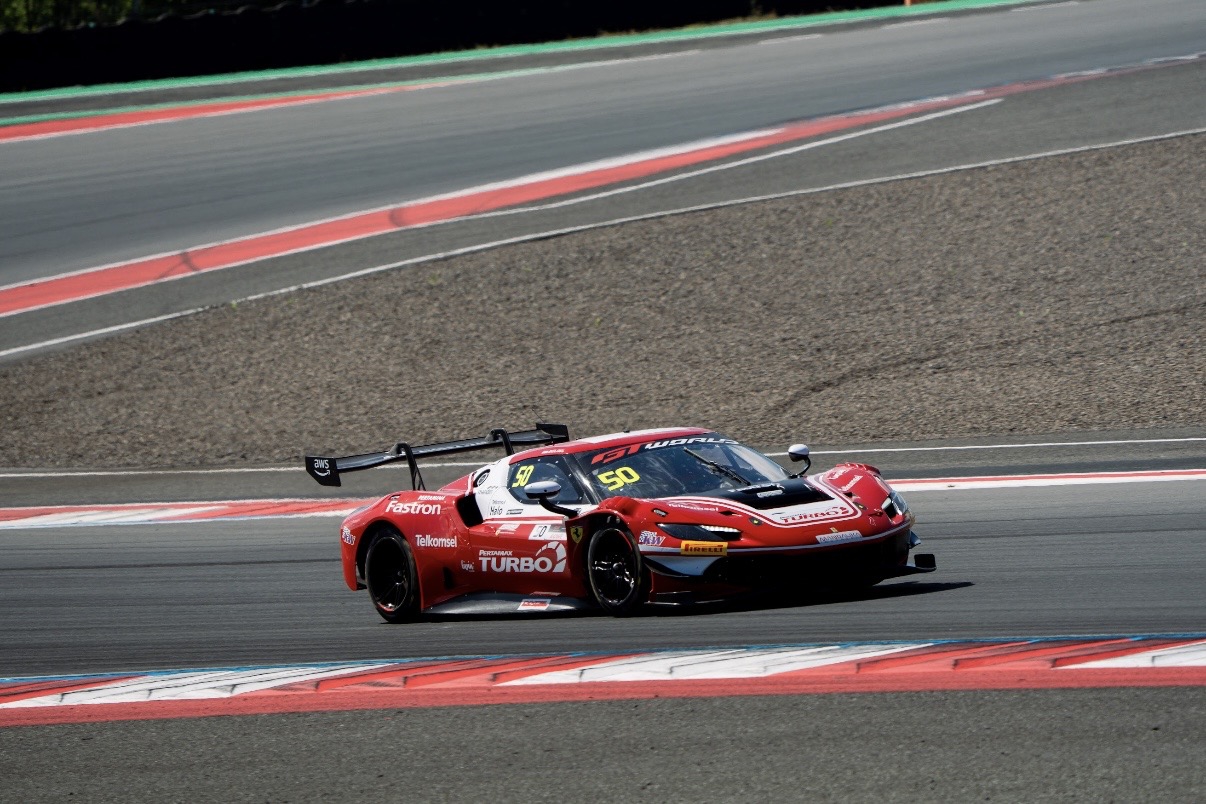
The event, sanctioned by SRO Motorsports Group, a global leader in motorsport organization, marked a significant milestone for Indonesia’s burgeoning sports tourism sector. GT World Challenge Asia, known for its prestigious status in the international GT racing calendar, brings together a diverse field of professional and amateur drivers, competing in a series of challenging endurance races. The decision to include Indonesia, and specifically Mandalika, in its 2026 season schedule reflects the growing global recognition of the circuit’s state-of-the-art facilities and Indonesia’s potential as a hub for international sporting events.
The Paddock: A Melting Pot of Passion and Prestige
From the early hours, the paddocks buzzed with an almost tangible energy. The gleaming silhouettes of high-performance GT3 cars, meticulously prepared by their respective teams, stood poised under the Lombok sun. Beyond the track, the hospitality lounges offered a more relaxed yet equally engaging environment. Conversations flowed easily, punctuated by the subtle clinking of glasses and the lingering scent of hot tires, creating an atmosphere that evoked the sophisticated charm of a European Grand Prix weekend, albeit with a distinctly tropical flair.
This convergence of elite automotive engineering and refined social interaction highlighted a key aspect of modern motorsport: the experience surrounding the race. It is no longer solely about the pursuit of speed; it is about the curated atmosphere, the networking opportunities, and the overall sensory engagement that accompanies the competition. The GT World Challenge Asia event in Mandalika exemplified this evolution, demonstrating that a motorsport event can be as much about the social calendar as it is about the checkered flag.
The Gentleman Driver: A Unique Blend of Amateur and Professional Talent
A defining characteristic of the GT World Challenge Asia is its "gentleman driver" concept. This format allows amateur racers, often successful entrepreneurs, investors, and avid car collectors, to compete alongside seasoned professional drivers. These amateur racers bring a unique dynamic to the endurance races, demanding not only exceptional driving skills but also strategic prowess, unwavering consistency, and a deep understanding of their co-drivers. This collaborative approach fosters a sense of camaraderie and shared passion within the racing community, making the competition accessible to a broader spectrum of enthusiasts.
Among the international field, Indonesian motorsport icon Sean Gelael emerged as a focal point of local attention. His participation injected a palpable sense of national pride and connected the international spectacle with the passionate Indonesian fanbase. Gelael’s presence on track resonated deeply with the spectators who thronged the paddocks and pit lanes throughout the weekend, eager to witness their local hero compete on a global stage. His involvement underscores the growing talent pool within Indonesian motorsport and its increasing integration into international racing circuits.
Bridging the Divide: The Pit Walk and Public Engagement
The highly anticipated "pit walk" sessions served as a crucial element in demystifying the often exclusive world of professional motorsport. For a limited time, the barriers between the elite racing environment and the public were lowered, allowing spectators an unprecedented glimpse into the inner workings of a race weekend. In this dynamic space, mechanics executed their tasks with a precision that bordered on choreography, while curious attendees had the opportunity to examine the formidable GT3 machines up close and engage in conversations with drivers from around the globe.
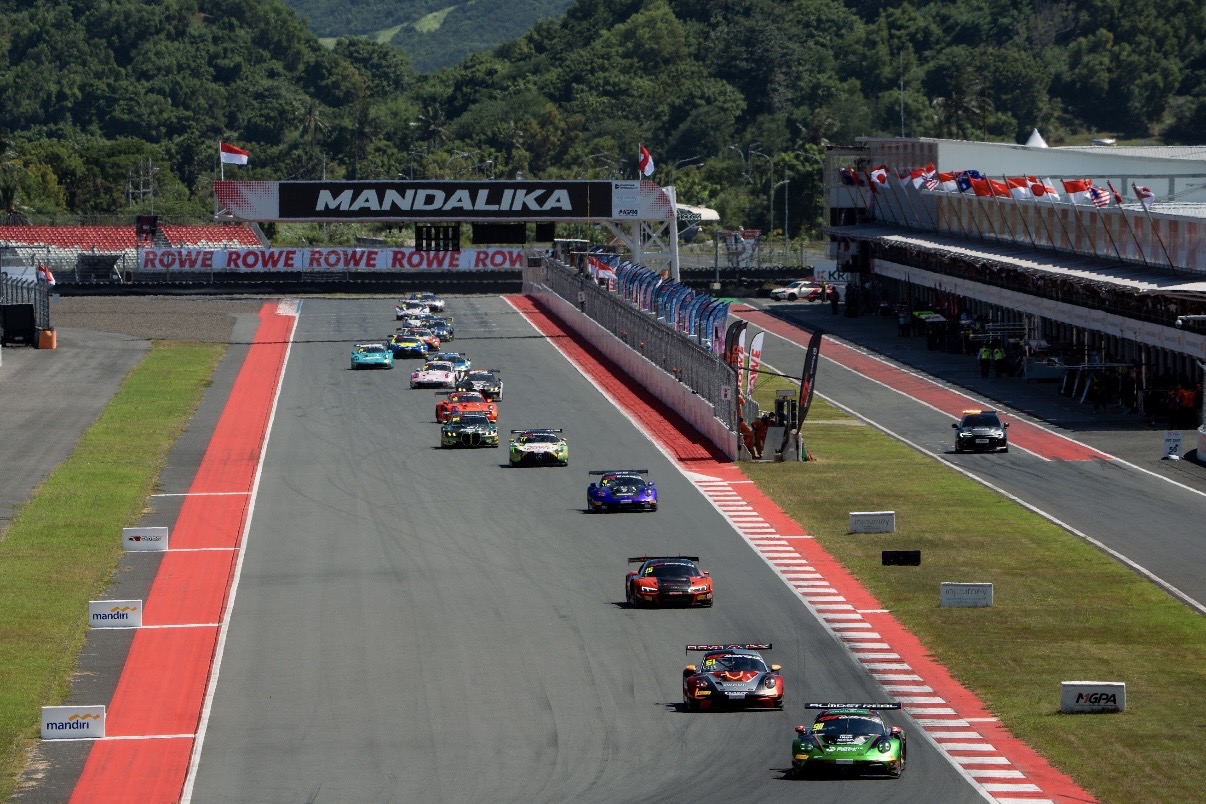
This initiative not only fostered a greater appreciation for the technical intricacies of motorsport but also cultivated a more inclusive atmosphere. By opening up these normally restricted areas, the event organizers aimed to make the sport more accessible and engaging for a wider audience, encouraging a new generation of fans and participants.
Style and Substance: Fashion Meets the Track
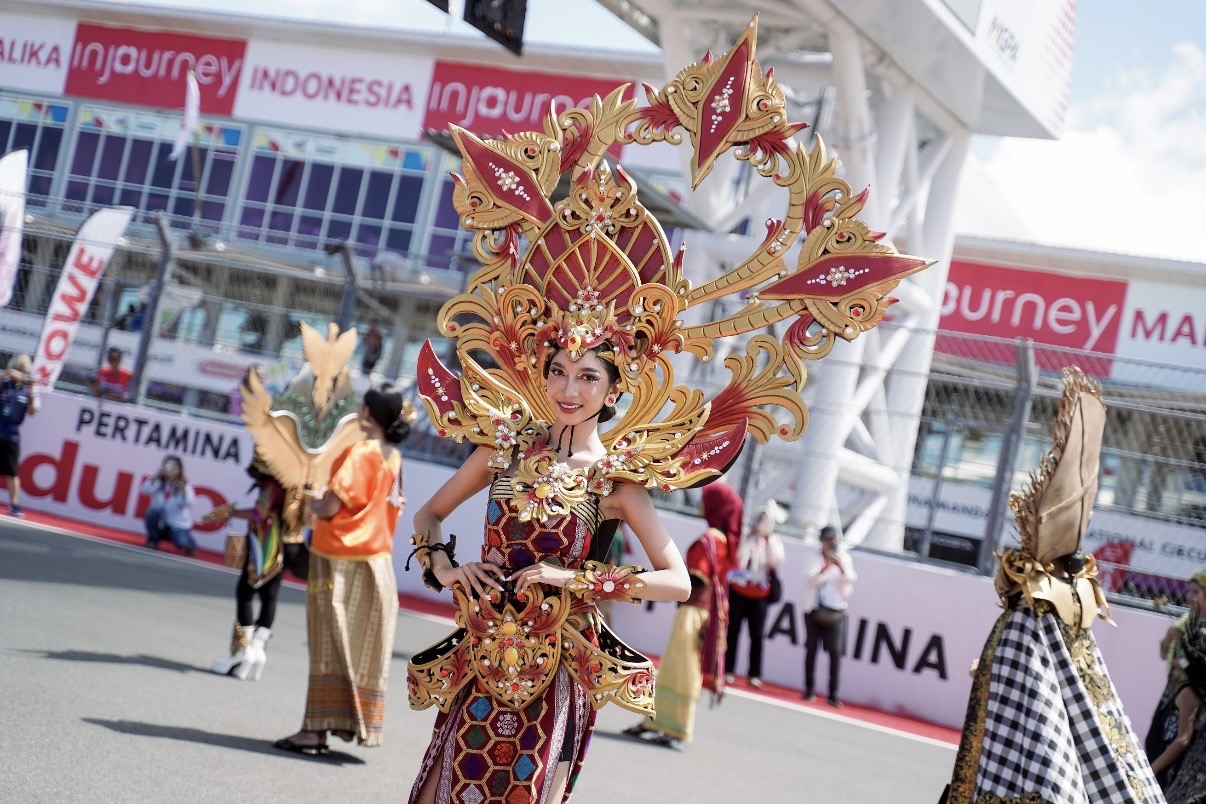
The aesthetic of the event was as carefully curated as the racing strategy. The paddocks transformed into a vibrant runway of personal style, with attendees showcasing their sartorial flair. Oversized sunglasses, chic linen ensembles in neutral palettes, and vintage racing jackets were common sights, creating an atmosphere that felt akin to a sophisticated fusion of a motorsport festival and a luxury lifestyle gathering. This visual dynamism further amplified the event’s appeal, attracting a diverse crowd that appreciated both the thrill of the race and the social elegance of the occasion. This intersection of fashion and motorsport is a growing trend, reflecting the evolving perception of racing as a high-profile social event.
Mandalika’s Cultural Tapestry: A Grand Opening Ceremony
As the opening ceremony commenced, Mandalika unveiled another facet of its allure. The event commenced with a vibrant parade of drivers, a captivating showcase of traditional West Nusa Tenggara cultural performances, and the stirring melodies of the IPDN marching band. The resonant beats of the gendang beleq, a traditional Sasak drum, added a powerful local rhythm to the proceedings, transforming the circuit into a dynamic stage that celebrated both international motorsport and Indonesian heritage. This integration of local culture into the event’s opening underscores a commitment to providing a holistic experience that celebrates the unique identity of the host region.
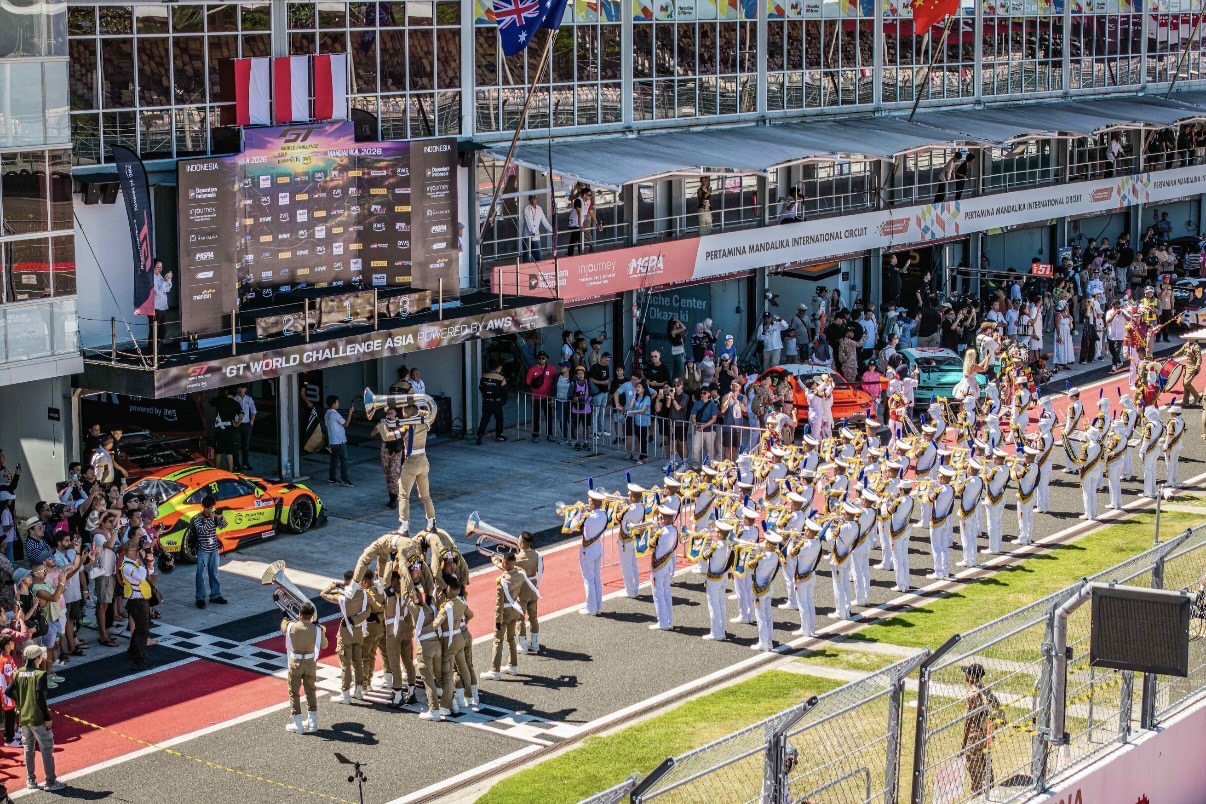
The presence of celebrities, public figures, and lifestyle influencers further solidified the GT World Challenge Asia’s position as a prominent fixture on the social calendar. From the bustling paddocks to the exclusive VIP terraces, the racing unfolded in parallel with sophisticated hospitality, engaging conversations, and the quintessential Mandalika sunset, painting a picture of a truly integrated lifestyle event.
The Krida Agya Kartini Race: Empowering Women in Motorsport
Amidst the international glamour, a particularly inspiring moment emerged from the Krida Agya Kartini Race. This dedicated race for female drivers provided a refreshing burst of competitive energy and served as a poignant tribute to the spirit of R.A. Kartini, Indonesia’s national heroine and a pioneer for women’s rights.
Piloting specially prepared Toyota Agya vehicles, the female racers demonstrated remarkable aggression and precision on the track. Alinka Hardianti, Clio Tjonnadi, and Alexandra Asmasoebrata distinguished themselves by securing podium finishes, showcasing their exceptional talent and determination.
Fitri Hartini, a prominent figure in Indonesian motorsport and a vocal advocate for women’s participation, expressed her enthusiasm for the initiative. "This event is a progressive step forward, demonstrating that Indonesian women possess the same capabilities and competitive spirit as their male counterparts in the world of motorsport," she stated. This sentiment was echoed by industry observers who saw the race as a significant move towards a more inclusive and equitable motorsport landscape in Indonesia. The Krida Agya Kartini Race not only provided a platform for female drivers but also reinforced Mandalika’s positioning as a world-class and inclusive sport tourism destination.
Beyond the Track: A Contemporary Lifestyle Culture
Priandhi Satria, a keen observer of the evolving Indonesian lifestyle scene, noted how the Mandalika experience has transcended mere race attendance. "The experience in Mandalika has evolved into a integral part of contemporary lifestyle culture," he remarked. "People are not just coming to watch the races; they are coming to immerse themselves in the hospitality, the local culture, and the stunning tropical landscape that blends so naturally with the excitement of the event." This holistic approach to event management ensures that visitors receive a comprehensive and enriching experience that extends far beyond the confines of the racetrack.
A New Paradigm for Motorsport
In conclusion, the GT World Challenge Asia 2026 in Mandalika proved that motorsport can indeed be experienced in a multitude of ways. Here, the visceral thrill of speed, the allure of international glamour, and the journey of discovery converge into a singular, cohesive experience. The event has set a new benchmark for what motorsports can be, demonstrating its capacity to be a catalyst for tourism, a platform for cultural exchange, and a vibrant facet of modern lifestyle. The success of this inaugural event in Mandalika is poised to attract further international sporting events, solidifying Indonesia’s reputation as a premier destination for global motorsport and tourism. The implications for local economies, infrastructure development, and the promotion of Indonesian culture are substantial, promising a bright future for sports tourism in the region.