Chalifah Fatihah
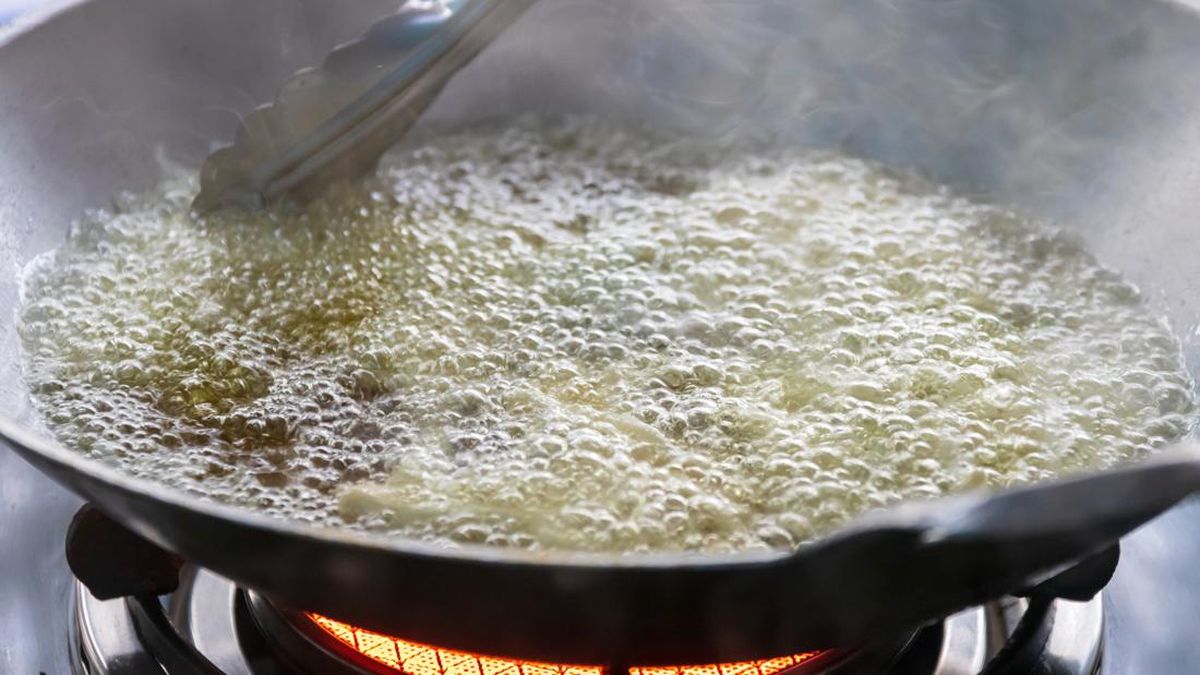
Foaming frying oil, a common yet often perplexing phenomenon for home cooks, can transform a simple cooking task into a source of concern. When cooking oil bubbles or froths excessively during heating, it not only disrupts the frying process but also raises questions about oil quality and safety. This article delves into the primary reasons behind this culinary conundrum, drawing upon established cooking principles and expert advice to provide comprehensive solutions. Understanding these factors is crucial for maintaining optimal cooking results, ensuring food safety, and maximizing the lifespan of cooking oil.
The Science Behind the Bubble: Unpacking the Causes of Foaming Oil
The appearance of foam or excessive bubbles in frying oil is not a random occurrence but rather a consequence of specific chemical and physical interactions. While fresh, high-quality oil typically behaves predictably, several factors can trigger this undesirable foaming.
1. Residual Detergent or Soap Contamination
One of the most common culprits behind foaming oil is the presence of residual soap or detergent from improperly washed cooking utensils. Even microscopic amounts of these cleaning agents can react with hot oil, breaking down its surface tension and causing it to foam vigorously. This is particularly problematic as it not only affects the oil’s performance but can also impart an unpleasant soapy flavor to the food.
2. Degraded or Damaged Cooking Oil
Cooking oil, like any other food product, has a shelf life and can degrade over time, especially when exposed to heat, light, and air. When oil is repeatedly heated, its molecular structure begins to break down. This degradation can manifest as a change in color, an acrid smell, and, significantly, increased foaming. Furthermore, any lingering particles from previous cooking sessions – such as flour, spices, or food remnants – can accelerate this degradation process and contribute to foaming. The presence of these impurities provides nucleation sites for bubbles to form.
3. High Water Content in Food Ingredients
Many common food items, particularly fresh vegetables and fruits, contain a significant amount of water. When these ingredients are introduced into hot oil, the water rapidly turns into steam. This steam escapes the food in the form of tiny bubbles, which rise to the surface of the oil, creating a frothy appearance. While this is a natural process, an excessive amount of water can lead to more pronounced foaming and can also cause the oil to splatter dangerously.
4. Overheating and Repeated Heating Cycles
Continuously heating cooking oil, especially at excessively high temperatures, can lead to its thermal degradation. The intense heat breaks down the oil’s fatty acid chains, leading to the formation of smaller, more volatile compounds. This process not only reduces the oil’s smoking point and overall quality but also significantly increases its propensity to foam. Repeatedly heating the same batch of oil without proper filtration or discarding it when it shows signs of wear further exacerbates this issue.
5. Overcrowding the Frying Pan
When too many food items are added to the frying pan at once, they can significantly lower the oil’s temperature. This sudden drop in temperature, combined with the moisture released from the food, can create a substantial amount of steam. As this steam attempts to escape the crowded pan, it can trap air and form a thick layer of foam on the oil’s surface. This not only hinders even cooking but can also lead to greasy, unevenly browned food.
Strategies for a Smoother Frying Experience: Solutions to Foaming Oil
Fortunately, the problem of foaming frying oil is largely preventable and manageable with proper cooking practices and attention to detail. By implementing the following strategies, home cooks can ensure a more pleasant and effective frying experience.
1. Prioritize Utensil Hygiene
The most critical step in preventing oil foaming is ensuring that all cooking utensils are thoroughly cleaned and dried before use. After washing woks, pans, or any other cooking implements, it is essential to rinse them meticulously to remove all traces of soap or detergent. A final rinse with hot water can help dislodge any stubborn residue. Furthermore, completely drying the utensils with a clean towel or allowing them to air dry is paramount. Even a small amount of residual water can turn into steam upon contact with hot oil, triggering foaming and potentially dangerous splattering.
2. Select the Right Cooking Oil for the Task
The type of cooking oil used plays a significant role in its performance. Lower-quality oils or those not specifically designed for high-heat frying may contain higher levels of impurities or water, making them more prone to foaming. For deep-frying or pan-frying applications that require sustained high heat, it is advisable to use oils with a high smoke point and good stability, such as vegetable oil, canola oil, or peanut oil. For lighter tasks like sautéing or stir-frying at moderate temperatures, oils like olive oil (though extra virgin olive oil has a lower smoke point and is better suited for dressings and low-heat cooking) can be used. Understanding the intended use of each oil and its smoke point is crucial for optimal results.
3. Moderate Oil Heating and Avoid Overheating
It is vital to avoid overheating cooking oil. While sufficient heat is necessary for effective frying, excessive temperatures can cause the oil to break down prematurely, leading to foaming, excessive smoke, and a burnt taste in the food. A good rule of thumb is to heat the oil gradually to the desired temperature and avoid leaving it on high heat for extended periods without use. If the oil begins to smoke, it is an indication that it has been overheated and may be compromised.
4. Maintain Oil Cleanliness Through Filtration and Replacement
The cleanliness of cooking oil directly impacts its performance and longevity. After each use, it is highly recommended to filter the oil to remove any food particles and sediment. This can be done using a fine-mesh sieve, cheesecloth, or specialized oil filters. Properly filtered oil can be stored and reused, but it is essential to monitor its condition. If the oil develops a dark color, a strong odor, or consistently foams excessively, it is time to discard it and replace it with fresh oil. The general guideline is to replace oil after it has been used for deep-frying approximately 4-6 times, or when it exhibits signs of degradation.
5. Avoid Overcrowding the Pan
A common mistake that leads to excessive foaming is adding too much food to the frying pan at once. This not only lowers the oil temperature drastically but also releases a large amount of moisture from the food, creating a substantial volume of steam. This steam, trapped by the dense mass of food, leads to vigorous foaming. To prevent this, cook food in smaller batches, allowing the oil to maintain its temperature and the steam to dissipate more effectively. This ensures that the food fries evenly and develops a desirable crispiness.
Broader Implications and Expert Insights
The phenomenon of foaming frying oil is more than just an aesthetic nuisance; it has practical implications for both the quality of the cooked food and the efficiency of the kitchen. When oil foams excessively, it can lead to uneven cooking, making some parts of the food burnt while others remain undercooked. The excessive steam generated can also make food soggy rather than crispy.
Culinary experts emphasize the importance of observing the oil’s behavior. A slight bubbling when introducing food is normal, but persistent, vigorous foaming suggests an underlying issue. The National Institute of Food Safety, for instance, consistently advises home cooks to prioritize proper oil maintenance and utensil cleanliness to prevent such issues.
Furthermore, the economic aspect cannot be overlooked. While it might be tempting to reuse oil multiple times, continuing to use degraded oil not only compromises food quality but can also lead to more frequent replacement of cooking equipment due to persistent residue and potential damage. Investing in quality oils and adhering to best practices for their use and disposal can lead to cost savings in the long run.
Conclusion: Mastering the Art of Frying
The mystery of foaming frying oil is demystified by understanding the underlying causes, which range from simple contamination to the natural processes of cooking. By adopting a proactive approach that emphasizes cleanliness, the selection of appropriate oils, careful temperature management, and mindful cooking techniques, home cooks can significantly mitigate or eliminate this issue. The ability to control and understand oil behavior is a hallmark of proficient cooking, ensuring delicious, safe, and perfectly executed fried dishes. As with many aspects of cooking, a little knowledge and attention to detail can go a long way in transforming potential culinary challenges into successful outcomes.