Chalifah Fatihah
The practice of baby massage, long cherished by parents for its soothing qualities and perceived health benefits, requires a nuanced understanding of its execution. While lauded for its potential to promote relaxation, improve sleep, and foster parental bonding, medical experts emphasize that these advantages are contingent upon proper technique and timing. Improperly administered, baby massage can pose risks due to the delicate physiological makeup of infants, underscoring the critical need for informed and gentle approaches.
The inherent vulnerability of a baby’s developing body—comprising bones, joints, muscles, and skin—necessitates a cautious and informed approach to massage. Unlike adults, infants possess systems that are still maturing, making them more susceptible to injury from excessive force or pressure. The American Academy of Pediatrics (AAP) champions a philosophy of massage that involves tactile stimulation that is sufficiently perceptible yet remains gentle and consistent. This approach aims to maximize the benefits of touch while minimizing the potential for harm.
Understanding the Risks of Improper Technique
Reports of adverse events, including fractures, linked to aggressive traditional massage practices highlight a significant concern. These incidents do not negate the efficacy of massage itself but rather underscore the critical importance of technique. The pressure applied must be calibrated to the infant’s fragile structure. For instance, a study published in the journal Pediatrics explored the evidence base for infant massage, noting that while generally considered safe when performed appropriately, the risk of injury increases with forceful manipulation. The underlying principle is that the benefits are derived from a nurturing, responsive touch, not from vigorous therapeutic intervention that could be detrimental.
The American Academy of Pediatrics, a leading authority on child health, advocates for a mindful approach to infant massage. Their guidelines suggest that parents and caregivers should observe the baby’s cues closely. Signs of relaxation, engagement, and positive responsiveness indicate that the massage is well-received. Conversely, if the infant exhibits signs of discomfort, agitation, or distress, the massage should be immediately discontinued. This responsive approach ensures that the experience remains positive and beneficial for the child.
Timing is Everything: When to Massage Your Baby
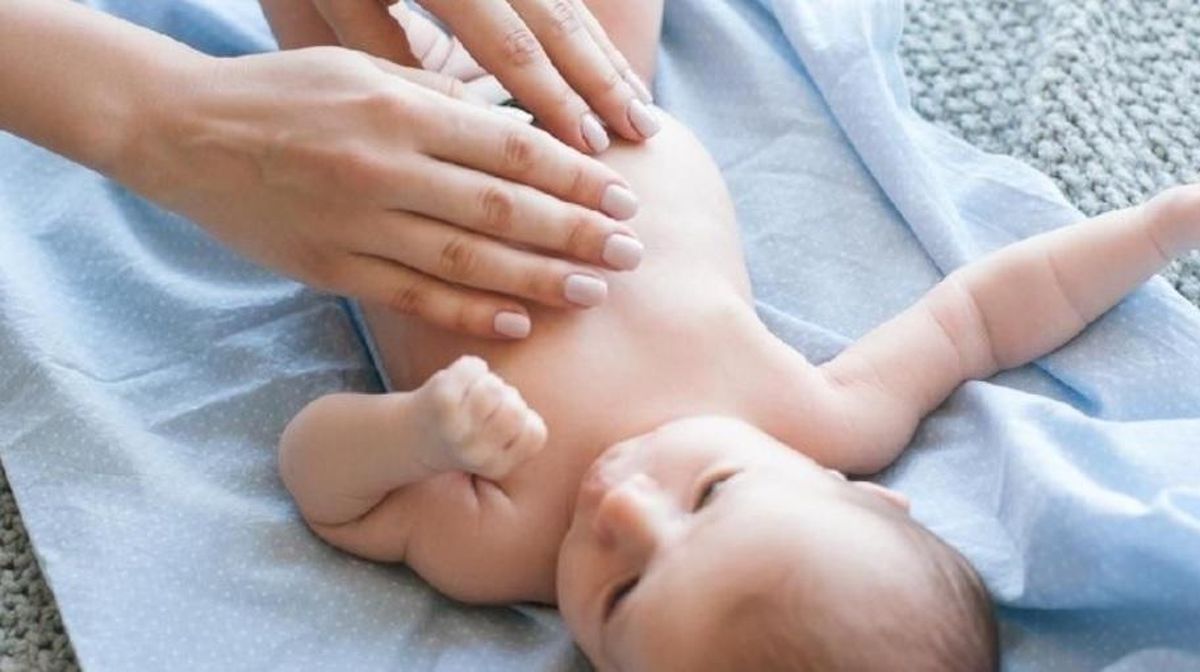
Beyond the mechanics of touch, the timing of infant massage plays a pivotal role in its efficacy and safety. Guidelines from institutions like Cambridge University Hospitals suggest that infants should not be subjected to massage when they are experiencing specific physiological states that render them less receptive or more vulnerable. These states can include:
- Fever: A heightened body temperature can indicate an underlying illness. Introducing additional physical stimulation, such as massage, may exacerbate discomfort or stress the infant’s system.
- Illness or Discomfort: If a baby is unwell, experiencing colic, teething pain, or general discomfort, their body is already working to manage these issues. Massage in such instances might not be soothing and could potentially worsen their condition.
- Hunger or Fullness: Babies are often most receptive to touch when they are content and not actively seeking nourishment or experiencing the discomfort of a full stomach.
- Fatigue or Overstimulation: An overtired baby may struggle to relax and could become more agitated by touch. Similarly, an overstimulated infant, bombarded with too much sensory input, may not be in a state to benefit from massage.
In these scenarios, the infant’s body is not prepared for additional stimulation. Attempting to massage a baby who is already uncomfortable can inadvertently amplify their distress. The objective of infant massage is to enhance well-being and foster a sense of security. This can only be achieved when the infant is in a receptive and comfortable state.
Evidence-Based Benefits of Infant Massage
Despite the cautionary notes regarding technique and timing, a substantial body of research supports the positive impacts of infant massage. A comprehensive review titled "Effect of Infant Massage," published in a peer-reviewed journal, has identified a range of benefits. These include:
- Pain Relief: Massage can help to alleviate various forms of infant discomfort, including colic and general fussiness.
- Improved Weight Gain: For some infants, particularly premature babies, massage has been shown to support healthy weight gain by potentially improving nutrient absorption and reducing stress.
- Management of Jaundice: In certain cases, gentle massage has been explored as a complementary therapy to aid in the resolution of jaundice.
- Enhanced Parental-Infant Bonding: The act of massaging a baby provides a dedicated time for physical closeness and focused interaction, strengthening the emotional connection between caregiver and child. This reciprocal interaction is crucial for the infant’s emotional and social development.
- Support for Growth and Development: Beyond physical benefits, massage can contribute to overall development by promoting relaxation, which in turn can positively influence sleep patterns and alertness, crucial for learning and exploration.
These findings suggest that infant massage, when performed correctly, can be a powerful tool in promoting infant well-being. However, the same research often includes a caveat: the reporting of side effects remains limited, necessitating continued caution and attention to the infant’s individual responses.
Expert Guidance and Safe Practices
For parents who are new to infant massage or feel uncertain about the correct techniques, seeking guidance from qualified professionals is highly recommended. Healthcare providers, such as pediatricians, nurses, or certified infant massage instructors, can offer invaluable training and personalized advice. These professionals can demonstrate safe and effective massage strokes, explain how to interpret infant cues, and address any specific concerns a parent might have regarding their baby’s health and development.

The principles of infant massage emphasize a holistic approach that prioritizes the baby’s comfort and responsiveness. This means that the session should be driven by the baby’s cues, rather than a rigid adherence to a prescribed routine. If a baby pulls away, cries, or shows signs of disinterest, it is a clear signal to stop. This interactive and responsive method ensures that massage remains a positive and beneficial experience for both the infant and the caregiver.
Broader Implications for Infant Care
The discourse around infant massage reflects a growing understanding of the importance of early sensory experiences and their impact on infant development. As research continues to explore the intricate connections between physical touch, stress hormones, and brain development, practices like infant massage are increasingly recognized not just as a comforting ritual but as a potentially vital component of early childhood care.
The implications extend to public health initiatives that aim to promote positive parenting practices and support infant well-being. By educating parents about the benefits and safe execution of infant massage, healthcare systems can empower families to foster stronger bonds with their children and contribute to healthier developmental trajectories.
In conclusion, infant massage offers a wealth of potential benefits, from physiological improvements to enhanced emotional connections. However, its efficacy and safety are intrinsically linked to the manner in which it is performed. A gentle, responsive, and well-timed approach, guided by an understanding of the infant’s delicate physiology and individual cues, is paramount. When executed with care and informed by expert advice, infant massage can indeed be a powerful instrument for nurturing a baby’s health and development.