Chalifah Fatihah
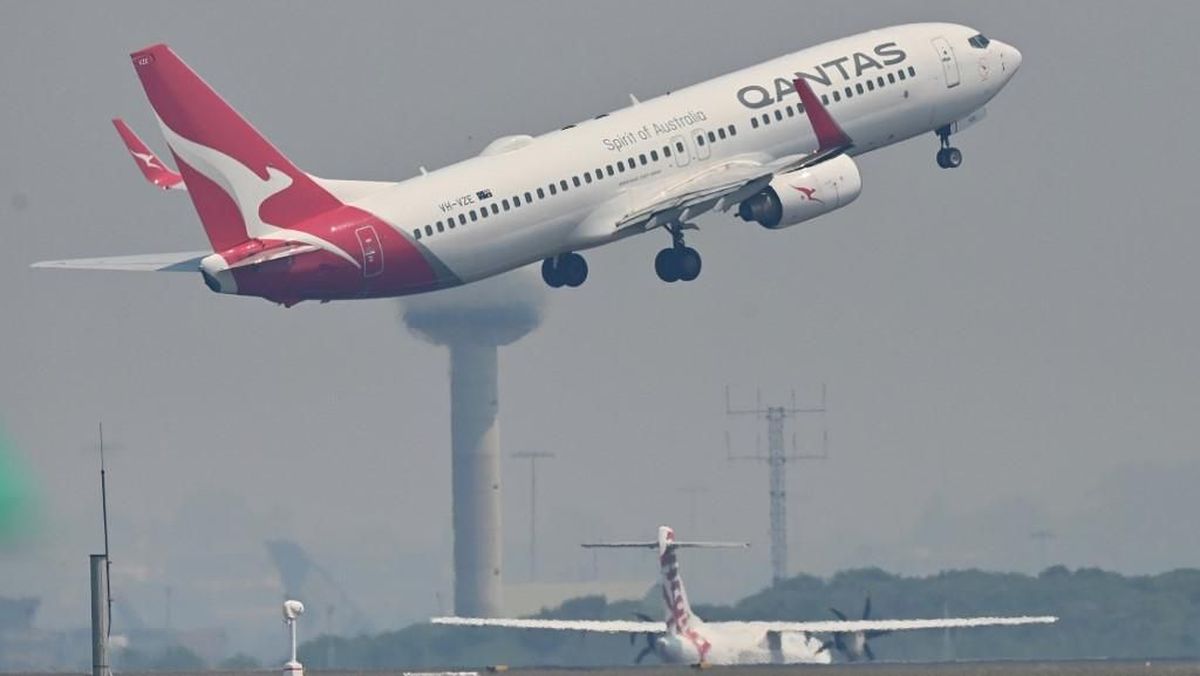
A Qantas international flight bound for Dallas, Texas, was forced to make an emergency landing in Papeete, French Polynesia, on Friday, May 15, 2026, after a male passenger became violently disruptive, culminating in an assault on a flight attendant. The incident, which occurred mid-flight over the Pacific Ocean, necessitated the diversion to ensure the safety and security of all passengers and crew.
The Qantas aircraft, identified as flight QF16 from Melbourne to Dallas, was en route when the passenger’s behavior escalated. According to reports from Australian media outlet ABC, the passenger began to cause a disturbance while the plane was traversing the vast expanse of the Pacific. Fellow passengers, recognizing the potential danger, intervened and attempted to restrain the unruly individual.
However, before the situation could be fully contained, the agitated passenger reportedly bit one of the Qantas cabin crew members who was attending to the unfolding crisis. This act of aggression immediately heightened concerns for the well-being of everyone on board.
Upon making its unscheduled landing in Papeete, the capital of French Polynesia, local law enforcement officers boarded the aircraft. They promptly took the alleged assailant into custody, initiating legal proceedings. The incident underscores the ongoing challenges faced by airlines in managing disruptive passenger behavior, a phenomenon that has seen a global increase in recent years.
Qantas has responded decisively to the incident, imposing a permanent no-fly ban on the individual involved. This severe sanction reflects the airline’s stringent stance on passenger conduct during flights.
Timeline of Events
The disruptive incident unfolded as follows:
- Friday, May 15, 2026: Qantas flight QF16 departs from Melbourne, Australia, with Dallas, USA, as its destination.
- Mid-flight over the Pacific Ocean: A male passenger begins exhibiting aggressive and disruptive behavior.
- Passenger Intervention: Other passengers attempt to subdue the disruptive individual.
- Assault on Crew: The passenger reportedly bites a flight attendant during the altercation.
- Decision to Divert: The flight captain makes the decision to divert the aircraft due to the unsafe cabin environment.
- Emergency Landing: The Qantas flight lands at Faa’a International Airport (PPT) in Papeete, French Polynesia.
- Law Enforcement Intervention: Local police board the aircraft and apprehend the passenger.
- Passenger Removal and Detainment: The disruptive passenger is removed from the plane and taken into custody for further investigation and potential charges.
- Flight Resumption (Post-Investigation): After the necessary procedures in Papeete are completed, the flight is expected to resume its journey to Dallas, though a revised schedule and potential impact on arrival times are yet to be detailed.
- Qantas Statement and Sanctions: Qantas issues a statement emphasizing its commitment to safety and announces a permanent no-fly ban for the individual involved. The incident is reported by media outlets on Sunday, May 17, 2026.
Background and Context: Disruptive Passenger Behavior in Aviation
The incident on Qantas flight QF16 is not an isolated event. Disruptive passenger behavior, often referred to as "unruly passenger incidents," has become a growing concern for the global aviation industry. These incidents can range from verbal abuse and non-compliance with crew instructions to physical altercations and, in rare but serious cases, assaults on crew members or other passengers.
Factors contributing to such behavior are varied and can include:
- Alcohol and Substance Consumption: Excessive consumption of alcohol, particularly before and during flights, is frequently cited as a major contributing factor.
- Mental Health Issues: Underlying mental health conditions can sometimes manifest in unpredictable and aggressive behavior.
- Travel Stress and Anxiety: Long flights, cramped conditions, and the general stress associated with air travel can exacerbate pre-existing anxieties or trigger acute reactions in some individuals.
- Cultural or Communication Barriers: Misunderstandings arising from language differences or cultural norms can sometimes lead to friction.
- Pre-existing Personal Conflicts: While less common on international flights with strangers, personal disputes can sometimes escalate.
Airlines and aviation authorities worldwide have been implementing stricter measures to combat this issue. These include enhanced training for cabin crew in de-escalation techniques, increased penalties for offenders, and greater cooperation with law enforcement agencies. International bodies like the International Air Transport Association (IATA) have been advocating for a unified global approach to address unruly passenger incidents, aiming for consistent legal frameworks and enforcement across different jurisdictions.
The International Civil Aviation Organization (ICAO) has also been actively involved, with the Montreal Convention of 1970 and its subsequent protocols providing a legal framework for dealing with offenses committed on board aircraft. However, the practical application and enforcement of these regulations can vary significantly between countries.
Qantas’s Commitment to Safety and Zero Tolerance Policy
In its official statement, Qantas reiterated its unwavering commitment to the safety and security of its passengers and crew. "The safety of our customers and crew is our number one priority. We have a zero tolerance policy for disruptive or threatening behavior on our flights," a spokesperson for Qantas stated. This declaration underscores the airline’s proactive approach to maintaining a secure and comfortable travel environment.
The imposition of a permanent no-fly ban is a significant punitive measure. It signifies that the individual will be barred from flying with Qantas indefinitely, sending a strong message to potential offenders. This policy aims to deter future acts of aggression and ensure that those who pose a risk to flight safety are held accountable.
Broader Impact and Implications
The diversion of flight QF16 has several implications:
- Passenger Inconvenience: Passengers on board experienced significant delays and disruptions to their travel plans. The unscheduled stop in Papeete likely led to reassignments of onward travel, accommodation arrangements, and potential missed connections or appointments in Dallas.
- Operational Costs: Emergency diversions incur substantial operational costs for airlines, including fuel, landing fees, crew duty time limitations, and the logistical challenges of re-routing and accommodating passengers.
- Reputational Impact: While Qantas’s decisive action in diverting and banning the passenger demonstrates a commitment to safety, such incidents can, however briefly, impact public perception. The airline’s swift and firm response is crucial in mitigating any negative reputational fallout.
- Legal Ramifications: The passenger apprehended in Papeete faces potential legal charges in French Polynesia, which could include assault, endangering an aircraft, or other offenses depending on the specific laws of the territory. These proceedings could also have implications for their ability to travel internationally in the future.
- Industry-Wide Awareness: Such incidents serve as a stark reminder to the entire aviation industry of the importance of robust protocols for managing disruptive passenger behavior and the need for continued collaboration among airlines, airports, and law enforcement agencies.
The incident highlights the complex interplay between passenger rights, crew safety, and the operational realities of air travel. While airlines strive to provide a seamless experience, the unpredictable nature of human behavior necessitates stringent measures and a clear commitment to enforcing safety standards. Qantas’s handling of this situation, from the emergency diversion to the permanent ban, aligns with the industry’s increasing focus on ensuring that the skies remain a safe space for all.