Lusiana Hamidun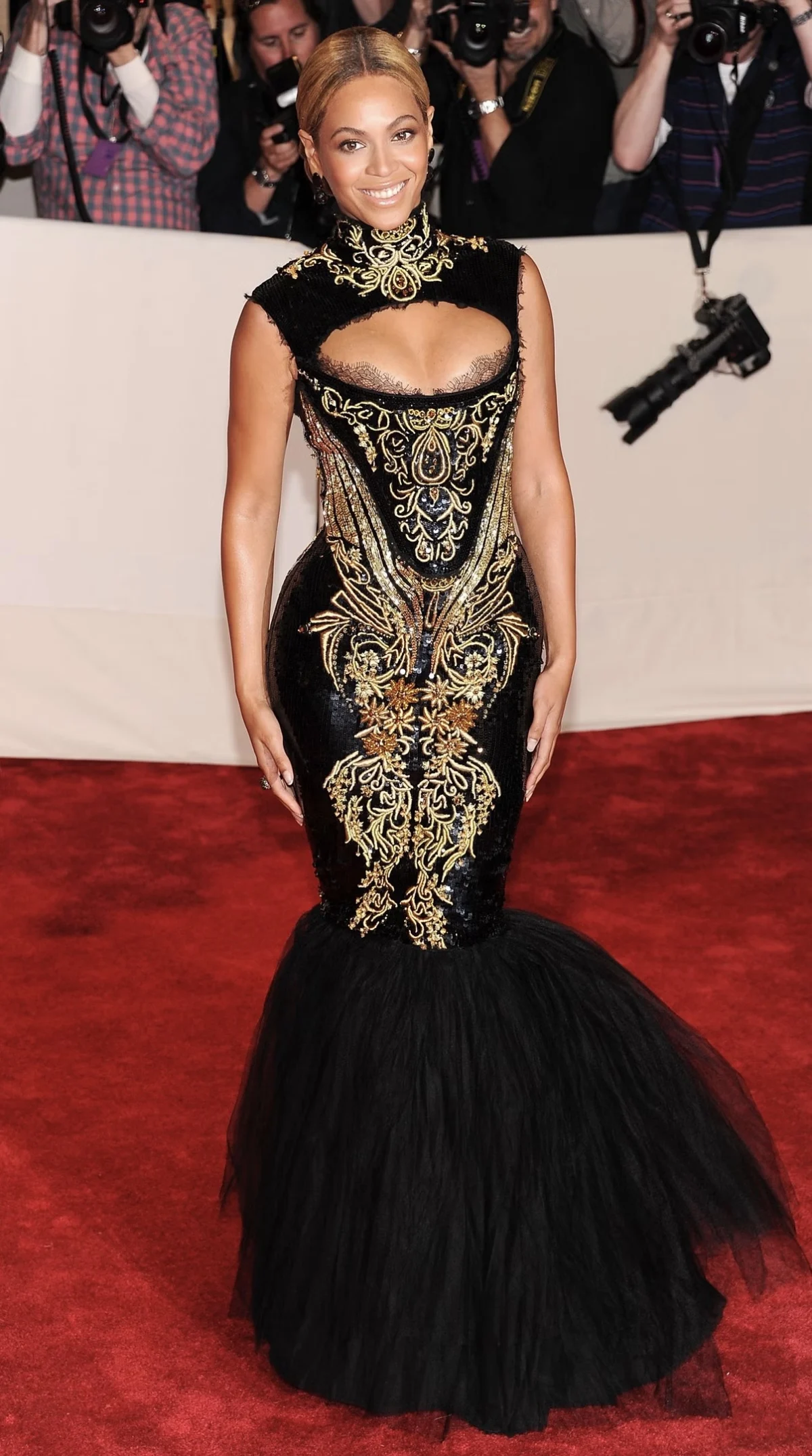
The first Monday in May, a date circled on the calendars of fashion aficionados worldwide, marks the return of a sartorial icon to the hallowed steps of the Metropolitan Museum of Art. Beyoncé Knowles-Carter, a titan of the music industry and a consistent presence in the fashion elite, is set to grace the Met Gala once again, concluding a ten-year hiatus from fashion’s most celebrated evening. Her highly anticipated reappearance is not merely as a guest but as a distinguished co-chair for the 2026 Met Gala, an honor that underscores her profound influence on the cultural landscape. This year’s event will celebrate the Costume Institute’s latest exhibition, "Costume Art," a theme that promises to ignite creativity and push the boundaries of fashion expression. Alongside fellow co-chairs Nicole Kidman and Venus Williams, Beyoncé’s presence signifies a momentous occasion, drawing parallels to her near-constant attendance in previous years.
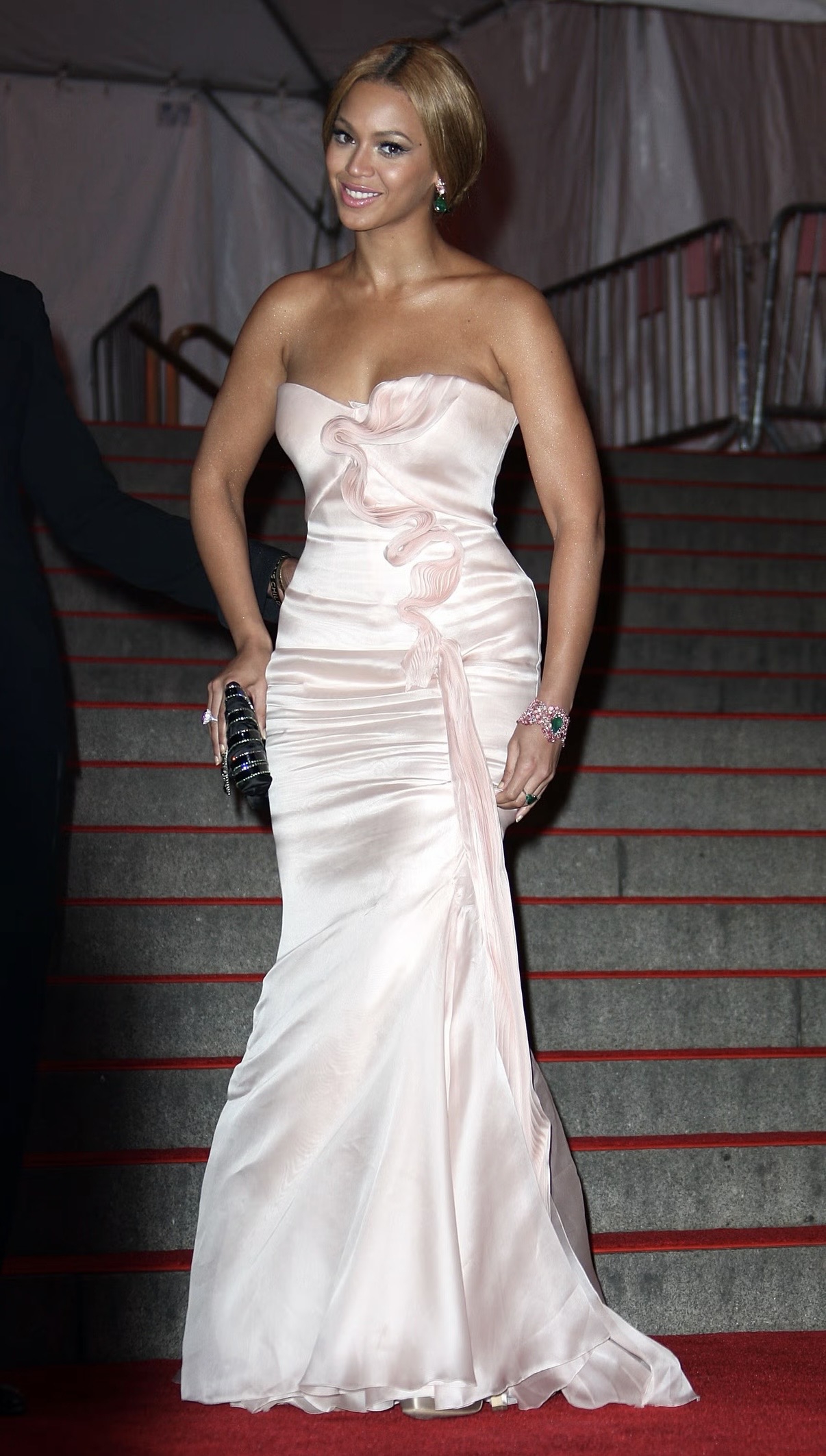
Beyoncé’s official Met Gala debut occurred in 2008, a period preceding the seismic success of her third studio album, "I Am… Sasha Fierce," which would soon dominate music charts globally. The theme for that inaugural appearance was "Superheroes: Fashion and Fantasy." For this momentous occasion, she selected a romantic, strapless Armani Privé gown in a delicate blush pink, distinguished by its sculptural, pleated ruffle detailing. This choice immediately set a precedent for her Met Gala appearances: a blend of classic elegance with avant-garde flair, often making bold statements that resonated with the year’s theme.
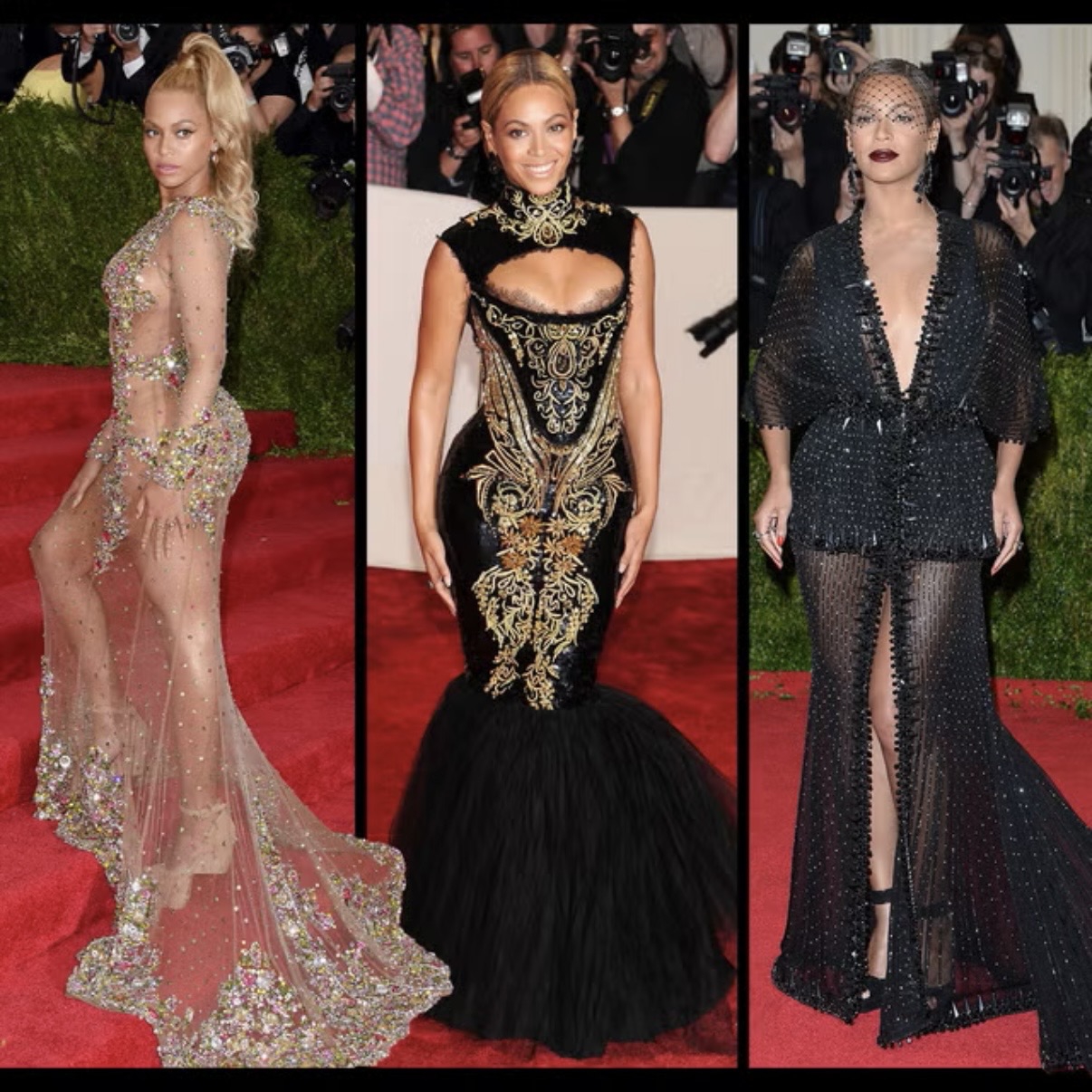
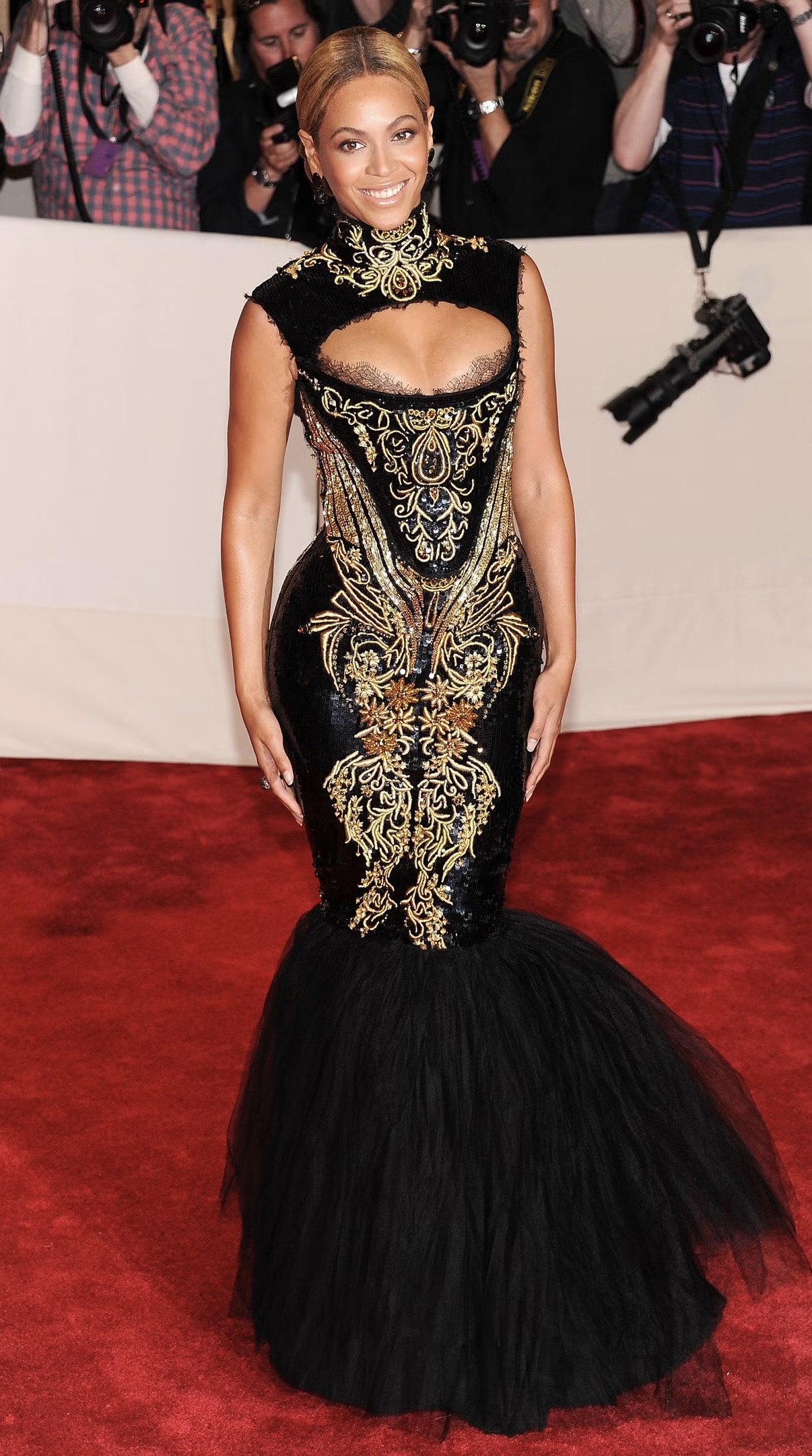
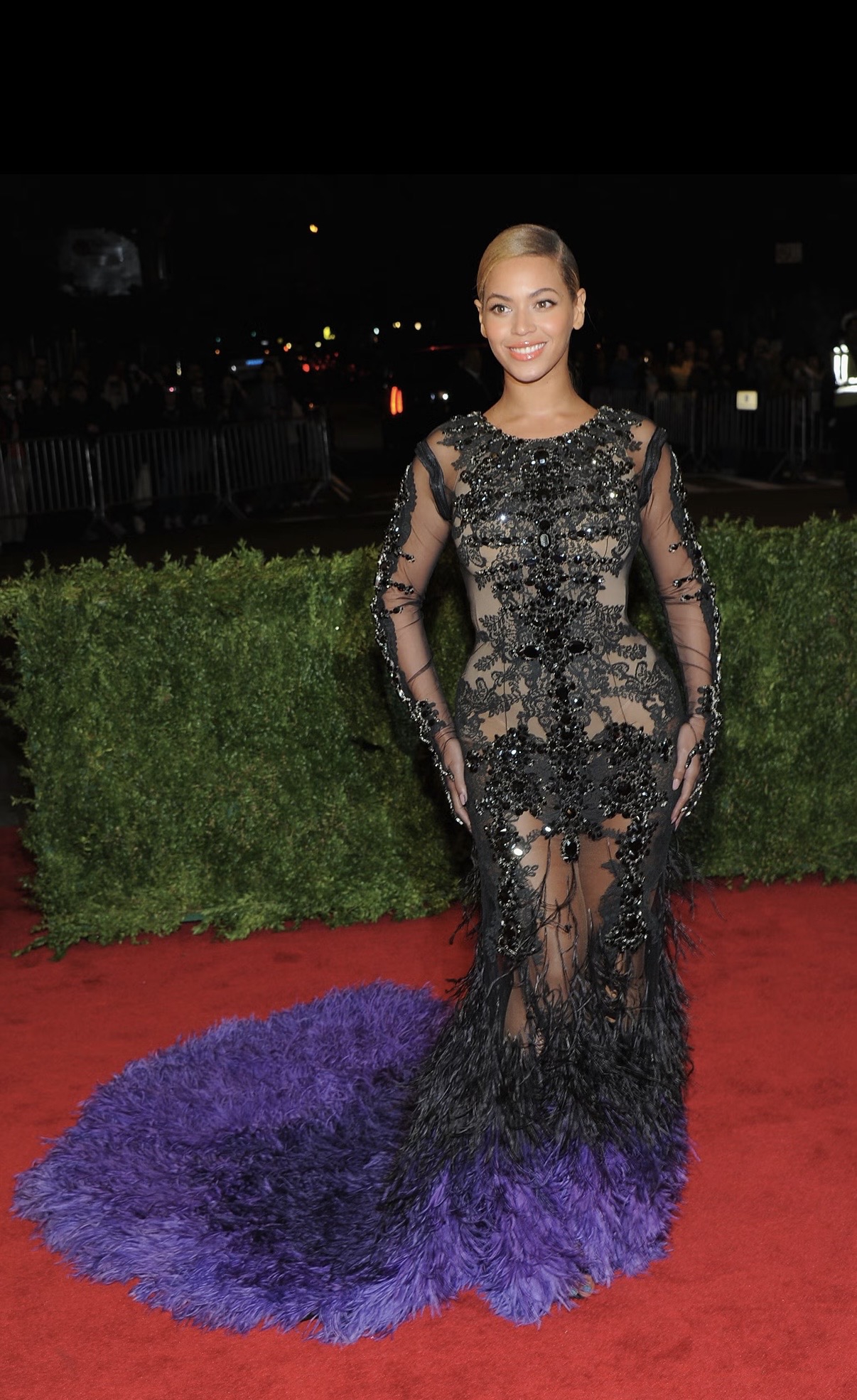
Following her debut, Beyoncé embarked on a remarkable streak, attending six consecutive Met Galas from 2011 to 2016. This period solidified her status as a Met Gala fixture, with each appearance meticulously crafted and eagerly anticipated. Her attendance in 2011 coincided with the exhibition "Alexander McQueen: Savage Beauty," where she captivated onlookers in an intricately designed black Emilio Pucci gown, adorned with gold embellishments and a striking mermaid silhouette. The following year, for "Schiaparelli and Prada: Impossible Conversations," she donned a long-sleeved black gown by Riccardo Tisci for Givenchy, featuring elaborate beadwork and a dramatic purple feather train.
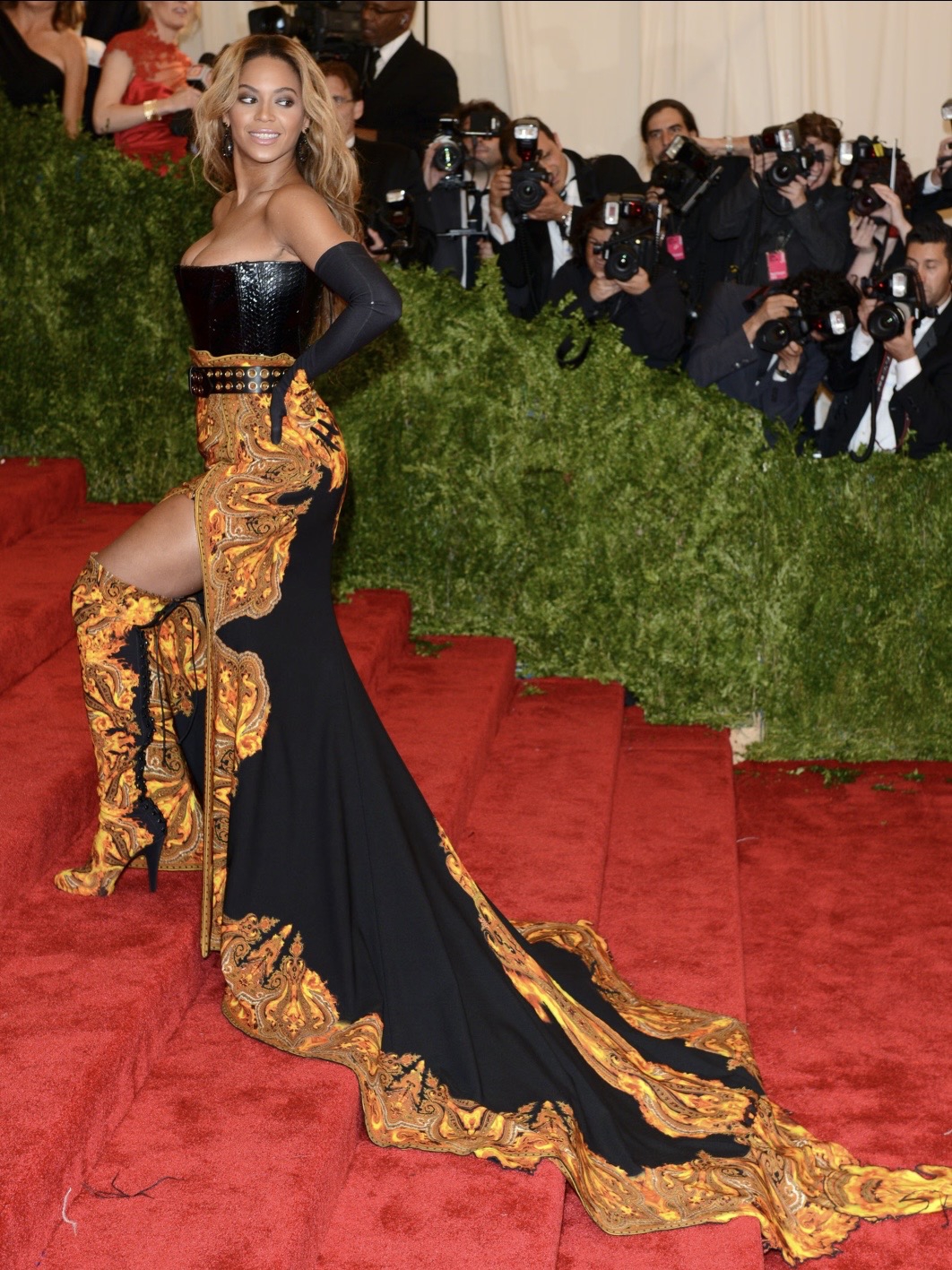
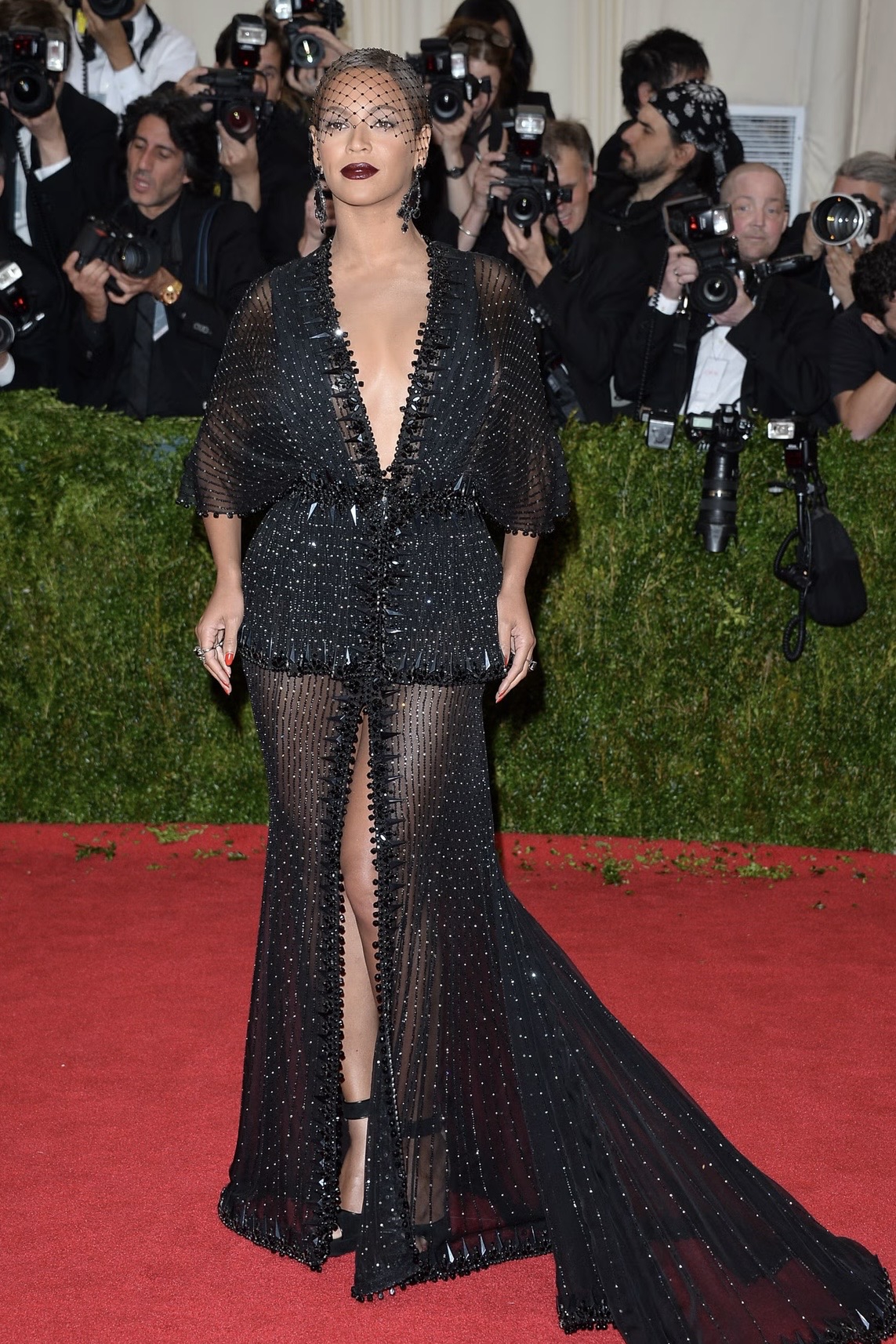
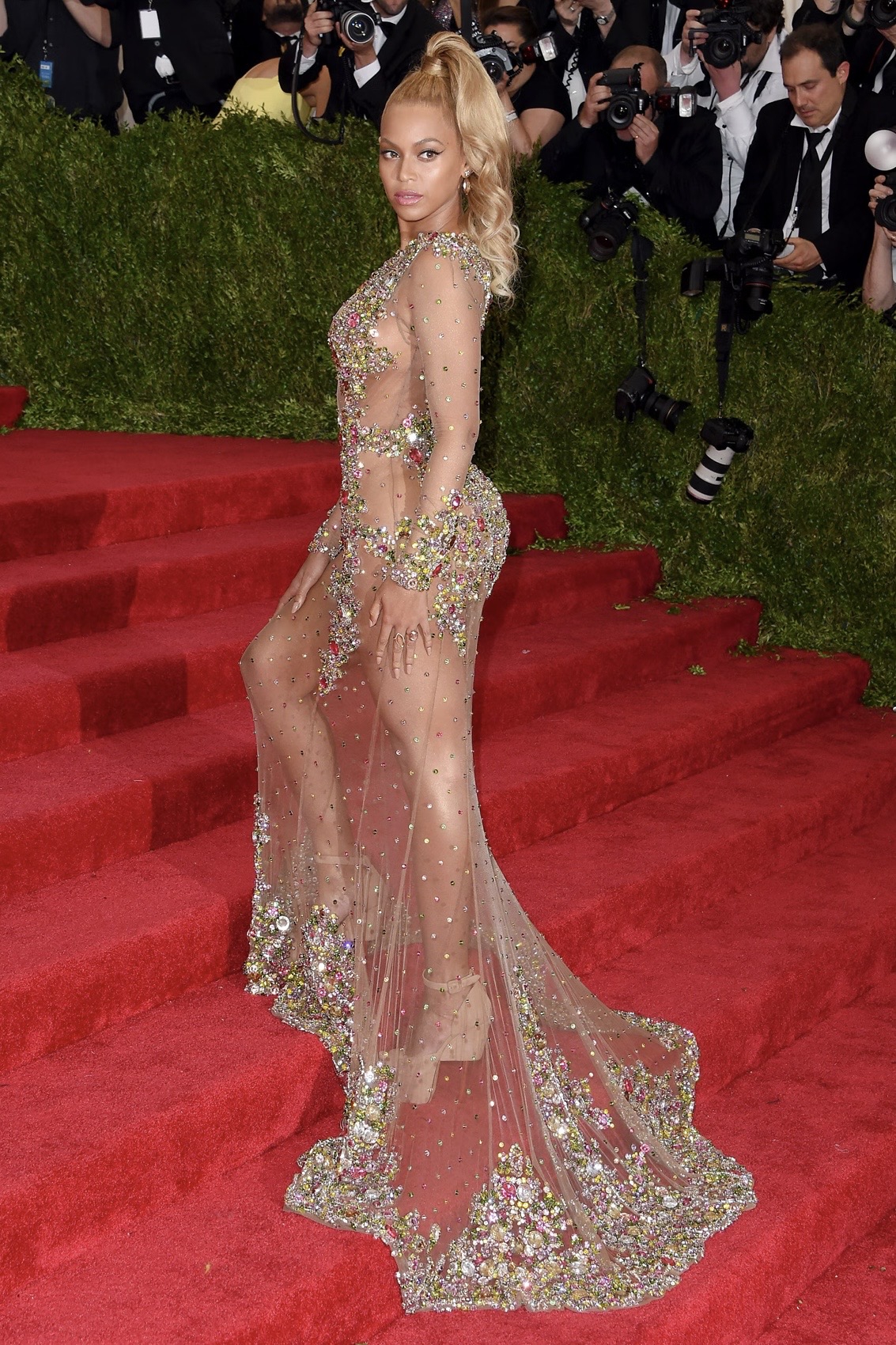
The "Punk: Chaos to Couture" theme in 2013 saw Beyoncé embrace the rebellious spirit of the era with another show-stopping Givenchy creation, also by Tisci. This ensemble featured a strapless black gown accented with fiery gold details, complemented by matching gloves and boots, a bold interpretation of punk aesthetics. In 2014, for "Charles James: Beyond Fashion," she opted for a semi-sheer black Givenchy gown, heavily embellished with beads and a delicate veil, a look that stylist Ty Hunter revealed was an homage to the legendary Diana Ross. The year 2015’s "China: Through the Looking Glass" exhibition inspired a sheer Givenchy gown by Tisci, featuring intricate jewel embellishments and an alluring open-back design. Her streak concluded in 2016 with "Manus x Machina: Fashion in an Age of Technology," where she made a memorable entrance in a custom Givenchy latex gown. This particular creation, characterized by voluminous puff sleeves and a subtle floral motif, was further enhanced with pearl accents, a sophisticated nod to the technological and artisanal fusion at the heart of the exhibition.
The Met Gala, officially known as the Costume Institute Gala, is an annual fundraising event held in support of the Metropolitan Museum of Art’s Costume Institute in New York City. Established in 1948, it has evolved into a premier event in the fashion calendar, drawing celebrities, designers, and fashion industry luminaries from across the globe. The event serves as the grand opening for the Costume Institute’s annual fashion exhibition, with each year’s gala adhering to a specific theme that dictates the dress code for attendees. The gala is renowned for its exclusivity, with ticket prices reaching tens of thousands of dollars, making it one of the most exclusive and high-profile social events in the United States. The choice of co-chairs often reflects individuals who embody the spirit of the exhibition or possess significant cultural standing. Beyoncé’s selection as co-chair for "Costume Art" is a testament to her enduring impact on fashion and her ability to command attention on a global stage.
Beyoncé’s consistent engagement with the Met Gala over the years highlights her sophisticated understanding of fashion as a form of artistic expression and cultural commentary. Her choices have consistently been aligned with the thematic nuances of each exhibition, showcasing her ability to interpret and embody diverse sartorial narratives. The transition from a celebrated guest to a co-chair signifies a new chapter in her relationship with the event, placing her in a position of influence and leadership within its prestigious framework.
The history of the Met Gala is replete with iconic fashion moments, and Beyoncé has been responsible for many of them. Her return this year, after a decade-long absence from the red carpet, is particularly significant. The intervening years have seen her evolution as an artist, with her music and visual albums consistently pushing creative boundaries and exploring themes of identity, power, and cultural heritage. This artistic growth is often reflected in her fashion choices, making her return to the Met Gala a highly anticipated event that promises to deliver yet another unforgettable fashion statement.
A Chronological Journey Through Beyoncé’s Met Gala Milestones
2008: The Debut – "Superheroes: Fashion and Fantasy"
Beyoncé made her grand entrance in a soft blush pink Armani Privé gown. The strapless design featured a romantic silhouette accentuated by meticulously pleated ruffles, creating a sculptural effect that was both elegant and subtly powerful. This debut set a tone of refined glamour for her subsequent appearances.
2011: McQueen’s Muse – "Alexander McQueen: Savage Beauty"
For the tribute to Alexander McQueen, Beyoncé chose a black Emilio Pucci gown. The form-fitting mermaid silhouette was elevated by striking gold embellishments, a fittingly dramatic choice for an exhibition celebrating the late designer’s bold aesthetic.
2012: A Vision in Givenchy – "Schiaparelli and Prada: Impossible Conversations"
In a striking black gown designed by Riccardo Tisci for Givenchy, Beyoncé embraced a more avant-garde direction. The long-sleeved creation was adorned with intricate beadwork and finished with a dramatic purple feather train, showcasing a daring and luxurious interpretation of the theme.
2013: Punk Rock Royalty – "Punk: Chaos to Couture"
Embracing the rebellious spirit of punk, Beyoncé wore another custom Givenchy by Riccardo Tisci. This strapless black gown featured bold gold accents, a defiant and glamorous interpretation of punk fashion, paired with matching gloves and boots that amplified the edgy aesthetic.
2014: A Nod to Icons – "Charles James: Beyond Fashion"
For the Charles James retrospective, Beyoncé opted for a sophisticated Givenchy creation by Tisci. The semi-sheer black gown was intricately embellished with beads and featured a delicate veil, a deliberate stylistic choice that paid homage to the iconic style of Diana Ross, as confirmed by her stylist.
2015: Sheer Elegance – "China: Through the Looking Glass"
Beyoncé continued her collaboration with Givenchy and Tisci, appearing in a breathtaking sheer gown. Adorned with elaborate jewel embellishments and featuring a striking open-back design, the dress was a masterclass in alluring sophistication, perfectly capturing the opulent and intricate nature of the exhibition’s theme.
2016: The Latex Statement – "Manus x Machina: Fashion in an Age of Technology"
In what would be her last Met Gala appearance for a decade, Beyoncé donned a custom Givenchy latex gown. The dramatic puff sleeves and subtle floral motifs, accented with pearls, provided a compelling visual dialogue with the exhibition’s exploration of fashion’s intersection with technology and craftsmanship. This appearance was a powerful statement of her ability to command attention and interpret complex themes through fashion.
The Significance of "Costume Art" and Beyoncé’s Role
The theme "Costume Art" for the 2026 Met Gala is particularly resonant with Beyoncé’s own artistic journey. Throughout her career, she has consistently utilized fashion as a powerful storytelling tool, infusing her visual presentations with rich cultural references and symbolic meaning. Her visual albums, such as "Lemonade," are celebrated for their elaborate costumes that explore themes of Black womanhood, heritage, and resilience. This deep understanding of costume as an art form positions her perfectly as a co-chair for an exhibition that aims to elevate fashion to the realm of fine art.
Her role as co-chair, alongside esteemed figures like Nicole Kidman, an Oscar-winning actress known for her elegant red carpet presence, and Venus Williams, a legendary athlete who has also become a fashion entrepreneur, suggests a curated approach to the event. This diverse group of co-chairs indicates a desire to represent various facets of the creative and cultural industries, all united by their appreciation for the transformative power of fashion.
Broader Implications and Future Outlook
Beyoncé’s return to the Met Gala after a decade-long absence is more than just a celebrity appearance; it signifies a potent cultural moment. Her influence extends far beyond the music charts, shaping trends and inspiring conversations across fashion, art, and social commentary. As co-chair, her involvement is likely to amplify the gala’s reach and impact, potentially drawing in a wider audience to appreciate the Costume Institute’s work.
The "Costume Art" exhibition, with Beyoncé at its helm, has the potential to be a landmark event, further solidifying the Met Gala’s position as a pivotal platform for discussing fashion’s artistic merit and its profound connection to broader cultural narratives. Her presence is a powerful endorsement of the Costume Institute’s mission and a clear indication that her impact on the fashion world is far from over. The anticipation for her 2026 appearance is palpable, with many eager to witness how she will interpret the "Costume Art" theme and what sartorial statement she will make as she once again graces the iconic steps of the Metropolitan Museum of Art.