Tata Titiana
Indonesia’s tourism landscape is intrinsically linked to the legacy of Dutch colonial rule. The opening of the Suez Canal in the mid-19th century significantly boosted maritime trade, leading to increased European presence in the archipelago. By the late 19th and early 20th centuries, this maritime activity evolved to include leisure travel, with passenger ships bringing affluent white tourists to explore the exotic Indonesian islands. To cater to this burgeoning tourist influx, the Dutch East Indies administration and private entrepreneurs embarked on constructing a series of hotels, many of which have endured to this day, standing as silent witnesses to Indonesia’s rich and complex history. These establishments, far from being mere relics, continue to operate, offering a unique blend of historical charm and modern hospitality.
The early development of tourism in Indonesia is often marked by the construction of these grand hotels, particularly on the island of Java. While many contemporary travelers may be unaware, a surprising number of these colonial-era establishments remain operational, preserving architectural styles and stories from a bygone era. This article delves into some of these remarkable hotels, exploring their historical significance, architectural heritage, and their continued role in Indonesia’s vibrant tourism sector.
Echoes of Empire: Historic Hotels Shaping Indonesian Tourism
The enduring presence of these hotels underscores a pivotal period in Indonesian history, one that shaped not only its infrastructure but also its initial engagement with international tourism. The Dutch colonial administration, through its infrastructure development policies, laid the groundwork for modern hospitality in the archipelago. These hotels were not just places of accommodation; they were symbols of colonial power, social hubs for the European elite, and, inadvertently, the genesis of the nation’s tourism industry.
Hotel Indonesia Kempinski: A Grand Dame of Jakarta’s Hospitality
Standing as a proud icon in the heart of Jakarta, the Hotel Indonesia Kempinski holds a special place in the nation’s hospitality history. It was inaugurated in 1962, not as a typical commercial venture, but as a grand gesture for the IV Asian Games held in Jakarta. Its construction was a significant undertaking, intended to showcase Indonesia’s burgeoning modernity on an international stage. The hotel’s development was reportedly funded in part by assets seized from the Japanese during the post-World War II period, adding another layer to its historical narrative.
Upon its opening, Hotel Indonesia was hailed as the first five-star luxury accommodation in Indonesia and was, for a considerable period, the tallest building in Jakarta. This ambition to create a world-class facility was evident in its design and amenities, reflecting the aspirations of a newly independent nation eager to assert its presence.
In a poignant full-circle moment, in 2020, the hotel once again hosted royalty, this time from the Netherlands. During their state visit, King Willem-Alexander and Queen Máxima of the Netherlands stayed at the Hotel Indonesia Kempinski, choosing its most distinguished suites, reportedly equipped with bulletproof glass, a testament to the hotel’s continued capacity to accommodate high-profile guests with utmost security and luxury. This visit symbolically linked the past and present, with the descendants of the former colonial rulers staying in a hotel that embodies Indonesia’s post-colonial progress.
The hotel has undergone extensive renovations and rebranding over the years, eventually becoming part of the Kempinski Hotels group. Despite these modernizations, its foundational grandeur and historical significance remain palpable, offering guests a unique opportunity to stay within walls that have witnessed decades of Indonesian history.
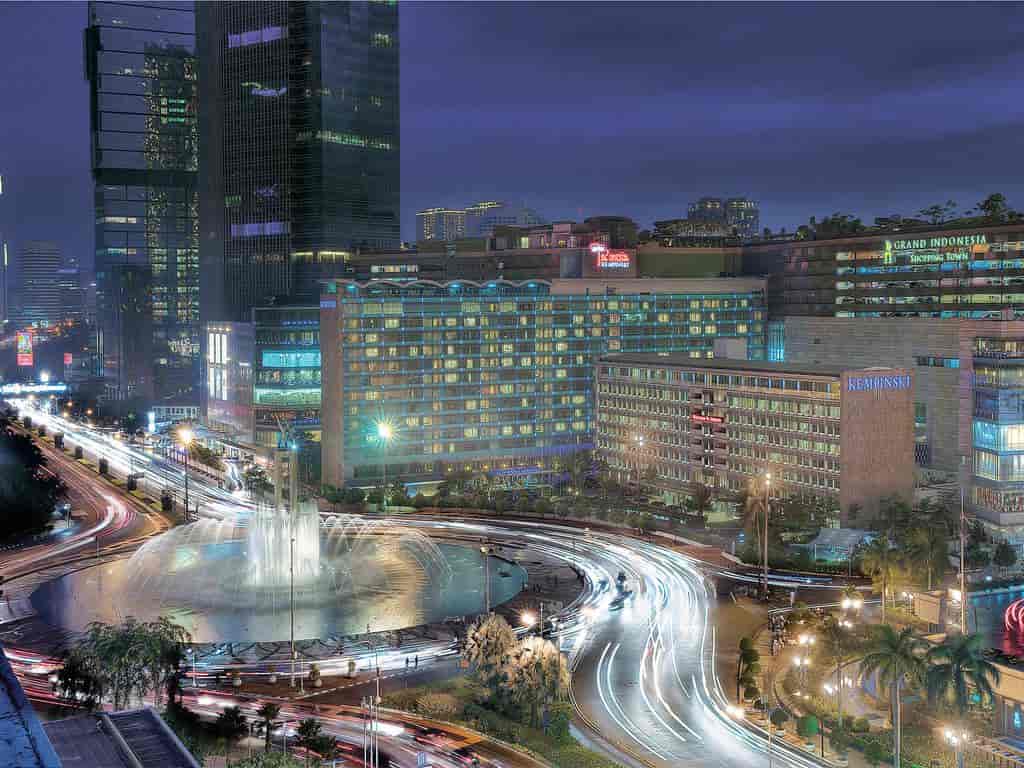
- Key Historical Context: Built for the 1962 Asian Games, symbolizing post-independence development and international ambition.
- Architectural Significance: Once the tallest building in Jakarta, representing a modern architectural statement of the era.
- Notable Guests: Hosted royalty, including King Willem-Alexander and Queen Máxima of the Netherlands during their 2020 state visit.
- Current Status: Operates as a luxury five-star hotel, part of the global Kempinski brand, blending historical legacy with contemporary luxury.
Hotel Majapahit Surabaya: A Crucible of Indonesian Independence
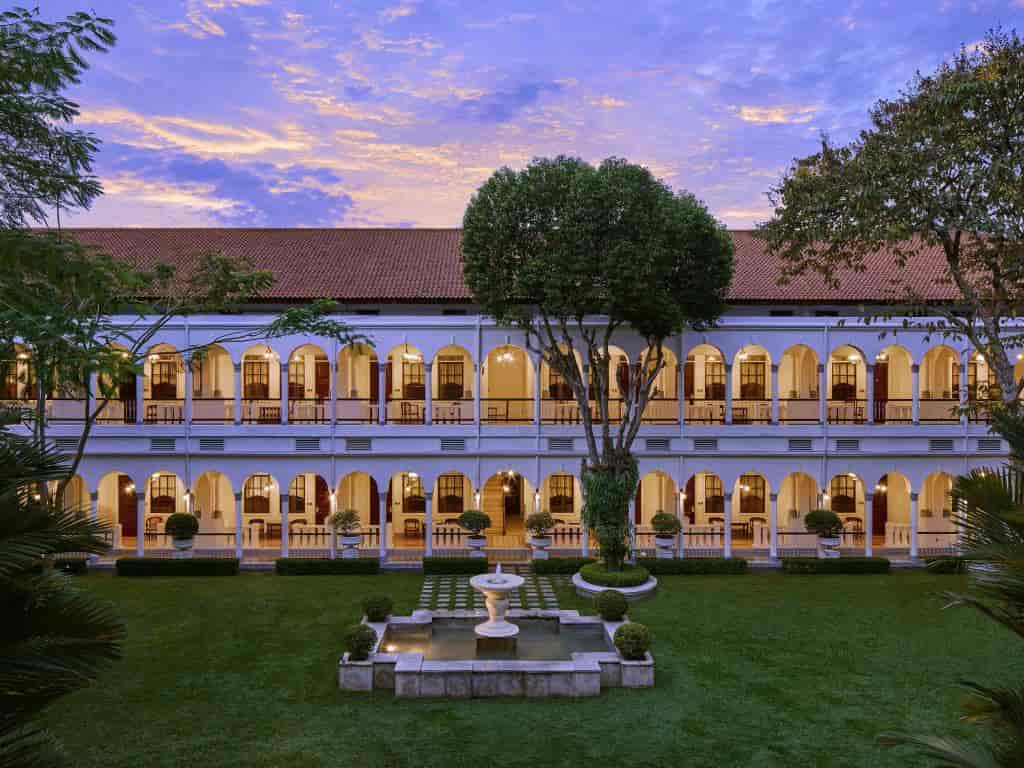
The Hotel Majapahit in Surabaya is more than just a historic hotel; it is a living monument to a pivotal moment in Indonesia’s struggle for independence. Established in 1910 by the Sarkies Brothers, Armenian hoteliers who also established the famed Raffles Hotel in Singapore, it was originally named Hotel Oranje. During the Japanese occupation, its name was changed to Hotel Yamato.
Its most significant historical contribution occurred in September 1945, shortly after Indonesia’s declaration of independence. In the aftermath of the Allied forces’ arrival in Surabaya, a group of Dutch sailors unfurled the Dutch flag atop the hotel. In a defiant act of patriotism, Indonesian youth stormed the hotel and tore off the blue strip of the Dutch flag, leaving only the red and white – the colors of the Indonesian flag. This act of symbolic rebellion, known as the "Battle of Surabaya," ignited widespread resistance and is commemorated as a crucial event in the Indonesian National Revolution.
The hotel’s architecture itself reflects the colonial era, with its grand façade and elegant interiors. Over the decades, it has been known by various names, each reflecting the changing political landscape of Indonesia. Today, as Hotel Majapahit Surabaya, it stands as a proud heritage hotel, meticulously preserved to honor its past. Visitors can still experience the ambiance of early 20th-century luxury while being immersed in the historical narrative of the nation’s fight for freedom.
- Founding: Established in 1910 by the Sarkies Brothers as Hotel Oranje.
- Name Changes: Renamed Hotel Yamato during the Japanese occupation.
- Key Historical Event: Site of the "Battle of Surabaya" in 1945, where the blue stripe of the Dutch flag was torn off, symbolizing the defiance against Dutch recolonization.
- Architectural Style: Exemplifies colonial-era architecture with Art Deco influences.
- Current Role: Operates as a heritage hotel, offering guests a journey back in time and a connection to Indonesia’s independence struggle.
Royal Ambarukmo Yogyakarta: A Royal Legacy in the Cultural Heart of Java
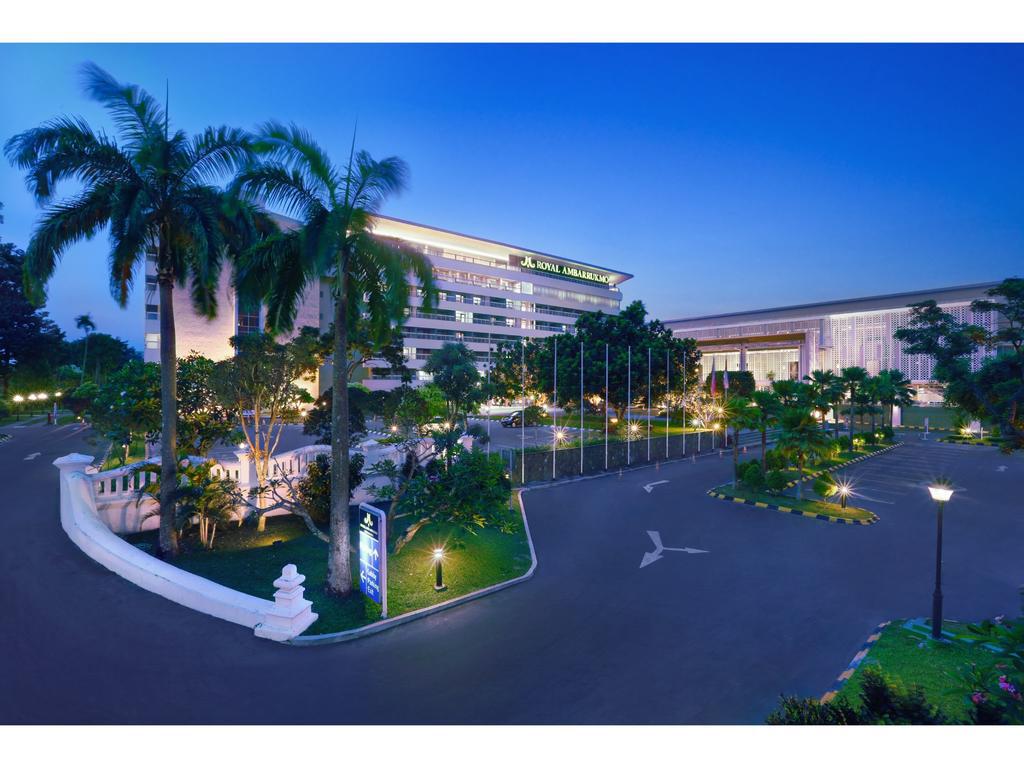
Nestled in Yogyakarta, the cultural epicenter of Java, the Royal Ambarukmo embodies a unique fusion of royal heritage and international hospitality. Originally a palace belonging to Sultan Hamengku Buwono V, the building was transformed into a hotel and opened to the public in 1966. This transformation was part of President Sukarno’s vision to promote Indonesia’s tourism potential on a global scale, designating it as one of the first four international-class hotels in the country.
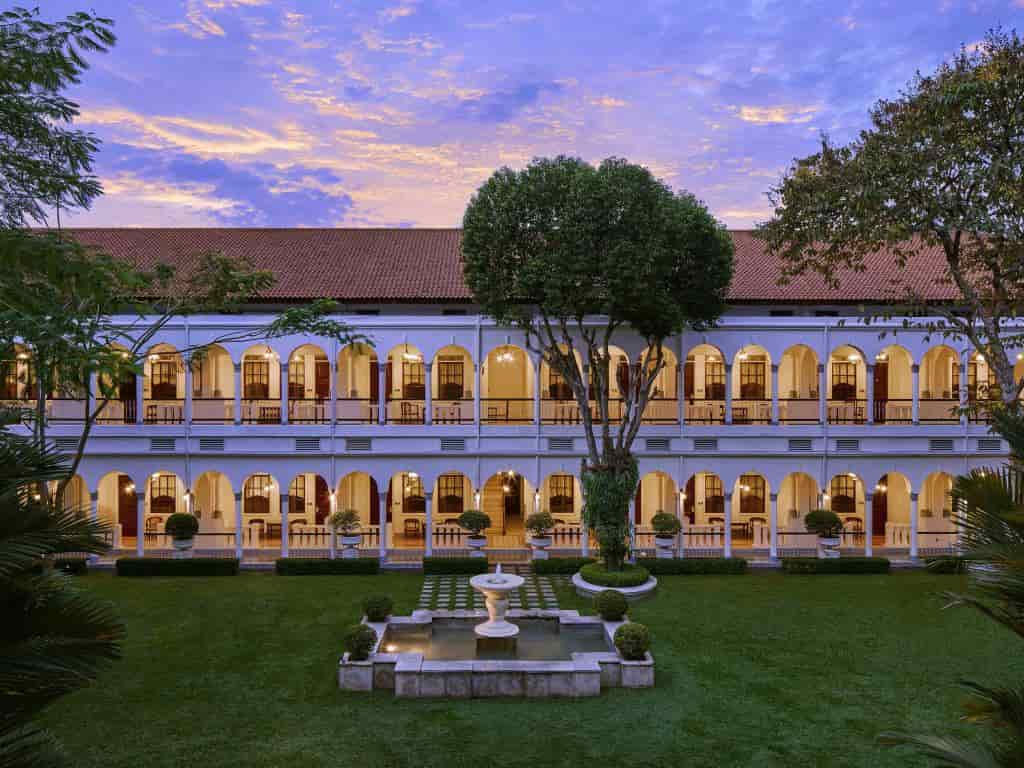
The hotel’s strategic location on Jalan Laksda Adisucipto places it in close proximity to many of Yogyakarta’s key attractions, including the Adisucipto International Airport. Its establishment as a five-star hotel marked a significant step in elevating Yogyakarta’s status as a premier tourist destination, offering sophisticated amenities and services that catered to discerning international travelers.
The Royal Ambarukmo’s heritage as a former royal residence imbues it with a distinct ambiance. Guests can experience the grandeur of Javanese royalty while enjoying modern luxury facilities. The hotel’s design and its integration into the broader cultural landscape of Yogyakarta make it a significant landmark, preserving both architectural heritage and royal tradition.
- Origin: Originally a palace of Sultan Hamengku Buwono V.
- Transformation: Converted into a hotel and opened in 1966.
- Presidential Initiative: Part of President Sukarno’s program to develop international tourism infrastructure.
- Designation: One of the first four international-class hotels in Indonesia.
- Current Offering: A five-star hotel blending royal heritage with modern luxury, located in the cultural heart of Yogyakarta.
Hotel Savoy Homann Bandung: Art Deco Elegance and International Acclaim
The Hotel Savoy Homann in Bandung is a testament to the elegant Art Deco design that characterized many European-influenced buildings of the early 20th century. Located on Jalan Asia-Afrika, a street that would later become historically significant for hosting the 1955 Asian-African Conference, the hotel boasts a rich history dating back to the late 19th century.
The current iconic building, with its distinctive wave-like facade inspired by the ocean, was designed by Dutch architect Albert Aalbers and completed in 1939. The Homann family, who owned the hotel, were renowned for their culinary expertise, particularly for their "rijsttafel" (rice table), a traditional Dutch-Indonesian feast.
The Hotel Savoy Homann gained international recognition not only for its architectural beauty but also for its illustrious guests. Notably, the legendary filmmaker and actor Charlie Chaplin is recorded to have stayed at the hotel. This association with international celebrities further cemented its status as a premier destination for travelers seeking comfort, style, and a touch of glamour.
The hotel’s location on Jalan Asia-Afrika also places it within a district rich with historical significance, linking its past as a colonial-era hotel to the broader narrative of Indonesia’s post-colonial identity. Today, it continues to operate as a hotel, offering guests a glimpse into the sophisticated era of Art Deco and the golden age of travel.
- Architectural Design: Iconic Art Deco building designed by Albert Aalbers, completed in 1939, featuring a distinctive ocean-wave motif.
- Culinary Heritage: Known for the Homann family’s renowned "rijsttafel."
- Notable Guest: Hosted the iconic filmmaker and actor Charlie Chaplin.
- Location Significance: Situated on Jalan Asia-Afrika, a street historically important for the 1955 Asian-African Conference.
- Enduring Appeal: Continues to operate as a hotel, preserving its Art Deco charm and historical legacy.
Inna Bali Heritage Hotel: Pioneering Luxury in the Island Paradise
The Inna Bali Heritage Hotel holds the distinction of being the first luxury accommodation established on the island of Bali. Opened on August 22, 1927, its inception coincided with the growing popularity of Bali as a tourist destination among European travelers. During this period, steamship companies like the Koninklijke Paket-vaart Maatschappij (Royal Packet Navigation Company) began offering voyages to the archipelago, bringing an increasing number of international visitors eager to explore the island’s natural beauty and unique culture.
The hotel’s establishment was a strategic move to cater to these discerning travelers, offering a level of comfort and service that was unprecedented for Bali at the time. Located in the Denpasar area, it quickly became a favored retreat for those seeking to experience the tranquility and exoticism of the island.
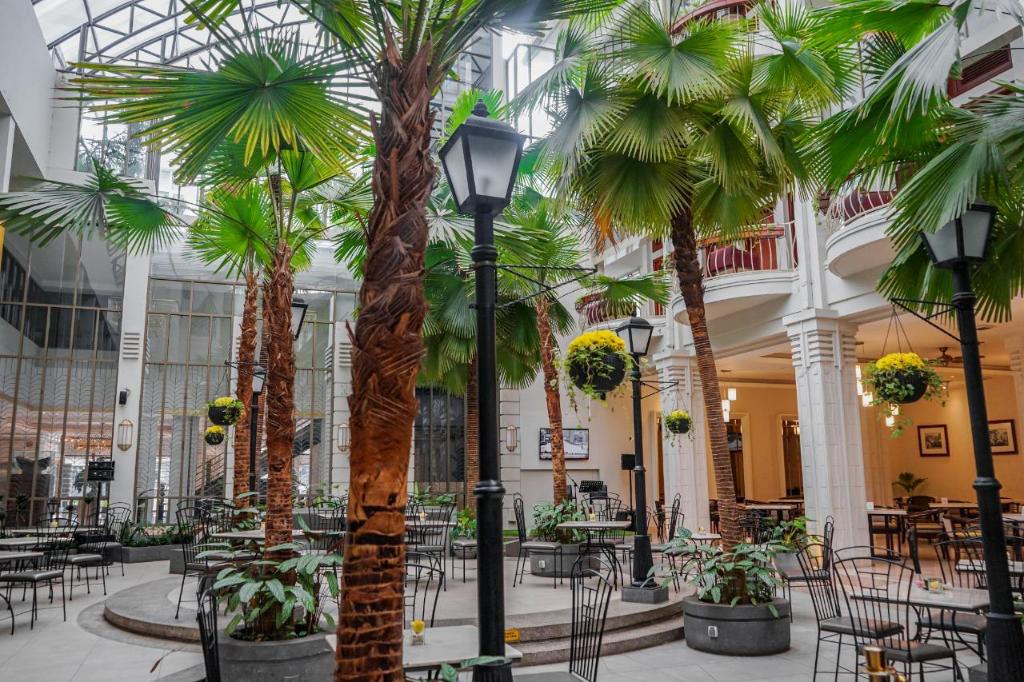
While it has since been categorized as a three-star hotel, its historical significance as a pioneer of luxury hospitality in Bali remains undisputed. Its facilities, including gardens, a restaurant, a swimming pool, and a café, were considered luxurious for its time and set a precedent for future hotel developments on the island. The Inna Bali Heritage Hotel stands as a tangible link to Bali’s early days as an international tourist hotspot, preserving a piece of the island’s historical development.
- Pioneering Status: The first luxury hotel established in Bali.
- Opening Date: August 22, 1927.
- Context of Opening: Coincided with the rise of Bali as a tourist destination for European travelers arriving by steamship.
- Location: Situated in the Denpasar area.
- Historical Significance: Represents the early development of Bali’s tourism infrastructure and its appeal to international visitors.
Preserving History, Embracing the Future
These historic hotels are more than just places to stay; they are living museums that offer a tangible connection to Indonesia’s past. Their continued operation is a testament to their enduring architectural quality, their strategic locations, and the adaptive management that has allowed them to evolve with the times while retaining their historical essence.
The pricing for stays at these hotels, as with any accommodation, can fluctuate based on factors such as peak or off-peak seasons, inflation, local tax policies, and demand. Booking during lower seasons typically offers more economical rates. It is always advisable for potential guests to verify the final pricing before confirming any reservations, ensuring a seamless and enjoyable experience steeped in history. These establishments not only provide comfortable lodging but also offer a unique educational and cultural experience, allowing guests to walk in the footsteps of history and appreciate the architectural and cultural heritage that shaped Indonesia.