Lina Irawan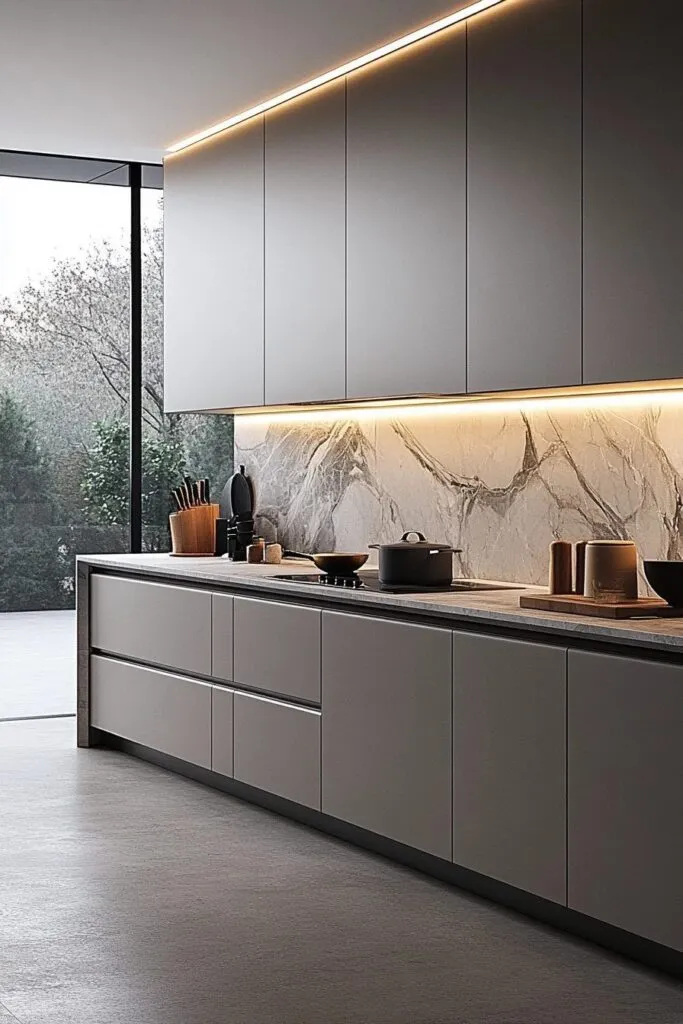
InteriorDesign.ID – In a significant shift within contemporary home design, aluminum kitchen sets are rapidly gaining prominence as the definitive choice for homeowners seeking unparalleled durability, hygiene, and longevity. This metal-based cabinetry system offers complete immunity to termites, exceptional water resistance, and complete rot-proofing, addressing critical vulnerabilities inherent in traditional kitchen materials, especially in humid tropical climates. Far from being merely utilitarian, modern aluminum kitchens feature functional designs with clean, straight lines, often without excessive ornamentation, and boast a lifespan of decades with minimal maintenance, typically requiring only an occasional wipe with a damp cloth.
The transition to aluminum is driven by a recurring narrative heard by design firms like InteriorDesign.ID: client frustrations stemming from the premature failure of engineered wood cabinets. Stories of particle board or MDF units succumbing to insidious termite infestations from within, or disintegrating due to undetected leaks from a sink, are commonplace, underscoring the pressing need for a more resilient solution.
The Harsh Realities of Indonesian Kitchens and the Material Evolution
The kitchen, often considered the heart of the home, is also its most demanding environment. It is routinely exposed to a relentless assault of water splashes, hot oils, spilled condiments, and fluctuating temperatures. Such conditions necessitate materials engineered for extreme resilience, capable of withstanding the rigors of daily use without compromise.
Experience from numerous residential projects reveals a consistent pattern: cabinets constructed from particle board or MDF typically begin to show significant signs of deterioration within three years. Common issues include peeling laminate edges on doors, loose hinges due to compromised core material, and structural weakening. The prevailing humid tropical climate further exacerbates these problems, creating an ideal breeding ground for termite colonies. Once these pests infiltrate wooden cabinets, the cost of repair or eradication can frequently rival, if not exceed, the expense of a complete kitchen renovation.
Consequently, a discernible trend has emerged among interior designers, who are increasingly moving away from engineered wood products, particularly for wet areas of the kitchen. The adoption of aluminum directly mitigates the persistent issues of rot, moisture damage, and termite infestation, providing a robust and enduring solution for the culinary space. This material pivot reflects a pragmatic response to environmental challenges and a commitment to delivering lasting value to homeowners.
Key Advantages of Aluminum Kitchen Cabinetry

The inherent properties of aluminum grant it a distinct advantage over engineered wood products, making it an ideal material for high-performance kitchen environments.
Unrivaled Termite and Pest Immunity
Termites, driven by their biological imperative to seek cellulose found in wood or paper, inherently bypass metallic structures. This fundamental characteristic means that aluminum cabinets are entirely impervious to termite attacks, offering homeowners absolute peace of mind. Even in residential areas notoriously prone to termite infestations, an aluminum-based kitchen structure will remain structurally sound and intact for decades, eliminating the financial and emotional burden of pest-related damage.
Superior Water Resistance and Rot-Proofing
The area beneath the kitchen sink is notoriously the most vulnerable point for traditional cabinetry due to frequent exposure to moisture and potential pipe leaks. Water seepage can quickly devastate engineered wood, causing it to swell, delaminate, and eventually rot, creating unhygienic conditions and structural failure. Aluminum, by its very nature, is 100% water-repellent. In the event of a pipe leak or accidental spill, any standing water can simply be wiped away with a cloth. The cabinet structure will neither absorb moisture nor foster the growth of mold or mildew, maintaining its integrity and hygiene.
Enhanced Heat and Fire Safety
The kitchen is inherently a high-risk zone for accidental fires within a home. Introducing easily combustible furniture significantly amplifies this danger. Aluminum possesses a remarkably high melting point and, crucially, does not propagate flames. Should a stray spark from a stove or a pan ignite, metallic cabinets will not act as fuel to exacerbate the blaze, thereby contributing significantly to overall household safety.
Effortless Maintenance and Optimal Hygiene
Unlike certain wood materials that may require periodic polishing or specialized cleaners to preserve their appearance, aluminum cabinets are remarkably easy to maintain. Splashes of sauce or stubborn oil stains can typically be removed with a microfiber cloth dampened with a mild dish soap solution. The non-porous and dense surface of aluminum makes it difficult for bacteria and germs to adhere, ensuring a hygienic food preparation environment, while stains are easily dislodged without leaving residues. This ease of cleaning translates into significant time savings and a consistently pristine kitchen.
Addressing Considerations of Aluminum Cabinetry
While offering numerous advantages, the adoption of aluminum as a primary kitchen material does present certain characteristics that warrant consideration, though most can be effectively mitigated with thoughtful design and quality fabrication.
Perceived Coldness and Rigidity
The inherent metallic sheen of aluminum can sometimes evoke an industrial aesthetic, which may be perceived as cold or rigid, potentially diminishing the warm, natural ambiance typically associated with real wood. However, this aesthetic challenge is readily addressed by modern design innovations. Manufacturers now offer aluminum panels clad with realistic woodgrain laminates (such as ACP woodgrain), which mimic the texture and visual warmth of natural timber. Furthermore, strategic lighting, such as installing warm white LED strip lights beneath upper cabinets, can significantly soften the overall visual impact, creating an inviting and cozy atmosphere.

Susceptibility to Denting
Thin metal sheets can be susceptible to denting if subjected to sharp, heavy impacts, such as being struck by a thick iron pot or pan. This contrasts with solid wood, which might only incur a minor scratch. To enhance durability and impact resistance, it is crucial to ensure that the vendor utilizes robust, thicker frames and employs Aluminum Composite Panels (ACP) for cabinet fronts. ACP is a composite material consisting of two aluminum sheets bonded to a non-aluminum core, offering significantly greater strength and impact resistance than standard thin aluminum sheets.
Acoustic Impact of Metal-on-Metal Sounds
The closing of metallic drawers or cabinet doors can occasionally produce a sharp, resonant sound. This acoustic issue can be effectively addressed through several design features. The installation of soft-close hinges on all doors and drawers ensures a gentle, silent closure. Additionally, incorporating small rubber bumpers or silicone pads at the inner corners of doors and drawers can further dampen any residual metallic impact sounds, promoting a quieter kitchen environment.
Higher Initial Investment
The upfront cost of fabricating an aluminum kitchen set is generally higher than that of conventional engineered wood cabinets. This initial price difference can be a point of hesitation for some consumers. However, a comprehensive cost-benefit analysis reveals a compelling long-term value proposition. An aluminum kitchen is estimated to provide 15 to 20 years of service without requiring any structural repairs or significant material replacements. When amortized over its extended lifespan, the operational and maintenance costs are substantially lower, making it a more economically sound investment in the long run.
Contemporary Design Trends in Aluminum Kitchens
Despite its inherent rigidity, aluminum is a remarkably versatile material that can be customized to suit diverse interior design preferences. Modern fabrication techniques and finishing options have expanded the aesthetic possibilities significantly.
Woodgrain ACP Finishes
This style is particularly well-suited for Japandi or Scandinavian interior themes, which emphasize natural aesthetics and minimalist functionality. The exterior panels are laminated with woodgrain patterns that often feature a subtle, embossed texture, mimicking the feel of real timber. This allows homeowners to achieve the warm, organic aesthetic of wood while benefiting from the superior durability and resilience of an aluminum frame. Pairing a light oak woodgrain finish with crisp white stone countertops, for instance, can create a visually expansive and serene kitchen space.
Sleek Black Glass or Mirror Doors
For a truly modern and sophisticated look, kitchen designs can incorporate slender aluminum frames paired with dark tinted glass or mirrored door panels. The reflective properties of glass and mirrors create an optical illusion, making even narrow galley kitchens appear twice their actual size. This elegant design choice is frequently utilized in contemporary apartment units where space optimization and a sleek, upscale aesthetic are paramount.
Sophisticated Matte Solid Colors
Matte or "doff" finishes are currently a prominent trend in interior design, lending a sophisticated and minimalist appeal. Color options such as charcoal grey, navy blue, or sage green impart a calm and refined ambiance. A significant practical advantage of matte surfaces is their resistance to visible fingerprints and smudges, maintaining a cleaner appearance. These can be elegantly complemented with brass or brushed gold hardware to amplify a sense of luxury and refined taste.

Optimizing Aluminum for Compact Kitchen Spaces
The majority of cluster homes or urban apartments feature kitchens with modest dimensions, often around 2×2 meters. Many residents express concern that the metallic nature of aluminum might make an already confined space feel even more cramped or akin to a vault.
However, the minimalist aesthetic of aluminum is inherently well-suited for smaller kitchens, provided the design is executed thoughtfully. A key strategy is to avoid leaving awkward gaps between upper cabinets and the ceiling. Such voids tend to accumulate thick layers of dust and contribute to a cluttered appearance. Instead, maximizing vertical storage by extending cabinets to meet the ceiling provides additional storage capacity and a more seamless, integrated look.
Color Selection for Small Kitchens
For smaller kitchens, strategic color choices are vital. Employing lighter hues for upper hanging cabinets helps to prevent the overhead structures from feeling oppressive, making the space feel more open and airy. Conversely, darker colors can be effectively used for lower drawer cabinets to cleverly camouflage common spills and stains, such as turmeric or coffee, that might splash onto the floor.
Strategic Lighting
Integrating hidden LED strip lighting directly beneath the upper hanging cabinets is an effective design technique. The downward-directed illumination not only brightens the countertop and backsplash areas, enhancing functionality, but also creates a clean, pristine ambiance, making the entire kitchen appear impeccably tidy and inviting.
Best Practices for Aluminum Cabinet Maintenance
While aluminum is remarkably low-maintenance, improper cleaning techniques can lead to dulling or scratching of its surface. Adhering to fundamental care guidelines will preserve its pristine appearance and longevity.
Routine Daily Cleaning
For everyday spills and splashes, particularly oil, it is best to wipe them immediately with a damp microfiber cloth. For more stubborn or dried-on stains, prepare a solution of warm water with a small amount of dish soap and gently wipe the affected area. Always ensure to dry any residual moisture thoroughly to prevent the formation of unsightly watermarks, which can detract from the cabinet’s aesthetic.

Avoid Abrasive Tools and Harsh Chemicals
It is imperative to never scrub cabinet doors with abrasive materials such as steel wool, scouring pads, or the coarse green side of a dishwashing sponge. Such friction will permanently scratch and erode the protective coating or paint layer. Similarly, avoid using strong, pungent kitchen spray cleaners containing harsh chemicals like bleach, ammonia, or concentrated acids. These corrosive substances can trigger oxidation on the metal surface, leading to discoloration and damage over time.
Regular Hardware Inspection
Periodically inspect the most frequently used components, such as drawer slides and door hinges. Clean any accumulated dust, flour residue, or debris from within the drawer tracks using a small paint brush. If a drawer slide begins to stick or operate sluggishly, a light application of a lubricant like WD-40 can restore smooth functionality. Regular checks ensure that all moving parts remain in optimal working condition.
Cost Analysis of Aluminum Kitchen Set Fabrication
The total cost of an aluminum kitchen set is primarily determined by the thickness and grade of the frame material, as well as the choice of external cladding and accessories. Kitchen fabricators typically quote prices using a "per linear meter" (m1) system, where the upper and lower cabinet sections are priced separately.
In the market, the benchmark cost for standard aluminum kitchen sets ranges from IDR 3,000,000 to IDR 4,500,000 per linear meter. This category generally features hollow aluminum frames combined with single-color ACP panels.
For premium-grade aluminum kitchens, which boast more solid and heavier frames, prices typically start from IDR 5,000,000 and can reach up to IDR 8,000,000 per linear meter. High-end specifications often include branded hydraulic soft-close hinges for silent operation and luxurious external finishes such as mirrored panels, offering enhanced functionality and aesthetic appeal.
As a rough estimate, consider a straight kitchen layout with a length of 3 meters, requiring both upper and lower standard cabinets. The minimal investment would be approximately IDR 21,000,000 (calculated as 3 meters x 2 sides [upper and lower] x IDR 3,500,000 per linear meter). This figure typically does not include the cost of countertops (e.g., granite or solid surface) or specialized pull-out pantry and dish rack mechanisms. While the initial expenditure may seem substantial, this investment is justified by a structural framework guaranteed to last beyond two decades, offering unparalleled durability and minimal long-term operational costs.
The Precision of Preparation and Installation

The fabrication and installation of aluminum kitchen sets demand the expertise of specialized aluminum fabricators, not conventional carpenters. Any measurement error, even by a few millimeters, can result in misaligned gaps and improperly closing cabinets.
The initial phase of the process involves the fabricator using advanced laser measurement tools to accurately assess the angles and plumb of the existing walls and floor tiles. Walls that are slightly uneven or angled must be meticulously accounted for in the frame design from the outset to ensure that all cabinet drawers and doors close perfectly straight and flush.
The actual cutting and shaping of aluminum profiles require powerful grinding machines, which generate significant noise and disperse metal filings. Therefore, all primary fabrication work is ideally conducted at the vendor’s workshop. The client’s home then serves primarily as the assembly site where pre-fabricated cabinet modules are seamlessly installed onto the walls and floor, minimizing on-site disruption and mess.
During installation, it is also crucial for the fitting team to meticulously apply anti-fungal silicone sealant to all junctions between ceramic tiles and countertop edges. Neglecting this step can allow water from the sink to seep into hidden crevices behind the cabinets, leading to moisture buildup in inaccessible areas and potential long-term issues, despite the aluminum’s water resistance.
Case Study: A Client’s Kitchen Transformation
InteriorDesign.ID recently undertook a significant kitchen renovation project for a client in South Jakarta. The existing kitchen, fitted with HPL-laminated cabinets, had catastrophically failed within just two years of installation, riddled with holes and severely damaged by a rampant termite infestation.
The homeowner, understandably disillusioned, explicitly requested a complete overhaul using materials entirely devoid of wood derivatives. The solution implemented was a robust, solid metal box frame clad with sleek black glass door panels. This choice of dark glass effectively masked any potential fingerprints or smudges during cooking activities while simultaneously creating an illusion of depth and expanded space within the client’s relatively compact 3×3 meter kitchen area.
The fabrication process at the workshop spanned approximately two weeks, ensuring precision and quality. The on-site installation of the modular cabinets onto the walls was then completed within a matter of days. To balance the inherently dark aesthetic of the black cabinets, the design incorporated reflective white marble countertops and strategically placed warm, ambient LED strip lighting along the walls. The client’s initial anxieties about recurring termite damage and decaying wood remnants were completely alleviated, replaced by the assurance of a durable, elegant, and low-maintenance kitchen designed to last.

Conclusion: A Strategic Investment for Modern Living
The decision to invest in kitchen furniture necessitates thorough research, aligning material choices with the specific environmental conditions of the home, rather than solely pursuing ephemeral design trends. For homes situated in humid climates, those prone to termite activity, or for homeowners who desire to avoid the recurring cycle of kitchen furniture replacement every five years, aluminum stands out as a supremely logical and strategic option.
The initial aesthetic perception of aluminum as cold or rigid has been comprehensively addressed by advancements in surface finishes, including realistic woodgrain ACP laminates and sophisticated reflective glass panels. While the upfront investment for an aluminum kitchen set might be higher than traditional alternatives, this initial outlay is profoundly justified by its unparalleled functional advantages: ease of cleaning, absolute resistance to rot and pests, and a structural integrity that promises to endure for well over a decade, safeguarding the homeowner’s long-term budget and peace of mind.