Nila Kartika Wati
The aftermath of the devastating flash floods that struck Denpasar, Bali, in late 2025 left behind a landscape of ruin, with debris caught in the upper branches of trees indicating water levels that surged three to five meters above the riverbanks. Dozens of homes were reduced to rubble, reinforced concrete embankments crumbled under the hydrostatic pressure, and the disaster claimed several lives. Yet, amidst the skeletal remains of infrastructure and uprooted vegetation, one specific plant stood remarkably defiant: the bamboo thicket. This resilience, observed in the wake of one of the region’s most severe environmental crises in recent years, serves as a poignant reminder of the plant’s intrinsic value to the Indonesian archipelago, not only as a cultural symbol but as a critical component of disaster mitigation and ecological restoration.
The Hydrological Power of Bamboo
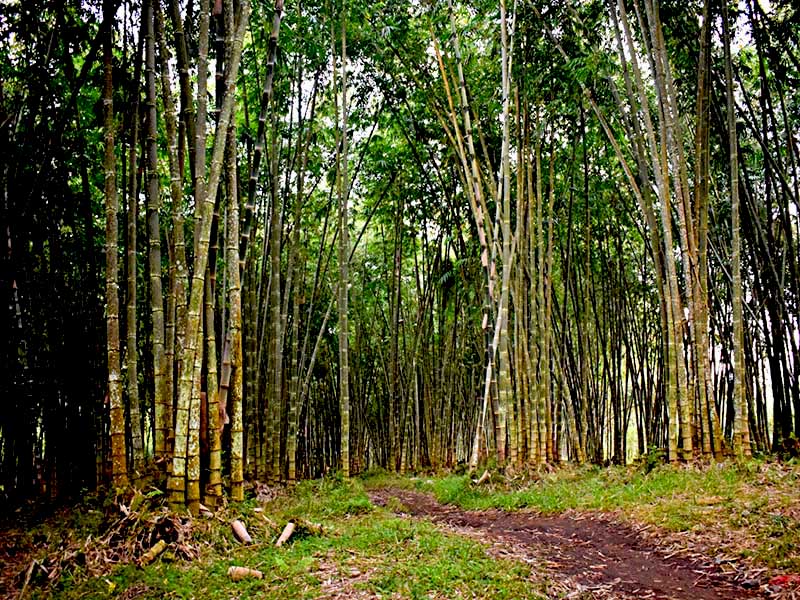
The survival of bamboo during the Denpasar floods was not a matter of luck but a result of the plant’s unique biological architecture. Scientific data suggests that a single mature clump of bamboo can store up to 3,500 liters of water within its root system and culms. Unlike many other tropical plants, bamboo possesses a dense, fibrous rhizome system that creates a subterranean net, effectively anchoring the soil along riverbanks (sempadan sungai). This biological "rebar" significantly reduces the risk of erosion and landslides, even during high-velocity water discharge.
Beyond disaster mitigation, bamboo serves as a natural reservoir. In the context of Bali’s increasing water scarcity—driven by over-tourism and climate change—the plant’s ability to recharge aquifers is invaluable. This ecological service was famously demonstrated in Sandan Village, Tabanan Regency. Two decades ago, the village faced a severe water crisis; the local springs had dried up, forcing residents to purchase water for daily needs. In 2004, a community-led initiative began planting bamboo across hillsides and degraded lands.
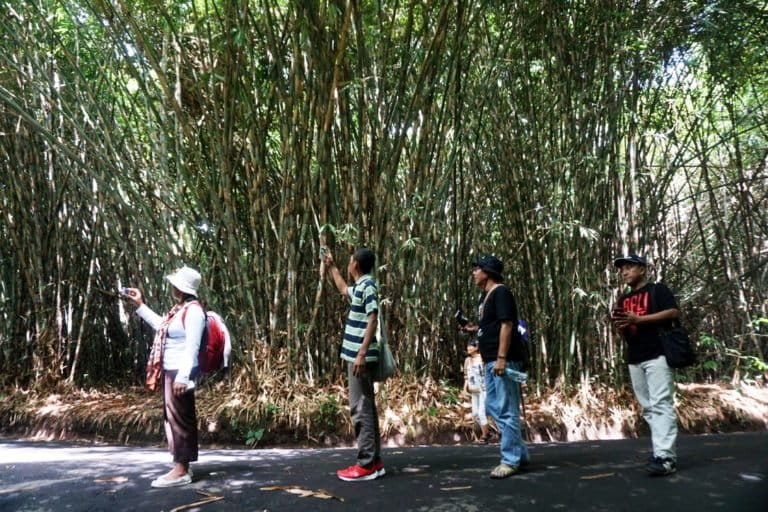
Over the last 20 years, this effort has transformed the landscape into a 100-hectare bamboo forest featuring over 50 distinct species. The results are measurable and life-changing: ancient springs have returned to life, providing a consistent water supply not only for Sandan but also for downstream communities. To ensure the longevity of this resource, the village implemented awig-awig—customary laws that strictly prohibit the harvesting of bamboo without communal consensus, blending traditional governance with modern environmental stewardship.
A Growing Deficit: The Economic Paradox of Balinese Bamboo
Despite its proven ecological benefits and its omnipresence in Balinese life, the island faces a significant supply-demand crisis. According to Nurul Firmansyah, Program Coordinator for the Environmental Bamboo Foundation (Yayasan Bambu Lingkungan Lestari or YBLL), Bali’s annual requirement for bamboo stands at approximately 34 million poles. This demand is driven by three primary sectors: religious rituals, traditional construction, and the burgeoning sustainable tourism industry, which increasingly favors bamboo for high-end eco-resorts.
However, Bali’s local production capacity falls tragically short. "The deficit reaches approximately 31 million poles per year," Firmansyah noted during the Samsara Bamboo Festival 2026. "As a result, the vast majority of bamboo used in Bali must be imported from other islands, such as Flores and Java." This reliance on external sources highlights a disconnect between Bali’s cultural identity and its agricultural reality.
Firmansyah argues that the primary obstacle is not a lack of land, but a systemic loss of cultivation knowledge. Even in regions like Ngada, East Nusa Tenggara, which is internationally recognized for its "bamboo culture," local communities are struggling with the technicalities of propagation and sustainable harvesting. There is a growing "knowledge gap" where bamboo is appreciated as a finished product or a visual aesthetic, but the expertise required to grow and manage it as a renewable resource is evaporating among the younger generation.
The Samsara Bamboo Festival 2026: A Cultural Reawakening
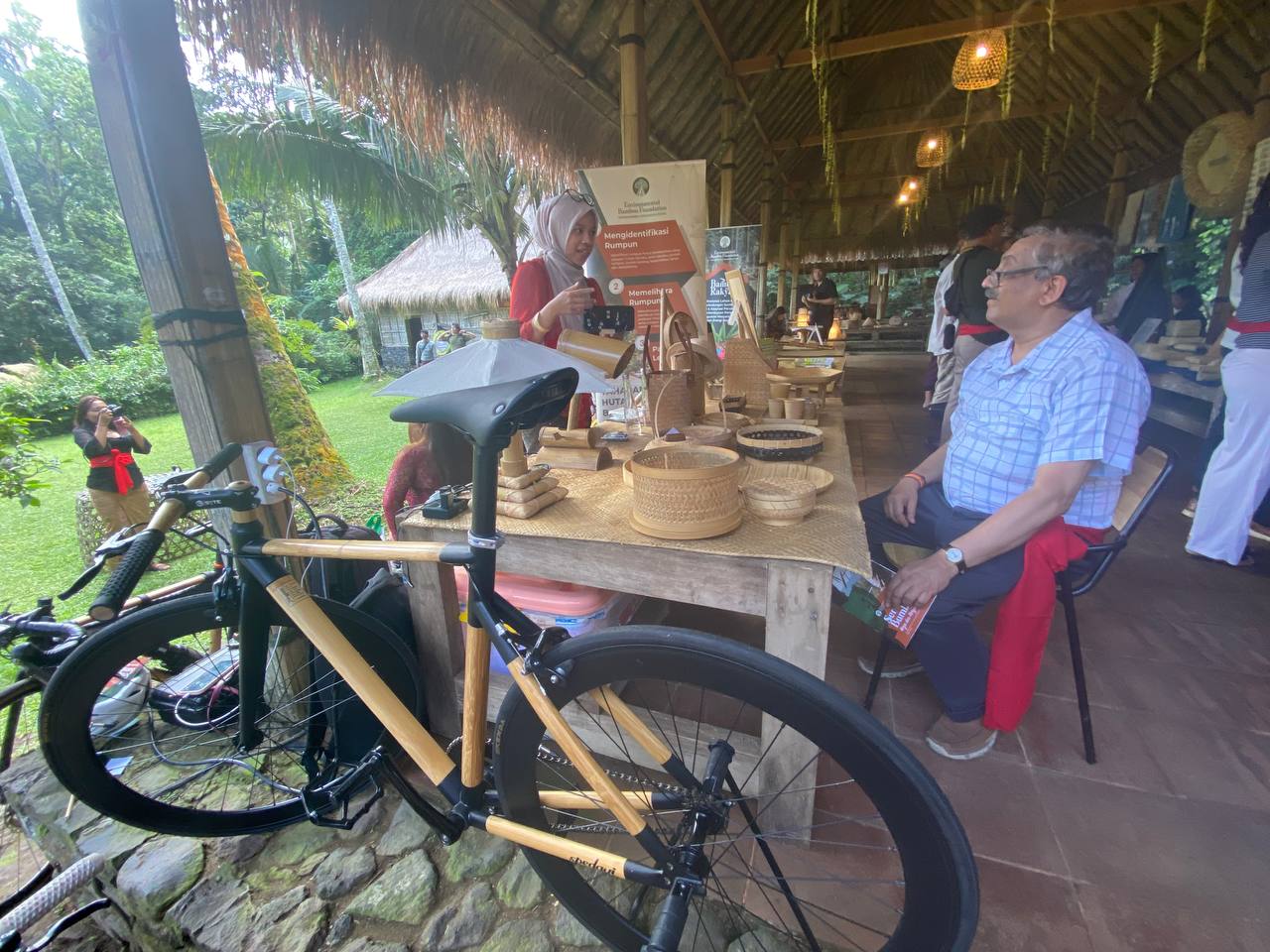
The Samsara Bamboo Festival 2026, held at the Samsara Living Museum in Karangasem, was organized to address these multifaceted challenges. A collaborative effort involving the provincial government, the Ministry of Culture’s Directorate General of Cultural and Traditional Protection, and YBLL, the festival aimed to bridge the gap between tradition and modern utility.
The festival showcased bamboo not just as a raw material, but as a medium for innovation. Exhibits featured bamboo-framed bicycles, sophisticated architectural models, and intricate art installations. For many visitors, the festival provided a rare opportunity to see bamboo in its "sacred" state—as part of the Samsara Living Museum’s natural canopy. The museum’s bamboo groves, often dismissed by modern developers as unkempt brush, were presented as essential cooling systems and spiritual spaces.
Agus Widiatmoko, Director of Cultural Heritage at the Ministry of Culture, emphasized that bamboo is an inseparable part of the Indonesian identity. He recalled archaeological excavations where four ancient temple sites were found surrounded by bamboo groves. "In those instances, I insisted that the bamboo be relocated, not destroyed," Widiatmoko said. "Bamboo is more than a commodity; it is a source of food, a structural element, a religious instrument, and a pillar of disaster resilience."
The Global Market and the Risks of Capitalization
On a global scale, the bamboo market is estimated to be worth $85 billion. The plant’s versatility is unmatched, with over 1,500 documented uses ranging from high-tech textiles and paper to biomass for renewable energy. However, the transition from a local resource to a global commodity carries significant risks.
Gede Maha Putra, an architect and academic from Warmadewa University, warns of the "visual capitalization" of bamboo. He observes that in the modern economy, bamboo is often used as a "green-washing" tool—a visual signal of sustainability in luxury investments—while the collective, communal knowledge that once governed its use is ignored. "We are in a situation where bamboo is being integrated into global capitalist systems, but we are losing the communal wisdom that made it sustainable in the first place," Putra remarked.
A cautionary tale can be found in the Mentawai Islands, where a bamboo-based biomass power plant project famously failed. The collapse was attributed to unsustainable harvesting practices that prioritized short-term energy output over the long-term health of the bamboo forests. This failure underscores the necessity of combining modern economic goals with traditional "hibridization" of knowledge—ensuring that those who plant and harvest the bamboo are as informed as those who design with it.
Bamboo as "Life Insurance" and Social Fabric
Wawan Sujarwo, a researcher from the National Research and Innovation Agency (BRIN), describes bamboo as the "life insurance" of the Balinese people. He notes that while the social bond between the community and bamboo has weakened, the plant remains a thread that connects various Indonesian cultures. In Toraja, South Sulawesi, the Rambu Solo (funeral rites) are impossible without bamboo structures. In West Sumatra, bamboo is integral to the construction of surau (community prayer houses), fostering social cohesion.
To revitalize this bond, Sujarwo proposes a systematic "Life Insurance" movement. He suggests that regional governments should mandate each family to plant at least five clumps of bamboo in critical or marginal land areas. This would not only secure the island’s hydrological future but also create a decentralized economic reserve for families.
The Role of the Youth: Lessons from Tigawasa
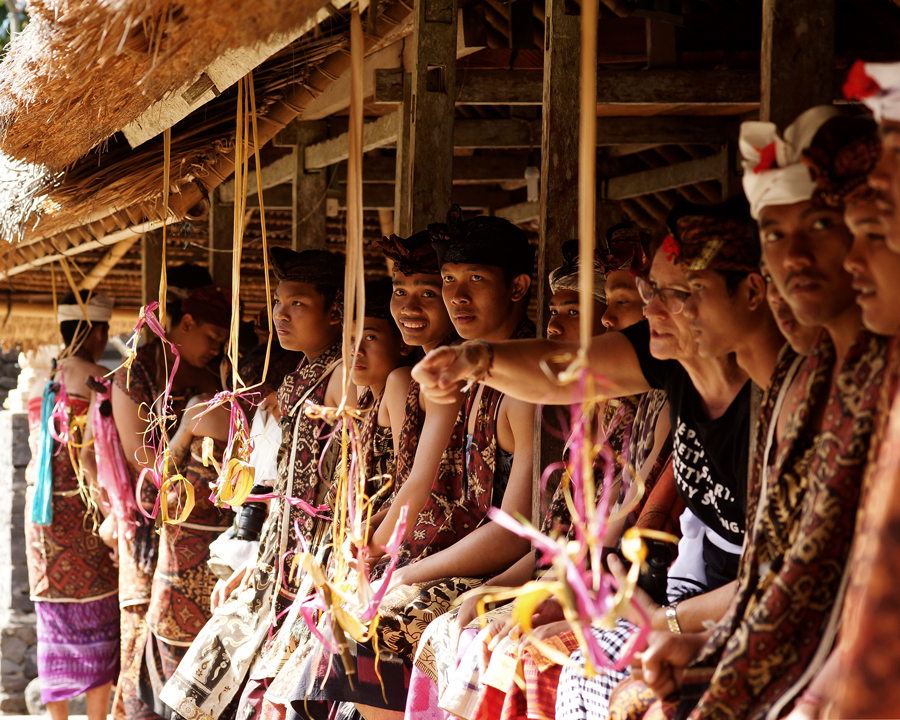
The future of bamboo ultimately rests with the younger generation. In Tigawasa Village, Buleleng, the forest is a sacred space that doubles as an economic engine through bamboo handicrafts and educational trekking. Guntur, a young man from Tigawasa, traveled three hours to Karangasem to participate in the Samsara Bamboo Festival. Alongside his mother, he showcased traditional weaving techniques that have been passed down through generations.
For Guntur, bamboo is not a relic of the past but a viable future. "People need to see that bamboo is not just for ceremonies or cheap scaffolding," he said. "It is the reason we have water, and it is the reason we have a unique identity."
Conclusion: Building a Sustainable Future
The lessons from the 2025 Denpasar floods and the success of Sandan Village point toward a single conclusion: bamboo is essential for Bali’s survival in an era of climate instability. However, the transition from importing 31 million poles to becoming self-sufficient requires more than just planting seeds. It requires a policy shift that treats bamboo with the same economic importance as palm oil or rubber, coupled with a cultural shift that restores the plant to its status as a sacred protector of the land.
As the Samsara Bamboo Festival concluded, the overarching message was clear: Bali’s future will be built on the strength of its roots. Whether through the implementation of awig-awig in every village or the integration of bamboo into modern urban planning, the "Green Gold" of the archipelago offers a pathway to a resilient, sustainable, and culturally vibrant future. The task now is to ensure that the knowledge of the past is not lost to the visual demands of the present, but is instead used to harvest a safer tomorrow.