Lusiana Hamidun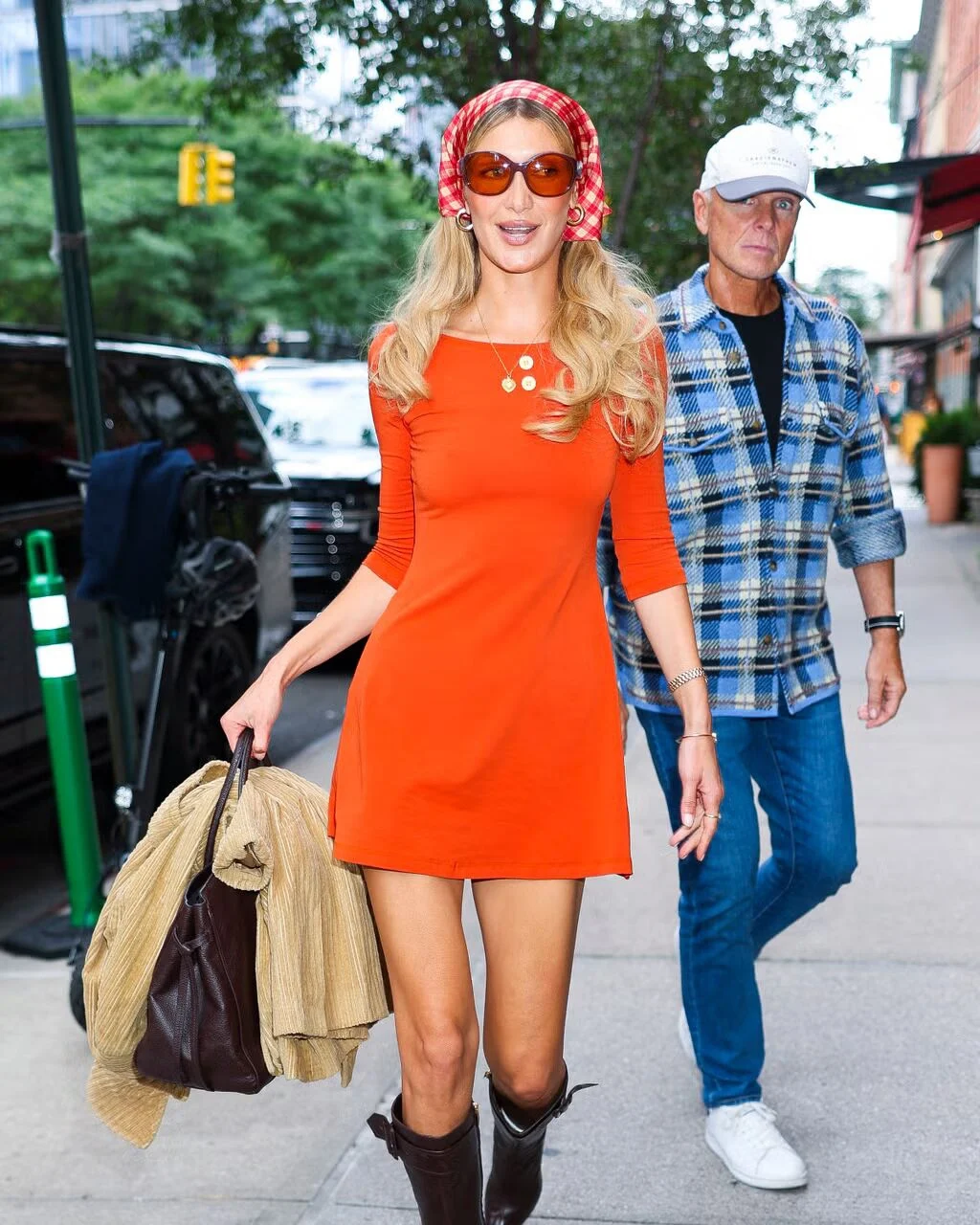
Although the official calendar for New York Fashion Week (NYFW) has concluded, the sartorial influence of supermodel Bella Hadid continues to permeate the streets of Manhattan. While she notably abstained from walking the runways during this season’s major showcases, Hadid has effectively transformed the city into her personal catwalk, offering a comprehensive masterclass in navigating the aesthetic ambiguity of the late-summer to early-autumn transition. Her week-long display of eclectic, funky, and Western-inspired ensembles provides a blueprint for contemporary dressing during a period when weather patterns remain notoriously unpredictable.
The Art of Transitional Styling: A Chronological Overview
The transition from summer to autumn, often referred to by industry experts as "transitional dressing," presents a unique challenge: balancing the lightness required for lingering warm temperatures with the structural, layered aesthetics of the upcoming fall season. Hadid’s approach throughout the week has been marked by a juxtaposition of archival luxury and modern, trend-conscious accessory styling.
Early in the week, observers noted a sharp pivot in her wardrobe choices. In a matter of hours, the model shifted from a casual, streetwear-heavy aesthetic—characterized by trucker hats and the ubiquitous Ugg footwear—to a refined, vintage-focused evening ensemble. While dining at the prominent Tribeca establishment Locanda Verde, Hadid was captured wearing a rare, gold-hued vintage Prada dress, complemented by a coveted vintage Prada bowling bag. This juxtaposition underscored a broader trend in high fashion: the increasing value and visibility of archival pieces over seasonal retail releases.
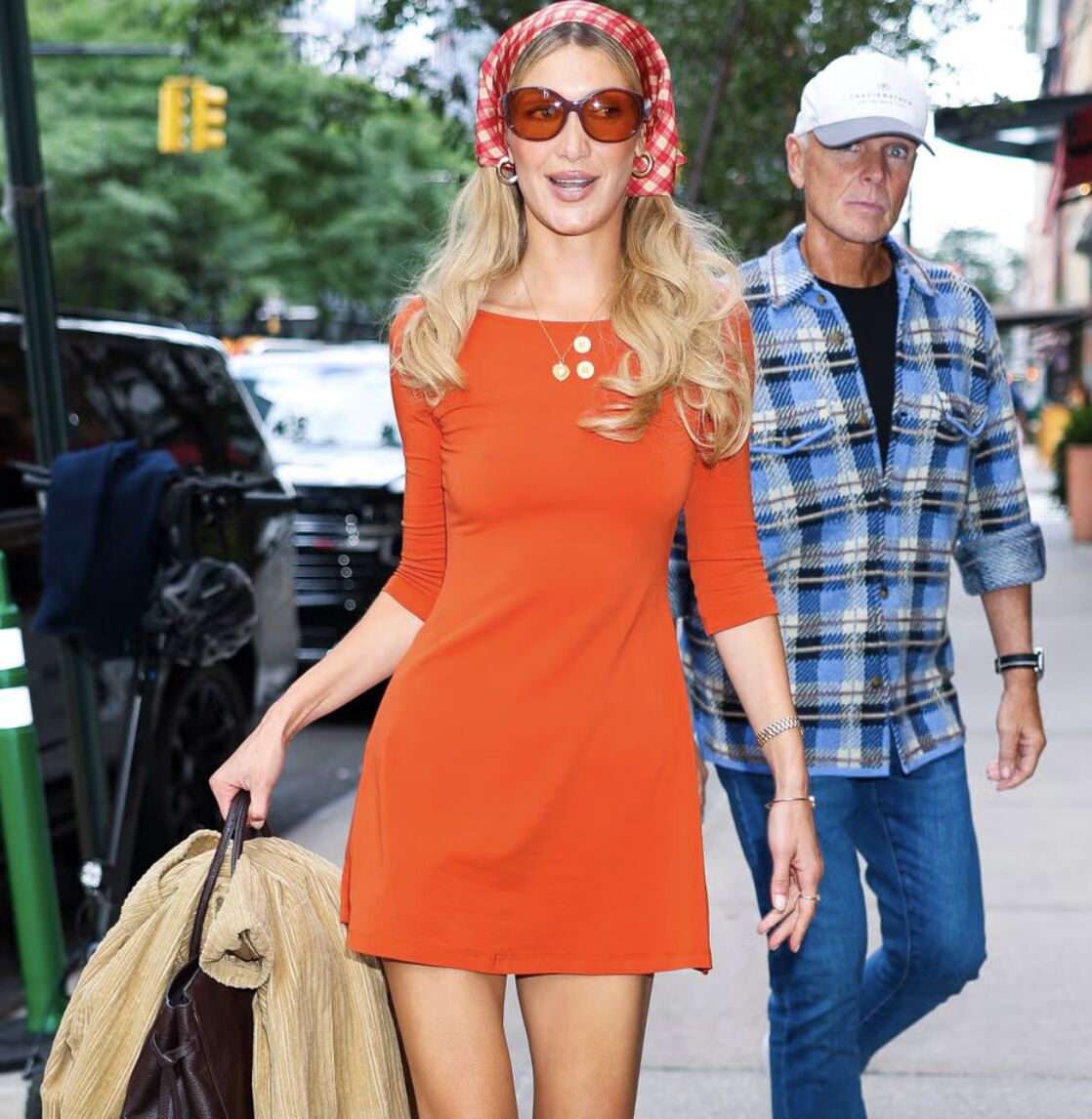
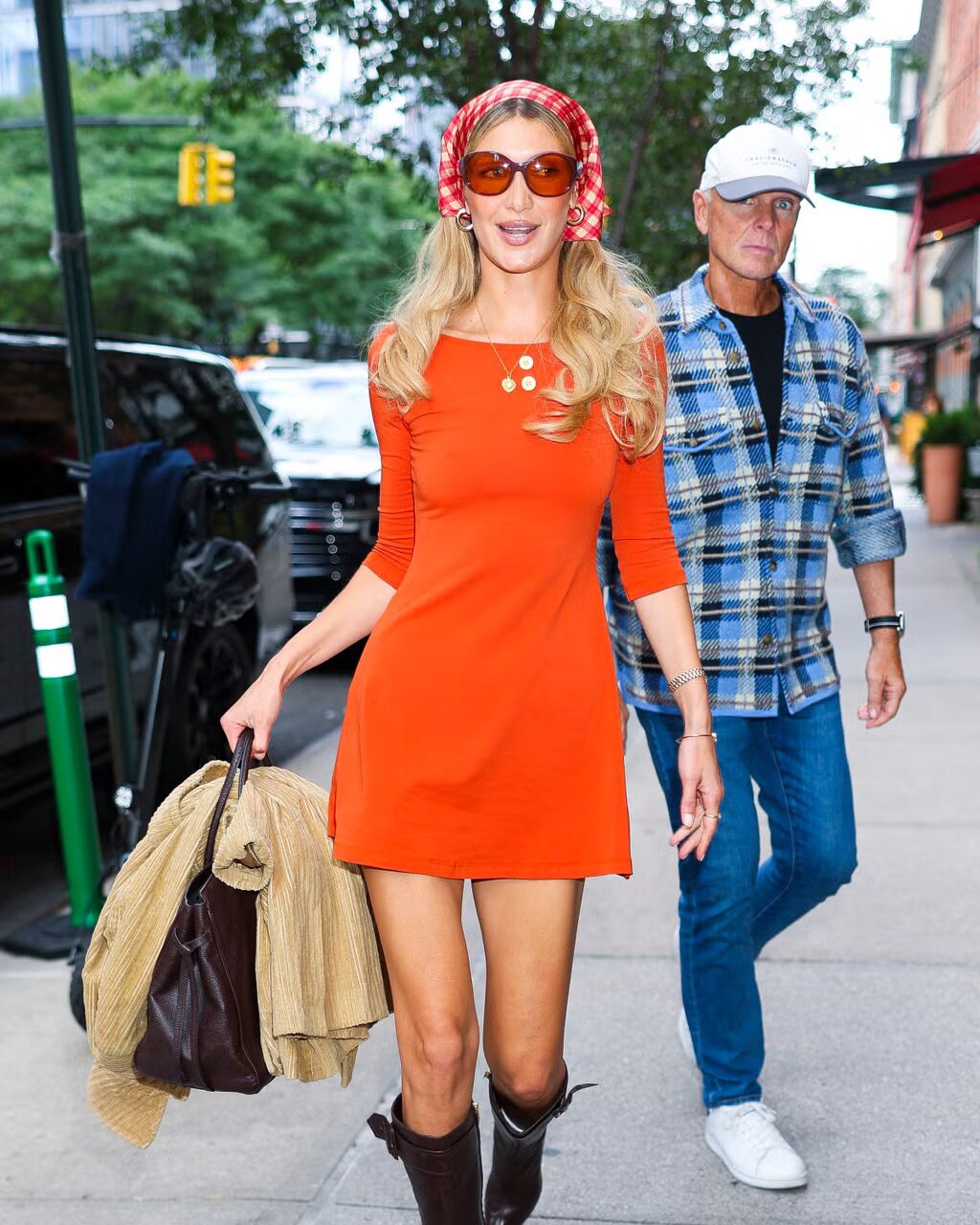
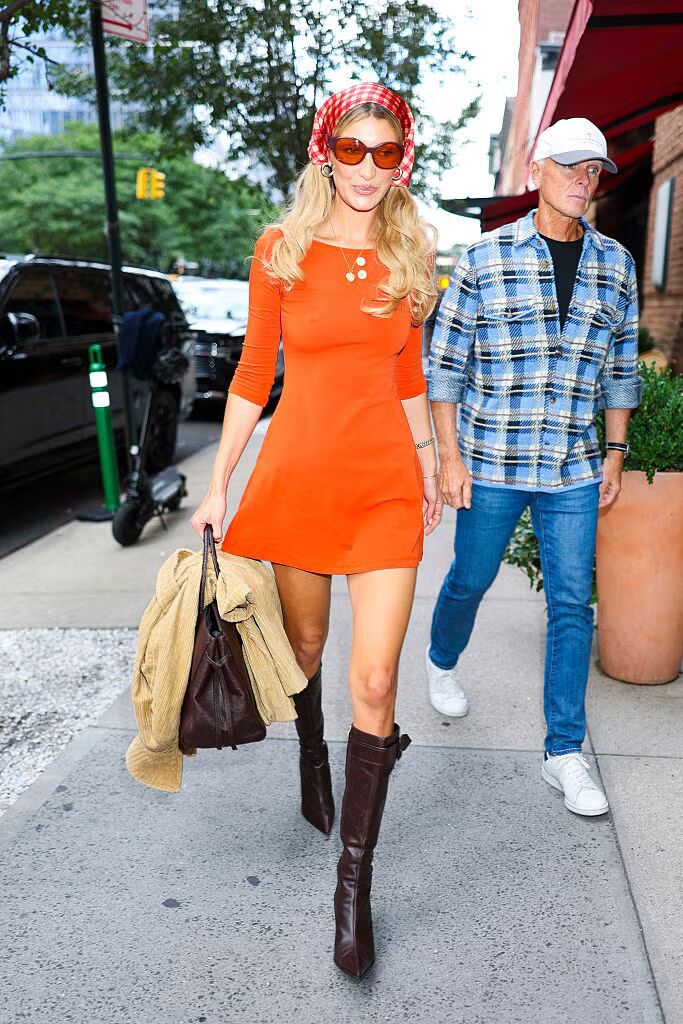
By mid-week, the narrative shifted toward intentional, color-blocked seasonal layering. Spotted once again in the Tribeca district, Hadid debuted a high-contrast outfit that effectively synthesized summer vibrancy with autumn weight. The centerpiece of this ensemble was a minidress rendered in a saturated "blood-orange" hue. Rather than opting for open-toed summer sandals, Hadid opted for high-heeled, pointed-toe leather boots in a deep mahogany tone, effectively grounding the brightness of the dress in a more autumnal palette. This choice was further bolstered by the inclusion of a large, structured chocolate-colored handbag from Staud, creating a coherent color story that bridged the gap between the two seasons.
The Mechanics of the "Hybrid" Aesthetic
The complexity of Hadid’s mid-week look lay in its tactical use of layers and textures. She incorporated a corduroy trench coat—a quintessential autumn textile known for its durability and warmth—which was then softened by the inclusion of a red, checkered headscarf. This specific styling choice served a dual purpose: it maintained the visual interest of a summer accessory while providing the utilitarian function of transitional outerwear.
Fashion analysts often point to this type of styling as a "hybrid" approach, where the garment’s utility is secondary to the aesthetic narrative it creates. By pairing heavy corduroy with a lightweight headscarf, Hadid navigated the fluctuating New York climate with precision. Her choice of accessories—a pair of large, burgundy-tinted sunglasses from Side Eye NYC—further solidified this aesthetic, echoing the deep, rich tones of the autumn season while maintaining a sharp, modern silhouette.
Corporate Influence and the "Cool Girl" Evolution
Hadid’s recent appearances follow a pattern of "corporate-chic" reinterpretation that has defined her personal style for much of 2024. By integrating traditional business-wear elements—such as structured blazers, loafers, or minimalist jewelry—with her trademark off-duty aesthetic, she has helped propel a mainstream movement toward "office-core" fashion.
This evolution is not merely superficial; it reflects a broader industry shift where consumers are increasingly looking for versatility in their wardrobes. As the cost of luxury goods rises, there is a measurable preference for pieces that can be styled across different professional and social settings. Hadid’s ability to pair high-end jewelry, such as her signature chunky gold hoops and Chopard timepieces, with casual, unconventional layering demonstrates a practical application of high-low styling that resonates with a global audience.
Chopard Partnership and the "Happy Diamonds" Milestone
While her street-style choices captured the attention of social media and fashion blogs, Hadid’s presence in New York was anchored by a significant professional milestone. She served as a central figure in the 50th-anniversary celebration of Chopard’s iconic "Happy Diamonds" collection.
The event was not merely a social engagement but a strategic launch for Chopard’s latest global campaign, which features Hadid as its official face. The campaign, which focuses on the brand’s heritage of luxury horology and jewelry, aligns with Hadid’s elevated public image. During the festivities, she was seen wearing an array of Chopard’s signature pieces, including the "Happy Hearts" bracelet and the "Happy Sport" watch, seamlessly integrating the brand’s heritage designs with her avant-garde wardrobe choices.
Industry experts note that such partnerships are increasingly vital for luxury houses. By aligning with a figure like Hadid—who maintains high levels of cultural capital and a significant digital reach—brands like Chopard are able to revitalize historical collections for a younger, digital-native demographic. The longevity of the "Happy Diamonds" line, which has survived five decades of fluctuating fashion trends, is testament to the brand’s ability to remain relevant through strategic celebrity associations.
Broader Implications for the Fashion Industry
The attention surrounding Hadid’s movements during the post-NYFW period highlights a shift in how fashion news is consumed. In the past, the runway was the primary site of innovation. Today, the "street-style" cycle—where celebrities and influencers showcase how runway trends are adapted to daily life—carries equal, if not greater, weight in dictating consumer purchasing behavior.
The data supports this transition. Search interest in "transitional autumn outfits" typically spikes in the second and third weeks of September, aligning perfectly with the timing of NYFW and the subsequent public appearances of industry icons. Retailers are increasingly adjusting their supply chains to reflect this demand for "transitional" pieces, moving away from rigid seasonal drops in favor of more flexible, layering-friendly inventory.
Furthermore, the emphasis on vintage and archival fashion, as demonstrated by Hadid’s Prada selections, underscores a growing sustainability-conscious mindset among high-profile consumers. By prioritizing the reuse of existing luxury garments over the continuous purchase of new items, Hadid contributes to the ongoing conversation about the circular economy in fashion. This is particularly relevant as luxury conglomerates face increased scrutiny regarding their environmental impact and production transparency.
Conclusion
Bella Hadid’s presence in Manhattan following the conclusion of New York Fashion Week serves as a case study in modern fashion management. Through a combination of strategic brand partnerships, an expert understanding of textile layering, and a consistent ability to blend historical archival pieces with contemporary trends, she has successfully curated a visual identity that remains both aspirational and accessible.
As the fashion industry continues to move through the final quarter of the year, the "transitional" aesthetic popularized by Hadid will likely serve as the standard for consumers attempting to navigate the complexities of changing seasons. Her ability to synthesize disparate styles—from Western-influenced casual wear to the refined, high-jewelry aesthetic of a luxury maison—highlights her unique position as one of the most influential figures in contemporary global fashion. Whether through the choice of a corduroy coat or the curation of a vintage handbag, Hadid’s sartorial selections continue to signal the direction in which the broader fashion market is heading, proving that the most influential style narratives are often written on the street long after the runway lights have been extinguished.