
 Lusiana Hamidun
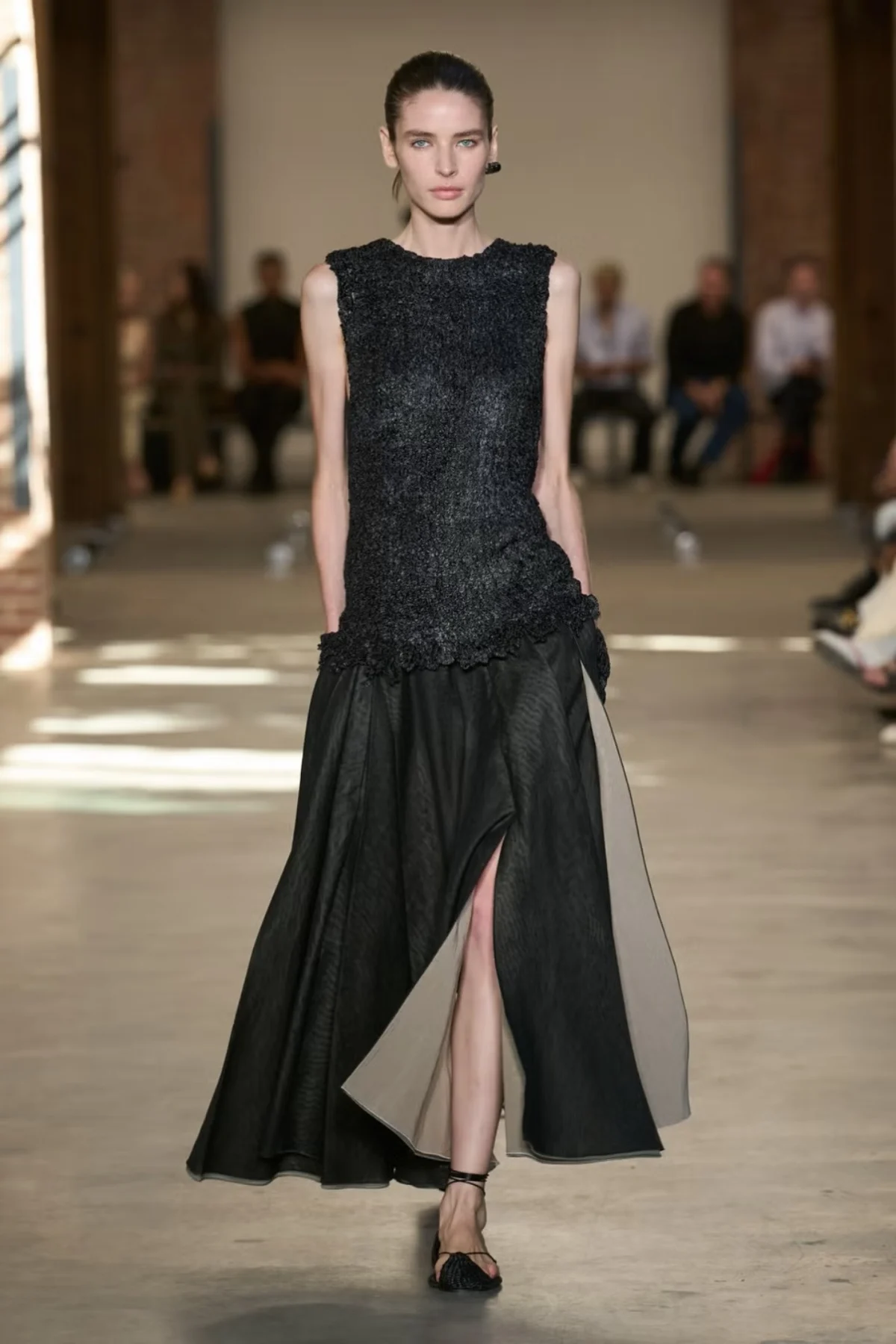
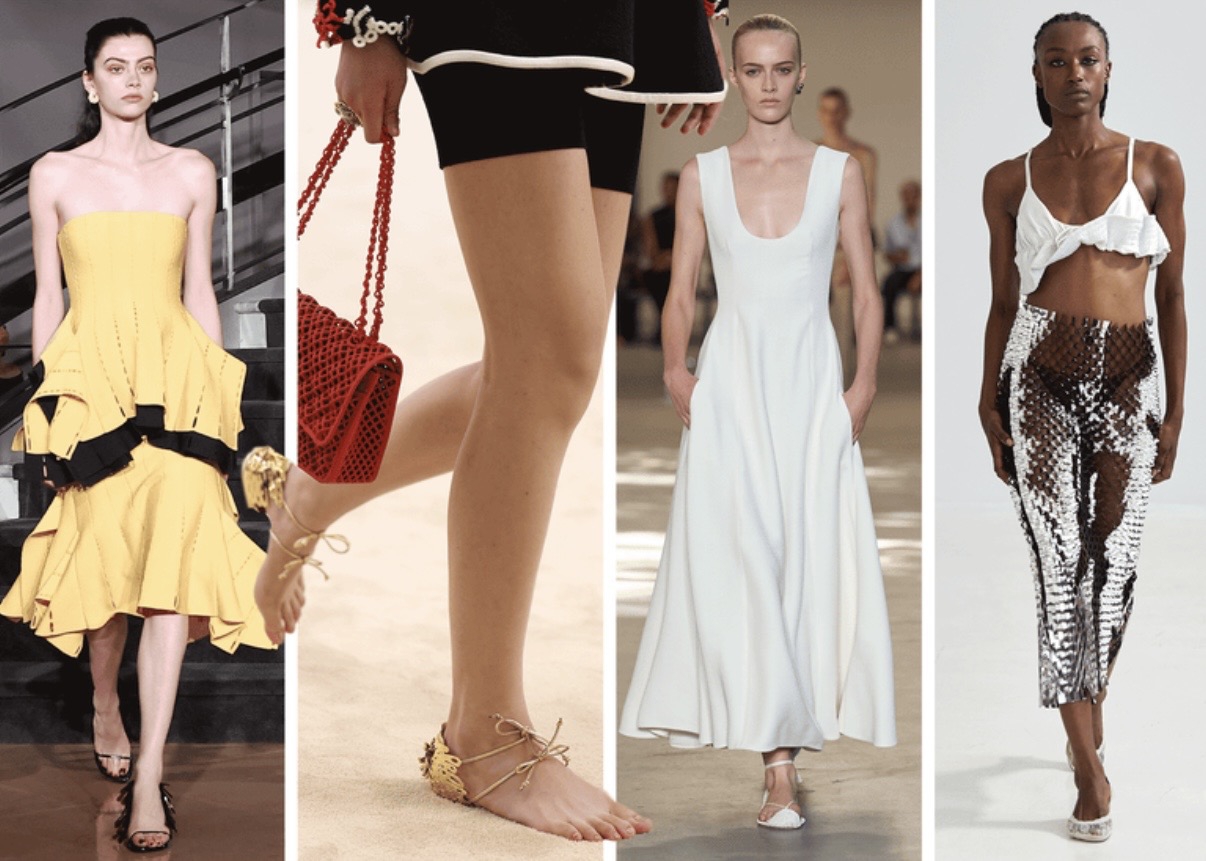
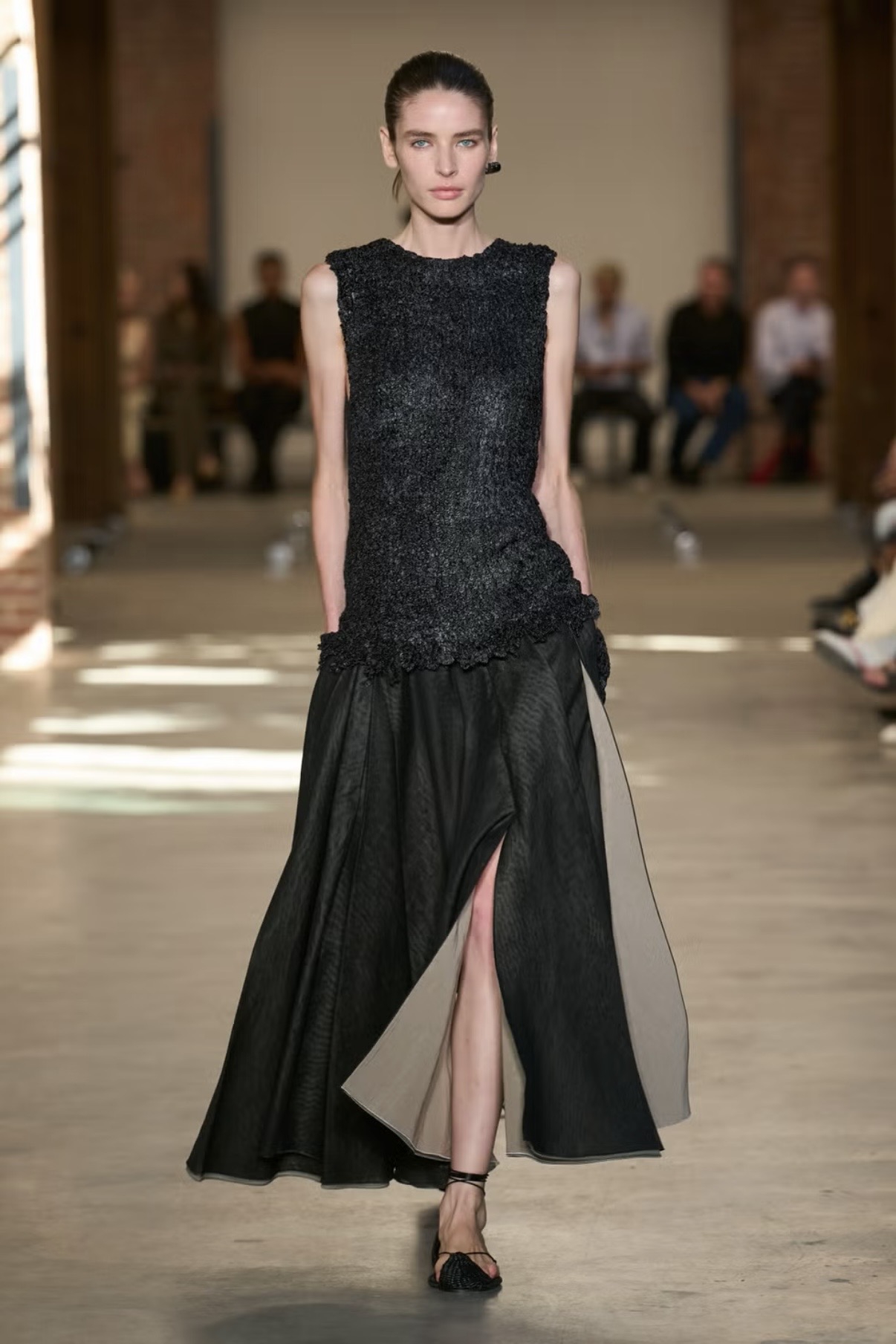
The landscape of contemporary footwear has shifted dramatically during the Spring/Summer 2027 fashion season, marked by a deliberate move toward "naked shoes"—a trend characterized by extreme minimalism, transparency, and the near-total exposure of the foot. From the runways of New York to the prestigious ateliers of Paris, designers are stripping away structural excess, challenging traditional concepts of support and coverage to prioritize aesthetic purity and the sensual interplay between garment and skin.
The Return to Radical Minimalism at Calvin Klein
At the heart of this movement is the strategic creative direction of Veronica Leoni at Calvin Klein. This season, Leoni sought to reconnect with the brand’s foundational DNA: a commitment to radical minimalism. By paring down designs to their "100% essential" components, Leoni’s collection focused on fundamental silhouettes, including streamlined blazers and effortless slip dresses.
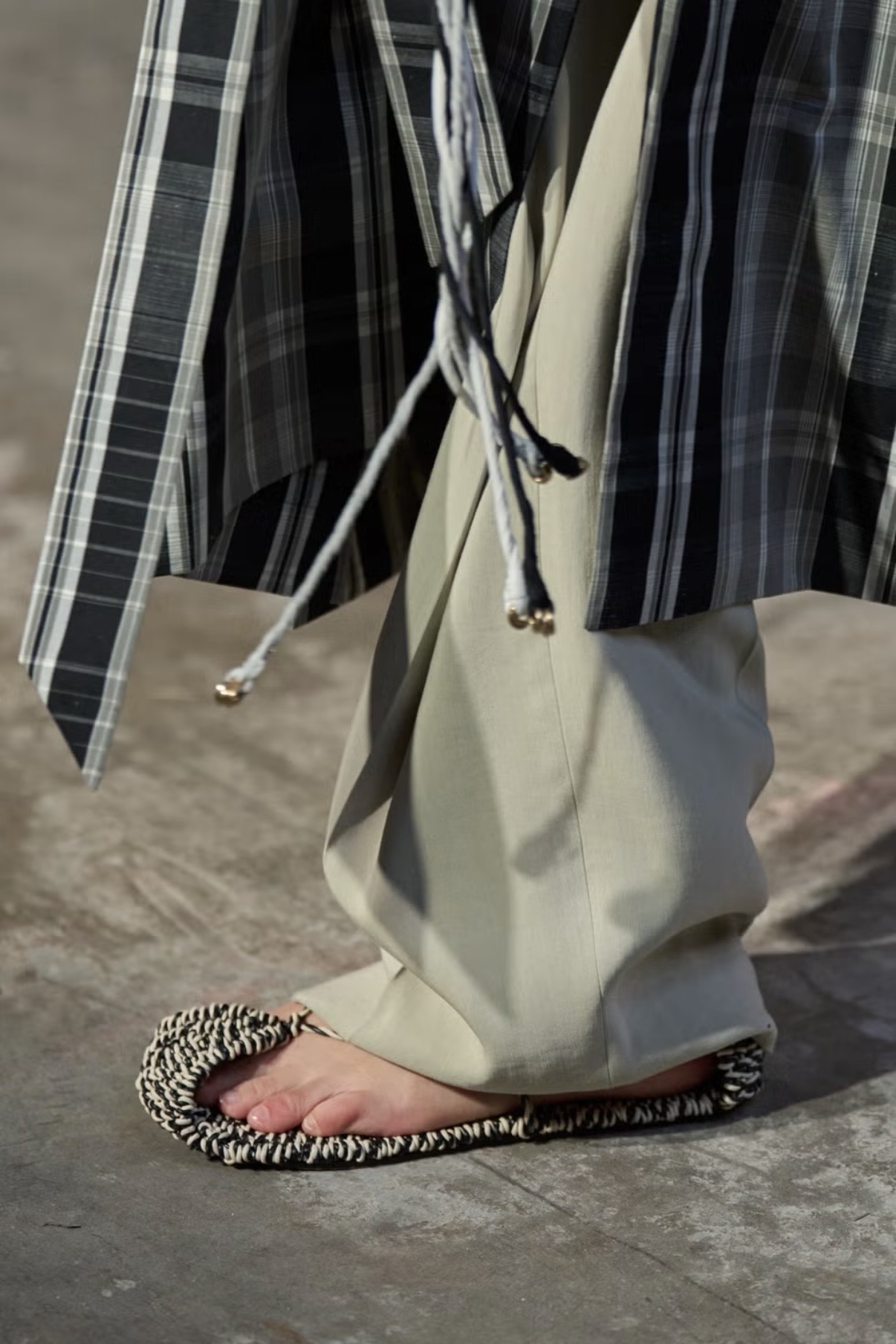
The footwear, however, served as the collection’s most radical statement. Leoni presented shoes that were designed to be almost invisible. One standout model featured a base constructed from rattan-like weaving, wrapping the heel and toe, secured by delicate cords that wound around the ankle. This construction left little to the imagination, effectively pushing the boundary of what defines a shoe versus a structural accessory. By opting for silhouettes that felt almost "odd" in their simplicity, Leoni signaled a departure from the heavy, platform-driven trends of the early 2020s, favoring a design language that values the natural form of the wearer over the architecture of the product.
Industry-Wide Trends and the Anatomy of Exposure
The emergence of the naked shoe at Calvin Klein was not an isolated phenomenon but rather the anchor of a wider industry shift witnessed throughout New York Fashion Week (NYFW) Spring/Summer 2027. Designers across the board found innovative ways to maximize foot exposure while maintaining structural integrity.
At Proenza Schouler, Rachel Scott explored the blurred lines between formal and casual attire. Her stiletto designs for the season were masterpieces of tension, held together by nothing more than a single strap at the toe and another at the heel. These shoes served a dual purpose: they provided the necessary height associated with formal evening wear while maintaining a casual, "naked" aesthetic that lengthened the leg. This trend highlights a growing preference for items that offer high-fashion impact without the visual weight of traditional footwear.
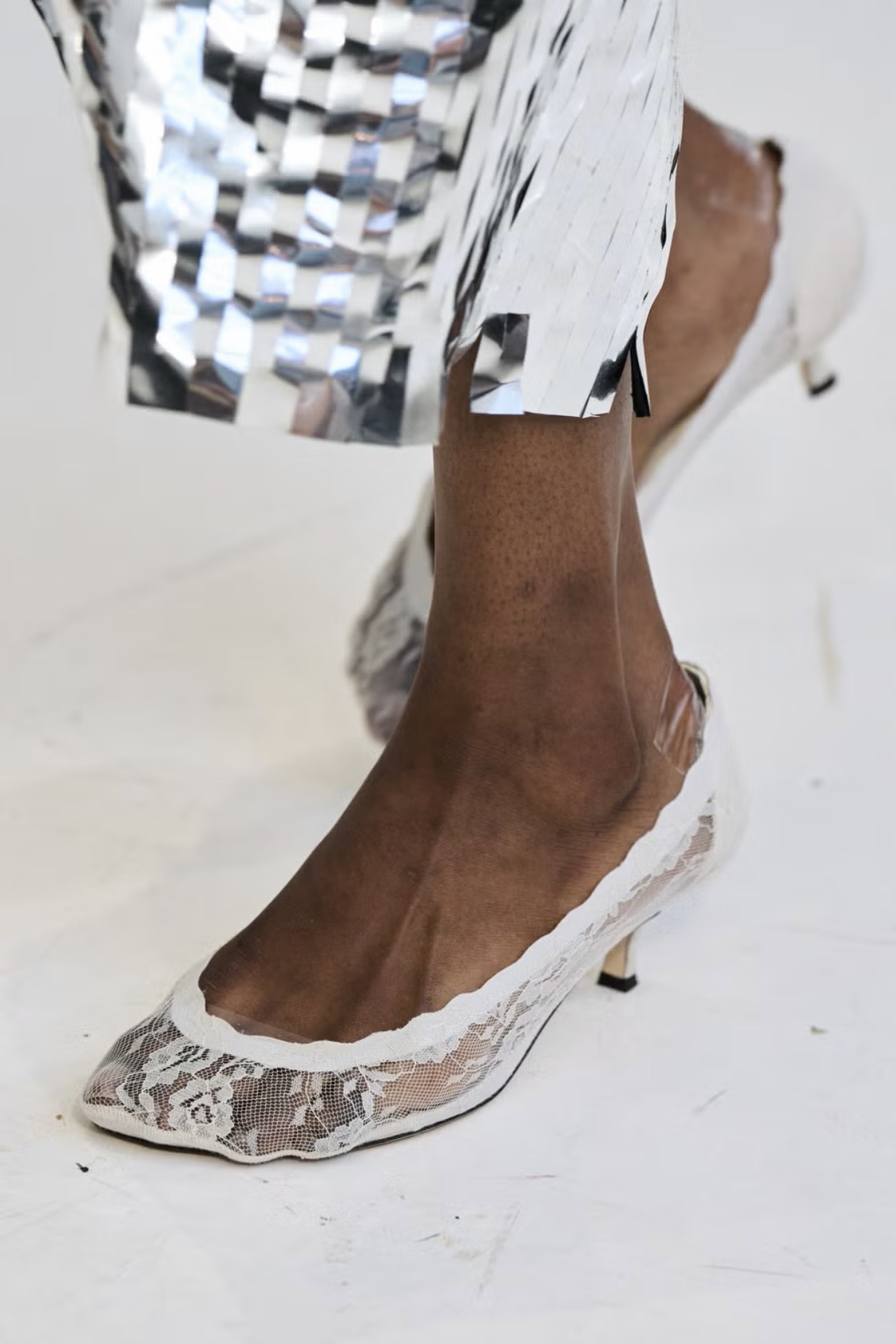
Similarly, at Area, designer Nicholas Aburn introduced a concept that mimicked the appearance of a lace camisole for the feet. The shoes appeared as nude, gossamer-thin socks, complete with intricate lace edging and a discreetly integrated heel. By utilizing transparent materials and hidden straps, Aburn successfully created the illusion that models were walking in sheer hosiery rather than footwear, further emphasizing the trend’s obsession with sensory deception.
Historical Context and The Evolution of the Naked Shoe
The "naked shoe" is not an entirely new concept, yet its current iteration feels distinctly more intentional and technologically advanced. Historically, the trend draws influence from the late 2010s, when transparent PVC and minimalist mules first gained traction. The Olympia wedge by Maryam Nassir Zadeh, which appeared on the runways of Eckhaus Latta and Magda Butrym this season, serves as a testament to the longevity of this aesthetic. Originally launched nearly a decade ago, its re-emergence confirms that the industry is circling back to these early experiments in transparency, refining them with modern materials and sleeker profiles.
This shift toward extreme exposure can be contextualized within the broader "Quiet Luxury" movement that has dominated the fashion industry for the past three years. As consumers move away from logomania and oversized silhouettes, the demand for subtle, high-quality pieces that enhance the body’s natural contours has spiked. The naked shoe represents the logical conclusion of this trajectory: a product that disappears into the body, leaving the focus entirely on the silhouette of the garment and the movement of the wearer.
Global Impact: From Chanel to Saint Laurent
The trend has transcended the American market, sparking intense debate across the global fashion circuit. Chanel’s Resort 2027 collection served as a lightning rod for this discourse, debuting footwear that functioned more like a heel-cover than a traditional shoe. The open-toed, half-covered sandal design sparked significant conversation regarding practicality versus avant-garde expression.
In the menswear sector, Saint Laurent’s Spring 2027 collection featured pointed-toe Oxford shoes crafted from clear plastic. By applying the "naked" philosophy to traditionally rigid, structured menswear, Saint Laurent challenged the gendered boundaries of footwear design. These choices are rarely accidental; they are designed to provoke, forcing consumers and critics to question the function of a shoe in an era where digital presence often outweighs physical comfort. The social media discourse surrounding these items has been fervent, with many analysts noting that the "kink" factor—the inherent sensuality of the exposed foot—is a primary driver of the trend’s viral potential.
The Practicality Paradox and Future Implications
A central question remains: how do these experimental runway designs translate into the daily lives of consumers? The transition from the runway to the sidewalk is often the most significant hurdle for high-concept trends.
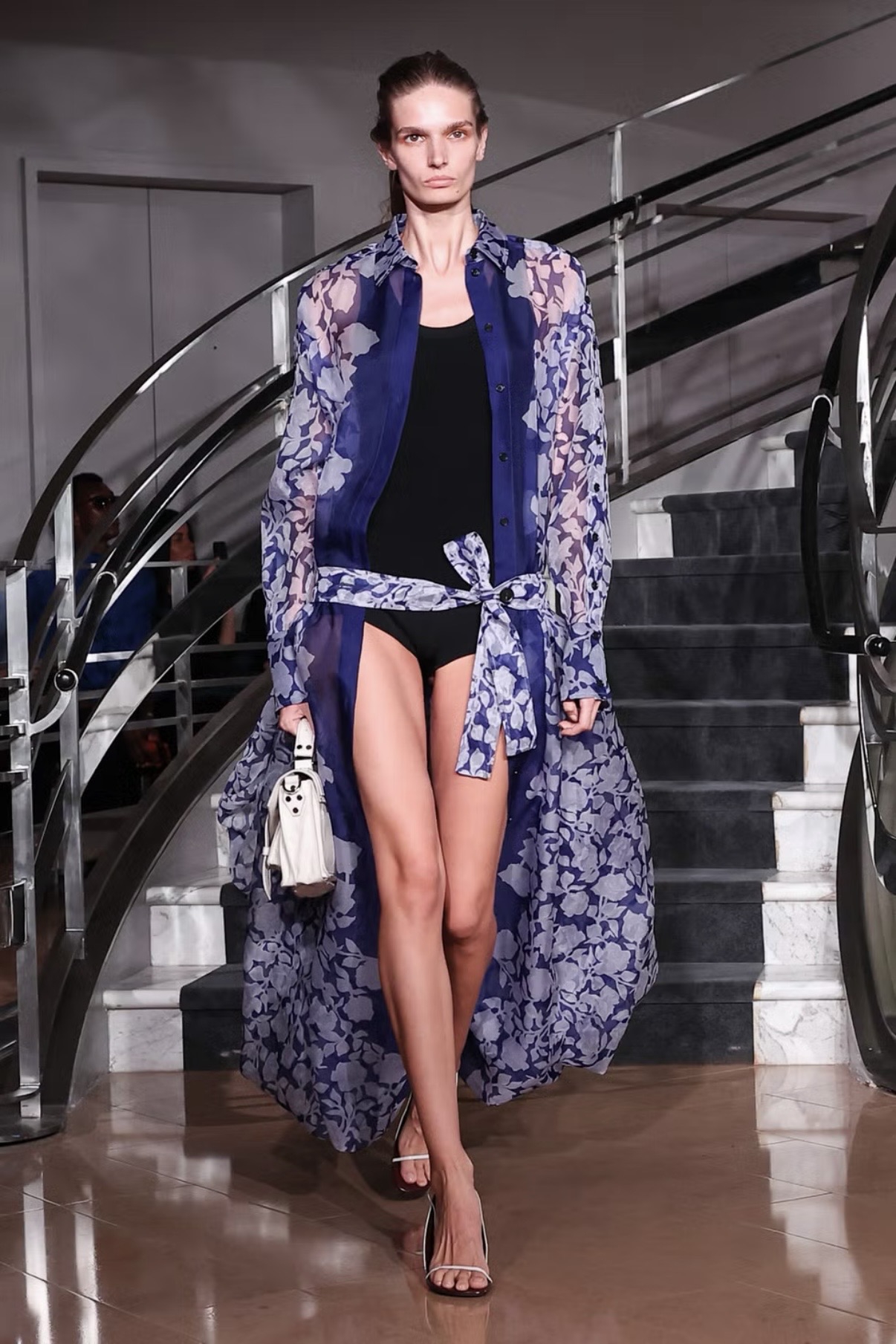
Several designers have begun to bridge this gap by offering "slightly naked" versions of their runway pieces. Daniella Kallmeyer, for instance, showcased thong-style leather sandals with a modest wedge heel, providing a wearable, everyday version of the extreme minimalism seen elsewhere. Similarly, Leoni at Calvin Klein introduced pumps that were subtly trimmed to expose the foot’s arch, offering a "tamer" iteration of the naked shoe that maintains the visual effect of elongation while providing the stability required for walking.
Data from the retail sector suggests that while the most extreme runway versions of these shoes remain niche, the underlying trend—characterized by thin straps, neutral or transparent materials, and open silhouettes—is seeing a 15% increase in market penetration compared to the previous year. This growth is largely driven by the continued dominance of the "thong sandal" aesthetic, which has become the de facto footwear of the post-pandemic era.
Expert Analysis: Why Now?
Industry analysts suggest that the rise of the naked shoe is an inevitable response to the "clunky" shoe fatigue that set in after the pandemic. As life returned to normal, the need for heavy-duty, protective footwear diminished, replaced by a desire for lightness and freedom. The naked shoe provides this literal and metaphorical weightlessness.
Furthermore, the integration of new synthetic materials—such as medical-grade transparent polymers and ultra-durable, thin-gauge leather—has allowed designers to push structural boundaries that were previously impossible. In 2027, the shoe is no longer just a vessel for the foot; it is a frame that highlights it. This shift toward "invisible architecture" indicates a maturing market that values the conceptual depth of a design as much as its utility.
Conclusion: The Future of Footwear
As the Spring/Summer 2027 season concludes, the footprint of the "naked shoe" remains indelible. It has proven that even in the most established houses, there is room for subversion and radical simplicity. Whether through the lens of Calvin Klein’s essentialism or Area’s experimental hosiery-shoes, the trend has successfully challenged the industry to reconsider what it means to "wear" a shoe.
Moving forward, the focus will likely remain on the tension between the physical reality of walking and the aesthetic desire for nothingness. While the practicality of these designs will continue to be debated in newsrooms and on social media, their cultural impact is undeniable. The naked shoe is not merely a passing fad; it is a reflection of a society that is increasingly comfortable with transparency, both in its personal expression and its fashion choices. As we look toward the upcoming Fall/Winter seasons, one can expect the "naked" influence to persist, albeit adapted for cooler climates, potentially through the use of sheer fabrics and further innovations in minimalist structural support. The era of the invisible shoe has arrived, and it is here to stay.