Azin Asro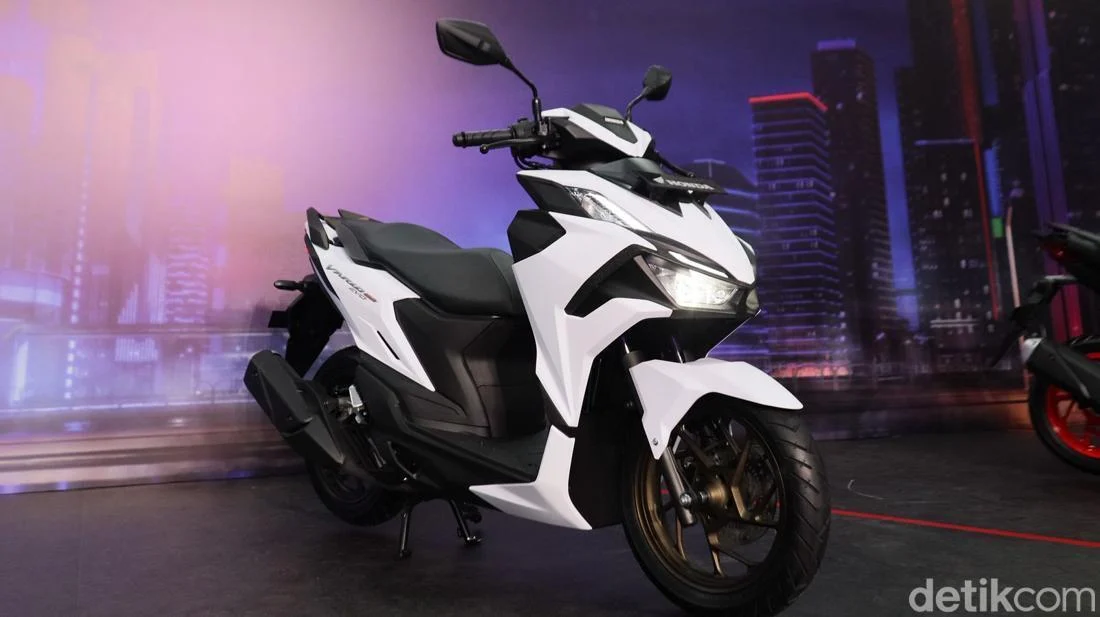
PT Astra Honda Motor (AHM), the leading manufacturer of two-wheeled vehicles in Indonesia, officially introduced the Honda Vario EVO 160 to the domestic market on Wednesday, June 24. This latest iteration of the popular Vario series represents a strategic evolution in the 160cc scooter segment, combining aesthetic refinements with technical optimizations aimed at maintaining Honda’s substantial market share. During the launch event held in Cikarang, West Java, the company’s leadership expressed high confidence in the product’s market reception, setting a formidable sales target that reflects the growing demand for high-performance urban commuters in Southeast Asia’s largest economy.
Octavianus Dwi, the Marketing Director of PT Astra Honda Motor, confirmed that the company aims to sell between 250,000 and 300,000 units of the Vario EVO 160 annually. To achieve this, AHM expects a consistent monthly sales volume of approximately 20,000 to 25,000 units. This volume is projected to contribute significantly to the company’s overall performance, accounting for an estimated 6.5 to 7 percent of Honda’s total annual sales in Indonesia. The launch serves as a pivotal moment for AHM as it seeks to bridge the gap between daily utility and premium lifestyle branding within the competitive automatic transmission (AT) motorcycle category.
Strategic Sales Objectives and Market Positioning
The decision to set a 300,000-unit annual target is backed by extensive market research into Indonesian consumer behavior, which has increasingly shifted toward "big scooters" or high-capacity "skutik" models. Octavianus Dwi emphasized that the Vario EVO 160 is positioned to capture a diverse demographic, ranging from young professionals seeking a stylish commute to enthusiasts who prioritize engine performance and modern features.
"If we look at the numbers, we are targeting roughly 250,000 to 300,000 units per year," Octavianus stated during a press briefing following the product unveiling. "In terms of contribution, this model will represent about 6.5 to 7 percent of our total sales volume."
This target is not merely an ambitious projection but is grounded in the historical success of the Vario brand. Since its inception in Indonesia nearly two decades ago, the Vario has consistently been one of the top-performing models in Honda’s lineup. By introducing the "EVO" suffix, AHM signals an evolutionary step that addresses specific consumer feedback regarding aesthetics and torque delivery, ensuring the model remains relevant in an increasingly crowded market featuring rivals from Yamaha and other regional manufacturers.
Pricing Structure and Variant Availability
To cater to different economic segments, PT Astra Honda Motor has introduced the Vario EVO 160 in three distinct variants, each offering a different level of braking technology and aesthetic finishing. All prices quoted are On The Road (OTR) for the Jakarta region:
- Honda Vario EVO 160 CBS: The entry-level variant, equipped with the Combi Brake System, is priced at approximately Rp 28.5 million. This model is designed for budget-conscious consumers who still desire the 160cc power plant.
- Honda Vario EVO 160 Nitro: A mid-tier variant that offers unique color schemes and styling cues, priced at Rp 28.7 million. This variant is expected to appeal to riders looking for a more aggressive or personalized look.
- Honda Vario EVO 160 ABS: The flagship variant featuring an Anti-lock Braking System for enhanced safety, priced at Rp 31.4 million. This model targets the premium segment of the market where safety and high-end specifications are the primary purchase drivers.
Octavianus confirmed that the Vario EVO 160 is available at authorized Honda dealerships (AHASS) across the country starting immediately. However, he noted that the speed of distribution would vary depending on the geographical location. While units are already being dispatched to major hubs in Java, delivery to more remote regions such as Papua or the outer islands may experience slight delays due to logistical timelines. The company’s goal is to ensure that consumers can receive their units with minimal waiting time, effectively eliminating the "indent" or pre-order periods that have occasionally plagued the industry during supply chain disruptions.
Design Evolution and Aesthetic Refinements
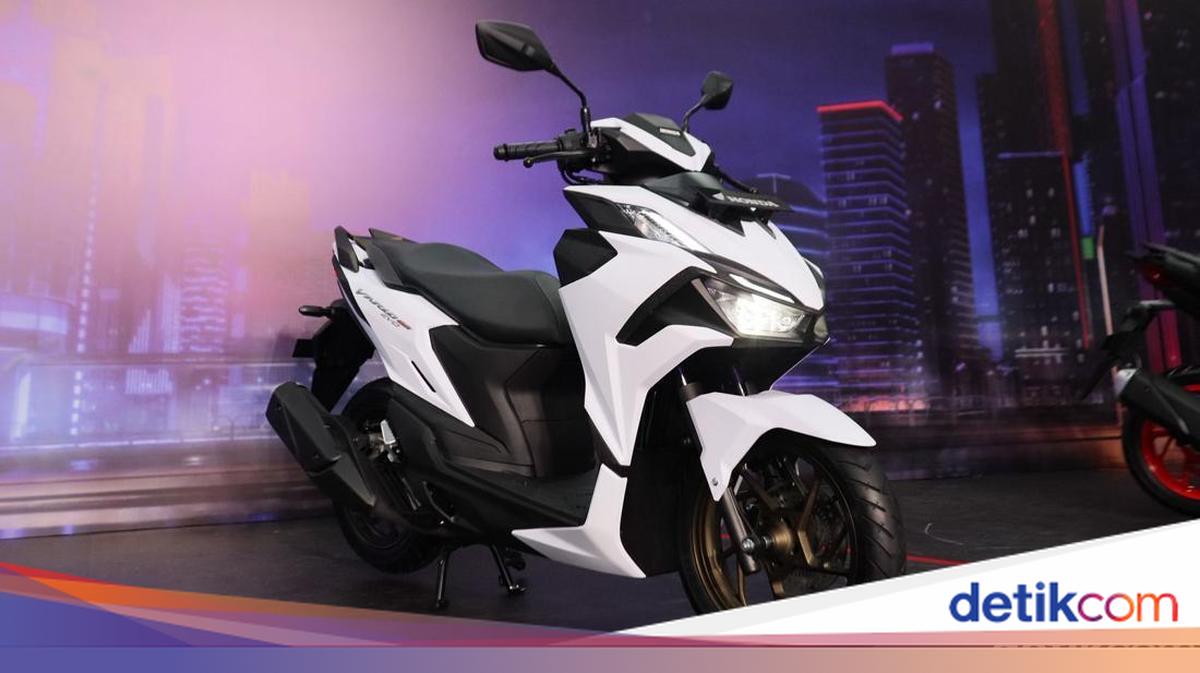
The "EVO" moniker is most visible in the scooter’s refreshed exterior. AHM designers have focused on creating a more aggressive and aerodynamic front profile. The most striking change is the implementation of a specialized headlamp cover that features a dark, smoked finish and integrated air vent accents. This design choice not only enhances the "sporty" DNA of the vehicle but also provides a more premium, modern appearance that distinguishes it from the standard Vario 160.
Beyond the front fascia, the Vario EVO 160 features several subtle yet impactful changes:
- Side Body Panels: The panels have been reshaped to offer a more streamlined look, contributing to the vehicle’s overall athletic stance.
- Swing Arm and Rear Grip: The swing arm has received a design update, and the rear grip (behel) has been modified for better ergonomics and a sleeker integration with the tail section.
- Mirrors and Utility Hooks: Functional components such as the rearview mirrors and the luggage hook (gantungan barang) have been redesigned to align with the new aesthetic language of the EVO series.
These changes reflect a broader trend in the Indonesian automotive market where "facelifts" and "evolutionary" updates are essential to maintaining consumer interest between major generational overhauls.
Engineering Optimization and Performance Specs
While the Vario EVO 160 retains the core 160cc, 4-valve, liquid-cooled eSP+ (enhanced Smart Power Plus) engine of its predecessor, AHM engineers have focused on internal optimizations to enhance the riding experience. The primary technical update lies in the ignition system. By fine-tuning the ignition timing and mapping, AHM has managed to increase the maximum torque to 14 Nm, a slight but noticeable improvement that aids in stop-and-go urban traffic.
The engine produces a maximum power output of 11.3 kW, allowing the scooter to reach a top speed of 109 km/h. Despite the focus on performance and "sportiness," fuel efficiency remains a cornerstone of the Vario’s appeal. The Vario EVO 160 boasts a fuel consumption rate of 46.7 kilometers per liter, measured using the WMTC (World Motorcycle Test Cycle) method. This balance of power and efficiency is critical in the Indonesian market, where fuel prices and daily commuting distances are significant factors for consumers.
Advanced Features and Rider Convenience
The Honda Vario EVO 160 is equipped with a suite of modern technologies designed to enhance convenience and safety. A notable addition to this model is the integration of a Type-C USB charging socket, allowing riders to charge their smartphones directly without the need for an additional adapter—a significant upgrade over the older USB-A or power outlet designs.
Standard features across the range include:
- Honda Smart Key System: A keyless ignition system that includes an Answer Back System and an anti-theft alarm, providing both convenience and security.
- Idling Stop System (ISS): This technology automatically shuts off the engine after three seconds of idling to conserve fuel and reduces emissions, restarting instantly when the throttle is twisted.
- Digital Panel Meter: A full-digital instrument cluster that provides essential information including speed, fuel level, clock, and oil change indicators.
- Storage Capacity: The under-seat storage remains at 18 liters, which is sufficient for a standard open-face helmet or various personal items, maintaining the practical utility that the Vario is known for.
Historical Context and Market Impact
The launch of the Vario EVO 160 is the latest chapter in a story that began in 2006 when the first Honda Vario was introduced to compete in the nascent automatic scooter market. Over the decades, the Vario has transitioned from a 110cc commuter to a 125cc mid-range staple, and eventually into the 150cc and 160cc premium segments.
The shift to the 160cc engine platform a few years ago was a response to the "up-classing" of Indonesian riders who demanded more power for highway use and longer commutes. By refining this platform with the "EVO" edition, AHM is doubling down on its strategy to dominate the "High-AT" (High Automatic) segment.
Industry analysts suggest that AHM’s aggressive sales target of 300,000 units is a clear signal to competitors. In the Indonesian motorcycle market, which often sees annual sales exceeding 5 million units total, the 160cc segment is one of the most profitable due to higher margins per unit compared to the entry-level 110cc models. The Vario EVO 160 serves as a bridge between the mass-market Honda BeAT and the maxi-style Honda PCX 160, offering the performance of the latter with the agility and flat-deck practicality of the former.
Manufacturing and Economic Significance
The production of the Vario EVO 160 at AHM’s Cikarang plant also highlights the strength of Indonesia’s automotive manufacturing sector. The plant is one of the most advanced in Honda’s global network, utilizing high levels of automation and local sourcing. The high sales target of 300,000 units per year will have a positive "multiplier effect" on local component manufacturers and vendors, supporting thousands of jobs within the domestic supply chain.
Furthermore, the focus on fuel efficiency (46.7 km/l) aligns with the Indonesian government’s efforts to reduce national fuel consumption and carbon emissions. While the industry is gradually moving toward electrification, highly efficient internal combustion engines (ICE) like the eSP+ remain the backbone of Indonesian mobility due to the existing infrastructure and the affordability of the technology.
Conclusion and Future Outlook
With the introduction of the Vario EVO 160, PT Astra Honda Motor has reinforced its commitment to providing high-quality, technologically advanced vehicles tailored to the specific needs of the Indonesian public. The combination of a refined design, optimized engine performance, and a robust feature set makes the Vario EVO 160 a strong contender for the title of the best-selling premium scooter in its class.
As distribution ramps up across the archipelago, the coming months will determine if the ambitious 300,000-unit target will be met. However, given the Vario’s strong brand equity and AHM’s extensive dealership network, the EVO 160 is well-positioned to become a common sight on Indonesian roads, continuing the legacy of a model that has defined urban mobility in the country for nearly twenty years. For consumers, the Vario EVO 160 offers a compelling package that balances the thrill of a sporty ride with the practicality required for the daily grind of Indonesia’s bustling metropolitan areas.