Bambang Pamungkas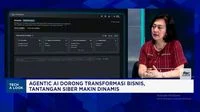
Jakarta, Indonesia — The rapid evolution of corporate digital transformation has entered a transformative new phase marked by the widespread integration of advanced artificial intelligence systems. Among the most significant technological shifts reshaping the modern enterprise landscape is the emergence of Agentic AI. Unlike traditional generative AI tools that primarily generate text, images, or code based on human prompts, Agentic AI systems are designed to operate autonomously. These intelligent agents can execute complex, multi-step workflows across disparate software applications without continuous human intervention. By bridging operational silos and automating intricate business processes, Agentic AI promises unprecedented levels of organizational efficiency, cost reduction, and workforce productivity.
As enterprises across Southeast Asia’s largest economy rush to capture the advantages of this next-generation technology, technology leaders are being forced to reevaluate their foundational digital architectures. Industry giants and network infrastructure providers are stepping up to guide organizations through this complex transition. Cisco Indonesia, a leading subsidiary of the global networking and telecommunications titan Cisco Systems, has positioned itself at the forefront of this movement. The company is actively assisting Indonesian enterprises in modernizing their digital infrastructures to safely and effectively deploy autonomous artificial intelligence agents at scale.
Explosive Demand and Evolving Workplace Dynamics
Recent industry metrics underscore a massive appetite for artificial intelligence integration within the Indonesian corporate sector. According to insights shared by Cisco Indonesia Country Managing Director Cin Cin Go, approximately 97 percent of organizations in Indonesia are actively planning or strategizing to adopt Agentic AI within their operational frameworks. This near-universal interest reflects a profound shift in how local businesses view artificial intelligence—moving away from experimental, isolated pilot projects toward core strategic deployment.
Crucially, the data reveals a nuanced perspective on workforce integration. More than 50 percent of the organizations surveyed express a clear expectation that these autonomous AI agents will work collaboratively alongside human employees, rather than entirely replacing them. This "human-in-the-loop" or cooperative paradigm emphasizes augmentation over displacement, aiming to relieve human workers from repetitive, administrative burdens so they can focus on higher-value creative, strategic, and interpersonal tasks.
However, this high level of enthusiasm brings significant technical and operational hurdles. Deploying autonomous agents that execute actions across multiple enterprise applications demands a level of network reliability, data readiness, and security that many legacy systems simply cannot provide. Without a robust foundation, organizations risk operational bottlenecks, data leakage, and heightened exposure to sophisticated cyber threats.
The Imperative of Infrastructure Modernization
The successful realization of Agentic AI relies heavily on the underlying digital infrastructure. Analysts and technology architects agree that powering autonomous workflows requires more than just high-performance computing clusters; it necessitates an overhaul of enterprise networking, end-to-end security frameworks, and data management pipelines.
Addressing these foundational requirements, Cisco Indonesia has emphasized that organizations must prioritize three critical pillars before scaling their agentic AI initiatives: resilient network infrastructure, comprehensive cybersecurity architecture, and advanced data fabric management.
Cin Cin Go highlighted that as AI agents begin to communicate with external APIs, access sensitive corporate databases, and execute transactions autonomously, the attack surface for malicious actors expands exponentially. Consequently, network infrastructure must be intrinsically fortified with zero-trust security principles. Furthermore, because Agentic AI systems depend on continuous, high-quality data inputs to make accurate decisions, businesses must establish a unified data fabric that seamlessly connects fragmented data silos across hybrid cloud environments. Without clean, accessible, and well-governed data, autonomous agents cannot function reliably, potentially leading to costly operational errors.
Contextualizing the AI Boom in Indonesia
To fully understand the current momentum surrounding Agentic AI in Indonesia, one must examine the broader macroeconomic and regulatory backdrop of the nation’s digital economy. Over the past half-decade, Indonesia has experienced a massive surge in digital adoption, driven by a booming startup ecosystem, government initiatives like "Making Indonesia 4.0," and a digitally native population.
The timeline of artificial intelligence integration in Indonesia has accelerated dramatically:
- 2020–2022 (The Foundation Era): Indonesian enterprises primarily focused on basic cloud migration, enterprise resource planning (ERP) adoption, and rudimentary data analytics to survive pandemic-induced disruptions.
- 2023 (The Generative AI Wave): Following the global explosion of generative AI platforms, local businesses rushed to experiment with chatbots, automated customer service tools, and content generation software.
- 2024–2025 (Strategic Consolidation and Security Awareness): Organizations realized that isolated generative AI tools offered limited long-term return on investment without integration into core workflows. Cybersecurity concerns took center stage as data privacy regulations, such as the Personal Data Protection (PDP) Law, came into full effect.
- 2026 and Beyond (The Age of Autonomous Agents): The current landscape is defined by the shift toward Agentic AI. Enterprises are no longer satisfied with static AI models; they demand active, decision-making agents capable of driving end-to-end business outcomes.
During a recent appearance on the economic analysis program Profit on CNBC Indonesia, hosted by journalist Mercy Widjaja, Cin Cin Go elaborated on these industry shifts. The discussion provided critical insights into how Indonesian corporations are preparing for the infrastructural demands of 2026, navigating the delicate balance between rapid technological innovation and rigorous risk management.
Strategic Responses from Enterprise Leaders
As the commercial deployment of Agentic AI transitions from theory to practice, reactions from industry stakeholders, IT directors, and policy analysts highlight a mixture of high optimism and cautious pragmatism.
Enterprise chief information officers (CIOs) in Indonesia are increasingly recognizing that traditional IT spending models are inadequate for the AI era. Budgets are shifting away from hardware-heavy capital expenditures toward software-defined networking, cloud-native security services, and specialized data engineering. Vendors like Cisco are responding by offering integrated architecture solutions that combine networking hardware with AI-optimized observability and security protocols.
From an economic perspective, business analysts suggest that Indonesian companies that successfully implement Agentic AI could unlock significant competitive advantages, particularly in sectors such as financial services, telecommunications, e-commerce, and logistics. These industries, characterized by high transaction volumes and complex supply chains, stand to benefit immensely from automated cross-application workflows.
However, industry experts also warn against premature scaling. Premature deployment of autonomous agents without adequate testing and guardrails can result in unintended systemic consequences, such as automated compliance breaches or cascading software failures. Therefore, technology leaders are advised to adopt a phased rollout strategy—starting with low-risk internal processes before granting AI agents authority over customer-facing or financially sensitive operations.
Broader Economic and Societal Implications
The widespread adoption of Agentic AI in Indonesia carries profound implications for the nation’s labor market, economic growth, and digital sovereignty.
On the economic front, successful AI integration is projected to boost national productivity, helping Indonesia navigate the middle-income trap by moving up the global value chain. Enhanced efficiency in key sectors can attract foreign direct investment and foster a more resilient domestic business environment capable of competing on the global stage.
Societally, the shift necessitates a massive reskilling and upskilling initiative. While the expectation that AI agents will work alongside humans offers reassurance against mass unemployment, the nature of daily tasks will undeniably change. Workers will need to transition from executing routine processes to supervising, managing, and auditing autonomous systems. Educational institutions, vocational training centers, and corporate human resource departments face an urgent mandate to bridge the digital skills gap, ensuring that the Indonesian workforce remains competitive in an increasingly automated economy.
Furthermore, issues of data sovereignty and regulatory compliance remain paramount. As AI agents process vast quantities of local consumer and corporate data, ensuring compliance with national data residency laws and cybersecurity standards will dictate the long-term viability of these technologies.
Conclusion and Outlook
The dialogue between industry leaders and media platforms highlights a pivotal turning point for Indonesia’s corporate ecosystem. With 97 percent of organizations signaling their intent to adopt Agentic AI, the question is no longer if autonomous agents will reshape Indonesian business, but how fast and how securely the transition can be managed.
As Cisco Indonesia and other technology enablers continue to build the necessary digital scaffolding, the success of this technological leap will depend on strategic foresight, robust infrastructural investments, and an unwavering commitment to cybersecurity. For Indonesian enterprises willing to modernize their foundations, Agentic AI offers a powerful pathway toward unprecedented efficiency, innovation, and sustainable growth in the years ahead.