Azin Asro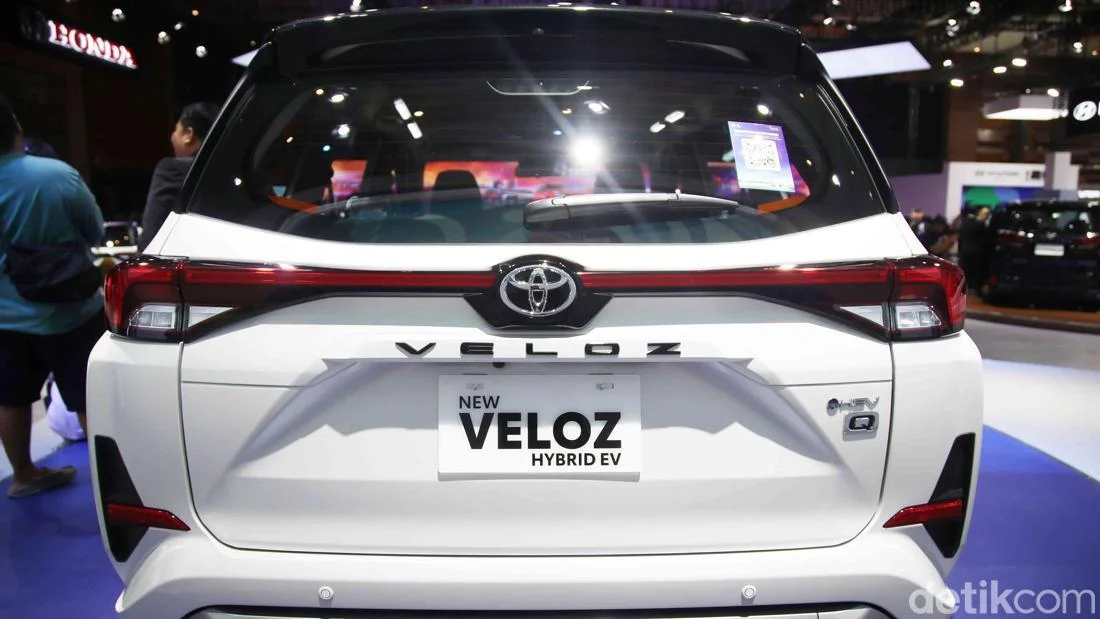
The official fuel recommendation for the Toyota Veloz Hybrid specifies the use of unleaded gasoline with a Research Octane Number (RON) of 90 or higher to ensure optimal engine performance and long-term mechanical reliability. While many modern hybrid powertrains with high compression ratios often mandate higher-octane fuels such as RON 92 or RON 95, Toyota Astra Motor (TAM) has engineered the Veloz Hybrid to remain compatible with RON 90 fuel, a strategic move considering the fuel availability and economic landscape of the Indonesian market. According to the vehicle’s official manual, the engine is designed to operate efficiently on lead-free fuel with an octane rating of 86 or higher, which corresponds to the RON 90 standard commonly found at refueling stations across the archipelago.
The importance of adhering to these fuel specifications cannot be overstated, as the internal combustion component of a hybrid system operates under different thermal and load cycles compared to traditional vehicles. The manual further clarifies that the Veloz Hybrid is compatible with ethanol-blended fuels, specifically those containing up to 20 percent ethanol (E20), provided that the overall octane rating remains at or above the RON 90 threshold. Using fuel with an octane rating lower than the recommended level can lead to engine "knocking" or pre-ignition, a condition where the air-fuel mixture ignites prematurely. Over time, persistent knocking can cause significant damage to piston heads, cylinder walls, and the complex valvetrain of the hybrid power unit, eventually leading to costly repairs and a reduction in fuel efficiency.
The Engineering Behind the 2NR-VEX Hybrid Powertrain
At the heart of the Toyota Veloz Hybrid lies the 2NR-VEX engine, a 1,496 cc four-cylinder unit specifically tuned for hybrid applications. This engine utilizes the Atkinson cycle, which prioritizes thermal efficiency over raw power by keeping the intake valve open longer during the compression stroke. This allows for a more efficient expansion process during the power stroke, making it the ideal partner for an electric motor. On its own, the internal combustion engine produces a maximum power output of 91 PS and a peak torque of 121 Nm.
The mechanical output is supplemented by a permanent magnet synchronous motor that contributes an additional 80 PS and 141 Nm of torque. When these two power sources work in tandem, the Veloz Hybrid offers a seamless driving experience, characterized by instantaneous torque from the electric motor at low speeds and sustained power from the gasoline engine during highway cruising. Energy storage is handled by a 4.3 Ah lithium-ion battery pack, which is more energy-dense and lighter than the nickel-metal hydride (NiMH) batteries used in older hybrid generations. This compact battery placement ensures that the Veloz maintains its practical three-row seating configuration and cargo space, which are essential requirements for the Indonesian multi-purpose vehicle (MPV) segment.
Advanced Driver Assistance: The Evolution of Toyota Safety Sense
Beyond the transition to an electrified powertrain, the New Veloz Hybrid introduces significant upgrades to its onboard technology suite, specifically addressing consumer feedback regarding long-distance driving comfort and safety. The latest iteration of Toyota Safety Sense (TSS) in the Veloz Hybrid now includes an enhanced Adaptive Cruise Control (ACC) system. Unlike traditional cruise control, which maintains a constant speed, ACC uses radar and camera sensors to monitor the distance to the vehicle ahead. The system automatically adjusts the Veloz’s speed to maintain a safe following distance, even in varying traffic conditions, thereby reducing driver fatigue during highway commutes.
The integration of TSS represents Toyota’s commitment to democratizing safety technology. In addition to ACC, the suite typically includes features such as the Pre-Collision System (PCS), Lane Departure Warning (LDW), Lane Departure Prevention (LDP), and Front Departure Alert (FDA). These systems work collectively to provide a "safety cocoon" around the vehicle, utilizing high-frequency sensors to detect potential hazards that may be missed by the driver. The inclusion of these features in the Veloz Hybrid positions it as a premium offering within the "Low MPV" category, bridging the gap between entry-level family cars and luxury SUVs.
Chronology and Market Context of the Veloz Hybrid Launch
The introduction of the Veloz Hybrid marks a pivotal moment in the history of the "Avanza-Veloz" lineage, which has dominated the Indonesian automotive market for two decades. Originally introduced as the premium trim of the Toyota Avanza, the Veloz was spun off into a standalone model with the launch of the third generation in late 2021. This move allowed Toyota to position the Veloz as a more sophisticated, lifestyle-oriented vehicle, while the Avanza continued to serve the value-conscious and commercial segments.
The development of the Hybrid variant follows the successful launch of the Innova Zenix Hybrid and the Yaris Cross Hybrid. Toyota’s "Multi-Pathway" strategy in Indonesia aims to provide various levels of electrification—ranging from fuel-efficient internal combustion engines and hybrids to plug-in hybrids and battery electric vehicles (BEVs)—to suit the diverse needs and infrastructure levels of different regions. The Veloz Hybrid is the latest execution of this strategy, targeting the mass-market segment where fuel economy and resale value are the primary drivers of consumer behavior. The decision to make the vehicle compatible with RON 90 fuel is a direct response to the Indonesian government’s fuel subsidy policies and the widespread availability of "Pertalite," ensuring that the benefits of hybrid technology are accessible to a broader demographic.
Detailed Pricing and Variant Analysis
Toyota has structured the Veloz Hybrid lineup to cater to a wide range of aesthetic preferences and technological requirements. The pricing starts at approximately Rp 303 million and scales up to Rp 389 million for the top-tier configurations. The price variance is determined by three main factors: the inclusion of the Toyota Safety Sense suite, the addition of the "Modellista" aero-kit, and the choice of premium or two-tone paint finishes.
The comprehensive price list for the Toyota Veloz Hybrid is as follows:
- Veloz Hybrid V (non-premium color): Rp 303 million
- Veloz Hybrid V (premium color): Rp 304.5 million
- Veloz Hybrid Q (non-premium color): Rp 325 million
- Veloz Hybrid Q (premium color): Rp 326.5 million
- Veloz Hybrid Q Modellista (non-premium color): Rp 350 million
- Veloz Hybrid Q Modellista (premium color): Rp 351.5 million
- Veloz Hybrid Q Modellista Two Tone (non-premium color): Rp 352.5 million
- Veloz Hybrid Q Modellista Two Tone (premium color): Rp 354 million
- Veloz Hybrid Q Modellista with TSS (non-premium color): Rp 385 million
- Veloz Hybrid Q Modellista with TSS (premium color): Rp 386.5 million
- Veloz Hybrid Q Modellista with TSS Two Tone (non-premium color): Rp 387.5 million
- Veloz Hybrid Q Modellista with TSS Two Tone (premium color): Rp 389 million
The "Modellista" variants are particularly significant as they cater to the Indonesian consumer’s preference for sporty and aggressive styling. These versions include custom front and rear bumpers, side skirts, and unique alloy wheel designs that distinguish the vehicle from standard models. The "Two Tone" options, which typically feature a black-painted roof contrasting with the body color, further enhance the vehicle’s premium appeal.
Broader Implications for the Indonesian Automotive Industry
The launch of the Veloz Hybrid is expected to accelerate the adoption of electrified vehicles in Indonesia. As the country seeks to reduce its carbon footprint and decrease its reliance on imported fossil fuels, the transition to hybrid electric vehicles (HEVs) offers a pragmatic middle ground. HEVs do not require external charging infrastructure, which remains limited in many parts of Indonesia, yet they provide a significant reduction in fuel consumption and CO2 emissions compared to conventional internal combustion engines.
Industry analysts suggest that Toyota’s move will likely prompt competitors to expedite their own hybrid offerings in the sub-Rp 400 million price bracket. This competition is beneficial for consumers, as it leads to more choices, better features, and more competitive pricing. Furthermore, the local assembly of hybrid components, such as batteries and motors, is a key objective of the Indonesian government’s industrial roadmap. By introducing high-volume models like the Veloz Hybrid, Toyota contributes to the scale necessary to make local component manufacturing more viable.
In conclusion, the Toyota Veloz Hybrid represents a calculated balance between advanced technology and market practicality. By recommending RON 90 fuel while offering a high-efficiency 2NR-VEX hybrid system and a comprehensive safety suite, Toyota has tailored the vehicle to the specific demands of the Indonesian driver. As the automotive landscape continues to shift toward sustainability, the Veloz Hybrid stands as a testament to how established nameplates can evolve to meet the challenges of a new era without sacrificing the utility and accessibility that made them successful in the first place. Owners are encouraged to follow the manufacturer’s fuel guidelines strictly to protect their investment and ensure that the vehicle delivers its promised environmental and economic benefits throughout its operational life.