Azin Asro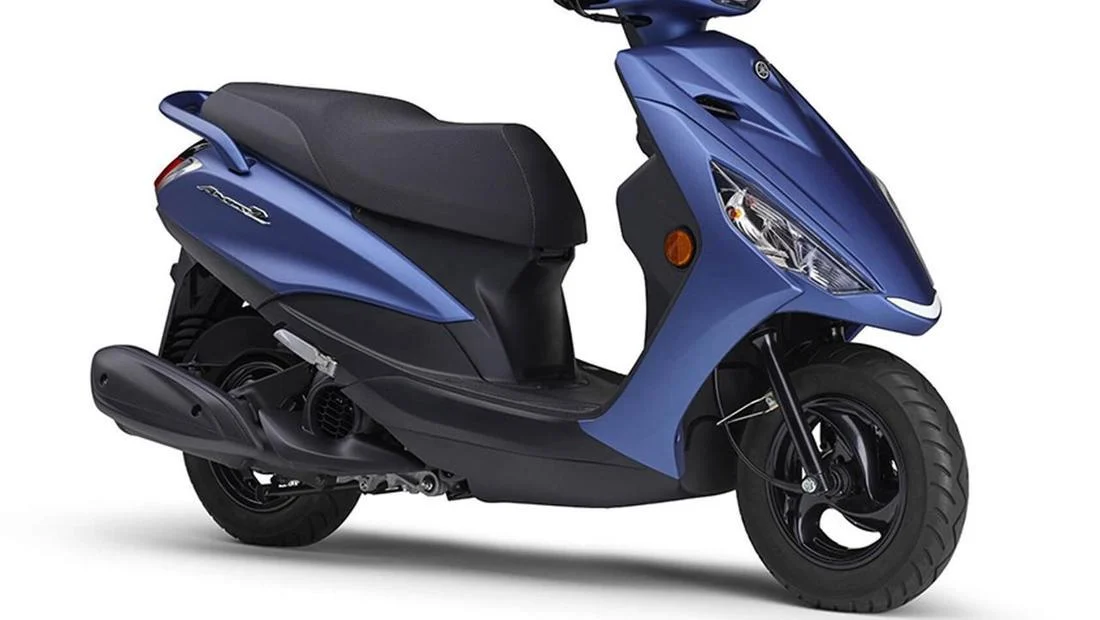
Yamaha Motor Co., Ltd. has officially unveiled the 2026 iteration of the Yamaha Axis Z, a mainstay in the Japanese domestic market’s 125cc scooter segment. Designed primarily as a high-utility urban commuter, the latest model reinforces Yamaha’s commitment to practical mobility solutions by balancing compact dimensions with class-leading storage capacity. The 2026 Axis Z arrives at a time when urban congestion and the demand for fuel-efficient personal transport are peaking, offering a refined package that prioritizes ease of use, mechanical reliability, and economic operation. While many modern scooters have trended toward aggressive, "maxi-scooter" aesthetics, the Axis Z remains steadfast in its philosophy of functional simplicity, targeting a broad demographic ranging from daily office commuters and students to those requiring a nimble vehicle for household errands.
Strategic Design and Ergonomic Excellence
The design language of the 2026 Yamaha Axis Z is a testament to the "form follows function" principle. In an environment like Tokyo or Osaka, where parking space is at a premium and street navigation can be tight, the physical footprint of a vehicle is a critical factor for consumers. The Axis Z maintains a remarkably compact profile, measuring 1,790 mm in length, 685 mm in width, and 1,145 mm in height. These dimensions, paired with a wheelbase of 1,275 mm, ensure that the scooter remains agile enough to navigate through heavy traffic and fit into the narrowest of parking bays.
Weight management is another area where Yamaha engineers have excelled. The 2026 model tips the scales at approximately 100 kg. This lightweight construction is a significant advantage for a variety of riders, particularly those who may find heavier 150cc or 250cc scooters intimidating to maneuver manually or when coming to a stop. The low curb weight is complemented by a seat height of 770 mm, which allows riders of various statures to plant both feet firmly on the ground, enhancing confidence during frequent stop-and-go city riding.
The 37.5-Liter Storage Benchmark
The defining characteristic of the Yamaha Axis Z 2026 is undoubtedly its under-seat storage compartment. Boasting a massive 37.5-liter capacity, the Axis Z offers one of the largest storage volumes in the 125cc class. This space is deep and wide enough to accommodate two jet-style helmets or a single full-face helmet alongside additional gear such as rain suits, gloves, or a laptop bag.
For the modern urban dweller, this storage capacity transforms the scooter from a mere transport device into a versatile tool. It eliminates the need for bulky external top boxes for many users, preserving the scooter’s streamlined silhouette and low center of gravity. Whether it is a grocery run after work or carrying study materials for university, the 37.5-liter trunk addresses the primary pain point of small-displacement motorcycles: the lack of secure, weather-protected cargo space.
Performance and Blue Core Engineering
Under the sleek bodywork lies Yamaha’s proprietary Blue Core engine technology. The 2026 Axis Z is powered by a 124cc, 4-stroke, SOHC, 2-valve, single-cylinder air-cooled engine. This powerplant is engineered to maximize three key areas: combustion efficiency, cooling efficiency, and the reduction of power loss through friction.
The engine produces a maximum output of 8.3 horsepower (ps) at 7,000 rpm and a peak torque of 9.8 Nm at 5,000 rpm. While these figures may seem modest compared to performance-oriented models like the Yamaha Cygnus Gryphus, the Axis Z’s engine is tuned specifically for low-to-mid-range torque. This ensures brisk acceleration from a standstill, which is vital for clearing intersections and maintaining pace in urban environments. The power is delivered to the rear wheel via a smooth, reliable V-belt continuously variable transmission (CVT), providing a "twist-and-go" experience that requires minimal effort from the rider.
A standout technical feature of the 2026 model is the Smart Motor Generator (SMG). This system integrates the traditional starter motor and the generator into a single unit. By directly cranking the crankshaft, the SMG eliminates the noise associated with the engagement of starter gears, resulting in a nearly silent and incredibly smooth engine start. This technology also paves the way for a more refined stop-start system, reducing fuel consumption and emissions during idle periods.
Safety and Braking Systems
Yamaha has not compromised on safety for the 2026 Axis Z. The scooter is equipped with the Unified Brake System (UBS), Yamaha’s version of combined braking. When the rider applies the rear brake, the system automatically distributes a portion of the braking force to the front disc brake. This ensures more stable and balanced deceleration, preventing the rear wheel from locking up prematurely and reducing the pitching motion of the vehicle during sudden stops.
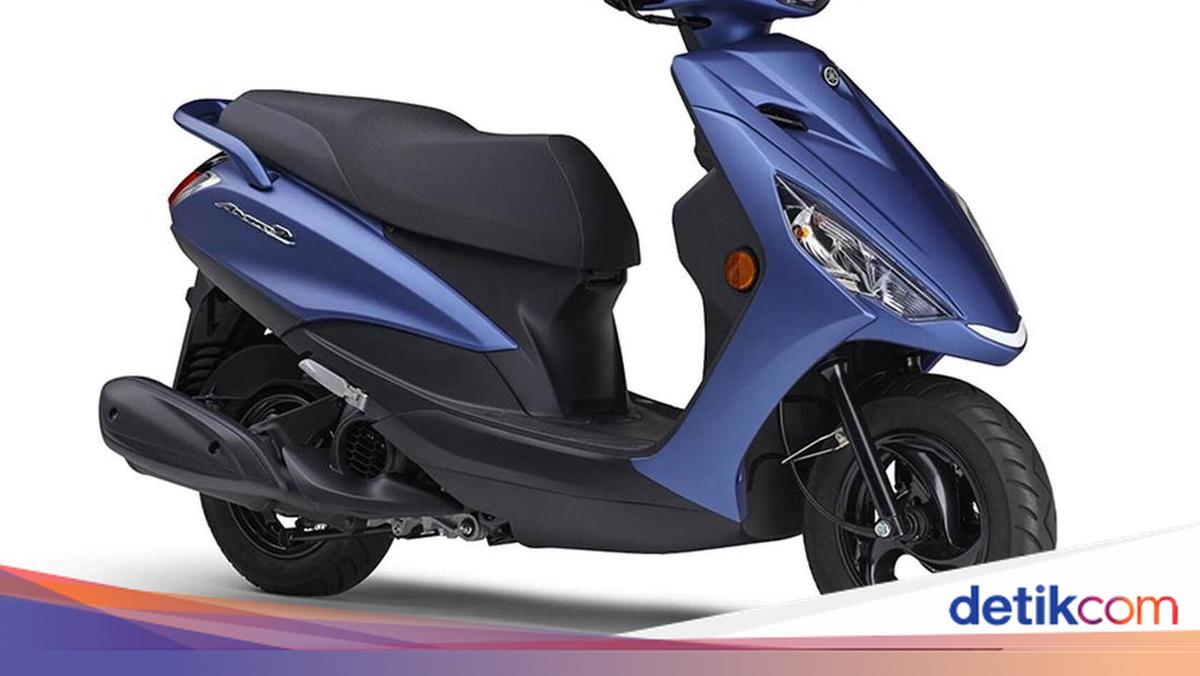
The braking hardware consists of a hydraulic disc brake at the front and a traditional drum brake at the rear. The choice of 10-inch wheels on both the front and rear, wrapped in 100/90-10 tires, further emphasizes the scooter’s focus on agility. The smaller wheel diameter allows for quicker steering response and a tighter turning radius, though Yamaha has tuned the suspension—telescopic forks at the front and a unit swingarm at the rear—to ensure that stability is not sacrificed at cruising speeds.
Aesthetic Refinements and Market Positioning
For the 2026 model year, Yamaha has introduced a refreshed color palette designed to appeal to both professional and lifestyle-oriented buyers. The new options include:
- Bluish White Pearl 1: A premium, clean look that highlights the scooter’s modern lines.
- Matte Dull Purplish Blue Metallic 2: A sophisticated, contemporary finish that caters to younger urban professionals.
- Dark Bluish Gray Metallic 8: A subtle, understated tone suitable for corporate environments.
- Black Metallic X: A classic, timeless option that remains a favorite in the Japanese market.
These colors are applied using high-durability coatings designed to withstand the rigors of outdoor parking and daily exposure to the elements. The overall aesthetic remains conservative yet polished, ensuring the vehicle looks appropriate in any setting, from a high-end office district to a local supermarket.
Historical Context and Market Evolution
The Yamaha Axis lineage has a long-standing history in Japan, dating back to the early 1990s. Originally launched as a 50cc and 90cc platform, the Axis series was always positioned as the more practical, "sensible" sibling to the sporty Yamaha Jog or the rugged BW’s. Over the decades, as licensing regulations in Japan evolved and the "Gento 2" (Class 2 Moped, up to 125cc) category became the preferred choice for commuters due to its ability to carry passengers and its exemption from the 30 km/h speed limit imposed on 50cc bikes, the Axis transitioned into the 125cc segment.
The 2026 Axis Z represents the pinnacle of this evolution. It reflects a deep understanding of the Japanese consumer’s preference for reliability over flashiness. In the current economic climate, where fuel prices are subject to global volatility, the Axis Z’s fuel tank capacity of 5.5 liters, combined with its highly efficient Blue Core engine, offers an impressive range that minimizes the frequency of gas station visits.
Competitive Landscape and Analysis
In the 125cc commuter segment, the Yamaha Axis Z faces stiff competition from the Honda Lead 125 and the Suzuki Address 125. While the Honda Lead 125 is often cited for its liquid-cooled engine and slightly higher tech features, the Axis Z counters with its lower curb weight and more accessible price point. The Suzuki Address, on the other hand, leans into a more "neo-retro" look, whereas the Axis Z maintains a strictly modern, utilitarian design.
Industry analysts suggest that Yamaha’s decision to keep the Axis Z air-cooled is a strategic one. Air-cooled engines are lighter, have fewer moving parts (no radiator, coolant, or water pump), and are generally cheaper to maintain over the long term. For a vehicle intended for high-mileage daily use, these factors contribute to a lower Total Cost of Ownership (TCO), which is a primary driver for purchase in the commuter segment.
Broader Implications for Urban Mobility
The launch of the 2026 Axis Z also highlights a broader trend in the automotive and motorcycle industry: the optimization of internal combustion engines (ICE) alongside the push for electrification. While Yamaha is actively developing electric scooters like the E01 and NEO’s, the company recognizes that for many riders, the infrastructure for electric charging is not yet as convenient as a five-minute petrol refill. By refining the Blue Core engine to be as clean and efficient as possible, Yamaha provides a pragmatic solution for reducing carbon footprints in the interim.
Furthermore, the emphasis on storage and ease of use reflects the changing nature of city life post-pandemic. With more people opting for personal transport over crowded public transit for short-to-medium distance trips, vehicles like the Axis Z serve as the "last-mile" and "middle-mile" solution. The 37.5-liter storage is particularly relevant in the "gig economy" era, where many riders use their personal vehicles for light delivery work or flexible commuting.
Conclusion
The 2026 Yamaha Axis Z stands as a masterclass in functional engineering. By focusing on the core needs of the urban rider—storage, maneuverability, and efficiency—Yamaha has created a vehicle that transcends the "entry-level" label. It is a specialized tool for modern living, proving that innovation does not always require high-speed performance or futuristic gadgets. Instead, innovation can be found in the silence of a Smart Motor Generator, the balance of a Unified Brake System, and the sheer convenience of a 37.5-liter trunk. As it rolls onto Japanese streets, the Axis Z is poised to continue its legacy as a reliable partner for the daily grind, offering a blend of Japanese reliability and thoughtful design that remains difficult to beat in the 125cc class.