Bambang Pamungkas
Global energy markets faced an immediate shock on Saturday, September 12, 2026, following a coordinated series of drone strikes targeting the critical East-West Pipeline in Saudi Arabia. The aerial bombardment, which inflicted severe structural damage and triggered massive fires visible from space, forced state authorities to execute an emergency shutdown of the vital hydrocarbon artery. Preliminary investigations indicate that the unmanned aerial vehicles (UAVs) used in the assault were launched from the Maysan province in neighboring Iraq, a region situated near the Iranian border. This brazen assault on sovereign infrastructure not only highlights the persistent vulnerabilities plaguing Middle Eastern energy networks but also threatens to destabilize global crude supply chains at a time of delicate macroeconomic equilibrium.
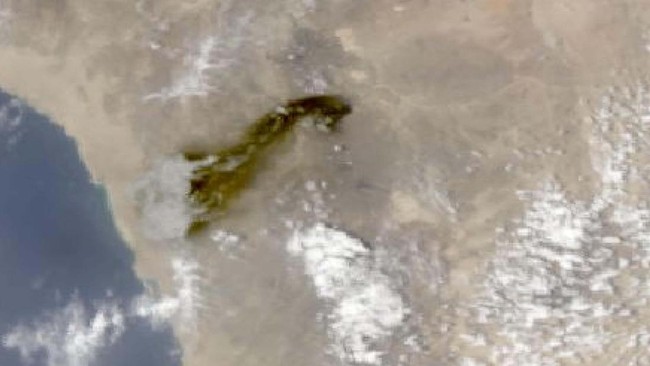
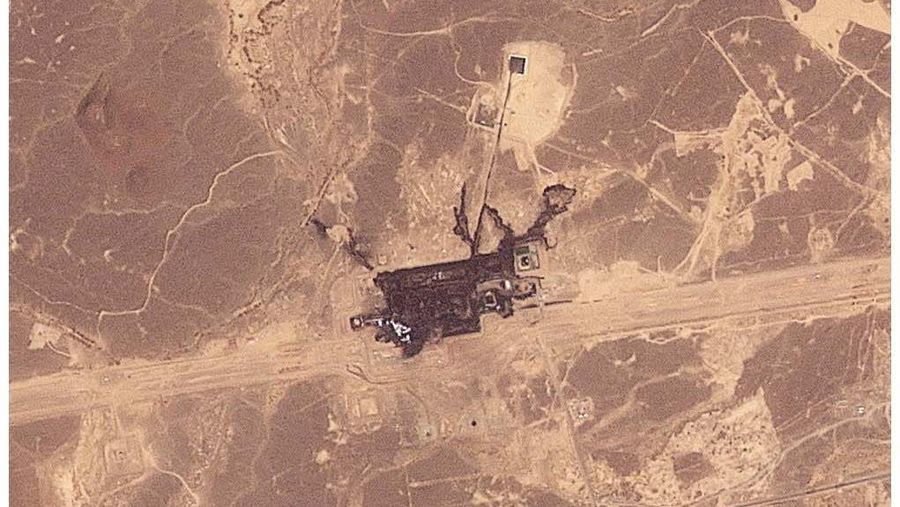
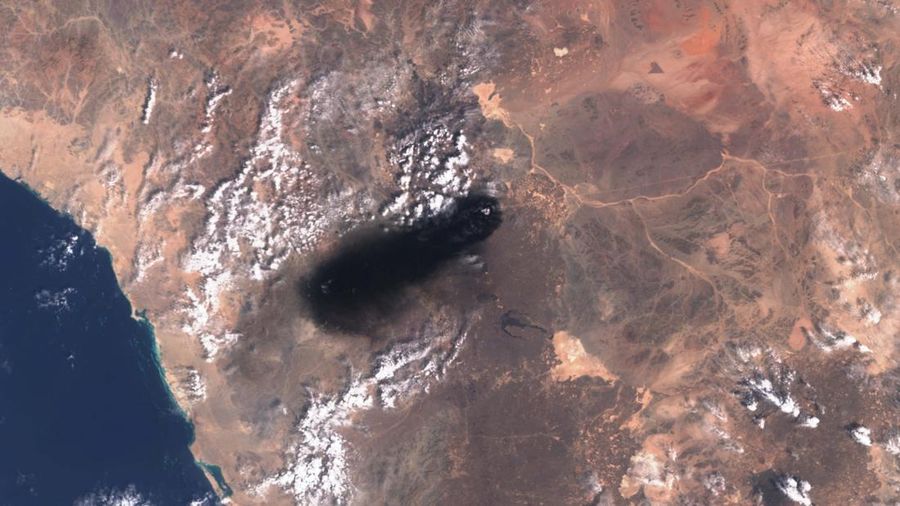
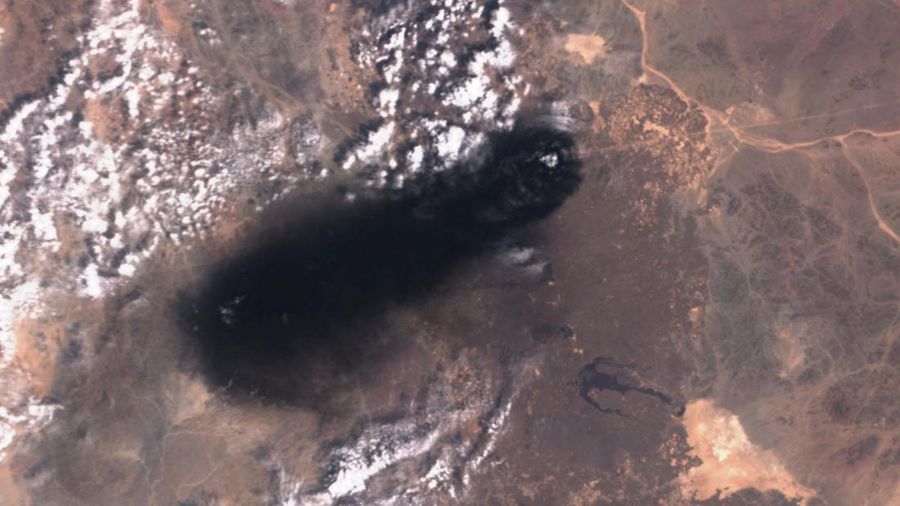
Satellite imagery captured by Planet Labs PBC on September 10 and subsequent days revealed towering plumes of thick black smoke billowing from the pipeline facilities located just south of Medina within the Hejaz region of Saudi Arabia. The visual confirmation underscores the precision and destructive capacity of the incoming drones, which managed to breach the security perimeters of one of the world’s most heavily guarded energy installations. The resulting blasts scorched the surrounding desert terrain, severely damaged critical pumping stations, and reportedly caused a number of casualties among on-site personnel, prompting immediate emergency response efforts from Saudi civil defense and industrial security forces.
Strategic Importance of the East-West Pipeline
To fully comprehend the gravity of the September 12 incident, one must examine the indispensable role that the East-West Pipeline plays in both the Saudi national economy and the global energy architecture. Spanning approximately 1,200 kilometers (745 miles), the pipeline connects the vast oil fields of Saudi Arabia’s Eastern Province—specifically the mammoth Abqaiq processing facilities and Ghawar oil field—with the Red Sea port city of Yanbu in the west.
Before the emergency shutdown, the pipeline was responsible for transporting millions of barrels of crude oil daily, accounting for roughly 4% to 5% of total global oil consumption. Historically and strategically, the infrastructure serves as a crucial geographical bypass. It allows Riyadh to transport petroleum from the Persian Gulf directly to international shipping routes in the Red Sea, thereby circumventing the geopolitically volatile Strait of Hormuz. The strait, a narrow and vital maritime chokepoint separating Oman and Iran, has long been a flashpoint for regional tensions and potential blockades. By disabling a key alternative to maritime transit through the Strait of Hormuz, the drone strikes directly challenge Saudi Arabia’s capacity to maintain secure, uninterrupted exports to Western and Asian markets.
Chronology of the Crisis
The unfolding crisis began in the early hours of the weekend, culminating in the formal shutdown announcement on Saturday, September 12, 2026. However, intelligence and commercial satellite data suggest that pre-cursor activities and localized impacts may have commenced days prior, with thermal signatures and smoke plumes first detected around September 10.
According to reports citing international news agencies such as Reuters, the attack vector was traced back to Maysan province in southeastern Iraq. The utilization of Iraqi territory as a launchpad for sophisticated drone operations introduces a complex cross-border dynamic to the incident, dragging Baghdad into a high-stakes geopolitical confrontation.
Upon receiving telemetry and physical confirmation of the attacks, Saudi energy conglomerate Saudi Aramco, in coordination with government security apparatuses, initiated pre-planned emergency protocols. These protocols mandated the immediate suspension of pumping operations along the affected sectors of the East-West pipeline to prevent catastrophic environmental contamination, contain raging fires, and facilitate secure access for engineering and repair crews.
Iraqi Government and Regional Reactions
The disclosure that the drones originated from Iraqi soil prompted an immediate and intense diplomatic and security response from Baghdad. Recognizing the severe implications for bilateral relations and regional stability, the government of Iraq launched a sweeping, high-level internal investigation into the security failure within the Maysan governorate.
In a swift display of accountability, Iraqi authorities announced the immediate dismissal of the senior military commander overseeing operations in the Maysan province. Military intelligence units, alongside federal police, were deployed to comb the remote border areas to identify local collaborators, dismantle potential logistical cells, and recover debris from the downed or exploded drones. Analysts note that while the central government in Baghdad maintains official control over its territory, various armed factions and militia networks operate with varying degrees of autonomy, posing persistent challenges to state-enforced security along porous international boundaries.
In Riyadh, high-level emergency cabinets convened to assess the structural damage and coordinate defensive postures. While official statements from Saudi ministries emphasized the resilience of the kingdom’s broader energy grid and the implementation of alternative storage and transit contingencies, market watchers noted an unmistakable undertone of heightened security alert across all Gulf Cooperation Council (GCC) member states.
Economic Implications and Global Market Vulnerabilities
The timing of the East-West Pipeline shutdown sends immediate shockwaves through international financial and commodity markets. Crude oil futures experienced sharp volatility in pre-market trading following the news, as traders factored in the sudden removal of significant pipeline capacity from the global ledger.
Although Saudi Arabia maintains strategic petroleum reserves and alternative export terminals, the prolonged closure of a conduit moving up to 5% of global supply forces a re-evaluation of energy risk premiums. If repair efforts are protracted due to the severity of the structural damage, refined product and Brent crude prices face upward pressure, potentially stoking inflationary headwinds in energy-importing nations across Europe and Asia.
Furthermore, the attack underscores a broader, persistent vulnerability: the democratization of asymmetric warfare via low-cost unmanned aerial systems. The relative ease with which non-state actors or proxy forces can acquire, modify, and launch long-range kamikaze drones against hardened industrial targets represents an ongoing nightmare for critical infrastructure defense. Traditional air defense systems, designed primarily to intercept high-altitude ballistic missiles and supersonic aircraft, often struggle with the low-radar cross-section and unpredictable flight paths of modern loitering munitions.
Conclusion and Outlook
As cleanup and damage-assessment teams gain access to the stricken sectors near Medina, the international community watches closely to see how Saudi Arabia and Iraq manage the diplomatic fallout. The incident serves as a stark reminder of how deeply interconnected regional security, geopolitical rivalries, and global economic stability remain. With the East-West Pipeline temporarily silenced, the pressure now rests on intelligence agencies to definitively trace the command chain behind the Maysan launch site, while engineers race against time to restore integrity to one of the world’s most critical energy lifelines.