Eko Sulistyo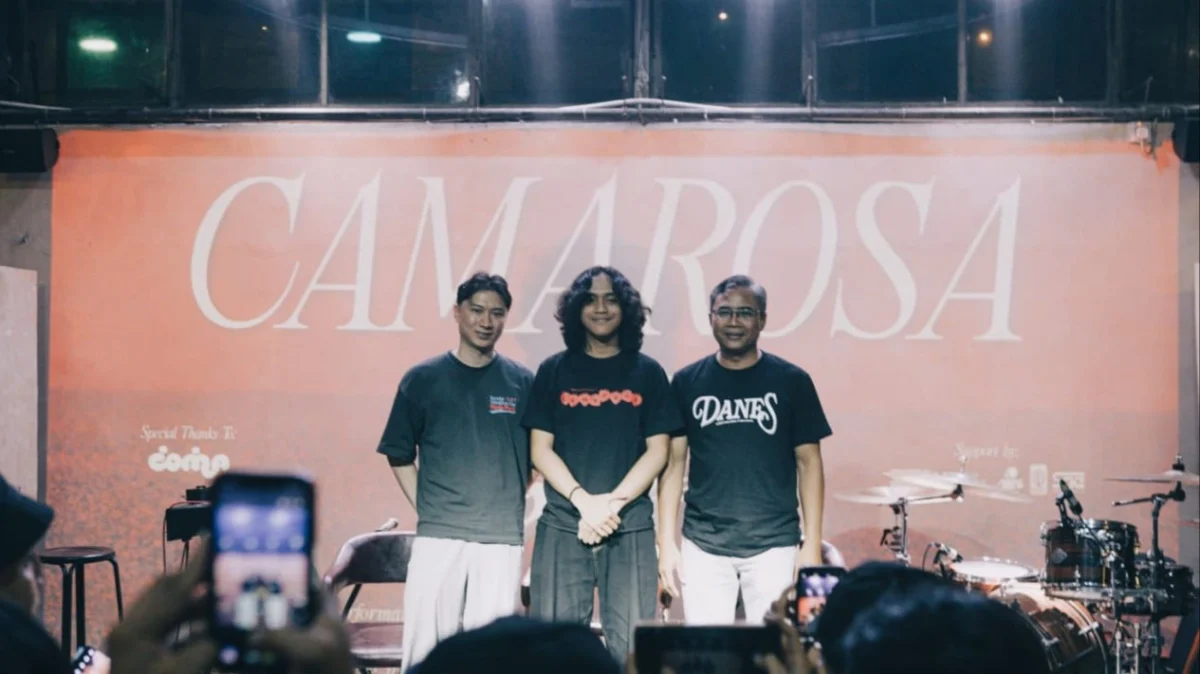
The Indonesian music landscape witnessed a significant transition on the evening of Friday, May 15, 2026, as 18-year-old musician Danes Rabani officially inaugurated his professional career with the launch of his debut studio album, Camarosa. Held at the Coma venue within the culturally significant M Bloc Space in South Jakarta, the "Camarosa Album Showcase" served as a formal introduction for the young artist, who has spent the better part of a decade evolving from a viral child performer into a mature singer-songwriter. The event was not merely a promotional exercise but a curated live experience, attended by industry veterans, fellow musicians, and a dedicated fanbase that has followed Rabani’s trajectory since his early years.
A New Chapter for a Prodigious Talent
Danes Rabani’s ascent within the Indonesian music industry is a narrative of persistence and early-onset professionalism. While many artists find their footing in their early twenties, Rabani’s debut at 18 follows years of groundwork. The showcase at M Bloc Space functioned as a live debut for the tracks within Camarosa, an album that aims to blend contemporary sensibilities with the narrative depth often found in the works of Indonesia’s legendary troubadours.
The choice of venue, M Bloc Space, carries its own weight in the Jakarta creative scene. As a hub for youth culture and independent expression, it provided the appropriate "intimate" atmosphere required to showcase the nuanced songwriting present in Rabani’s new material. Throughout the night, Rabani performed his entire repertoire from the album, demonstrating a vocal maturity and stage presence that suggests a musician far beyond his teenage years.
The Influence of a Legend: The Iwan Fals Connection
One of the most compelling aspects of Danes Rabani’s development is his long-standing association with Iwan Fals, a titan of Indonesian folk and protest music. The relationship between the two is not merely superficial; it is rooted in direct mentorship that has shaped Rabani’s approach to songwriting. During the showcase, Rabani shared a pivotal piece of advice he received from Fals: the importance of observing one’s surroundings.
According to Rabani, the legendary musician encouraged him to look beyond abstract themes and instead focus on the tangible emotions and social dynamics present in his immediate environment. This philosophy of "writing what you feel from the closest circle" is a hallmark of the Iwan Fals school of songwriting, which prioritizes authenticity and social observation over commercial polish. This influence was underscored during the event when a surprise video message from Iwan Fals was projected for the audience. The gesture served as a symbolic "passing of the torch" or, at the very least, a high-level endorsement that few young artists receive.
The history between the two musicians dates back to when Rabani was in the fifth grade. At that time, he was already performing on significant stages and had the rare opportunity to perform duets with Fals. This early exposure to the rigors of professional performance and the standards of a musical icon provided Rabani with a foundation that distinguishes him from the current crop of "instant" digital celebrities.
From Digital Recognition to Industry Validation
While his connection to legacy musicians provides him with traditional credibility, Danes Rabani is also a product of the modern digital era. His YouTube channel, which currently boasts over 600,000 subscribers, has been the primary vehicle for his creative output for years. This digital-first approach allowed him to build a loyal community before ever signing a major label deal.
However, the release of Camarosa marks his transition into the structured music industry under the banner of Firefly Records. Michael Widjaja, the General Manager of Firefly Records, highlighted that Rabani was identified as a "complete package" long before his official signing. Widjaja noted that the ability to produce a cohesive full-length album at the age of 18 is an anomaly in an industry that currently favors single-release strategies and short-form viral content.
"Danes is a young musician with a complete package and great potential in the music industry," Widjaja stated. He emphasized that the technical proficiency Rabani displays, combined with his established digital footprint, positions him as a significant player in the upcoming generation of Indonesian soloists.
The Camarosa Showcase: A Night of Live Artistry
The event on May 15 was structured to highlight the collaborative nature of the local music scene. The evening commenced with opening performances by Jalesdeva and Noord, two acts that set a contemplative and artistic tone for the night. Their inclusion pointed to a burgeoning collective of young artists who are prioritizing live instrumentation and lyrical depth.
When Rabani finally took the stage, the atmosphere shifted to one of focused intimacy. The setlist was a comprehensive traversal of the Camarosa album, including tracks such as "Gelap Yang Tak Lekas Terang" (A Darkness That Doesn’t Quickly Brighten), "Sunny," and "Mine." The focal point of the performance was the track "Pesona" (Charm), which has been positioned as the lead single for the album’s launch phase.
The live arrangements of these songs revealed a sophisticated blend of genres, likely influenced by the eclectic tastes of Gen Z listeners who draw from indie-pop, folk, and alternative rock. The performance of "Gelap Yang Tak Lekas Terang," in particular, was noted by attendees for its evocative lyrics and moody melodic structure, reflecting the "observe the surroundings" advice Rabani had internalized from his mentor.
Analysis of the Debut and Its Implications
The release of Camarosa and the subsequent showcase reflect several broader trends in the Indonesian music industry of 2026. First, there is a clear resurgence of the "singer-songwriter" model, where young artists are seeking to control their narrative and production rather than serving as mere performers for hire. Rabani’s insistence on writing his own material—informed by real-world observation—aligns him with a global shift toward "bedroom pop" authenticity, albeit with a higher level of professional polish.
Second, the involvement of a figure like Iwan Fals suggests a bridge being built between the "Old Guard" of Indonesian music and the digital natives. For decades, the Indonesian music industry was defined by distinct eras (the 90s band boom, the 2000s pop era). In 2026, these lines are blurring, as veterans recognize that the future of the industry lies in supporting young talents who respect the craftsmanship of the past while navigating the platforms of the future.
Third, the success of the Camarosa launch at M Bloc Space validates the importance of physical creative hubs. Despite the dominance of streaming services, the "showcase" format remains the gold standard for establishing an artist’s legitimacy. For Rabani, the transition from a "YouTube musician" to a "recording artist" was finalized the moment he stepped onto the Coma stage.
Future Outlook for Danes Rabani
With the official launch of Camarosa, Danes Rabani faces the challenge of maintaining the momentum generated by his debut. The support from Firefly Records and the endorsement from Iwan Fals provide a formidable head start. However, the true test will be how the album resonates with the broader public beyond his existing 600,000 subscribers.
Industry analysts suggest that Rabani’s path could mirror that of other successful Indonesian soloists who transitioned from child stardom to adult relevance by focusing on thematic maturity. As he embarks on promotional tours and potential festival appearances throughout 2026, the focus will remain on his ability to translate his "local observations" into universal themes that resonate with a nationwide audience.
The Camarosa era is more than just a collection of songs; it is a statement of intent from an artist who has been preparing for this moment for over a decade. By balancing the wisdom of the legends who came before him with the digital savvy of his own generation, Danes Rabani has positioned himself as a vanguard of the new Indonesian sound. As the music industry continues to navigate the complexities of the mid-2020s, artists like Rabani—who prioritize storytelling and live performance—are likely to be the ones who define the cultural zeitgeist.