Chalifah Fatihah
Jakarta, CNN Indonesia — Diabetes mellitus, a chronic metabolic disorder characterized by elevated blood glucose levels, extends its damaging influence far beyond mere blood sugar fluctuations. This pervasive disease poses a significant threat to various organs, including the delicate structures of the eye, often progressing unnoticed until severe complications arise. Experts are emphasizing the critical need for proactive management and regular monitoring to avert potentially irreversible vision loss.
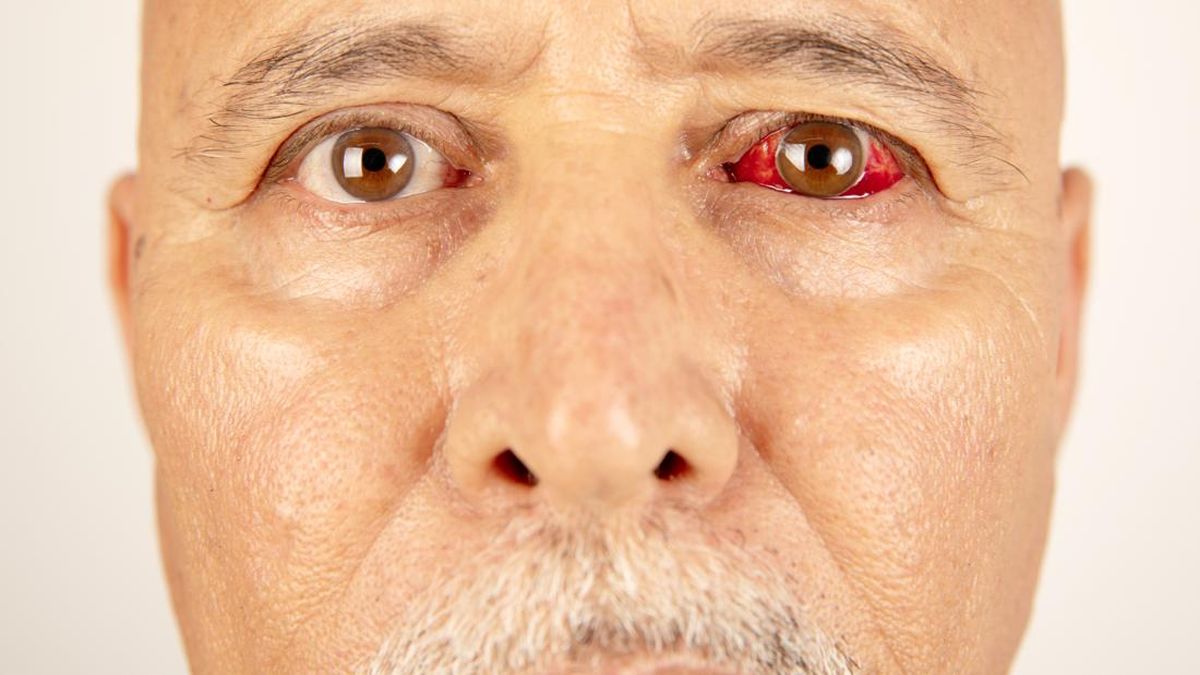
Dr. Dearaini, an ophthalmologist at Eka Hospital Permata Hijau, elaborated on the eye’s vulnerability to diabetes. "The eyes are particularly susceptible because they possess extremely small and fine blood vessels," she explained during a press conference in South Jakarta on Tuesday (April 14th). "When blood sugar levels are uncontrolled, these minuscule vessels can become damaged, leading to a cascade of problems, including bleeding."
This damage to the retinal blood vessels is medically termed diabetic retinopathy, a leading cause of vision impairment and blindness among adults. The retina, the light-sensitive tissue at the back of the eye, is responsible for converting light into neural signals that the brain interprets as images. Diabetic retinopathy develops in stages, with its severity varying significantly from mild to severe, and unfortunately, there is no definitive endpoint to its progression.
The Insidious Progression of Diabetic Retinopathy
In its nascent stages, diabetic retinopathy may manifest as subtle signs that often escape notice. These can include tiny hemorrhages, appearing as pinpricks of blood, thinning of the optic nerve fibers, or other minor alterations in the retinal tissue. While these initial symptoms might seem insignificant, they are crucial indicators of underlying vascular damage.
As diabetes remains poorly controlled, the disease advances. In the more advanced, or proliferative, stage, the body attempts to compensate for the damaged blood vessels by growing new ones. However, these neovascular vessels are inherently abnormal: they are fragile, leaky, and prone to rupture. This proliferation is a hallmark of severe diabetic retinopathy and is the primary driver of significant intraocular bleeding. When these new vessels bleed into the vitreous humor (the gel-like substance filling the eye), it can lead to sudden and severe vision loss, often described as floaters or a curtain obscuring vision.
The insidious nature of diabetic retinopathy underscores the importance of routine eye examinations for all individuals diagnosed with diabetes. Early detection is paramount in intervening before irreversible damage occurs. The American Academy of Ophthalmology recommends that individuals with diabetes have a comprehensive dilated eye exam at least annually, or more frequently if recommended by their eye doctor. For those with type 1 diabetes, the first eye exam should occur within five years of diagnosis, while for type 2 diabetes, it should be done at the time of diagnosis.
Beyond Bleeding: Macular Edema and Cataracts
The damaging effects of diabetes on the eyes are not limited to bleeding. Another significant complication is diabetic macular edema (DME). The macula, a small central area of the retina, is responsible for sharp, central vision, enabling us to see fine details, read, and recognize faces. When diabetes causes increased leakage from the damaged blood vessels in the retina, fluid can accumulate in the macula, causing it to swell.
"If the macula becomes swollen, injections of medication are typically required to reduce the inflammation and leakage," Dr. Dearaini explained. These injections, often anti-vascular endothelial growth factor (anti-VEGF) agents, are administered directly into the eye and have revolutionized the treatment of DME, significantly improving vision for many patients.
In cases where swelling has not yet occurred or is mild, laser therapy can be employed as a preventive measure to seal leaking blood vessels and halt further damage. However, it is crucial to understand that the efficacy of any treatment, whether injections or laser therapy, is profoundly dependent on achieving and maintaining good glycemic control.
"If blood sugar levels remain high, the damage to the eyes can continue unabated, even with therapeutic interventions," Dr. Dearaini emphasized. This highlights the fundamental role of lifestyle modifications and adherence to diabetes medication in preserving vision.
Furthermore, diabetes accelerates the development of cataracts, clouding of the eye’s natural lens. While cataracts are a common age-related condition, individuals with diabetes tend to develop them at a younger age, often between 40 and 50 years old. The cloudy lens obstructs the passage of light into the eye, leading to blurred vision, glare, and difficulty seeing in low light conditions. Cataract surgery is a highly effective procedure to restore vision, but the underlying diabetes still needs to be managed to prevent complications.
The Grim Reality: Diabetes and Blindness
The cumulative impact of these diabetic eye complications can, indeed, lead to blindness. This is particularly true if macular swelling becomes severe and untreated, or if extensive bleeding occurs within the eye and is not promptly addressed. The World Health Organization (WHO) estimates that diabetes is the leading cause of new cases of blindness among working-aged adults in many developed countries.
The implications are staggering. Vision loss due to diabetes not only impacts an individual’s quality of life, independence, and ability to perform daily tasks but also places a significant economic burden on healthcare systems and society.
Proactive Management: A Multifaceted Approach
The message from ophthalmologists and endocrinologists is clear and consistent: managing diabetes effectively is not solely about controlling blood sugar levels. It necessitates a holistic approach that includes regular comprehensive eye examinations as a non-negotiable component of care.
Timeline of Diabetic Eye Complications:
- Early Stages (Non-proliferative Diabetic Retinopathy): Characterized by microaneurysms (tiny bulges in blood vessels), small hemorrhages, and exudates (fatty deposits). Vision may not be affected at this stage.
- Moderate Stages (Non-proliferative Diabetic Retinopathy): Blood vessel blockages increase, leading to more widespread damage and potentially mild vision disturbances.
- Advanced Stages (Proliferative Diabetic Retinopathy): New, fragile blood vessels begin to grow on the retina and optic nerve. These vessels are prone to bleeding, leading to significant vision loss.
- Diabetic Macular Edema (DME): Swelling of the macula due to leaky blood vessels, causing blurred or distorted central vision. This can occur at any stage of retinopathy.
- Neovascular Glaucoma: In severe proliferative retinopathy, new blood vessels can also grow in the iris (the colored part of the eye), blocking the eye’s drainage system and leading to a dangerous increase in intraocular pressure, a condition known as neovascular glaucoma. This can cause severe pain and rapid, irreversible vision loss.
The key takeaway for individuals living with diabetes is that early detection is the most powerful weapon against vision loss. Regular eye check-ups, coupled with stringent blood sugar control, healthy lifestyle choices (diet, exercise, weight management), and adherence to prescribed medications, form the bedrock of preventing or delaying these sight-threatening complications.
In conclusion, the link between diabetes and eye health is undeniable and demands unwavering attention. By understanding the risks, adhering to medical advice, and embracing proactive monitoring, individuals with diabetes can significantly reduce their chances of experiencing the devastating consequences of diabetic eye disease and preserve their precious gift of sight for years to come. The ongoing research into more effective treatments and preventive strategies offers continued hope, but the fundamental principles of diligent self-care and regular medical surveillance remain the most critical elements in the fight against diabetic blindness.