Nila Kartika Wati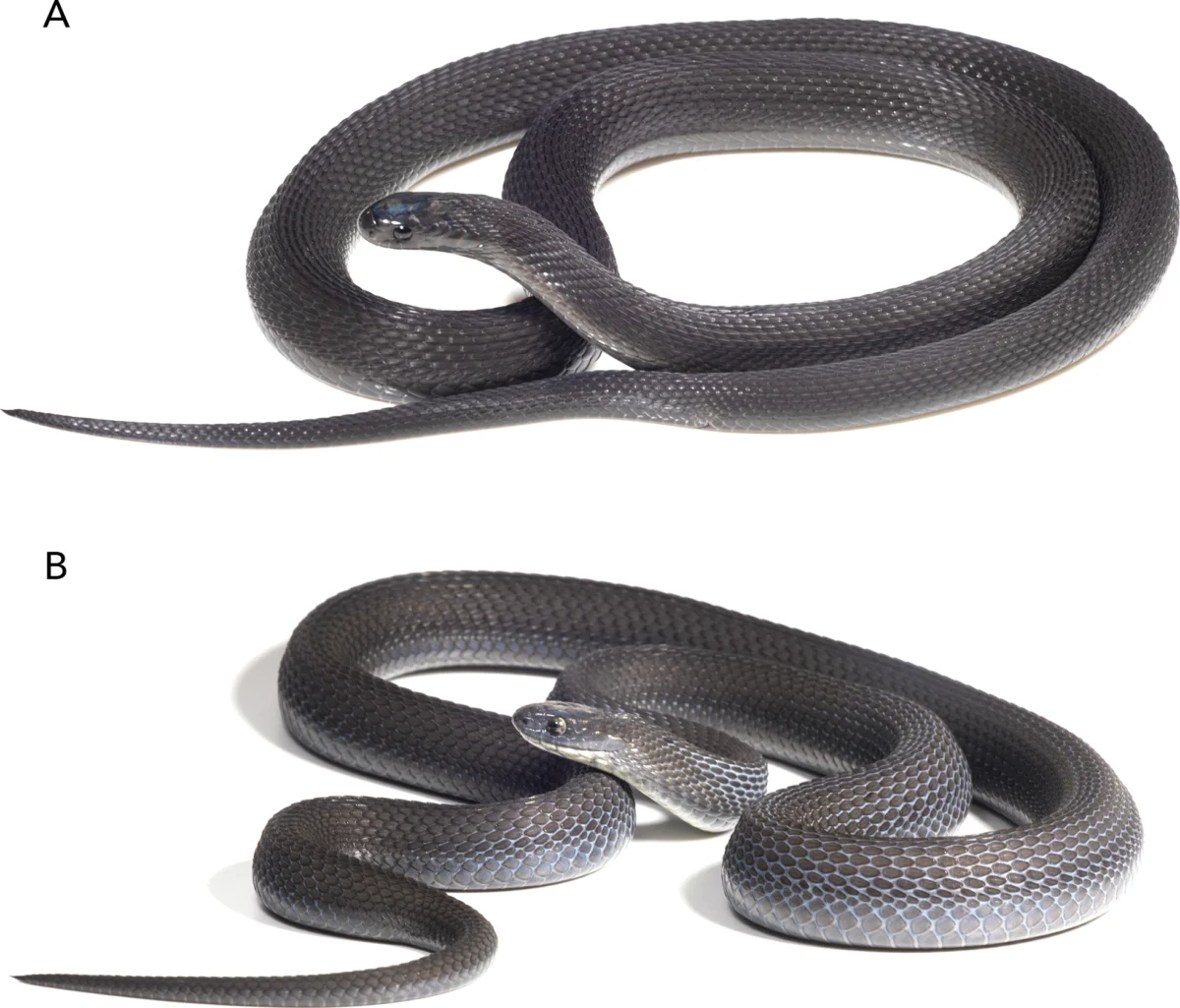
Deep within the lush, mist-covered canopies of Ethiopia’s Harenna Forest, a silent evolution has been unfolding, concealed by the remarkable physical uniformity of the African egg-eating snake genus, Dasypeltis. For years, herpetologists have grappled with the "cryptic species" problem, where distinct evolutionary lineages masquerade as common, widespread species due to overlapping morphological traits. The recent identification of Dasypeltis albigularis, commonly referred to as the white-throated egg-eater, marks a significant breakthrough in the understanding of African reptilian biodiversity, providing a definitive case study on how advanced genomic analysis is reshaping the taxonomic landscape of the continent.
The formal description of this species, published in the journal Herpetozoa, is the culmination of a seven-year investigation led by Arthur Tiutenko of Friedrich-Alexander-Universität Erlangen-Nürnberg, in collaboration with researchers from Ludwig-Maximilians-Universität Munich and the National Museum Bloemfontein. The discovery underscores a critical reality: even in regions considered well-documented by science, the complexity of cryptic speciation often remains hidden in plain sight.
A Seven-Year Taxonomic Puzzle
The journey toward recognizing Dasypeltis albigularis began in 2019, when a local collaborator provided Arthur Tiutenko with a juvenile female specimen collected from the Harenna Forest. Initially, the specimen was classified as Dasypeltis atra, the montane egg-eater known for its dark, often obsidian-like appearance and wide distribution across East Africa. However, as the specimen matured in captivity, the researcher noted subtle but persistent deviations from the established phenotype of D. atra.
The subsequent research timeline is a testament to the rigorous standards of modern herpetological taxonomy:
- June 2019: Initial acquisition of the juvenile female from the Harenna Forest.
- 2019–2022: Longitudinal observation of morphological development, noting the appearance of a pale, bluish-tinged interstitial skin and a distinctively white throat and ventral region.
- July 2022: Controlled cross-breeding experiments with a male D. atra from Chuka, Kenya, to assess genetic compatibility and inheritance patterns.
- 2023–2025: Comprehensive genomic analysis, utilizing a combination of mitochondrial and nuclear DNA markers to isolate the lineage.
- 2026: Formal publication of the findings in Herpetozoa, confirming the status of the Harenna population as a distinct sister species.
This multi-year approach was essential, as it moved beyond static visual inspection to incorporate behavioral, reproductive, and developmental data. By examining 16 specimens—six males and ten females—the team was able to move beyond the limitations of single-specimen description, ensuring that the characteristics identified were consistent across the population.
Morphological and Behavioral Distinctiveness
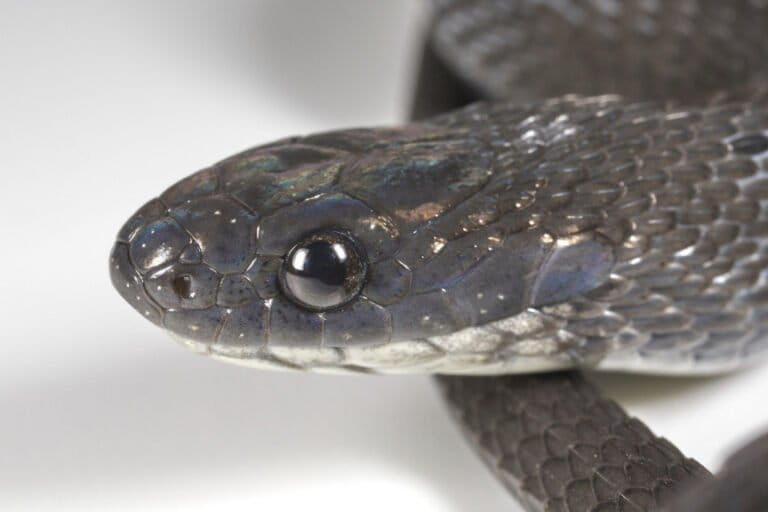
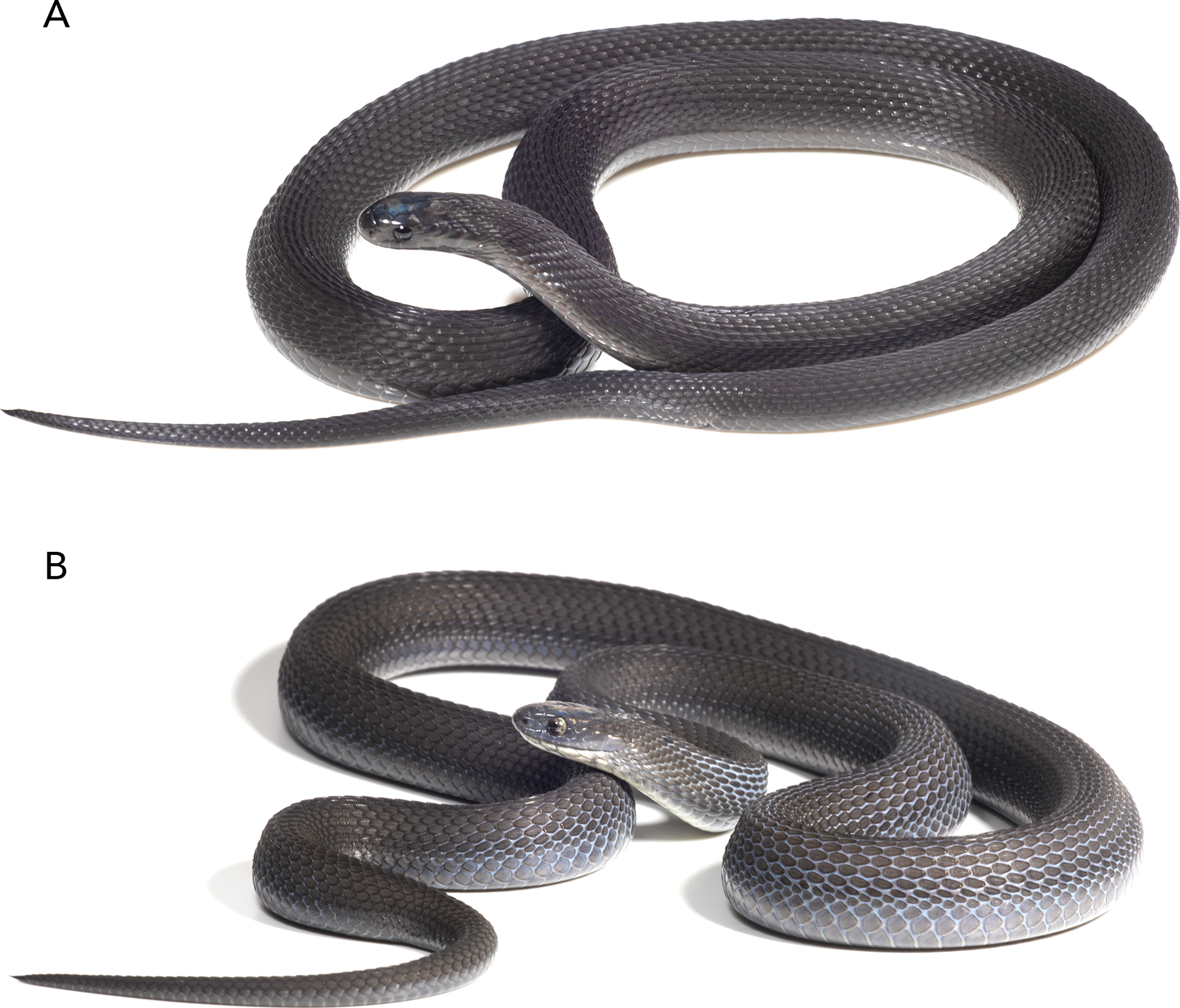
The defining characteristic of Dasypeltis albigularis, and the source of its scientific name, is the distinct white pigmentation on its throat and underbelly. While D. atra maintains a uniform dark or black coloration, the new species exhibits a more complex palette. Adult individuals possess interstitial skin—the area visible between scales—that is pale grey with a pronounced bluish hue.
Beyond color, the researchers identified specific structural differences. The snake possesses unique cranial scale arrangements, including a small, specialized scale that is absent in other members of the genus. These structural nuances are not merely decorative; they reflect evolutionary divergence in a genus renowned for its highly specialized diet. Like its relatives, D. albigularis has evolved to occupy an ecological niche that precludes the need for venom or serrated teeth. Instead, the snake utilizes specialized bony protrusions in its neck vertebrae to puncture the shells of avian eggs, allowing it to swallow the contents whole before regurgitating the crushed shell.
A particularly striking behavioral difference noted by the research team is the absence of defensive stridulation. Many species within the Dasypeltis genus deter predators by rubbing their scales together to produce a harsh, raspy hiss. In D. albigularis, this behavior was not observed, and anatomical assessments suggest that the species lacks the specific scale morphology required to produce this sound. This behavioral departure suggests a potential difference in predator-prey dynamics or environmental stressors within the Harenna ecosystem.
Genomic Evidence and Evolutionary Divergence
The integration of nuclear and mitochondrial DNA analysis provided the "smoking gun" for the new classification. Historically, DNA studies on snakes have relied heavily on mitochondrial data, which can occasionally lead to misleading results if not corroborated by nuclear markers. By employing both, Tiutenko’s team demonstrated that the genetic distance between the Harenna population and D. atra is comparable to, or in some instances greater than, the distances between already recognized, distinct species within the genus.
The phylogenetic analysis places D. albigularis as a sister species to D. atra. This indicates that while they share a common ancestor, they have been on independent evolutionary trajectories for a significant duration. This divergence is likely linked to the geographic isolation of the Harenna Forest, a high-altitude sanctuary on the slopes of the Bale Mountains. The species resides at altitudes of 1,500 to 1,700 meters, an area characterized by unique vegetation, including wild coffee forests, which acts as a "sky island" for localized biodiversity.
Implications for Conservation and Biodiversity
The discovery of D. albigularis serves as a broader reminder of the vulnerability of Africa’s montane ecosystems. As global climate patterns shift and human encroachment into highland areas intensifies, the protection of these "sky islands" becomes paramount. The Harenna Forest is one of the few remaining large, relatively intact natural forests in the Horn of Africa, yet it faces persistent pressure from agriculture and habitat fragmentation.
From a scientific perspective, this finding validates the necessity of sustained, long-term research in tropical and montane environments. The fact that an entire species could remain misidentified for decades—even within the context of a well-studied genus like Dasypeltis—suggests that the global census of reptile species is far from complete. Arthur Tiutenko’s prolific output, with D. albigularis marking his 20th named taxon and several others currently in the pipeline, highlights the immense, yet largely untapped, taxonomic wealth of Africa.
The implications for conservation are clear: we cannot protect what we have not identified. The recognition of D. albigularis as a distinct species elevates its conservation status from a sub-population of a "least concern" species to a potentially localized, high-value endemic species. This shift in status necessitates a re-evaluation of the Harenna Forest’s importance in biodiversity corridors and potentially justifies stricter environmental protections for the region.
The Future of Herpetological Taxonomy
The methodology employed in this study—combining traditional field observations with state-of-the-art genomics and controlled breeding trials—sets a gold standard for future herpetological research. The reliance on captive breeding to observe development and reproductive biology provided critical insights that DNA sequencing alone could not have revealed.
As we look toward the future, the integration of such holistic research methods will be crucial in deciphering the "hidden" species that inhabit the world’s most biodiverse regions. The white-throated egg-eater is not just an interesting footnote in a biology journal; it is a symbol of the nuanced, complex, and often silent evolutionary processes that continue to shape the natural world.
For the researchers involved, the work is far from over. With at least five or six additional species within the genus currently awaiting formal description, the team continues to peel back the layers of complexity surrounding the Dasypeltis group. Each new discovery provides a clearer picture of the evolutionary history of these specialized snakes and the delicate balance of the ecosystems they inhabit. The case of Dasypeltis albigularis confirms that even in the 21st century, the natural world remains a frontier of discovery, waiting for the right combination of patience, technology, and expertise to reveal its secrets.