Nila Kartika Wati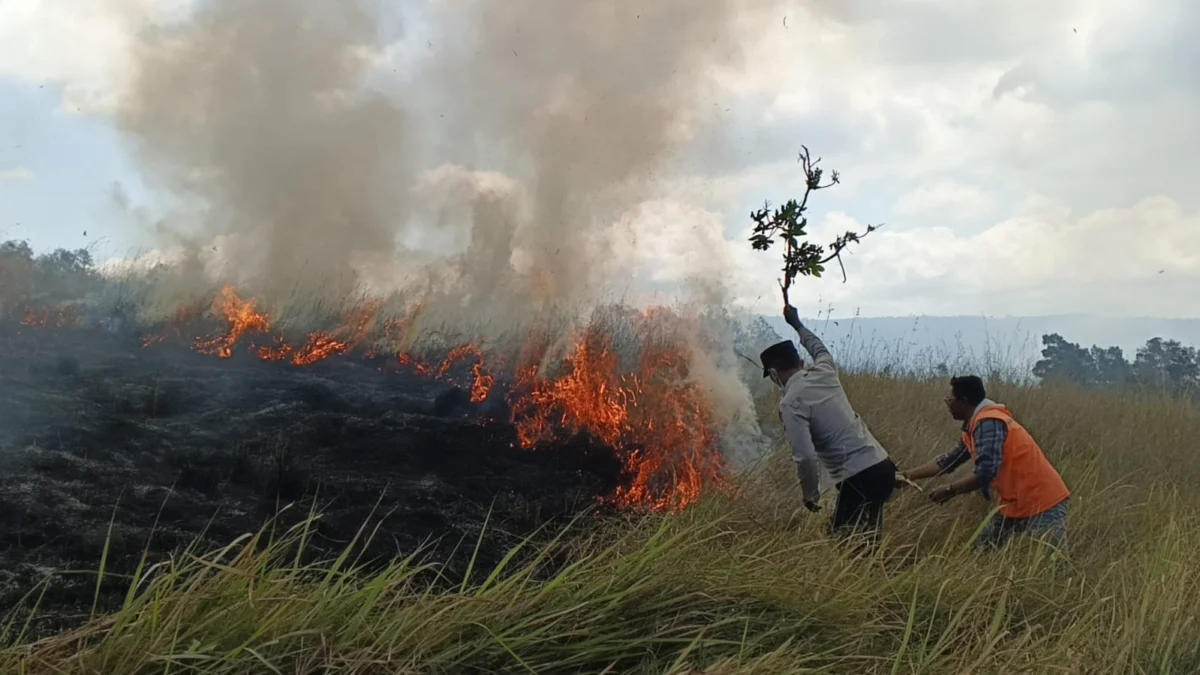
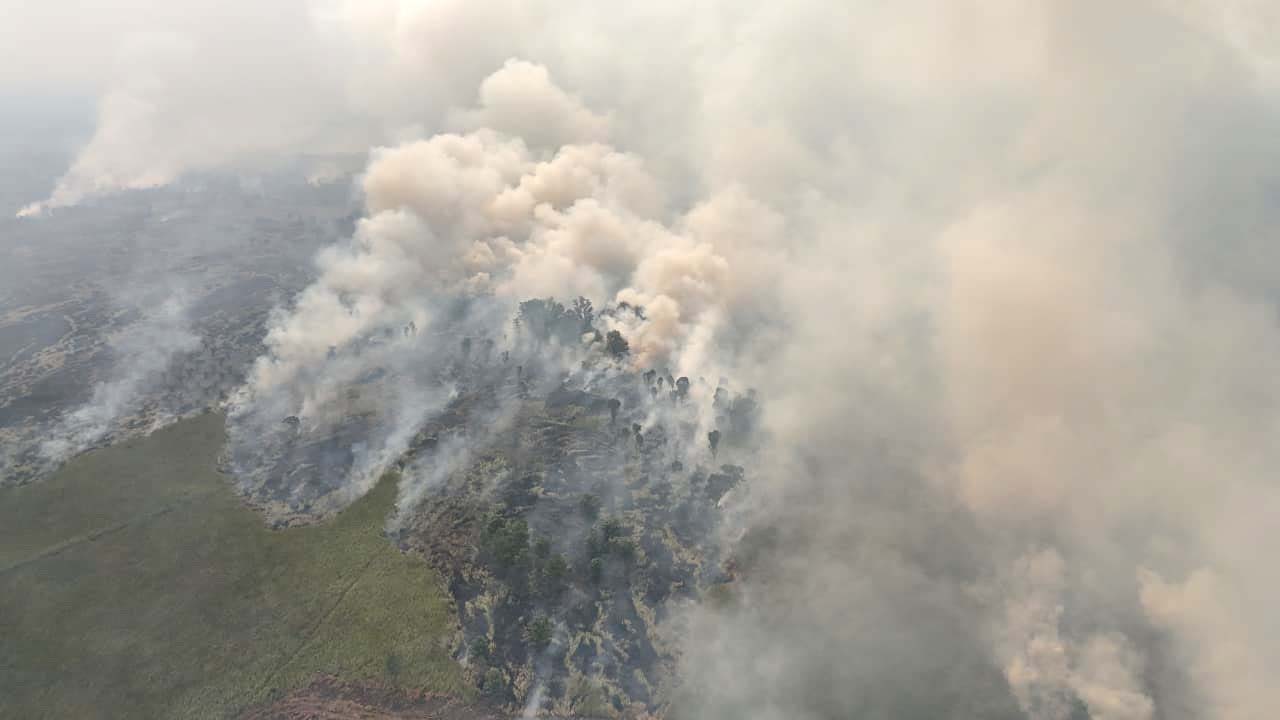
The archipelago of Indonesia is currently grappling with an alarming escalation in forest and land fires (karhutla) that has sent a shockwave through its environmental policy landscape. As of August 2026, the nation has witnessed a dramatic surge in scorched earth, casting a long, dark shadow over its ambitious commitment to the Forestry and Other Land Use (FOLU) Net Sink 2030 goal. What began as a manageable situation in mid-summer has rapidly transformed into a full-scale environmental emergency, with millions of hectares of precious carbon-sequestering land reduced to ash and significant volumes of greenhouse gases released into the atmosphere.
Data provided by the Madani Berkelanjutan Foundation paints a harrowing picture of the scale of destruction. While July 2026 recorded approximately 100,700 hectares of burned area, the situation deteriorated precipitously by the end of August, with the total area impacted leaping to a staggering 1.32 million hectares. This surge was not entirely unexpected; the Meteorology, Climatology, and Geophysics Agency (BMKG) had issued warnings early in the year regarding a more severe dry season than in previous years, driven by anomalous climate patterns. However, the sheer speed and intensity of the fire spread have outpaced existing mitigation strategies, leaving authorities and environmental groups scrambling to assess the damage.
The Chronology of the Crisis
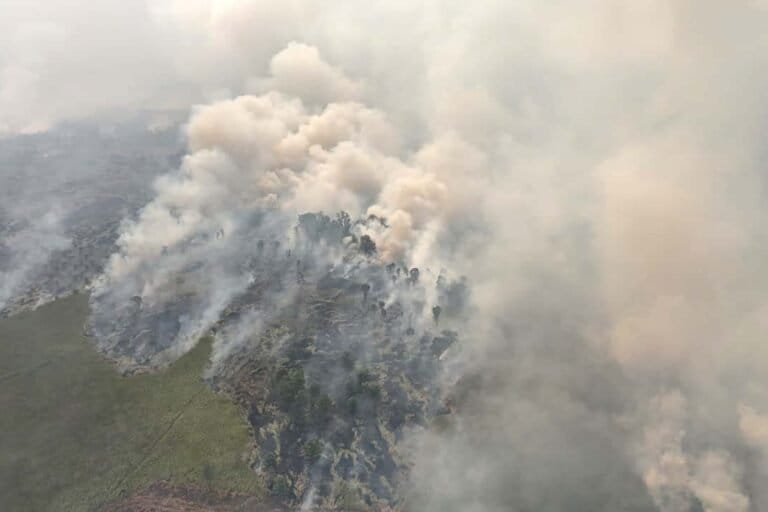
The trajectory of the 2026 fire season shows a distinct pattern of rapid expansion. From January to August, the total Area Indicative of Burning (AIT) reached approximately 1.36 million hectares. A critical observation from this data is the nature of the destruction: roughly 97.26% of this total—or 1.32 million hectares—constituted entirely new fire occurrences. Only 2.74% represented land that had suffered from recurring fires, suggesting that the crisis is expanding into previously untouched or less vulnerable landscapes.
By the first week of September 2026, the situation reached a critical juncture. Satellite monitoring from the Copernicus Fire Emission Watch identified Indonesia as the epicenter of global carbon dioxide emissions related to forest fires. In the first seven days of September alone, Indonesia was responsible for an estimated 19.7 million metric tons of CO2 emissions, representing roughly one-third of the global total for that timeframe. This intensity, exceeding 1,500 kilograms per square kilometer, was most concentrated across the islands of Kalimantan and the eastern portions of Sumatra.
The Conflict with FOLU Net Sink 2030
The FOLU Net Sink 2030 initiative is the cornerstone of Indonesia’s climate strategy, aiming to ensure that by 2030, the forest and land sector will absorb as much greenhouse gas as it emits. The recent surge in fires poses an existential threat to this objective. Giorgio Budi Indrarto of the Madani Berkelanjutan Foundation noted that approximately 511,300 hectares—or 38.70% of the total burned area—directly overlapped with the operational plan for the FOLU Net Sink 2030.

This overlap creates a profound contradiction in national policy. The government is investing heavily in forest conservation and restoration to achieve net-zero status, yet the current fire management failures are effectively undermining these gains. As trees and peatlands burn, they transition from carbon sinks to carbon sources. The Indonesian Forum for the Environment (WALHI) has estimated that the total emissions from burned vegetation between January and early September 2026 have reached 31 million tons of CO2. To put this into perspective, this is roughly equivalent to the total annual emissions of Cuba across all sectors, including energy, transportation, and industry. More alarming estimates from the Copernicus satellite data suggest the figure could be as high as 239 million tons of CO2—a volume nearly matching the entire annual carbon footprint of Kazakhstan.
The Vulnerability of Peatlands and Managed Forests
The composition of the burned areas reveals systemic weaknesses in land management. Madani reports that nearly 60% of the new fire-affected areas, totaling 792,400 hectares, occurred within designated forest zones. Within these zones, the damage is widespread: 600,000 hectares in production forests, 93,600 hectares in protected forests, and 98,600 hectares in conservation forests.
The most catastrophic impact, however, is on the nation’s peatlands. Peatlands are critical carbon stores, and their destruction is particularly difficult to reverse. Out of the 1.32 million hectares newly burned, approximately 447,600 hectares (33.87%) are located within Peatland Ecosystem Functions. Of this, nearly 216,400 hectares are in areas designated for protection, and 230,200 hectares are in areas designated for cultivation. The surge in August was particularly brutal, with fires in protected peatland ecosystems jumping from 9,000 hectares in July to 173,000 hectares in August.
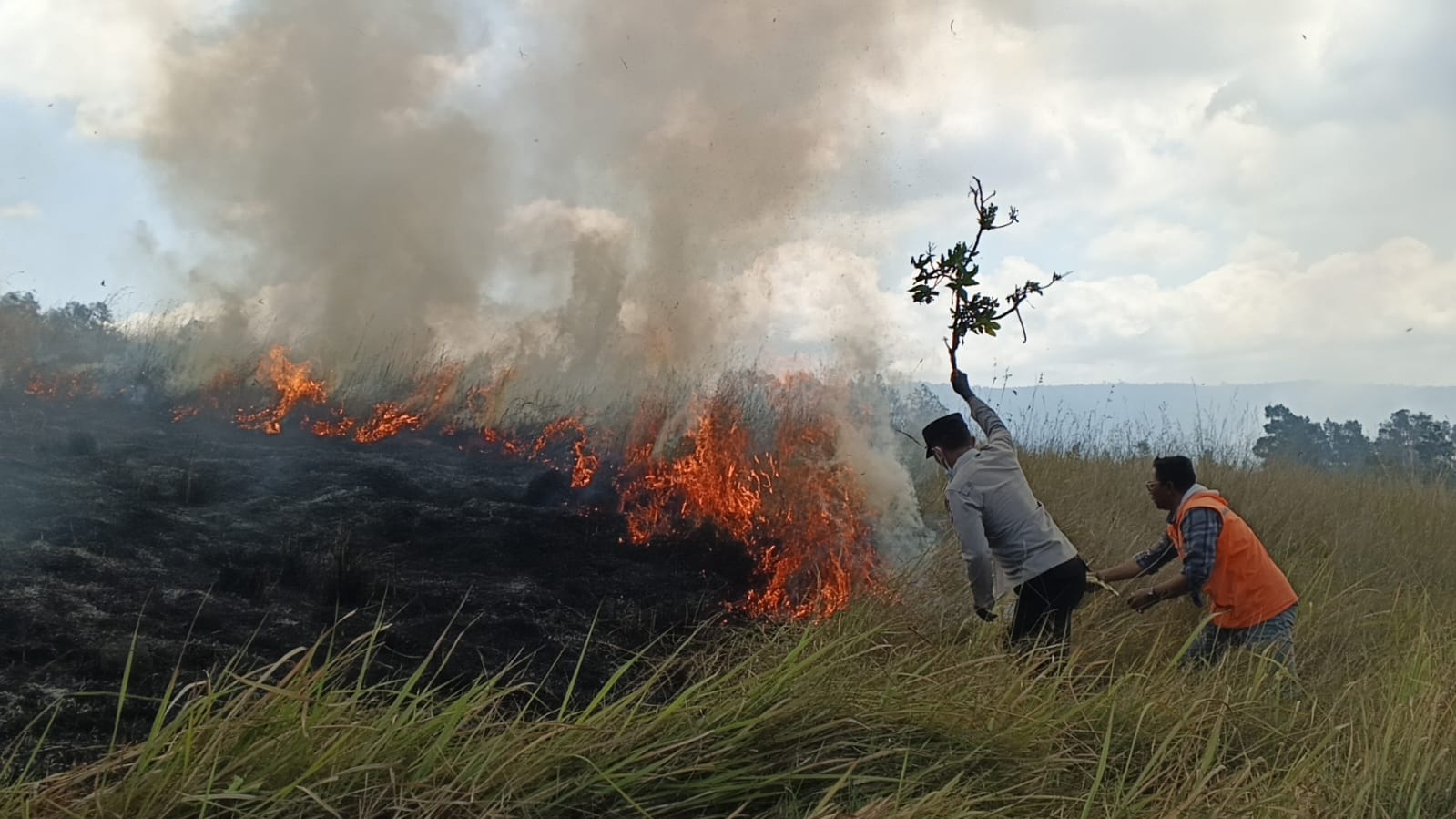
Critics point to the dissolution of the Peatland and Mangrove Restoration Agency (BRGM) as a contributing factor. The absence of a dedicated institution tasked specifically with the maintenance of canal blocking and rewetting efforts has led to a noticeable decline in the health of these vital ecosystems, making them significantly more prone to ignition during the dry season.
Corporate Responsibility and Legal Gaps
A substantial portion of the fires—over 50%—is linked to areas under concession or permit, including palm oil plantations, industrial forest permits (PBPH), and mining concessions. This has sparked a fierce debate regarding corporate accountability. Under the previous legal framework, the principle of "strict liability" (as outlined in Article 88 of Law No. 32/2009) allowed authorities to hold companies responsible for environmental damage within their concessions without needing to prove intent.
However, legal experts from the Indonesian Center for Environmental Law (ICEL) and activists from WALHI argue that subsequent regulatory changes, including the Omnibus Law on Job Creation, have introduced complexities that dilute this principle. These changes have created a higher evidentiary burden, effectively insulating corporations from liability and complicating efforts to ensure that companies actively manage and protect their land from fires.
"The weakening of the strict liability principle creates a legal loophole that hinders accountability," stated Indrarto. This sentiment is echoed by WALHI, which views the current fire crisis as a form of state and corporate negligence. The organization argues that the government has consistently prioritized industrial expansion—granting large-scale land concessions—over the ecological integrity of the forests, creating a structural environment where fires become a recurring, systemic problem rather than an isolated accident.
The Call for Structural Reform
In response to the crisis, environmental advocacy groups are calling for a comprehensive overhaul of Indonesia’s land-use governance. The recommendations focus on four pillars:
- Rigorous Licensing Review: Authorities must stop granting permits in ecologically sensitive areas, particularly those with high carbon stocks or peatland ecosystems. Existing permits for companies with a history of recurring fires should be subject to immediate audit and potential revocation.
- Strengthening Law Enforcement: Moving beyond the prosecution of small-scale farmers, the government must target the "intellectual actors" and corporations behind large-scale land clearing. This includes utilizing legal standing to demand massive damages and full environmental restoration.
- Integration of Spatial Planning and Climate Policy: There must be an end to the current fragmented approach where spatial planning and climate goals are at odds. Future land-use policies must be strictly aligned with the FOLU Net Sink 2030 targets.
- Institutional Prioritization: The protection of peatlands must be elevated to a core government function, with dedicated, adequately funded agencies tasked with the long-term restoration of these ecosystems.
The Path Forward
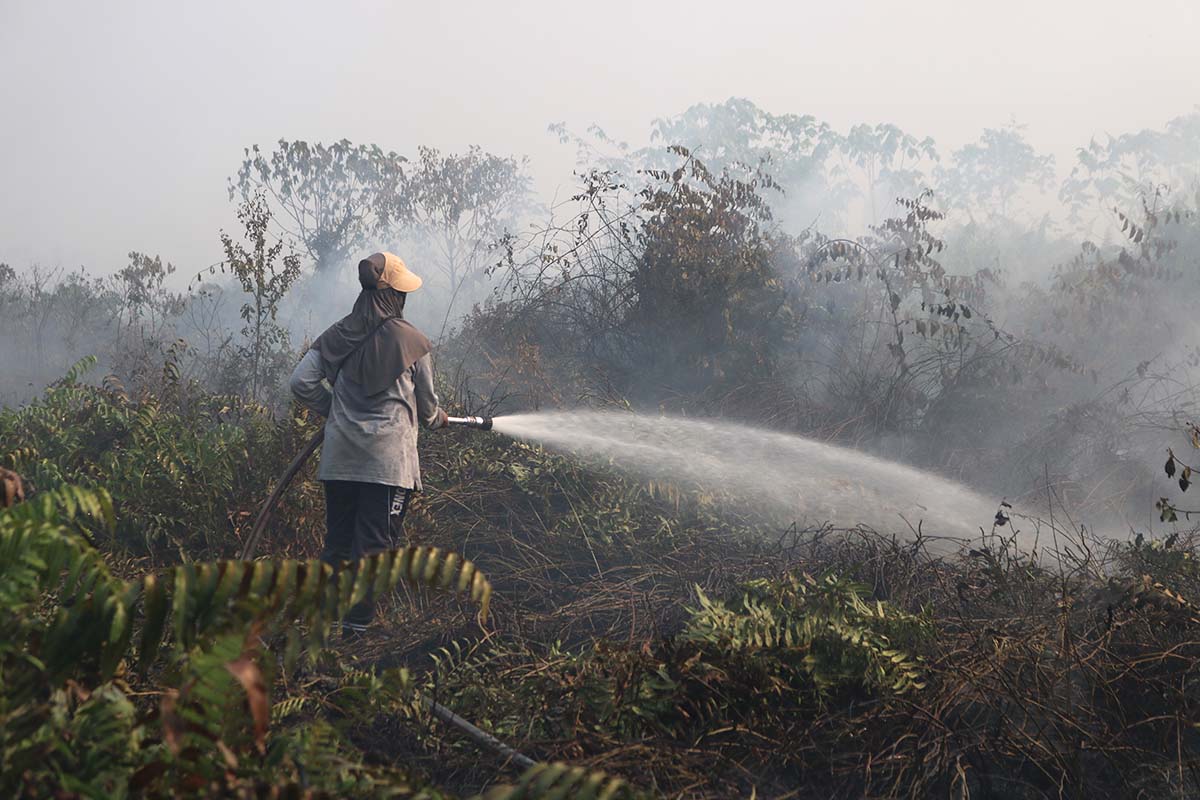
The 2026 fire season serves as a stark reminder of the volatility of Indonesia’s natural resources in an era of climate change. As the smoke clears, the government finds itself at a crossroads. The credibility of its international climate pledges—specifically the Net Sink 2030 goal—depends not on future promises, but on its current ability to protect the forest assets it already possesses.
As Lasma Natalia H. Panjaitan of ICEL emphasized, "The prevention of forest fires must begin at the licensing stage, ensuring that economic activities do not compromise ecological safety." Without a fundamental shift in how the state regulates land use and holds corporate actors accountable, the cycle of fire and emission is likely to continue, further eroding Indonesia’s natural capital and its standing in the global effort to mitigate the climate crisis. The cost of inaction is not merely measured in hectares burned, but in the long-term resilience of the country’s economy, public health, and global environmental standing.