Bambang Pamungkas
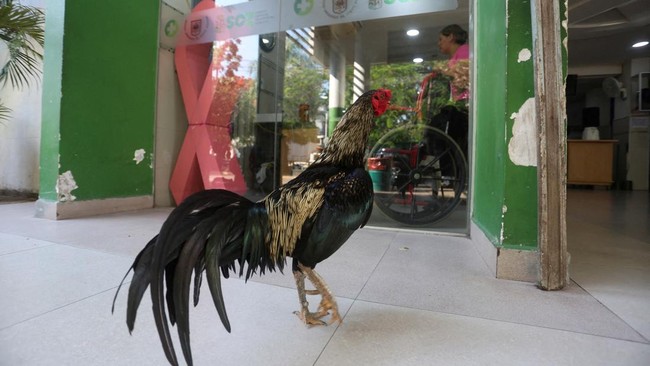
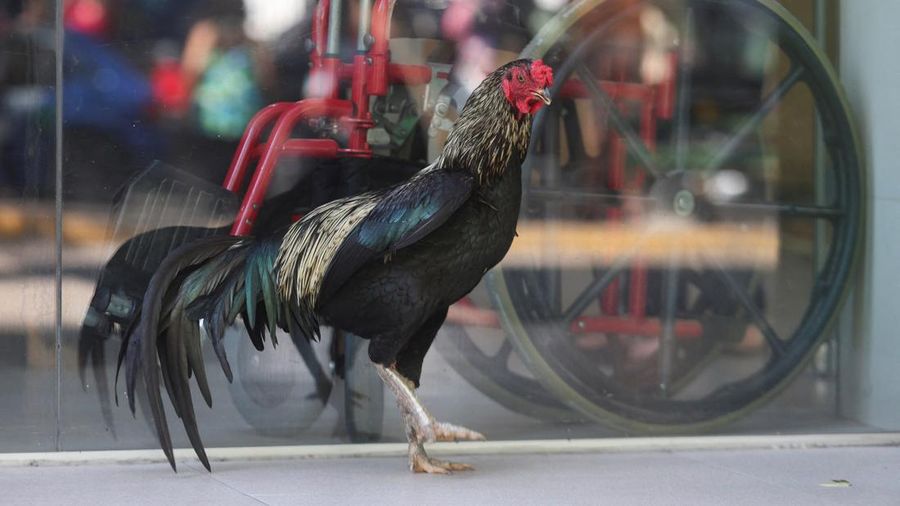
In an extraordinary display of loyalty that has captured the hearts of medical staff, patients, and global observers alike, a rooster named Martin has spent the last eight years standing vigil outside the Oncology Institute of Eastern Bolivia in Santa Cruz. While stories of canine devotion such as Japan’s legendary Hachiko are well-documented throughout history, Martin’s prolonged dedication challenges conventional perceptions of animal behavior, demonstrating a profound emotional bond between humans and unconventional companion animals.
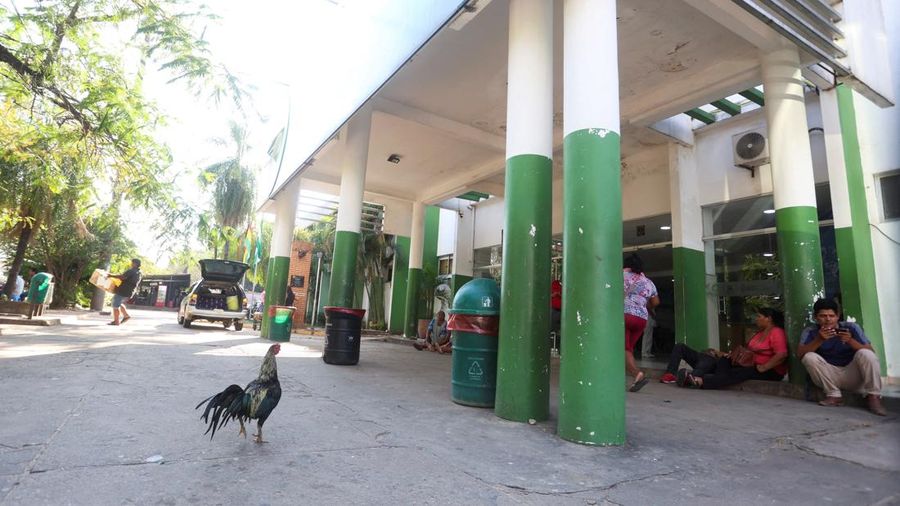
The narrative of Martin and his owner began nearly a decade ago in the bustling and often stressful environment of a regional healthcare facility. According to hospital workers and local reports, Martin arrived at the medical center alongside his owner, who had been admitted as a cancer patient. In a tragic turn of events that mirrors the poignant tales of human-animal separation, the patient succumbed to the illness during treatment. However, unlike other visitors who departed after the bereavement, Martin chose to remain. Refusing to leave the grounds, the rooster staked out a permanent territory right outside the hospital’s main entrance, transforming the clinical threshold into his daily habitat and turning himself into an enduring symbol of steadfastness.
A Timeline of Canine-Like Devotion in an Unusual Subject
To understand the magnitude of Martin’s presence at the Oncology Institute of Eastern Bolivia, one must examine the timeline of his residency, which spans from his arrival in the mid-2010s up to the present day in October 2026.
When Martin first appeared at the facility, hospital administrators and medical personnel initially viewed his presence as a temporary inconvenience. Standard hospital protocols across South America—and globally—typically prohibit livestock and farm animals within medical facilities due to strict hygiene, sanitation, and biohazard regulations. However, the unique circumstances surrounding the rooster’s arrival, coupled with his remarkably docile and non-disruptive behavior, prompted staff to adopt a lenient and compassionate approach.
Over the course of the first few years, Martin established a predictable routine. He positioned himself strategically near the automatic sliding doors or the primary pedestrian pathways leading into the oncology ward. Rain or shine, morning or evening, the rooster remained fixed to his post. As the years progressed, hospital shifts changed, medical directors came and went, and thousands of patients passed through the doors for chemotherapy and cancer treatments, yet Martin remained a permanent fixture of the landscape. By 2026, he had completed eight uninterrupted years of waiting, a span that represents a significant portion of an average domestic rooster’s natural lifespan.
Community Care and the Human-Animal Bond
Maintaining a healthy life for a farm animal in an urban, institutional environment requires collective effort. Martin’s survival and well-being over eight years have not been a matter of mere chance, but rather the result of a compassionate community that has formed around him.
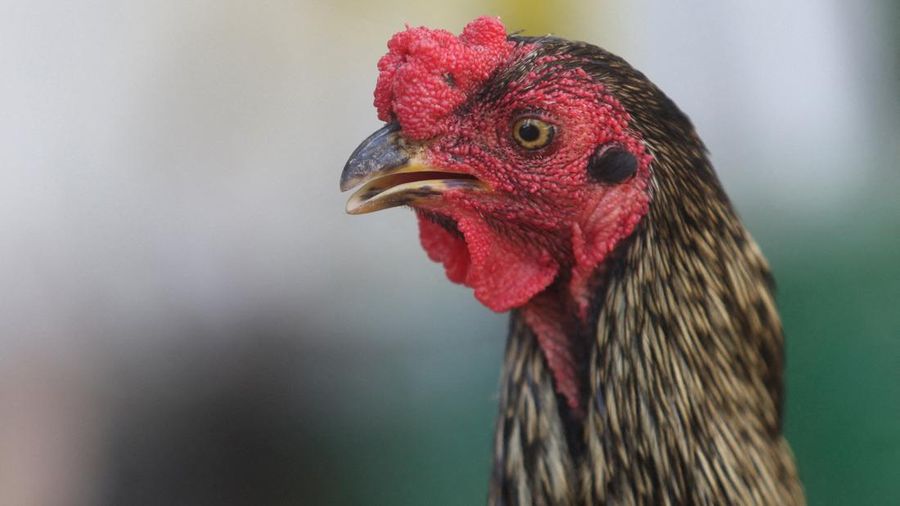
Social workers, administrative staff, and regular visitors have stepped in to act as surrogate caretakers. Among them, a local resident named Juan Claros has emerged as one of Martin’s primary guardians. Claros makes daily visits to the oncology institute not just for medical reasons or to support patients, but specifically to attend to the rooster’s welfare. Claros provides consistent meals, ensuring that Martin receives adequate nutrition tailored to his dietary needs. Furthermore, routine maintenance such as trimming the rooster’s claws is performed regularly to ensure that Martin can walk comfortably across the hard pavement and concrete walkways surrounding the hospital entrance without injury or physical distress.
Other visitors and hospital employees frequently contribute scraps of food and fresh water, integrating the bird into the daily social fabric of the institution. Rosmery Guardia, a social worker at the Oncology Institute of Eastern Bolivia, noted in interviews that Martin has effectively transcended his biological classification to become an integral member of the hospital family. His presence offers a strange, calming comfort to families undergoing the emotional turmoil associated with cancer diagnoses and treatments.
Parallels to Historical Icons of Loyalty
Martin’s prolonged vigil has naturally drawn widespread comparisons to history’s most famous symbols of animal loyalty. The most prominent parallel is Hachiko, the Akita dog who waited at Shibuya Station in Tokyo every day for nearly ten years for his deceased owner, Professor Hidesaburo Ueno, between 1925 and 1935. Similarly, Greyfriars Bobby, a Skye Terrier in Edinburgh, Scotland, spent 14 years guarding his master’s grave in the 19th century.
While both Hachiko and Greyfriars Bobby belong to mammalian species—specifically domesticated dogs long bred for complex social structures and intense pack loyalty—avian behaviorists and zoologists point out that roosters and other birds possess sophisticated cognitive and emotional capacities that are frequently underestimated. Domesticated birds, particularly those raised in close proximity to humans, can form profound social attachments, recognize individual human faces, and display behavioral responses to grief and separation that mirror mammalian distress.
The consistency of Martin’s behavior challenges anthropocentric assumptions about which species are capable of sustained emotional attachment. While dogs possess an evolutionary history deeply intertwined with human companionship as working and hunting partners, poultry are typically viewed strictly through an agricultural lens. Martin’s eight-year vigil serves as a living anomaly that prompts ethologists to reconsider the depth of emotional processing in gallinaceous birds.
Implications for Animal Welfare and Institutional Policies
Beyond the heartwarming human interest aspect of the story, Martin’s presence at the oncology institute highlights broader questions regarding urban wildlife management, animal welfare, and the flexibility of institutional policies in developing nations.
In many metropolitan hospitals across the globe, strict public health codes mandate the immediate removal of stray or farm animals. Health departments worry about the vector transmission of zoonotic diseases, salmonella, and parasites, particularly in an oncology ward where patients suffer from compromised immune systems due to chemotherapy and radiation therapy. The fact that Martin has coexisted peacefully with a high-risk medical facility for nearly a decade without causing health outbreaks speaks to both the rooster’s remarkably clean habits and the careful management practices employed by the hospital staff and local caregivers.
Public health officials note that while such stories generate positive public relations and emotional uplift for patients, they remain outliers. The informal coalition of caregivers—spearheaded by individuals like Juan Claros and supported by workers like Rosmery Guardia—acts as an informal buffer, ensuring that the animal is vaccinated, fed, and prevented from wandering into sterile clinical zones.
Broader Cultural Impact and Global Media Attention
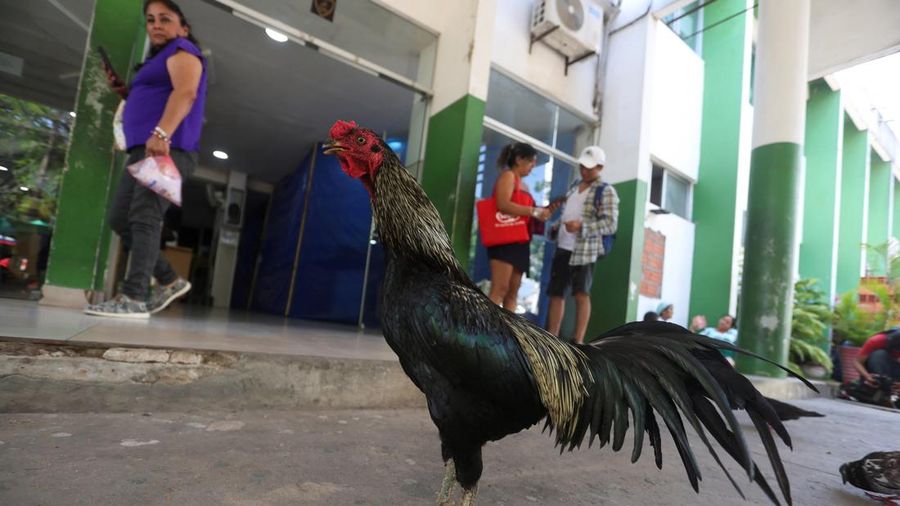
As images and reports of Martin were disseminated internationally by major news agencies such as Reuters in late October 2026, the story transcended local borders. Social media platforms experienced a surge of interest, with users sharing photographs of the rooster standing patiently outside the glass doors of the Bolivian medical facility.
For the city of Santa Cruz and the Oncology Institute of Eastern Bolivia, Martin has inadvertently become a mascot of endurance. In a hospital setting defined by heavy emotional burdens, uncertainty, and the fight against mortality, the rooster provides an unexpected touchstone of continuity. Patients sitting in the waiting rooms often look out through the glass to see Martin pacing the perimeter, finding a metaphor for resilience in the tiny, feathered sentinel.
As Martin enters his eighth year and beyond, his daily routine remains unchanged. He greets the morning sun at the hospital gates, accepts his meals from Juan Claros, and watches the steady stream of humanity flow through the doors he refuses to abandon. Whether viewed as an extraordinary biological anomaly, a feathered Hachiko, or simply a loyal friend keeping a promise to a ghost, Martin has cemented his place in the annals of remarkable animal behavior.