Chalifah Fatihah
The Significance and Rituals of Qurban: A Comprehensive Guide to Islamic Sacrificial Practices
The observance of Qurban, or Islamic sacrifice, is a deeply significant religious practice that culminates during the Islamic month of Dhu al-Hijjah. This sacred tradition, rooted in the story of Prophet Ibrahim’s unwavering obedience to Allah, involves the ritualistic slaughter of an animal—typically a sheep, goat, cow, or camel—as an act of devotion and gratitude. The timing of this sacrifice is meticulously prescribed, commencing after the Eid al-Adha prayer on the 10th of Dhu al-Hijjah and extending through the days of Tashriq, which are the 11th, 12th, and 13th of the same lunar month. This period signifies a crucial window for Muslims worldwide to fulfill this important Sunnah Muakkadah (emphasized voluntary act) that carries immense spiritual reward.
The act of performing Qurban is not merely about the physical slaughter of an animal; it is an embodiment of submission, remembrance, and communal sharing. It commemorates Prophet Ibrahim’s willingness to sacrifice his son, Ismail, in obedience to a divine command, an ultimate test of faith that Allah ultimately intervened to avert by providing a ram for sacrifice. This narrative underscores the core values of sacrifice, obedience, and divine mercy that are central to the observance of Eid al-Adha and the Qurban ritual.
Understanding the Sharia Compliance in Qurban Slaughter
For a Qurban to be considered valid and religiously acceptable, its slaughter must adhere strictly to Islamic Sharia law. This necessitates that the individual performing the slaughter, often referred to as the dzabih (slaughterer), possesses a thorough understanding of the prescribed methods and recites the appropriate supplications. The meticulousness in adhering to these guidelines ensures that the meat obtained is considered halal (permissible for consumption) and that the act itself fulfills the spiritual intent of seeking nearness to Allah (taqarrub).
The Qurban ritual serves as a profound means for Muslims to demonstrate their piety and devotion. It is a tangible expression of their commitment to Allah’s commandments and a way to seek His pleasure. The distribution of the meat is an integral part of this practice, emphasizing the communal and charitable dimensions of Islam. Typically, the meat is divided into three parts: one for the family performing the sacrifice, one for relatives and friends, and one for the poor and needy. This equitable distribution ensures that the blessings of the sacrifice are shared widely, fostering a spirit of generosity and social solidarity within the community.
The Proper Timing for Qurban
The designated period for performing the Qurban sacrifice begins immediately after the Eid al-Adha prayer on the 10th of Dhu al-Hijjah. This day, known as Yawm al-Nahr (the Day of Sacrifice), marks the commencement of the Qurban festivities. The ritual can then continue for two subsequent days, the 11th and 12th of Dhu al-Hijjah, concluding by the sunset of the 13th of Dhu al-Hijjah, which marks the end of the days of Tashriq. This extended timeframe allows Muslims across different regions and with varying circumstances the opportunity to fulfill this sacred duty without undue haste. It is crucial for those intending to perform Qurban to complete the slaughter within this stipulated period to ensure its religious validity.
Supplications and the Ritual of Sacrifice
The act of slaughtering the Qurban animal is accompanied by specific supplications (dua) that imbue the ritual with spiritual significance. These prayers are a testament to the believer’s acknowledgment of Allah as the ultimate source of sustenance and a request for acceptance of their act of worship.
Supplication for Self-Sacrifice
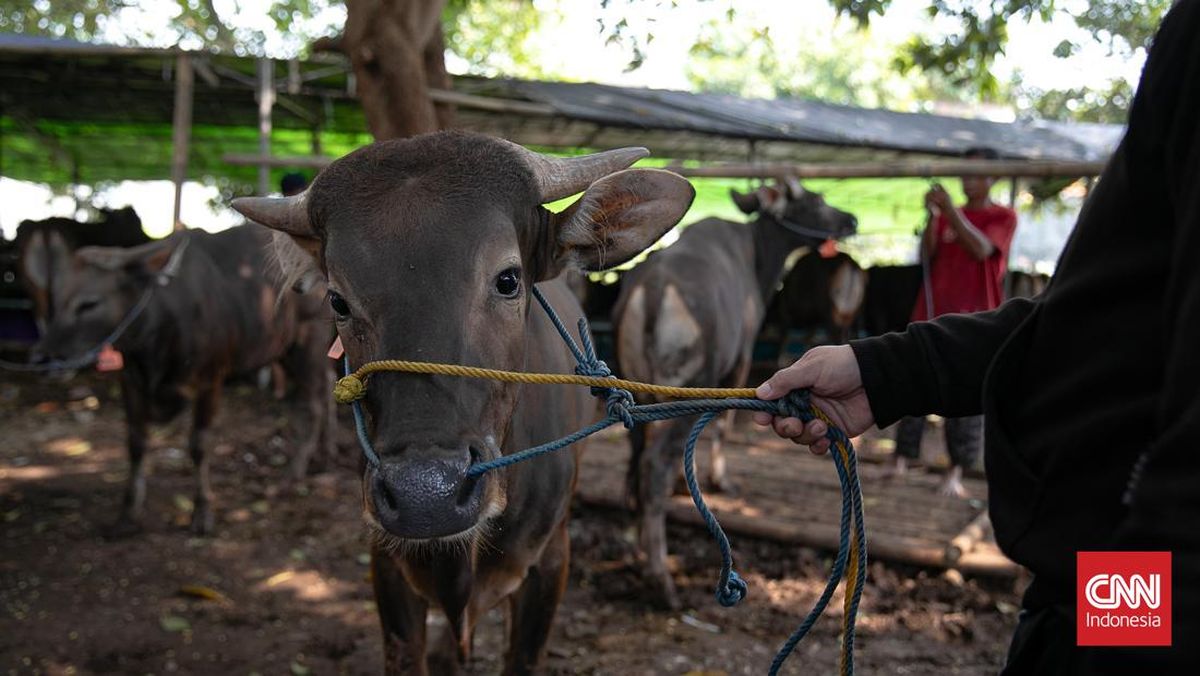
When an individual performs the Qurban sacrifice on their own behalf, the recommended supplication is:
Allahumma hadzihii minka wa ilaika, fataqabbal minni yaa kariim.
This translates to: "O Allah, this (sacrifice) is from You and for You. So accept it from me, O Generous One." This prayer reflects a deep sense of humility and recognition that all blessings originate from Allah and are ultimately returned to Him through acts of devotion.
Supplication for Sacrificing on Behalf of Others
In cases where an individual performs the Qurban on behalf of themselves and their family, or on behalf of another person, a slightly modified supplication is recited. This is particularly common when a head of household performs the sacrifice for their entire family or when someone is sponsoring a sacrifice for others.
Bismillahi allahumma wallahu akbar. Allahumma hadza minka walaka, hadza’an [mentioning the name(s) of the person(s) for whom the sacrifice is made].
This translates to: "In the name of Allah, O Allah, and Allah is the Greatest. O Allah, this is from You and for You. This is on behalf of [mentioning the name(s) of the person(s) for whom the sacrifice is made]." This supplication explicitly acknowledges the recipient(s) of the sacrifice and dedicates the act to them while still maintaining the core acknowledgment of Allah’s dominion.
The Procedural Steps of Qurban Slaughter
Beyond the recitation of supplications, the physical act of slaughtering the Qurban animal is governed by specific procedural guidelines designed to ensure both efficiency and humane treatment. These steps are rooted in Islamic jurisprudence and aim to minimize suffering for the animal while maximizing the quality of the meat.
-
Sharpening the Knife: The slaughterer must ensure that the knife used for the sacrifice is exceptionally sharp. A sharp blade facilitates a swift and clean cut, which is considered more humane as it severs the vital arteries and windpipe quickly, leading to rapid loss of consciousness and death. Dull knives can cause unnecessary tearing and prolong the process, which is contrary to the spirit of Islamic slaughter.
-
Restraining the Animal: The animal is to be gently and securely restrained. This is typically done by holding its head firmly or by placing it on its left side, facing the direction of the Qibla (the Kaaba in Mecca). While some schools of thought allow for variations, the general principle is to ensure the animal is calm and positioned appropriately for the slaughter.
-
Reciting the Supplication: Before making the incision, the slaughterer recites the appropriate supplication as outlined above. This act connects the physical action to the spiritual intention, transforming the slaughter into a sacred rite.
-
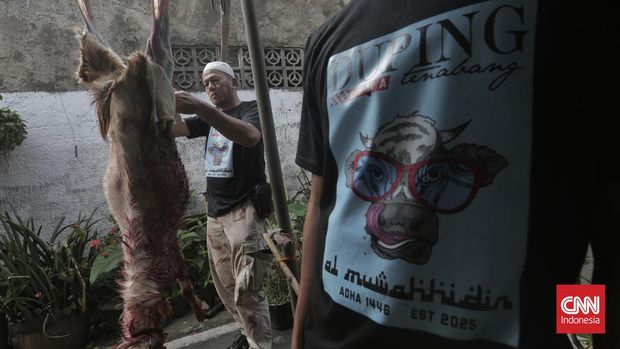
Making the Incision: The sharp knife is then used to make a swift and deep incision across the throat of the animal. The cut should sever the trachea (windpipe), esophagus, and the two jugular veins and carotid arteries. This critical cut is essential for efficient bleeding, a key requirement for halal meat. The slaughterer must be careful not to sever the spinal cord, as this could lead to immediate paralysis and potentially a less efficient bleed.
-
Ensuring Complete Bleeding: After the initial incision, the animal is allowed to bleed out completely. This process is crucial for both hygienic and religious reasons. The complete removal of blood is considered essential for the meat to be considered halal and palatable.
-
Post-Slaughter Procedures: Once the animal has been thoroughly bled, the process of skinning and butchering can commence. This is typically carried out by individuals with the necessary expertise to ensure the meat is prepared correctly for distribution and consumption.
Ethical Considerations and Animal Welfare in Qurban
Islamic teachings place a strong emphasis on the humane treatment of animals, even within the context of sacrifice. The dzabih is instructed to treat the animal with kindness and to avoid any unnecessary cruelty. This includes not showing the knife to the animal before the slaughter, not slaughtering one animal in the sight of another, and ensuring the knife is sharp to minimize suffering. The focus is on a swift and efficient process that respects the life of the animal while fulfilling a divine commandment.
Broader Implications and Global Observance
The observance of Qurban is a global phenomenon, uniting millions of Muslims across diverse cultures and geographical locations. In regions where poverty is prevalent, the distribution of Qurban meat provides a vital source of protein and sustenance for vulnerable populations. Organizations and charities often facilitate the collection and distribution of Qurban meat, extending its reach to those most in need, both domestically and internationally. This aspect of Qurban highlights its role as a powerful tool for social justice and community support.
The economic impact of Qurban is also significant, particularly in regions with a strong agricultural sector. The demand for sacrificial animals creates economic opportunities for farmers and livestock traders. In many Muslim-majority countries, the period leading up to Eid al-Adha sees a surge in livestock markets, reflecting the widespread participation in this tradition.
Furthermore, the Qurban ritual serves as a powerful reminder of the core tenets of Islam: faith, obedience, compassion, and community. It is an annual spiritual reset, encouraging believers to reflect on their relationship with Allah and their responsibilities towards their fellow human beings. The shared experience of the Eid al-Adha prayer and the subsequent Qurban preparations fosters a sense of unity and belonging among Muslims worldwide.
Conclusion
The practice of Qurban is a multifaceted act of worship that extends far beyond the simple act of animal sacrifice. It is a profound expression of faith, a commitment to divine commandments, and a cornerstone of Islamic social ethics. By understanding and adhering to the prescribed prayers and procedural guidelines, Muslims ensure that their sacrifice is not only religiously valid but also an embodiment of compassion and gratitude. The ritual’s emphasis on sharing and charity further solidifies its importance as a force for good, bringing communities together and providing essential support to those in need. The annual observance of Qurban continues to be a vital thread in the rich tapestry of Islamic tradition, reinforcing the values of submission, mercy, and communal well-being for Muslims across the globe.