Lusiana Hamidun
As the global fashion industry pivots toward the transitional weather of the impending autumn season, a distinct stylistic narrative is emerging. Designers and trend forecasters have identified the draped top as the primary garment to watch for the Fall/Winter 2026 season. This shift represents a move away from the hyper-structured tailoring that dominated previous quarters, favoring instead a fluid, sculptural aesthetic that balances architectural precision with effortless wearability. Recent runway collections from influential houses such as Toteme, Heirlome, Khaite, and Gabriela Hearst have underscored the versatility of this trend, utilizing intricate fabric manipulation to redefine the modern silhouette.
The Evolution of Drape in Contemporary Design
The resurgence of drapery is not merely a transient aesthetic choice but a calculated response to the demand for functional yet sophisticated evening and daywear. Historically, the art of draping—the process of positioning and pinning fabric on a dress form—has been associated with classical couture techniques. By incorporating these methods into ready-to-wear collections, contemporary designers are bridging the gap between high fashion and everyday utility.
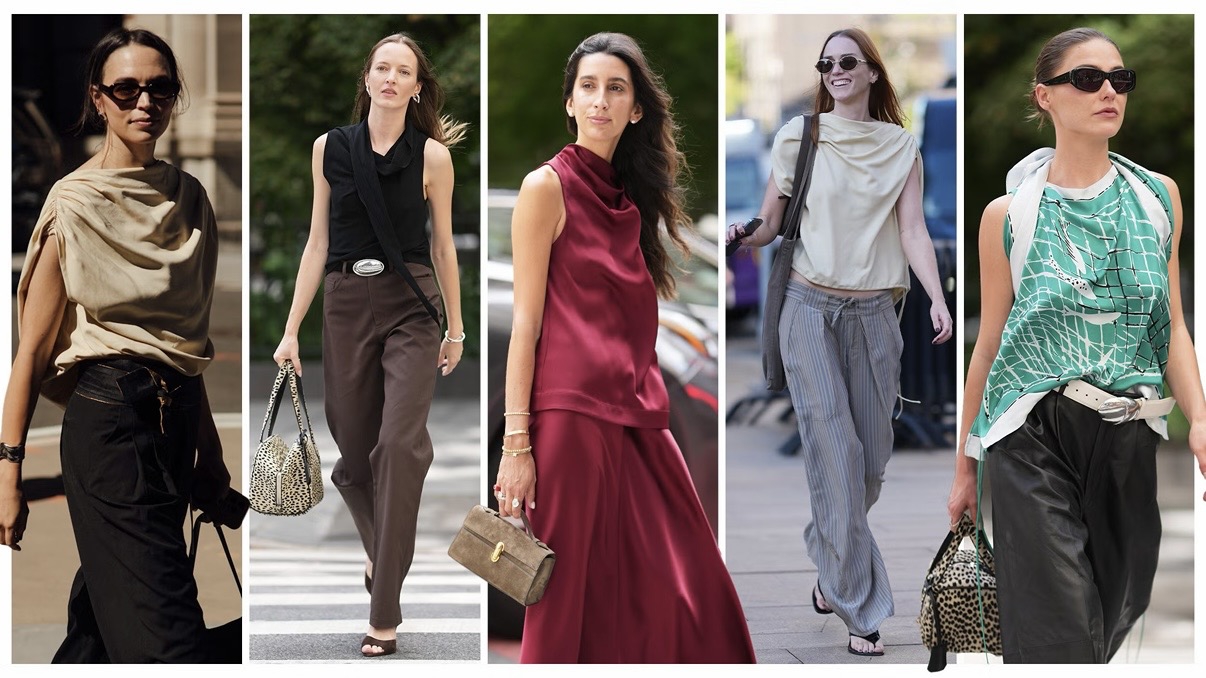
Market analysis suggests that the consumer shift toward "quiet luxury" and "soft tailoring" has paved the way for this trend. Unlike the heavy layering seen in past autumns, the draped top allows for a streamlined look that remains relevant in fluctuating temperatures. By focusing on high-quality textiles such as silk, silk-crepe, and lightweight wool blends, brands are providing garments that offer comfort without sacrificing a polished appearance.
Seasonal Trends and Color Palettes
The color palette for Fall 2026 is deeply rooted in atmospheric earth tones and saturated jewel tones. While ivory, cream, and slate remain the foundation for office-ready garments, deep emerald, burgundy, and sapphire are increasingly prevalent in evening collections. Furthermore, the incorporation of traditional fall patterns, such as windowpane checks and subtle plaids, into draped silhouettes has provided a fresh perspective on seasonal staples.
Retail data indicates that these pieces are performing well in both the luxury and mid-market sectors. The appeal lies in the "dressed-up" nature of the fabric—typically silk or crepe—which, when combined with casual elements like wide-leg denim or cotton chinos, creates a balanced look suitable for a variety of environments. This versatility is critical, as contemporary consumers continue to prioritize "cost-per-wear" value in their investment pieces.

Strategic Styling: A Practical Guide for the Transition
The adoption of the draped top requires a nuanced approach to proportion. Fashion consultants emphasize that the goal is to balance the volume created by the folds of the fabric with more structured bottom-wear.
1. Elevating Casual Denim
For a relaxed yet refined weekend aesthetic, the combination of a checked draped blouse with wide-leg cotton trousers is currently favored by style influencers. The addition of Western-inspired accessories, such as leather belts and silver hardware, introduces a tactile element that grounds the fluidity of the top. Minimalist footwear, such as glove flats, completes the look without overpowering the intricate bodice.
2. The Transition to Evening Wear
For formal evening engagements, the draped top serves as an ideal focal point. Pairing a jewel-toned silk top with leather trousers creates a sophisticated juxtaposition of textures. Industry experts suggest utilizing croc-embossed clutches and low-heeled slingback pumps to maintain a cohesive, high-end profile suitable for professional or social evening settings.

3. Redefining Workwear
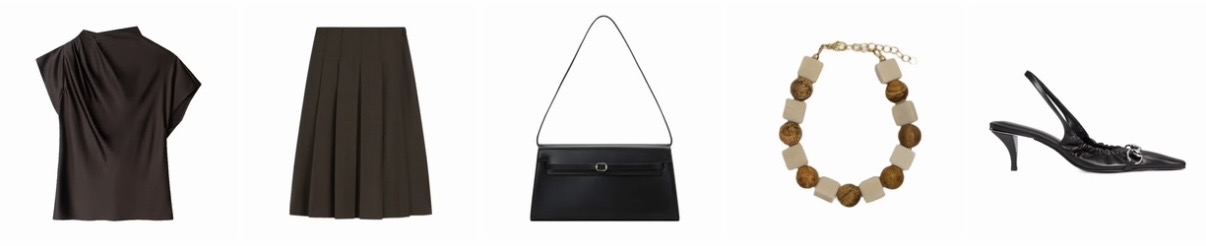
The challenge of workplace attire in the autumn months is addressed through the marriage of draped tops with pleated midi skirts. This pairing offers a departure from the traditional blazer-and-pant suit combination. By utilizing structured shoulder bags and classic pump heels, the wearer achieves a professional, "polished" aesthetic that adheres to corporate dress codes while embracing the season’s softer silhouette.
4. The Preppy Fall Aesthetic
For a more academic or "preppy" look, ivory draped tops are being styled with twill trousers and traditional loafers. The inclusion of wool socks and structured trapeze-style handbags modernizes this classic silhouette, proving that drapery can adapt to various sub-genres of style, from minimalist to heritage-inspired.
Industry Implications and Market Analysis
The prominence of the draped top is a reflection of a broader, long-term shift in consumer behavior. During the 2024 and 2025 fashion cycles, the market was heavily saturated with "logomania" and aggressive street-style trends. The move toward draped, sculptural clothing signifies a preference for garment construction over surface-level branding.

According to retail analysts, the "soft tailoring" sector is expected to grow by approximately 4.2% annually through 2027. This growth is driven by the desire for garments that transition seamlessly from office settings to after-hours environments—a necessity for the modern, multi-tasking consumer. The draped top is the epitome of this requirement, as it inherently looks "finished" even when paired with the simplest of bottoms.
Furthermore, the emphasis on materials like silk and crepe suggests a continued interest in sustainable, long-lasting fabrics. As consumers become more environmentally conscious, the focus on the longevity of a garment’s cut and drape—rather than its novelty—is becoming a competitive advantage for luxury brands.
The Role of Accessories in Modern Styling
No look is complete without the proper accessories to anchor the movement of the fabric. The 2026 autumn season has seen a return to "heirloom-quality" jewelry, particularly silver hoops and chunky, bold-faced watches. These items provide a necessary contrast to the softness of draped silk. Additionally, the continued popularity of the "slouchy" bag—a trend that complements the fluid lines of draped tops—suggests that the industry is collectively moving toward a softer, more organic silhouette for the latter half of the year.
Future Projections and Closing Insights
As designers look toward the Spring/Summer 2027 collections, it is highly probable that the lessons learned from the current draped trend will influence future patterns. The techniques used to create these tops—such as ruching, knotting, and asymmetric folding—are currently being adapted for dresses and outerwear.
For the remainder of Fall 2026, industry insiders recommend investing in at least one statement piece that features high-quality drapery in a neutral tone. This ensures maximum versatility, allowing the wearer to experiment with various textures and accessories. Whether opting for a scarf-detail blouse or a classic silk-crepe top, the draped aesthetic provides a sophisticated, timeless solution to the complexities of autumn styling.
Ultimately, the rise of the draped top is a testament to the cyclical nature of fashion. By taking inspiration from historical couture and applying it to the modern wardrobe, the industry has successfully revitalized a classic technique, making it the defining look of the 2026 fall season. As the temperatures continue to drop, the emphasis will remain on creating a look that is as comfortable as it is intentional, cementing the draped top’s place as a fundamental pillar of the contemporary wardrobe.