Nila Kartika Wati
The Sumatran rhinoceros (Dicerorhinus sumatrensis), a species teetering on the precipice of extinction, remains the focal point of an intensive, multi-agency conservation effort within the Leuser Ecosystem Complex (LEC). Spanning approximately 2.5 million hectares across the provinces of Aceh and North Sumatra, this vast tropical rainforest serves as one of the final remaining strongholds for the world’s smallest rhino species. As habitat loss and environmental degradation continue to plague the region, a coalition comprising the Leuser Conservation Forum (FKL), the Mount Leuser National Park Agency (BBTNGL), the Aceh Natural Resources Conservation Agency (BKSDA), and the Aceh Environment and Forestry Office (DLHK) has doubled down on its commitment to protect the species and its critical environment.
The Landscape of Protection: A Multi-Layered Strategy
The protection of the Sumatran rhino is not merely an exercise in wildlife observation; it is a complex logistical operation involving thousands of personnel and advanced technology. According to data provided by conservation groups, the FKL currently maintains a robust field presence supported by 12 operational teams stationed across 10 strategic protection posts. This network is augmented by 37 dedicated ranger teams, a specialized K9 unit trained for scent tracking, and a sophisticated network of online camera traps that provide real-time monitoring of the forest interior.
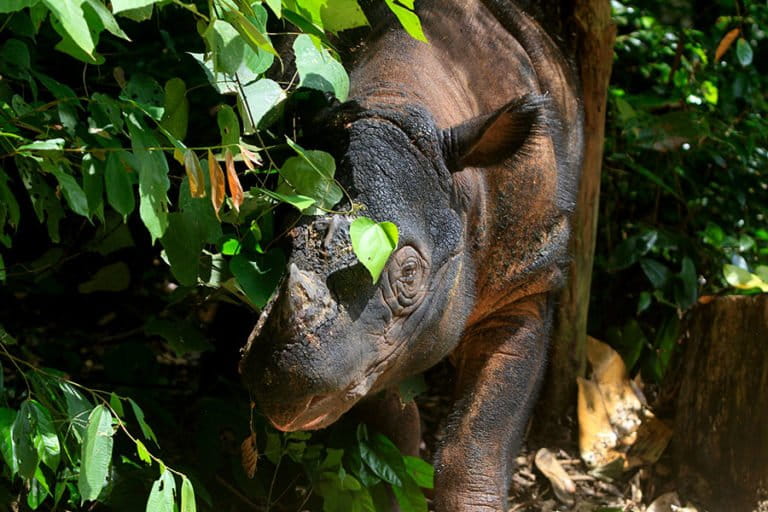
These teams operate under a collaborative framework, integrating personnel from the BBTNGL, the Indonesian National Armed Forces (TNI), the National Police, local community members, and professional FKL staff. The rigor of these operations is evidenced by the mandate requiring ranger teams to conduct patrol activities for a minimum of 15 days per month. This sustained presence has proven vital in curbing illegal activities, including poaching and unauthorized encroachment, which have historically decimated rhino populations.
Chronology and the Decline of Poaching
The conservation landscape in the Leuser Ecosystem has seen a notable shift over the past two decades. Historical data indicates that the threat of poaching has significantly diminished since the late 2000s. Dedi Yansyah, the Coordinator of Wildlife Protection at FKL and a key figure in the Sumatran Rhino Rescue project, noted that the most recent discovery of "seuneubok"—a traditional Acehnese term for specialized poaching equipment used to ensnare rhinos—occurred in 2008.
"Following that period, we have not identified any concrete evidence of organized poaching activities within the sectors we actively monitor," Yansyah stated. "However, the absence of direct evidence does not equate to a cessation of risk. Consequently, we have maintained, and in some areas intensified, our patrol frequency to ensure that no opportunistic poaching occurs."
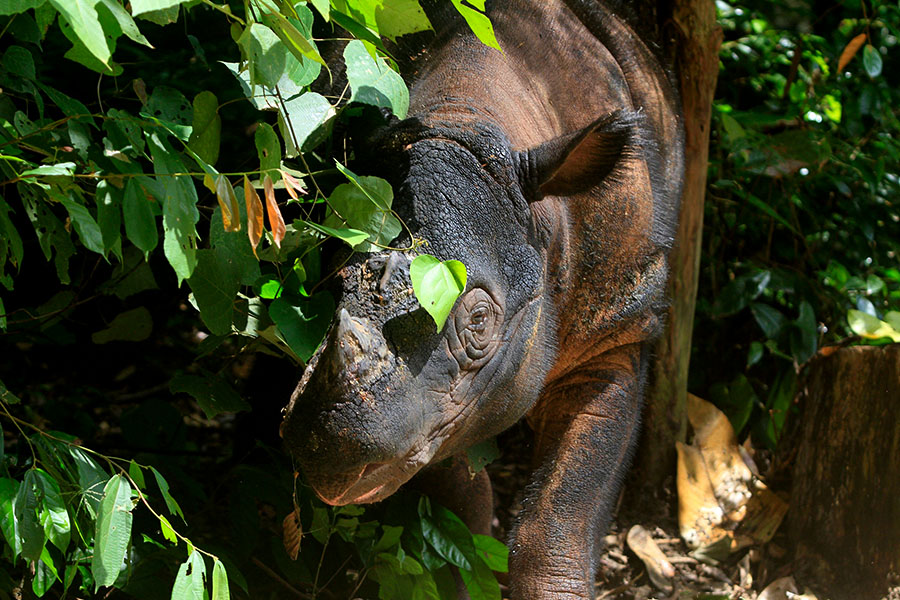
Ujang Wisnu Barata, Head of the Aceh BKSDA, corroborated this assessment, emphasizing that the lack of poaching indicators in recent years is a significant milestone for conservation. "The fact that we have not seen evidence of hunting in the Leuser forests for several years is an encouraging indicator. It suggests that our collective efforts to secure the population are yielding tangible results," Barata noted.
The Persistent Threat: Habitat Fragmentation and Loss
While direct poaching has been successfully suppressed, the long-term survival of the Sumatran rhino faces a more insidious threat: the systematic loss of its habitat. The Leuser Ecosystem is currently experiencing unprecedented pressure from human-induced land-use changes. According to comprehensive data from the Yayasan Hutan, Alam dan Lingkungan Aceh (HAkA), the loss of forest cover within the LEC reached an alarming 28,012 hectares in 2025. This figure represents a nearly five-fold increase compared to the 5,699 hectares lost in 2024.
The data reveals a concerning trend of accelerating deforestation. In 2020, the region lost 7,331 hectares; in 2021, 4,747 hectares; in 2022, 4,676 hectares; and in 2023, 4,854 hectares. The surge in 2025 has been particularly concentrated in several key districts. Aceh Timur recorded the highest rate of forest loss at 7,776 hectares, followed by Gayo Lues (6,556 hectares), Aceh Tengah (4,074 hectares), and Bener Meriah (2,720 hectares).
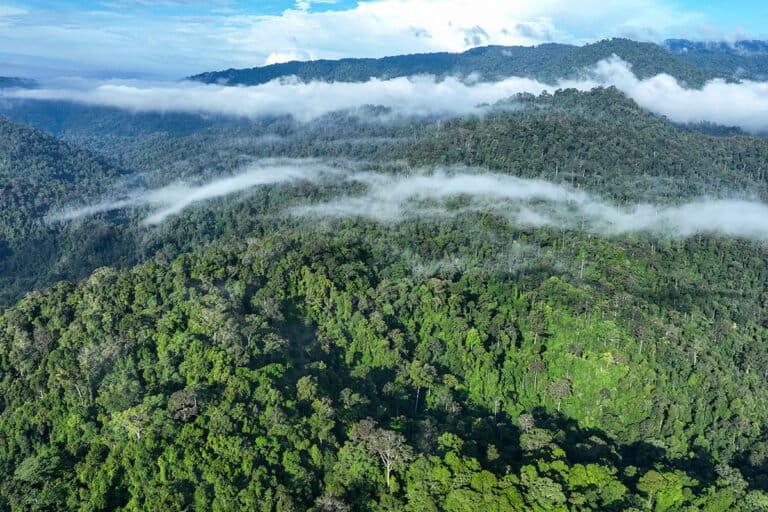
Lukmanul Hakim, the Geographic Information System (GIS) Manager at HAkA, underscored the necessity of analyzing these figures beyond their raw value. "The forest loss data is a symptom of broader socio-economic pressures," Hakim explained. "To address this, we must identify the specific drivers—be it the expansion of unauthorized plantations, illegal logging, small-scale gold mining, or infrastructure development. We need a granular understanding of where and why these forests are vanishing to formulate effective mitigation strategies."
The Complexity of Survival: Why Fragmentation Matters
For the Sumatran rhino, forest fragmentation is not merely an environmental concern; it is a biological catastrophe. The species is naturally solitary, and current populations are scattered across isolated pockets of the Leuser forest, particularly in the eastern reaches. Fragmentation limits the movement of the rhinos, restricts their foraging range, and prevents natural breeding patterns.
"When forests are fragmented, the rhinos become isolated," Yansyah explained. "This creates a bottleneck. If a population is too small and physically separated from others, the genetic diversity suffers, and the individuals become more vulnerable to disease or local catastrophes. Our strategy must focus on maintaining ecological corridors that allow these animals to traverse the landscape safely."
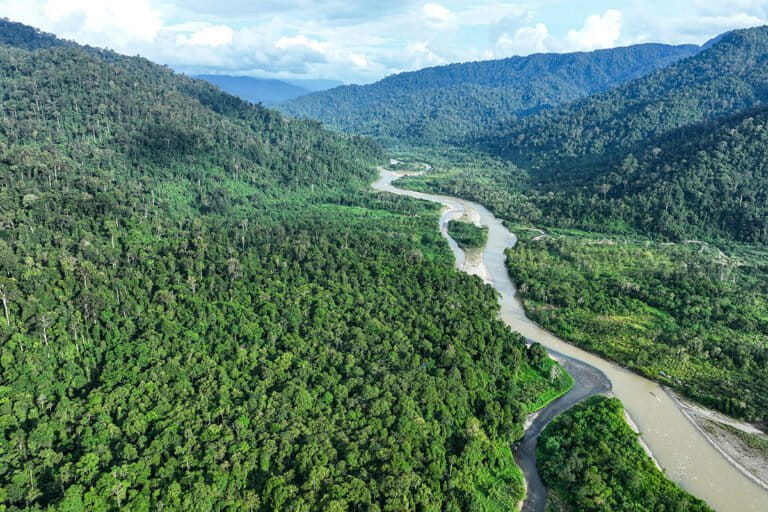
Subhan, the Head of the BBTNGL, reinforced the agency’s commitment to habitat integrity. "We are utilizing ‘Smart Patrol’ methodologies to track forest health and illegal entry points. By integrating real-time camera data with ground-level intelligence, we can respond to threats before they escalate. We are also prioritizing restoration efforts in areas that have been degraded, as the long-term goal is not just to prevent decline but to facilitate the expansion of the rhino’s habitable range."
The Strategic Shift: Toward Controlled Breeding and Rescue
Given the precarious nature of the wild population, the Indonesian government has shifted its focus toward a hybrid strategy: protecting the wild population while simultaneously developing off-site breeding facilities. The establishment of the Sumatran Rhino Sanctuary (SRS) in East Aceh is a cornerstone of this long-term recovery plan.
"Increasing the total population of the Sumatran rhino is our primary objective," Barata stated. "The SRS serves as a critical safety net. By bringing isolated individuals into a managed environment, we can facilitate breeding under controlled conditions, ensuring that the species does not vanish from the face of the Earth while we work to restore the wider ecosystem to a point where they can once again thrive in the wild."
Broader Implications and Future Outlook
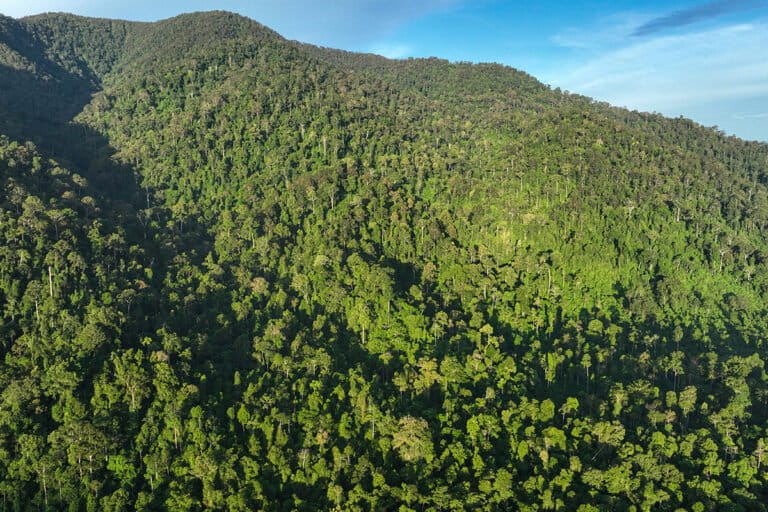
The survival of the Sumatran rhino is intrinsically linked to the health of the Leuser Ecosystem, which provides essential ecosystem services, including water regulation and climate mitigation, for millions of people in Sumatra. The challenge, therefore, is not only the preservation of one species but the protection of the entire ecological infrastructure that sustains it.
The current situation presents a paradox: successes in anti-poaching measures are being threatened by the rapid encroachment of agriculture and infrastructure development. The increase in forest loss throughout 2025 serves as a warning that without rigorous enforcement of land-use policies and a commitment to sustainable development, the gains made in the field will be eclipsed by the loss of the rhino’s home.
As stakeholders continue to navigate these complexities, the integration of technology, community involvement, and high-level policy intervention remains the only viable path forward. The next decade will likely determine whether the Sumatran rhino, a prehistoric relic of the rainforest, will continue to roam the valleys of the Leuser or fade into history. The commitment from the various agencies currently patrolling the forests is profound, but the scale of the threat—driven by economic expansion and territorial loss—requires an equally robust response from both provincial and national governments to ensure that the "Great House" of Leuser remains standing for generations to come.