Nila Kartika Wati
In the heart of the Bangka Belitung Islands, the Malay communities have historically relied on a sophisticated, ancestral approach to water management rooted in the protection of the tumbek—the sacred headwaters that serve as the origin point for the region’s intricate network of streams and rivers. For generations, these sites, often nestled within protected hill forests, have been considered forbidden territory, strictly off-limits for agriculture or industrial development. This deep-seated cultural conservation strategy, which once ensured a reliable supply of pristine water for traditional ume (upland farms) and kelekak (orchard forests), is now facing an existential crisis. As the region grapples with the dual pressures of intensive industrial mining and the encroaching demands of large-scale plantation agriculture, the fundamental lifeblood of the island is being systematically compromised.
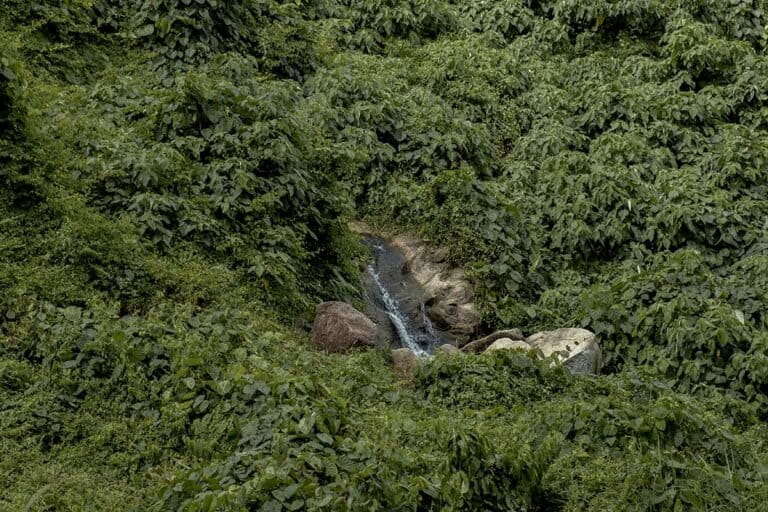
The cultural geography of the Bangka Belitung islands is intrinsically linked to these tumbek. In the northern reaches of Bangka Island, the Mapur people serve as the traditional guardians of the Gunung Cundong forest, a 320-hectare sanctuary. Within this landscape, a single tumbek acts as the primary artery for 12 distinct tributaries. To the Mapur, these sites are not merely natural resources; they are sacred entities protected by a spiritual taboo. As Atok Kasmin, a 73-year-old Mapur resident, noted in August 2026, the preservation of these sites is a matter of survival, not just tradition. The belief system of the Mapur is clear: any violation of the tumbek area is believed to invite kutuk, or a curse, manifesting as illnesses among those who consume the tainted water downstream. This belief, while spiritual in origin, mirrors the ecological reality of watershed degradation. Similar protective traditions are observed by communities surrounding significant landmarks, including Bukit Menumbing, Bukit Pelangas, Bukit Nenek, Bukit Mangkol, Gunung Pading, Gunung Maras, and Bukit Tukak.
The Erosion of Hydrological Integrity
The contemporary reality of water security in Bangka Belitung stands in stark contrast to these historical practices. According to the 2025 Status of the Regional Environment (SLHD) report, the archipelago is home to 2,412 recorded rivers flowing across its 1.6 million hectares of land. However, the integrity of these waterways has been severely compromised. Monitoring data from 158 sampling points across the province reveals a alarming trend: 65.9 percent of these points exceed the national standard for Biochemical Oxygen Demand (BOD), while 85.2 percent fail to meet the standards for Chemical Oxygen Demand (COD). Furthermore, 54.5 percent of samples showed levels of fecal coliform exceeding safety thresholds, indicating severe contamination from untreated domestic waste and agricultural runoff.
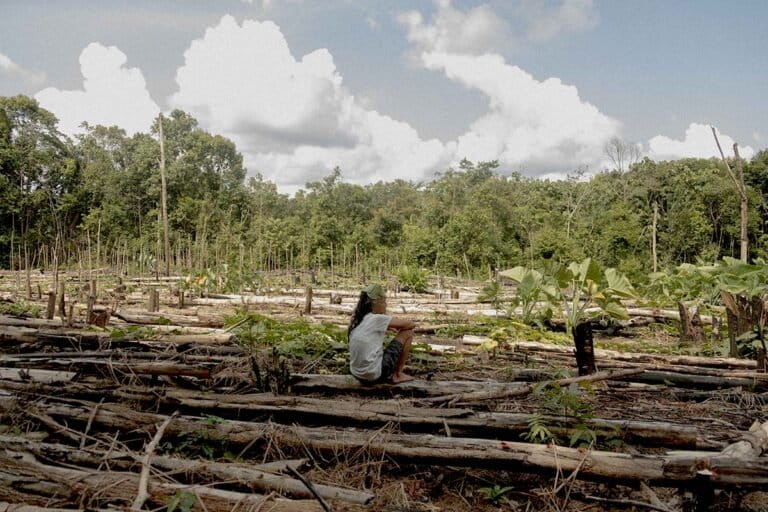
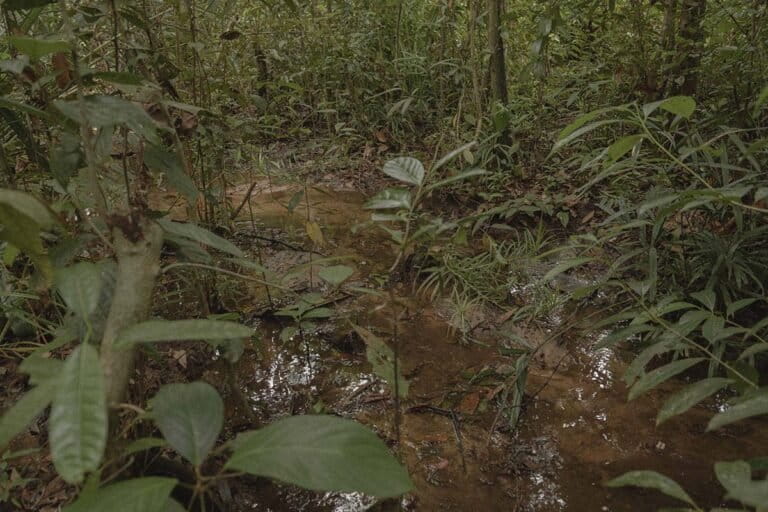
The degradation of these water bodies is a persistent, systemic failure. Industrial activities, specifically tin mining, have turned clear streams into silt-heavy, turbid channels, effectively erasing smaller tributaries that once sustained rural villages. The cumulative impact of these activities, combined with the expansion of intensive industrial aquaculture and illegal mining operations, has led to a consistent decline in the Index of Water Quality (IKA) across the province.
The Economic Burden of Water Scarcity
This environmental decline has forced a profound shift in the lifestyle of the local population. With natural sources no longer reliable or safe, the dependency on bottled water has reached staggering levels. Government records from late 2026 indicate that approximately 66.87 percent of the 1.5 million residents in Bangka Belitung now rely on commercial bottled water for their daily intake. In comparison, only 21.76 percent of the population utilizes well water, 8.32 percent relies on rivers, and a mere 1.83 percent has access to piped water from the regional utility (PAM).
The irony of this situation is highlighted by the competing demands for water resources. The same provincial data reveals that the palm oil industry in the region consumes approximately 333.1 million liters of water annually—a figure 8.8 percent higher than the total daily water consumption requirements of the entire human population of Bangka Belitung, estimated at 306.3 million liters. This allocation of resources raises significant questions about sustainability and the prioritization of industrial growth over basic human needs.
Policy Responses and the Limitations of Engineered Solutions
In response to these challenges, the Provincial Government of Bangka Belitung issued Regulation No. 4 of 2026, outlining the Master Plan for Drinking Water Supply Systems (RISPAM) for the 2025–2045 period. The plan projects a significant deficit in water supply, with the required capacity reaching 3,990.29 liters per second by 2045, while current regional utility production is limited to roughly 435.07 liters per second.
The government’s proposed solution involves the implementation of regional water systems—large-scale installations that draw from centralized sources to supply multiple districts. However, experts and researchers remain skeptical of the efficacy of this engineering-heavy approach. A 2022 study by researchers from IPB University, which examined the feasibility of using kolong (abandoned mining pits) as reservoirs, identified a consistent downward trend in water availability. While the government has begun rehabilitating sites like the Beguruh kolong in Central Bangka, these artificial basins are highly vulnerable to seasonal fluctuations. During the dry season, many of these pits fail to retain sufficient volume, as seen in the Mentok district, where major supply kolongs were predicted to run dry by late October 2026.
Irvani, a geological researcher and lecturer at the University of Bangka Belitung, emphasizes that the use of kolongs as a primary water source is a high-risk strategy. He notes that the chemical and biological composition of these pits requires comprehensive, biennial monitoring to ensure the presence of heavy metals, pH balance, and microbial contaminants remains within safety limits. Relying on these post-industrial scars for the survival of the population is, at best, a short-term stopgap and, at worst, a public health liability.
Rethinking Sustainability: A Return to the Tumbek
The push to replace ancestral knowledge with centralized infrastructure is being challenged by local environmental advocates. Jessix Amundian, Director of Tumbek for Earth, argues that the current crisis is a direct result of ignoring the ecological services provided by the island’s natural forests. According to Amundian, the "tumbek" system functioned as a natural, decentralized water-storage mechanism that required no electricity, no chemical treatment, and no massive capital investment.
The historical model of the Malay communities—building settlements near the flow of small streams originating from the tumbek—demonstrated an inherent understanding of the island’s geological limitations. Bangka Island, being largely composed of granite, has poor natural groundwater retention. The forests surrounding the tumbek serve as the only effective "sponge" that captures and regulates the release of water throughout the year.
The transition from a sustainable, community-led management of these watersheds to a centralized, industrial-focused model has not only disrupted local food security—such as the cultivation of upland rice—but has also created a dependency on imported, packaged water that is economically and environmentally unsustainable.
Broader Implications and Future Outlook
The trajectory of water policy in Bangka Belitung is currently at a crossroads. As the gap between supply and demand widens, the reliance on technical engineering solutions like damming kolongs will likely face increasing scrutiny, particularly as climate change exacerbates the severity of dry seasons.
The integration of indigenous conservation practices into modern environmental policy is no longer just a matter of cultural preservation; it is a pragmatic necessity. By protecting the tumbek and the surrounding forest corridors, the province could potentially restore the natural hydrological cycle that has sustained the island for centuries. However, this requires a fundamental shift in land-use policy, specifically the cessation of mining and plantation expansion within these critical headwater zones.
As of late 2026, the conflict between industrial economic interests and the preservation of essential ecological services remains unresolved. The future of Bangka Belitung’s water security will likely depend on whether policymakers choose to continue chasing expensive, fragile, and ultimately insufficient infrastructure projects, or whether they will return to the wisdom of the local communities—the guardians of the tumbek—who understood long ago that the prosperity of the island is inseparable from the health of its forests and the purity of its flowing water. The path forward demands an urgent re-evaluation of how the province defines value, development, and the very definition of a sustainable future.