
 Azin Asro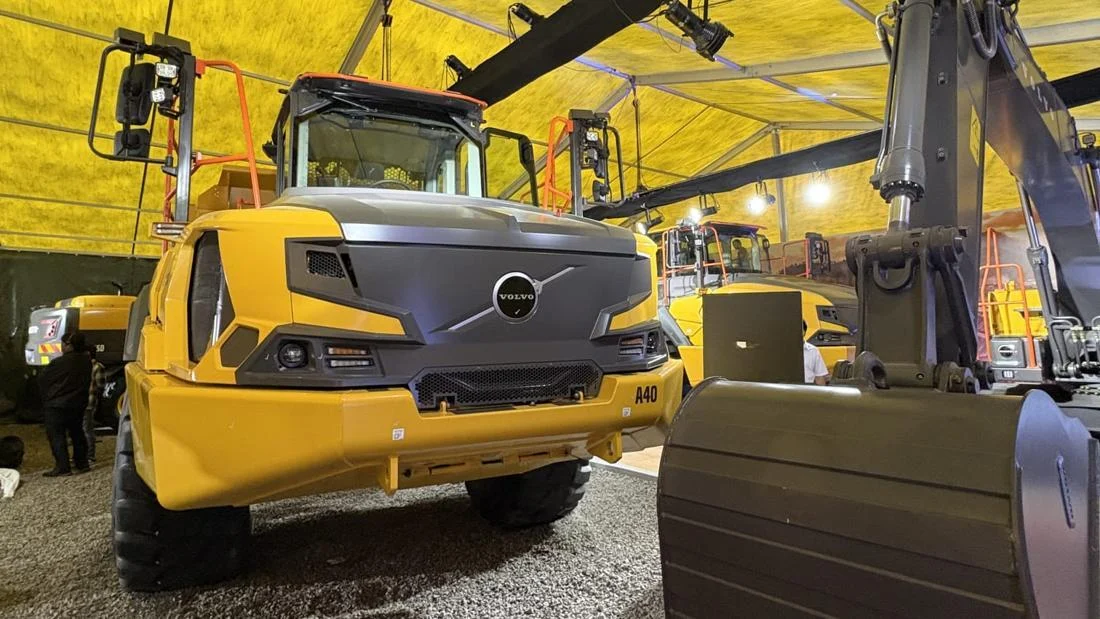
The global transition toward sustainable energy has officially moved beyond urban streets and mainstream logistics, penetrating the heavy-duty, energy-intensive world of mineral and coal extraction. In Indonesia, a country rich in natural resources and aggressively pushing toward its net-zero emission targets, electric vehicles (EVs) are increasingly making their way into operational mining sites. However, integrating battery-powered machinery into remote, rugged, and high-demand environments introduces a complex matrix of operational, infrastructural, and economic challenges that industry stakeholders must carefully navigate.
While urban EV adoption focuses primarily on passenger cars and delivery vans, the stakes are exponentially higher in the mining sector. Heavy machinery and haul trucks operating in places like East Kalimantan are the lifeblood of commodity production. Transitioning these fleets from diesel to electricity is not merely a matter of swapping engines; it requires a fundamental redesign of site logistics, power generation, and maintenance protocols.
The Current Landscape of Mining Electrification in Indonesia
Recent discussions surrounding the deployment of sustainable energy machinery have brought these operational realities to light. During a specialized forum titled Renewable Energy on Machine Application—co-hosted by heavy equipment distributor PT Indotruck Utama and the Association of Indonesian Heavy Equipment Experts (Pertaabi)—industry practitioners gathered to evaluate the progress and hurdles of mining electrification.
Data from the field indicates that the integration of electric units is no longer just theoretical. In specific mining concessions located in East Kalimantan, for instance, a fleet of 18 heavy-duty electric haul trucks has been actively operating. Some of these units have been running for upwards of eight months, while the pioneering vehicles in the fleet are approaching nearly a full year of continuous service.
This initial deployment serves as a crucial testing ground for the broader Indonesian mining industry. It demonstrates that battery-electric commercial vehicles are mechanically capable of handling grueling haulage cycles. Yet, experts emphasize that operational viability is only the first hurdle. Scaling up this technology requires a robust commercial and operational ecosystem that is currently still in its infancy across many of the archipelago’s remote extraction sites.
Critical Operational Challenges: From Power Supply to Workforce Readiness
Operating electric mining trucks and excavators is vastly different from running conventional internal combustion engine (ICE) machinery. According to mining operations practitioner Agung Budi Prasetya, deploying EVs in the mining sector demands rigorous preliminary testing before any large-scale capital expenditure is committed.
"Trial runs should be conducted to gather empirical evidence that electricity-powered units can fully meet operational demands," Prasetya stated during the forum. He outlined a comprehensive evaluation framework that mining companies must undertake, which includes monitoring safety standards, operational productivity, energy consumption rates, charging patterns, tailpipe emissions, equipment availability, and downtime metrics.
The transition introduces several technical bottlenecks that demand meticulous planning:
- Grid Stability and Power Infrastructure: Mining sites are often located in remote areas far from the national electricity grid. Providing a stable, high-capacity power supply capable of charging massive fleets of heavy trucks simultaneously requires dedicated on-site power generation, often relying on hybrid systems that integrate solar or diesel generators with battery energy storage systems (BESS).
- Charging Logistics and Downtime: Unlike diesel vehicles that can be refueled in a matter of minutes, electric heavy machinery requires substantial charging windows. Engineers must carefully calculate charging durations against shift schedules to prevent productivity bottlenecks.
- Workforce Upskilling: The maintenance and operation of high-voltage electric machinery require a paradigm shift in workforce competencies. Drivers must adapt to regenerative braking and torque management, while technicians require specialized training in high-voltage electrical safety and diagnostic software.
- Supply Chain and Spare Parts Availability: Procuring replacement parts for advanced electric powertrains in remote locations remains a logistical challenge, potentially leading to extended downtime if components fail.
The Principle of Fit for Application
A central theme emerging from industry experts is the necessity of strict adherence to the "fit for application" principle. Sahala Sigalingging, an expert from Pertaabi, underscored that mining vehicles cannot simply be purchased off-the-shelf and deployed into a pit.
"The selection of vehicles for mining units must fulfill the fit for application principle. This principle mandates that the capacity and dimensions of the vehicle must be meticulously tailored to the specific conditions of the work area and haul roads," Sigalingging explained.
Because every mining concession has unique topography, gradient profiles, soil conditions, and payload requirements, the customization of electric units can take anywhere from several months to multiple years. Heavy-duty electric trucks, which carry payloads scaling into hundreds of tonnes, demand significantly higher infrastructure readiness compared to light electric utility vehicles, whose deployment is primarily governed by basic utilization rates and site transport needs.
Economic Viability and Total Cost of Ownership (TCO)
Beyond the technical and operational hurdles, the financial equation of electric mining fleets remains a primary boardroom concern. Transitioning to electric machinery requires substantial upfront capital expenditure (CapEx), not just for the vehicles themselves, but for the heavy-duty charging stations, substation upgrades, and grid reinforcement.
To justify these investments, mining companies evaluate the Total Cost of Ownership (TCO) over the asset’s lifecycle. Richo Billy Wulur, a practitioner in commercial and logistics electric vehicles, highlighted that TCO calculations must holistically incorporate charging infrastructure costs, ongoing maintenance overheads, productivity impacts, and residual vehicle values.
A major financial risk for fleet operators is battery degradation. In heavy-duty mining operations, where batteries undergo deep discharge and rapid charging cycles under extreme thermal conditions, longevity is paramount. To mitigate these financial anxieties, equipment manufacturers are increasingly pressured to offer robust warranties—such as coverage extending up to eight years—alongside guaranteed performance thresholds, such as automated battery replacement schemes if capacity drops below 75 percent.
Broader Implications for Indonesia’s Mining and Energy Sectors
The integration of electric vehicles into Indonesia’s mining sector carries profound implications for the nation’s broader economic and environmental landscape. As one of the world’s leading producers of nickel—a critical component for EV batteries—Indonesia is uniquely positioned to close the loop on the green energy supply chain by utilizing clean energy within its own extraction processes.
By electrifying mining fleets, companies can significantly reduce Scope 1 emissions, directly aligning with Indonesia’s enhanced Nationally Determined Contribution (NDC) targets and corporate Environmental, Social, and Governance (ESG) mandates demanded by global financial markets. Furthermore, cutting diesel consumption insulates mining operations from the extreme price volatility of global fossil fuels, offering long-term operational cost stability once the initial infrastructure is amortized.
However, the speed of this transition will depend heavily on collaborative policymaking. Government support in developing regional green energy grids, providing tax incentives for green technology imports, and establishing standardized safety regulations for high-voltage industrial equipment will be vital catalysts.
Conclusion
The deployment of electric vehicles in Indonesia’s mining sector represents a pivotal milestone in the industrial energy transition. While early adopters in regions like East Kalimantan have proven that heavy electric trucks can function effectively in real-world extraction environments, significant challenges remain. Overcoming infrastructural deficits, managing high initial capital outlays, ensuring battery resilience, and adhering to strict "fit for application" engineering principles will determine whether electrification remains a niche experiment or becomes the baseline standard for the future of Indonesian mining.








