Hadi Wijaya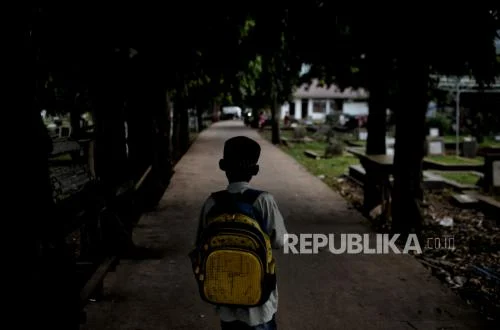
The increasing prevalence of child abduction cases across various regions in Indonesia has prompted urgent calls for a more robust and synergistic relationship between educational institutions and families. Dr. Y Bagus Wismanto, a prominent psychologist and former Rector of Unika Soegijapranata, emphasized that the primary defense mechanism against such crimes lies in the quality of communication between schools and parents. Speaking in Semarang, Central Java, Dr. Wismanto asserted that a clear understanding of the respective rights and obligations of both parties is essential to creating a secure environment for students. This call for action comes at a time when public anxiety regarding child safety has reached a fever pitch, fueled by both confirmed reports and a surge in social media-driven rumors.
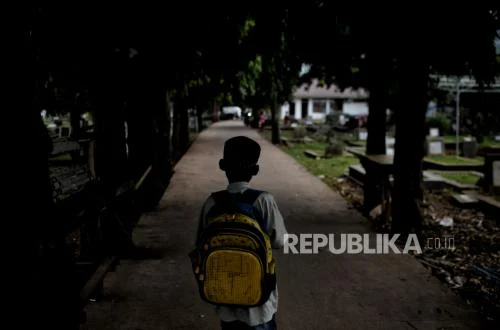
The psychological and social landscape of child protection in Indonesia is currently facing a significant test. Dr. Wismanto’s observations highlight a critical gap in the current safety protocols: the transition of custody between the school gate and the home. He noted that while schools serve as secondary guardians during the academic day, the ultimate responsibility for a child’s safety remains with the parents. However, this responsibility cannot be exercised in a vacuum. Schools must be proactive in explaining their security boundaries, while parents must remain vigilant and engaged, ensuring that no child is left in a vulnerable position during the "gray hours" of school dismissal.
The Context of Rising Abduction Rates in Indonesia
The urgency of Dr. Wismanto’s warning is underscored by recent data from the Ministry of Women Empowerment and Child Protection (KPPPA). According to official statistics, Indonesia witnessed a sharp increase in child abduction cases in 2022, with 28 confirmed incidents reported nationally. This figure represents a nearly 100 percent increase from the 15 cases recorded in 2021. While the raw numbers may seem low in a country of over 270 million people, the psychological impact of each case ripples through communities, creating a climate of fear that affects thousands of families.
In Semarang specifically, several reports of attempted abductions have circulated, leading to increased police patrols and community watch programs. The motivations behind these crimes are multifaceted, but Dr. Wismanto points out that economic desperation remains the most frequent driver. Kidnapping for ransom, child trafficking for labor, or more sinister motives related to illegal adoption syndicates often underpin these criminal acts. The "economic motivation" mentioned by Wismanto suggests that perpetrators often view children not as human beings with rights, but as commodities that can be exploited for financial gain.
Defining the Boundaries of Responsibility
One of the most complex aspects of child safety is the definition of "duty of care." Dr. Wismanto argues that schools are responsible for the child only as long as they are within the school premises and under institutional supervision. Once the school bell rings, the dynamic changes. "Schools help to educate, but the primary responsibility for the child’s upbringing and safety lies with the parents and the immediate family," Wismanto explained. This distinction is vital because it prevents a "responsibility vacuum" where each party assumes the other is watching the child.
To bridge this gap, many educational experts suggest the implementation of strict Standard Operating Procedures (SOPs) for student pick-ups. These may include:
- Authorized Pick-up Lists: Schools maintaining a database of individuals authorized by parents to collect a child.
- Identification Systems: The use of "pick-up cards" or digital verification codes that must be presented to school security.
- Communication Channels: Real-time messaging groups or apps where teachers can notify parents of any changes in schedule or suspicious individuals loitering near the gate.
Beyond the school and the parents, Dr. Wismanto also highlighted the role of the "extended family" and the community. In Indonesian culture, the "it takes a village" mentality is historically strong, but urbanization has sometimes weakened these communal ties. Re-engaging neighbors and local businesses to look out for children walking home alone is seen as a secondary layer of protection.
The Psychological Aftermath and the Path to Recovery
The impact of abduction extends far beyond the physical act itself. For a child, the experience of being forcibly removed from a safe environment by a stranger is a catastrophic trauma. Dr. Wismanto noted that victims often suffer from deep-seated trust issues and a pervasive sense of insecurity. "An abducted child feels fundamentally unsafe. Their perception of the world as a predictable and secure place is shattered," he said.
The long-term effects can manifest as social withdrawal, chronic anxiety, and difficulty forming healthy relationships in adulthood. Because children are still in a developmental phase where they learn to navigate social cues, a traumatic event like kidnapping can distort their ability to distinguish between safe and dangerous social interactions.
The recovery process, according to Wismanto, must focus on "restoring the sense of safety." This is not a task for professionals alone; it requires a concerted effort from the parents to provide a stable, loving, and hyper-predictable environment. Parents of victims are encouraged to offer constant reassurance and to gradually re-socialize the child under highly controlled and safe conditions. The goal is to prove to the child, through repeated positive experiences, that the world—and specifically their immediate circle—is once again a safe place.
Addressing the Economic Drivers and Social Risks
While the psychological perspective focuses on the victim and the family, the sociological perspective must address why these crimes occur. The "economic motivation" cited by Dr. Wismanto is a systemic issue. Poverty, lack of employment opportunities, and the existence of organized crime syndicates create a fertile ground for child exploitation.
In some instances, the rise in abduction reports is also linked to the digital age. Social media platforms like WhatsApp and Facebook have become double-edged swords. While they allow for the rapid dissemination of warnings, they are also prone to spreading "hoaxes" or unverified rumors about "kidnapping vans" or "organ harvesters." These rumors can lead to vigilantism, where innocent people are targeted by angry mobs based on false accusations.
Psychologists and law enforcement officials urge the public to verify information with the police before sharing it. A factual, data-driven approach to child safety is more effective than one driven by hysteria. By focusing on verified cases and actual criminal patterns, resources can be directed toward high-risk areas and legitimate prevention strategies.
National Policy and Institutional Accountability
The Indonesian government, through the KPPPA and the National Police (Polri), has been working to strengthen the legal framework surrounding child protection. Law No. 35 of 2014, which amends Law No. 23 of 2002 on Child Protection, provides stiff penalties for those involved in child abduction and trafficking. However, legal experts argue that enforcement and prevention must go hand-in-hand.
Institutional accountability is another key factor. Schools that fail to provide adequate security or fail to communicate with parents may face scrutiny. On the other hand, parents who are found to be negligent in their supervision may also be subject to intervention by social services. The "synergy" Wismanto speaks of is therefore not just a moral suggestion but a practical necessity for the functioning of a safe society.
Conclusion: A Call for Sustained Vigilance
The rise in child abduction cases in 2022 serves as a wake-up call for all sectors of Indonesian society. As Dr. Wismanto concluded, the solution is not to live in a state of constant panic, but to foster a culture of "active communication" and "shared responsibility." When schools and parents are in constant dialogue, the opportunities for criminals to exploit gaps in supervision are significantly reduced.
The path forward involves more than just locking gates and installing cameras. It requires a holistic approach that includes psychological awareness, socio-economic interventions, and a commitment to protecting the most vulnerable members of society. By prioritizing the safety of children through improved institutional protocols and strengthened family bonds, the community can ensure that the "trauma of the past" does not dictate the "social relations of the future" for the next generation. The focus must remain on the child’s right to a safe childhood, a right that can only be guaranteed when the adults in their lives work in perfect unison.