Chalifah Fatihah
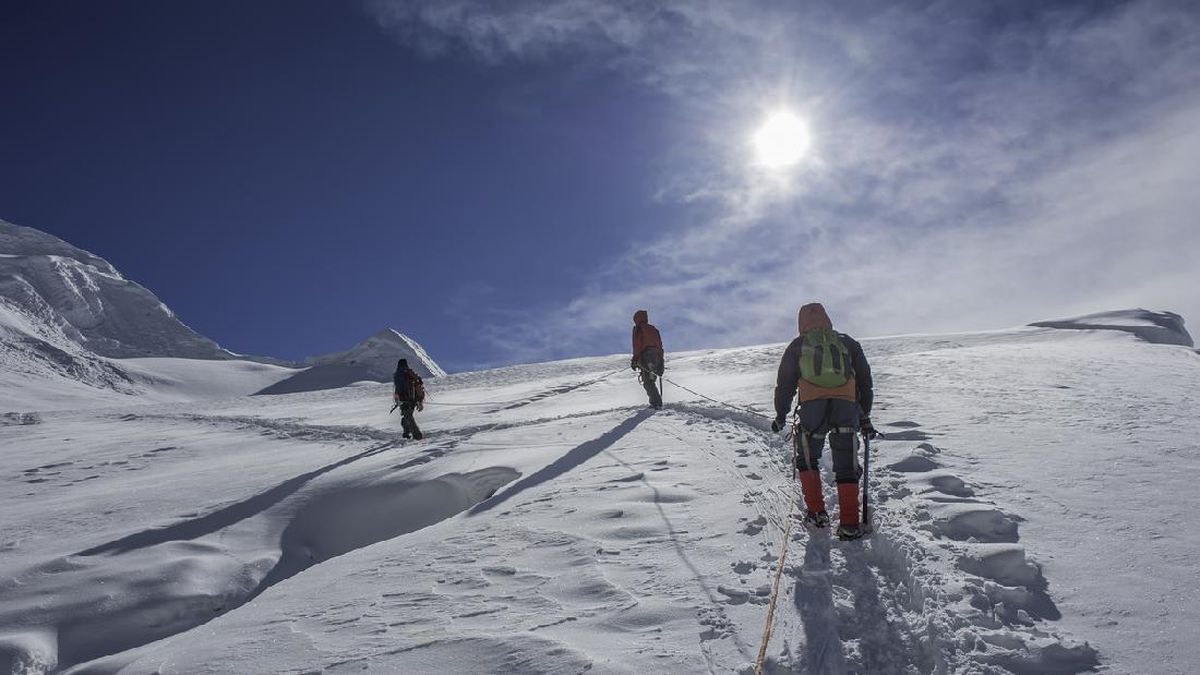
The highly anticipated climbing season on Mount Everest, the world’s highest peak, has officially commenced, drawing hundreds of determined adventurers to the border of Nepal and Tibet. Despite the formidable presence of a looming serac – a colossal, unstable ice formation – and a significant surge in permit costs, climbers are undeterred in their pursuit of the 8,848.86-meter summit. Approximately 410 international climbers and an equal number of local Sherpa guides have congregated at Everest Base Camp, situated at 5,300 meters above sea level, bracing themselves for the optimal weather window that typically appears in May.
The Perilous Khumbu Icefall: A Constant Menace
This year’s opening of the climbing routes faced a two-week delay due to the precarious state of the Khumbu Icefall. This notorious section of the mountain, a dynamic glacier filled with colossal ice blocks, is a critical bottleneck for climbers ascending via the South Col route. The "Icefall Doctors," a specialized team of Sherpas responsible for establishing and maintaining the route, were forced to reroute their efforts, creating a new path that unfortunately traverses directly beneath the massive, crevasse-laden serac.
The Sagarmatha Pollution Control Committee (SPCC) in Nepal has issued a stark warning to all expeditions and climbers. Their statement, as reported by The Independent, emphasizes the extreme danger: "These ice blocks are riddled with crevasses and could collapse at any moment. We urge all expedition operators and climbers to exercise extreme caution."
The Khumbu Icefall is widely recognized as one of the most perilous segments of the Everest ascent. Its ever-shifting glacial terrain and towering ice formations, some as large as ten-story buildings, pose a constant threat of ice avalanches. The recent delay underscores the unpredictable and inherently dangerous nature of this environment.
Navigating Increased Risks and Costs
Experienced mountaineers are voicing significant concerns. Lukas Furtenbach, a renowned mountain guide speaking from Base Camp, stated, "Anyone who says they are not worried is either inexperienced or not paying attention. The route this year is more complex and exposed than last year."
To mitigate these heightened risks, expedition teams are implementing stringent safety protocols. These include reducing the weight of logistics to enable faster movement through hazardous zones and ensuring that crossings of the most dangerous sections of the Khumbu Icefall are undertaken exclusively in the early morning hours, when the ice is most stable and frozen. Climbers are also being advised to rely heavily on the judgment and risk assessment of the most experienced Sherpa guides.
The financial burden of climbing Everest has also increased significantly. Factors contributing to this surge include the ongoing geopolitical tensions stemming from the Iran War, which have impacted supply chains and travel, coupled with an increase in permit fees levied by the Nepalese government. Despite these escalating costs, the allure of Everest remains potent, with a persistent high demand for climbing permits.
Shifting Demographics on the World’s Highest Peak
Ang Tshering Sherpa of Asian Trekking has observed a notable shift in the demographic of climbers this season. There has been a reported decrease in the number of climbers from the United States and Europe. Conversely, a significant surge in participants from other Asian nations has been noted. This trend is further amplified by China’s decision to close the North Col route this year, effectively consolidating all international expeditions onto the South Col route through Nepal. This concentration of climbers on a single route can potentially lead to increased congestion, particularly in critical sections like the Khumbu Icefall, further exacerbating safety concerns.
Historical Context and Everest’s Enduring Allure
Mount Everest, known as Sagarmatha in Nepal and Chomolungma in Tibet, has captivated the human imagination for decades. The first confirmed ascent was made by Sir Edmund Hillary of New Zealand and Tenzing Norgay, a Sherpa from Nepal, on May 29, 1953. Since then, thousands have attempted to conquer its summit, with varying degrees of success and, tragically, with a significant loss of life.
The challenges of climbing Everest are multifaceted, encompassing extreme altitude, unpredictable weather, treacherous terrain, and the inherent risks of frostbite and altitude sickness. The Khumbu Icefall, a constantly moving glacier, presents a unique and formidable obstacle, characterized by towering ice towers (seracs) and deep crevasses that can shift and open without warning. The meticulous work of the Icefall Doctors is crucial, involving the installation of ropes, ladders, and fixed lines to create a navigable path. However, their work is a continuous battle against the dynamic forces of nature.
Previous Incidents and Safety Measures
The dangers of the Khumbu Icefall are not a new concern. In 2014, an avalanche in the Icefall tragically killed 16 Nepalese guides, leading to the cancellation of that year’s climbing season. In 2015, an earthquake in Nepal triggered a massive avalanche at Everest Base Camp, causing further casualties and the suspension of climbing activities. These events have underscored the critical need for robust safety protocols and constant vigilance.
The current situation, with a newly established route directly beneath a large serac, highlights the ongoing adaptation required by expedition organizers and guides in response to the mountain’s ever-changing conditions. The decision to proceed with the season, despite these risks, reflects the enduring human drive for exploration and achievement, balanced against the calculated acceptance of danger.
The Economic and Cultural Significance of Everest Tourism
The climbing season on Everest is a vital economic engine for Nepal, generating substantial revenue through permit fees, guide services, and associated tourism. The presence of hundreds of climbers and their support staff directly benefits local communities, providing employment and economic opportunities. However, this economic boon is intrinsically linked to the safety and sustainability of the mountain environment.
The increasing popularity of Everest has also led to concerns about environmental impact, including waste management and the potential for overcrowding. While this year’s article focuses on the immediate safety concerns related to the Khumbu Icefall and costs, the broader implications of managing a peak of such global significance continue to be a subject of ongoing discussion and policy development by Nepalese authorities.
Looking Ahead: A Season of Vigilance
As the 2026 climbing season unfolds, the global mountaineering community will be closely watching the progress of expeditions on Everest. The courage and resilience of the climbers and Sherpas are undeniable, as is their willingness to confront extraordinary challenges. However, the looming threat of the serac serves as a stark reminder of the raw power of nature and the ultimate respect that must be afforded to the world’s highest mountain. The coming weeks will undoubtedly test the mettle of all involved, with safety and careful decision-making paramount to a successful, and hopefully tragedy-free, season.