Azin Asro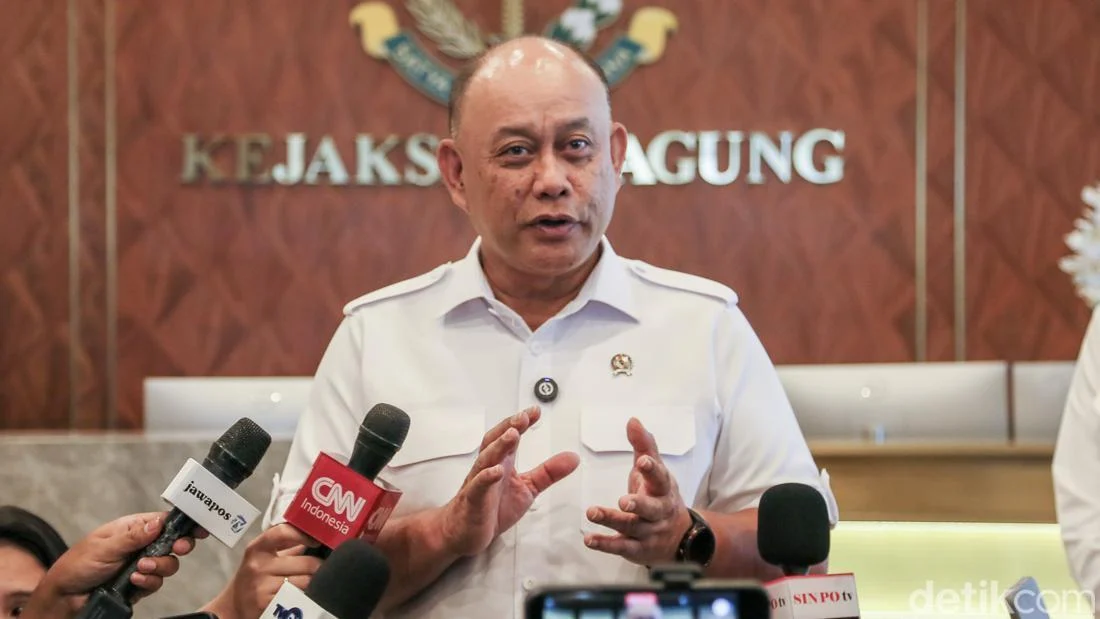
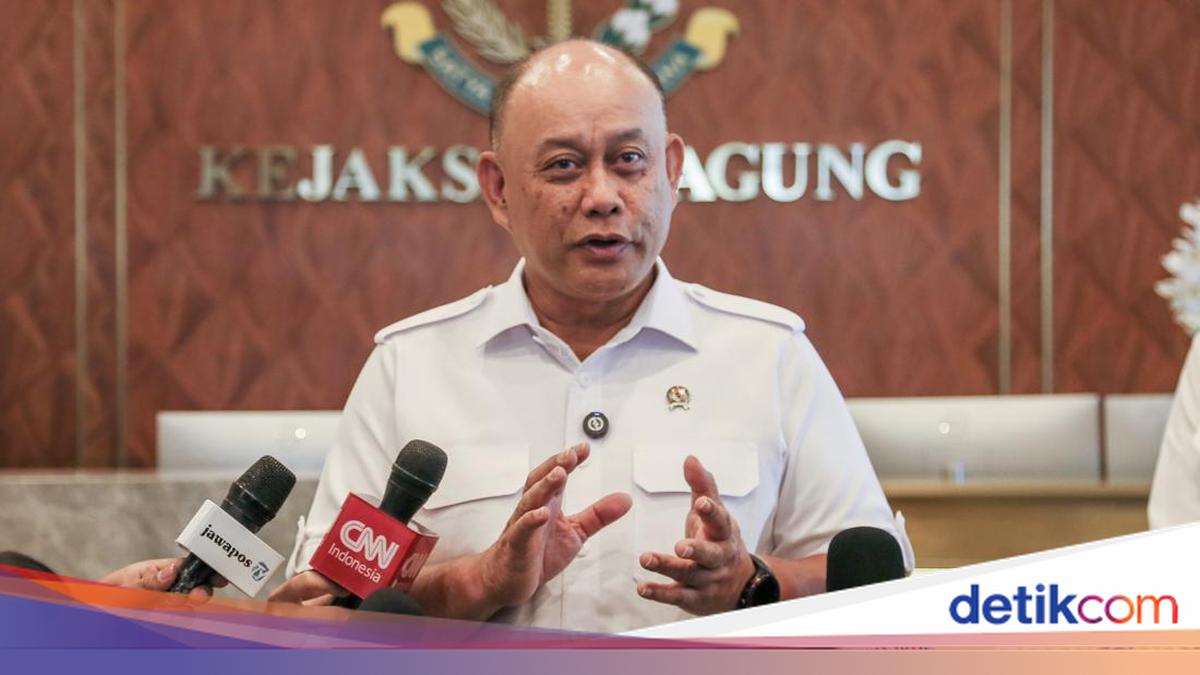
The Attorney General’s Office of the Republic of Indonesia has officially designated Dadan Hindayana, the former Head of the National Nutrition Agency (BGN), as a primary suspect in a massive corruption scandal involving the procurement of electric motorcycles. The investigation, spearheaded by the Junior Attorney General for Special Crimes (Jampidsus), centers on the alleged inflation of costs—commonly referred to as "markup"—within the procurement process for the government’s flagship Free Nutritious Meal (Makan Bergizi Gratis or MBG) program. This legal development marks a significant fall from grace for Hindayana, who previously defended the procurement as a cost-saving measure for the state.
In addition to Dadan Hindayana, the Kejaksaan Agung (Kejagung) has also identified and named two other high-ranking individuals as suspects in the case: the former Deputy Head of the National Nutrition Agency, Lodewyk Pusung, and an associate identified as Sony Sonjaya. The trio is accused of orchestrating a scheme that siphoned off substantial state funds under the guise of providing operational vehicles for the delivery of nutritional services to remote regions across the Indonesian archipelago.
The Core of the Allegations: Markup and Misrepresentation
The crux of the investigation involves the acquisition of over 21,000 electric motorcycle units intended to support the Nutrition Program Service Units (Satuan Pelayanan Program Gizi or SPPG). According to Syarief Sulaeman Nahdi, the Director of Investigation at Jampidsus, the total budget allocated for the procurement reached approximately Rp 1 trillion for exactly 21,801 units.
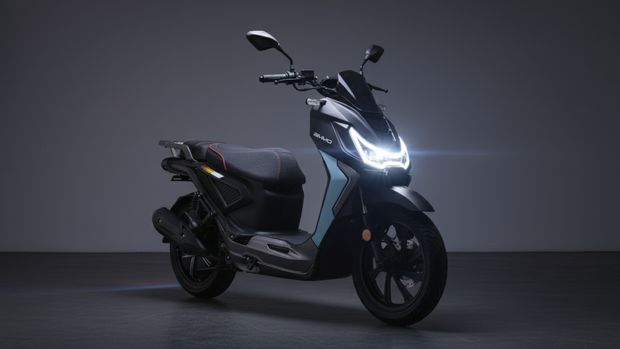
The investigation has uncovered a glaring discrepancy between the actual costs and the figures reported by the agency’s leadership. During his tenure, Dadan Hindayana publicly claimed that the agency was securing the vehicles at a price significantly lower than the prevailing market rate. He had stated that while the market price for the specific electric scooter model—the Emmo JVH Max—stood at roughly Rp 52 million per unit, the BGN had managed to purchase them for approximately Rp 42 million per unit.
"The reality on the ground and the evidence gathered by our investigators tell a different story," stated Syarief Sulaeman Nahdi during a press conference at the Attorney General’s Office in South Jakarta on Wednesday, June 3. "The procurement was marked by systematic price inflation. Rather than saving the state money, the suspects facilitated a markup that has resulted in massive state losses."
Chronology of the Procurement and Investigation
The timeline of the MBG electric motor procurement reveals a series of administrative phases that investigators are now scrutinizing for procedural violations. The project was initially integrated into the 2025 fiscal year budget, designed to support the logistical needs of the Free Nutritious Meal program, which was a cornerstone policy of the administration.
In October 2025, data from the Inaproc system (the government’s procurement information portal) indicated that the National Nutrition Agency had planned a procurement for two-wheeled vehicles with a budget of Rp 1.22 trillion for a volume of 24,400 units. These vehicles were earmarked for distribution to SPPI (Nutrition Service Units) across all provinces in Indonesia. Earlier in May 2025, a separate procurement phase for "Region II" was recorded at Rp 406.5 billion for 8,133 units. By July 2025, another entry appeared for Regions I, II, and III totaling Rp 1.2 trillion for 24,400 units.
The implementation of the contract was governed by the Ministry of Finance Regulation (PMK) No. 84 of 2025. This regulation dictated a two-stage payment mechanism: the first payment (Termin 1) was to be disbursed upon the completion of 60% of the units, and the final payment (Termin 2) upon 100% completion.
However, by the end of the grace period on March 20, 2026, the designated providers were only able to complete 85.01% of the total order. This amounted to 21,801 units out of the 25,644 units originally contracted. Despite the failure to meet the full quota, the funds disbursed remained a point of contention for auditors. The viral images of thousands of electric motorcycles sitting idle in a factory parking lot in Citeureup, Bogor, in April 2026, first sparked public suspicion, leading to a preliminary inquiry by state auditors and eventually the Attorney General’s Office.
Operational Justification and Public Statements
Before the criminal charges were brought forward, Dadan Hindayana was a vocal proponent of using electric vehicles for the MBG program. He argued that the motorcycles were essential for reaching "last-mile" destinations—villages and remote areas where traditional four-wheeled delivery vehicles could not navigate.
"This program reaches areas that are very difficult to access. We are talking about villages and regions that can only be reached by motorcycle. These vehicles were meant to support our operational efficiency and ensure that no child is left behind in our nutritional outreach," Hindayana previously explained.
He also emphasized the government’s commitment to "green energy" by opting for electric scooters over internal combustion engines, aligning the BGN’s operations with national carbon reduction targets. However, investigators now believe this narrative of efficiency and environmentalism was used as a smokescreen to justify the high budget allocations that were subsequently manipulated.
Supporting Data and Financial Discrepancies
The financial scale of the alleged corruption is highlighted by the sheer volume of the procurement. Based on the Inaproc data and the BGN’s own reports, the following figures provide a snapshot of the procurement’s scale:
- Original Contract Goal: 25,644 units.
- Actual Units Delivered: 21,801 units (85.01% fulfillment).
- Total Budget Utilized: Approximately Rp 1 trillion.
- Reported Price per Unit: Rp 42 million.
- Estimated Market Price: Rp 52 million (as claimed by Hindayana).
- Investigative Finding: The "markup" suggests the actual acquisition cost was significantly lower than Rp 42 million, with the difference being illegally pocketed or distributed among the suspects.
Legal experts point out that in large-scale government procurements, a markup of even 10-15% per unit can lead to hundreds of billions of rupiah in state losses when multiplied by 21,000 units. When administrative fees, "consulting" kickbacks, and phantom maintenance costs are added, the total loss to the state treasury often exceeds the initial inflated price.
Official Responses and Political Impact
The naming of Dadan Hindayana as a suspect has sent shockwaves through the current administration, as the Free Nutritious Meal program is one of the most high-profile social initiatives in the country. The program, intended to combat stunting and improve the health of school-aged children, has been a source of significant pride and political capital.
A spokesperson for the Ministry of Law and Human Rights stated that the government fully supports the Attorney General’s Office in its pursuit of justice. "There is no room for corruption in programs that are meant to serve the basic needs of our children. If the funds intended for nutrition are being diverted for personal gain, the law must be applied with the utmost severity," the spokesperson said.
Civil society organizations, including Indonesia Corruption Watch (ICW), have called for a broader audit of the National Nutrition Agency. They argue that the electric motor procurement might only be the "tip of the iceberg" regarding how the agency’s multi-trillion rupiah budget has been managed since its inception.
"The Free Nutritious Meal program is a massive budgetary undertaking. Such large-scale spending requires rigorous oversight. The fact that the Head of the Agency himself is involved in a markup scheme suggests a systemic failure in the internal supervisory mechanisms of the BGN," an ICW representative remarked.
Broader Implications and Analysis
The Dadan Hindayana case serves as a cautionary tale regarding the rapid scaling of new government agencies with massive budgets. The BGN was established to centralize and expedite nutritional interventions, but the lack of mature oversight structures appears to have created opportunities for malfeasance.
From a legal perspective, the suspects are likely to face charges under the Law on the Eradication of Corruption Crimes (UU Tipikor). Specifically, they could be charged with Article 2 and Article 3, which deal with actions that enrich oneself or others and cause losses to the state’s finances. If convicted, the suspects could face life imprisonment and heavy fines, in addition to being required to pay restitution for the state’s losses.
Furthermore, this scandal poses a logistical challenge for the MBG program. With 21,000 motorcycles now part of a criminal investigation, their deployment and maintenance may be tied up in legal red tape. This could potentially delay the delivery of meals to the very remote areas Hindayana claimed to be championing, ironically harming the children the program was designed to protect.
The Attorney General’s Office has indicated that the investigation is ongoing. They are currently looking into the "money trail" to determine if the inflated funds were laundered through third-party companies or used to fund political activities. More suspects from the private sector—specifically the suppliers of the electric motorcycles—may be named in the coming weeks as the probe deepens.
As the case moves toward trial, the public’s attention remains fixed on the accountability of public officials. The transition of Dadan Hindayana from a visionary leader of a national health initiative to a suspect in a trillion-rupiah corruption case underscores the persistent challenge of graft within Indonesia’s bureaucratic landscape. The resolution of this case will be a litmus test for the government’s resolve in protecting its most vital social programs from the scourge of corruption.