 Tata Titiana
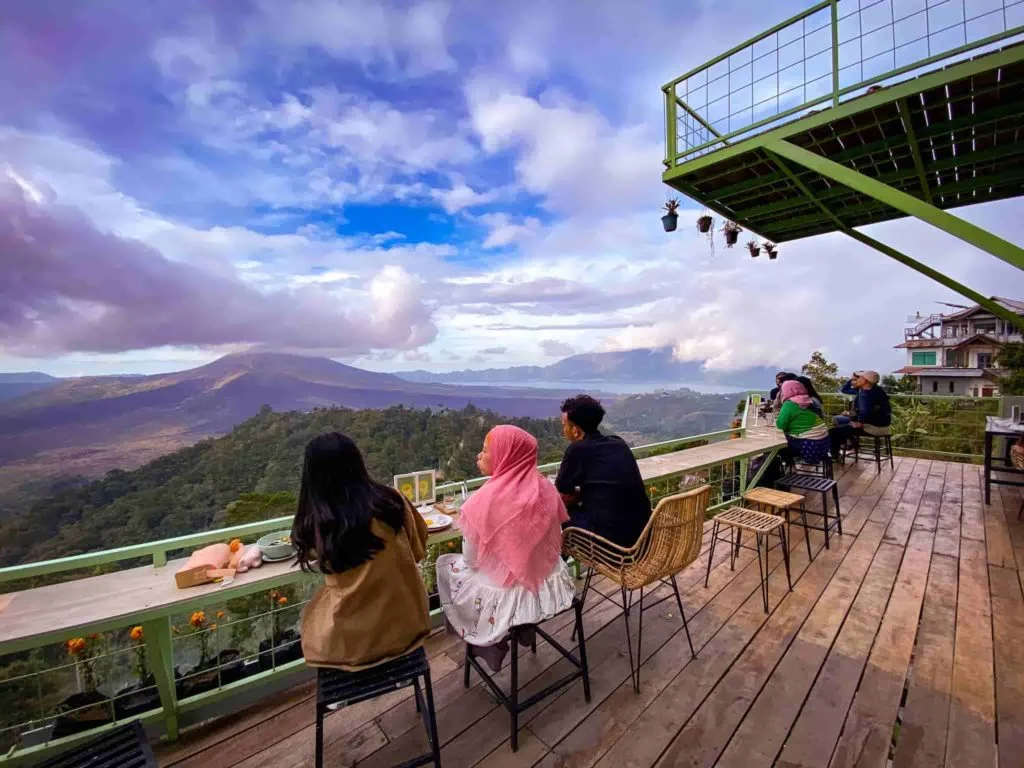
Bali has long held its position as Indonesia’s premier tourism crown jewel, renowned globally for its diverse landscapes that stretch from pristine coastal beaches to mist-shrouded volcanic peaks. While the island’s southern coast historically dominated international tourism itineraries, recent years have witnessed a significant shift in traveler preferences toward the central and northern highlands. Specifically, the Kintamani region in Bangli Regency has emerged as a vibrant epicentre for modern café culture, blending artisanal coffee production with dramatic geological panoramas. This phenomenon has transformed the rugged flanks of the Mount Batur caldera into sought-after destinations for both domestic and international visitors seeking respite from the tropical heat.
The evolution of Kintamani from a traditional agricultural community into a thriving hospitality hub did not happen overnight. For decades, the area was primarily recognized for its citrus orchards and the distinct citrusy-noted Arabica coffee beans grown in the volcanic soil. However, a wave of modern architectural development starting in the late 2010s capitalized on the region’s unique topography. Entrepreneurs realized that the dramatic drop-offs along the caldera rim offered unobstructed vistas of towering volcanoes and crater lakes, creating an ideal setting for experiential dining and social gatherings. Today, these establishments serve as more than mere eateries; they function as elevated observation decks where patrons can witness changing weather patterns, morning mists, and alpine sunsets while enjoying locally sourced refreshments.
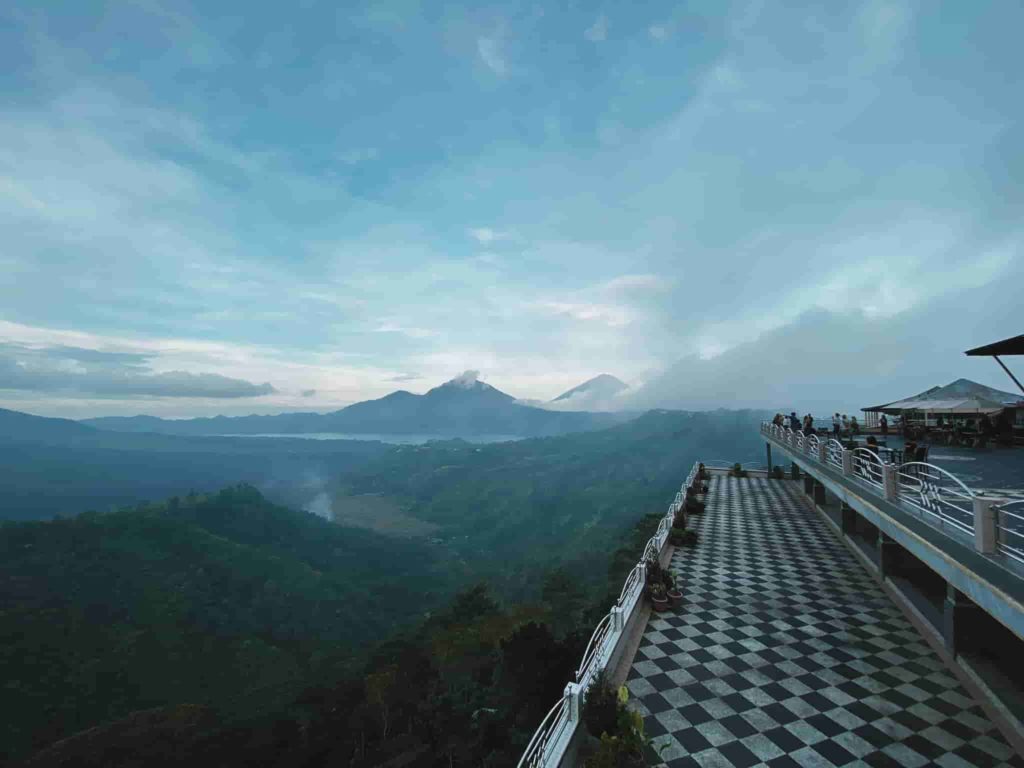
The Geological and Climatic Appeal of Kintamani
At an altitude where temperatures routinely hover between 17 and 18 degrees Celsius, the Kintamani highlands offer a stark climatic contrast to Bali’s humid coastal lowlands. This brisk alpine environment has been a primary catalyst for the café boom, drawing travelers who appreciate cool weather paired with warm beverages. The visual backdrop is equally compelling, featuring a panoramic sweep that encompasses Mount Batur, Mount Abang, and the majestic Mount Agung—Bali’s highest peak—alongside the crescent-shaped Lake Batur that fills the ancient caldera floor.
Local tourism economists and regional planners note that this shift toward highland tourism has provided a much-needed economic diversification for Bangli Regency. Historically one of Bali’s less commercially exploited regions, Kintamani has seen increased employment opportunities, higher land valuations, and greater visibility in global travel markets. Furthermore, the integration of local agricultural products—such as Kintamani’s protected geographical indication (IG) coffee beans—into the menus of these modern venues has created a direct supply chain connecting local farmers with the thriving hospitality sector.
Leading Destinations Along the Caldera Rim
The architectural landscape of Kintamani’s cafes reflects a deliberate effort to harmonize modern design aesthetics with raw natural elements. Expansive glass walls, open-air rooftops, and multi-tiered observation decks have become standard architectural tropes, designed to maximize guest exposure to the surrounding wilderness.
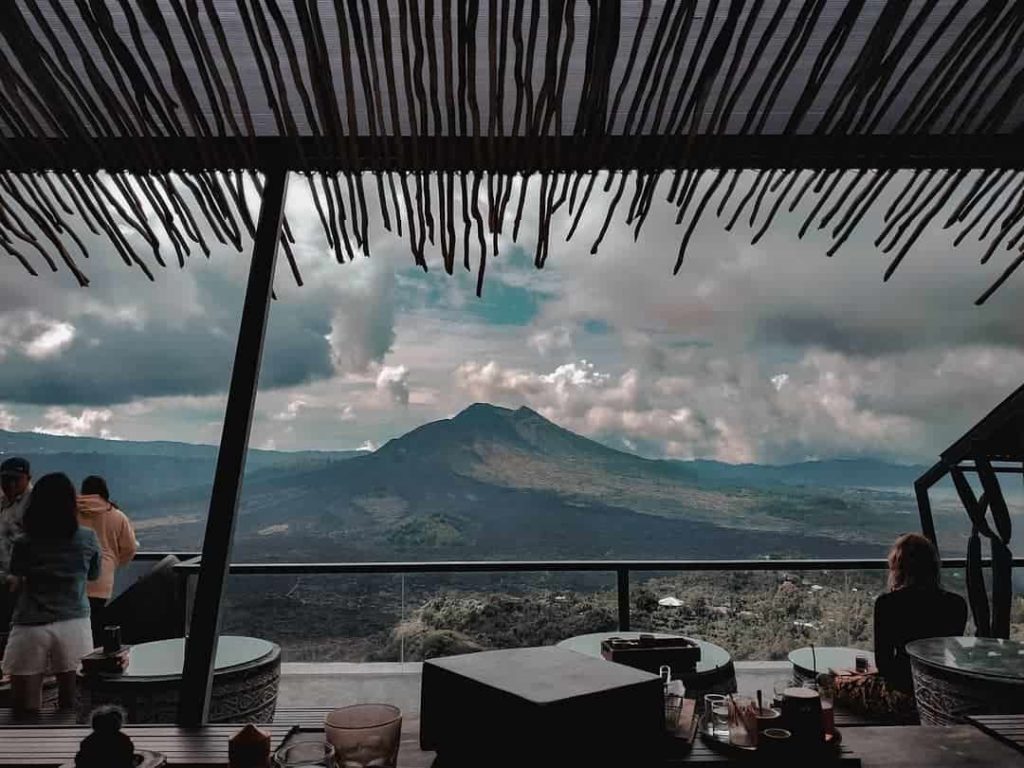
Tegu Kopi: Pioneering the Modern Highland Aesthetic
Operating since December 2019 along Jalan Raya Penelokan, Tegu Kopi stands as one of the early catalysts for the modern café movement in the area. Situated strategically on the ridge, the venue offers sweeping vistas that capture the trifecta of regional peaks—Mount Batur, Mount Abang, and Mount Agung—as well as the expanse of Lake Batur. The venue’s popularity surged as visitors shared its crisp mountain climate and golden-hour sunset views over the western ridges. Industry analysts attribute Tegu Kopi’s enduring appeal to its unpretentious layout, which prioritizes landscape visibility over elaborate interior decoration.
Eco Bike Coffee: Integrating Agritourism and Architecture
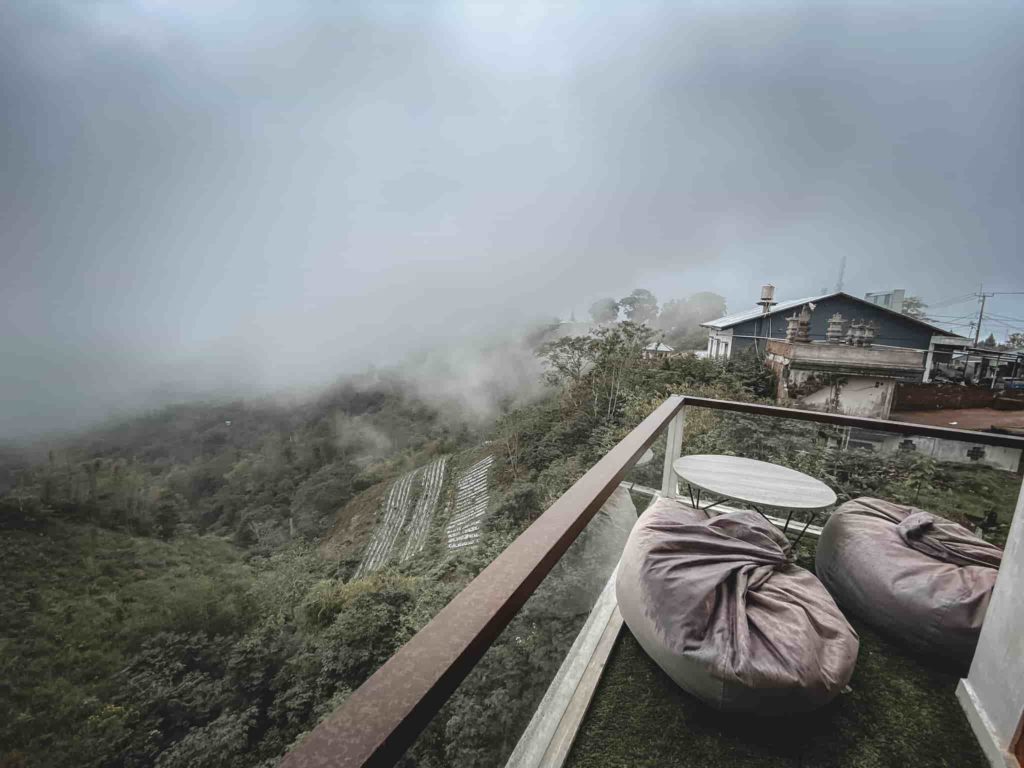
Expanding upon the concept of multi-functional spaces, Eco Bike Coffee represents a larger-scale investment in the Kintamani escarpment. Spanning three distinct tiers, the establishment combines working agricultural elements with commercial hospitality. The lower level integrates functional coffee plantations and guest accommodations, while the uppermost floor operates as an expansive open-air rooftop. Industry observers frequently highlight Eco Bike Coffee as a prime example of agritourism integration, allowing consumers to observe the lifecycle of the coffee beans they consume just meters away from where they are grown. However, operators and local guides consistently advise visitors to monitor weather forecasts prior to arrival, as the high altitude frequently subjects the upper tiers to dense fog banks that temporarily obscure the landscape entirely.
Akasa Coffee: Premium Positioning and Aesthetic Design
Positioned further along the crater rim, Akasa Coffee caters to travelers seeking a more refined hospitality experience. With average expenditures per visitor reaching approximately IDR 150,000, the establishment offers a comprehensive menu ranging from artisanal breakfast selections to specialty teas, coffees, and imported beverages. The venue’s interior design relies heavily on dark wood finishes and minimalist industrial touches that complement the rugged exterior environment. Due to its elevated position, temperatures here can feel notably brisk, prompting frequent advisories from management for guests to bring appropriate outerwear.
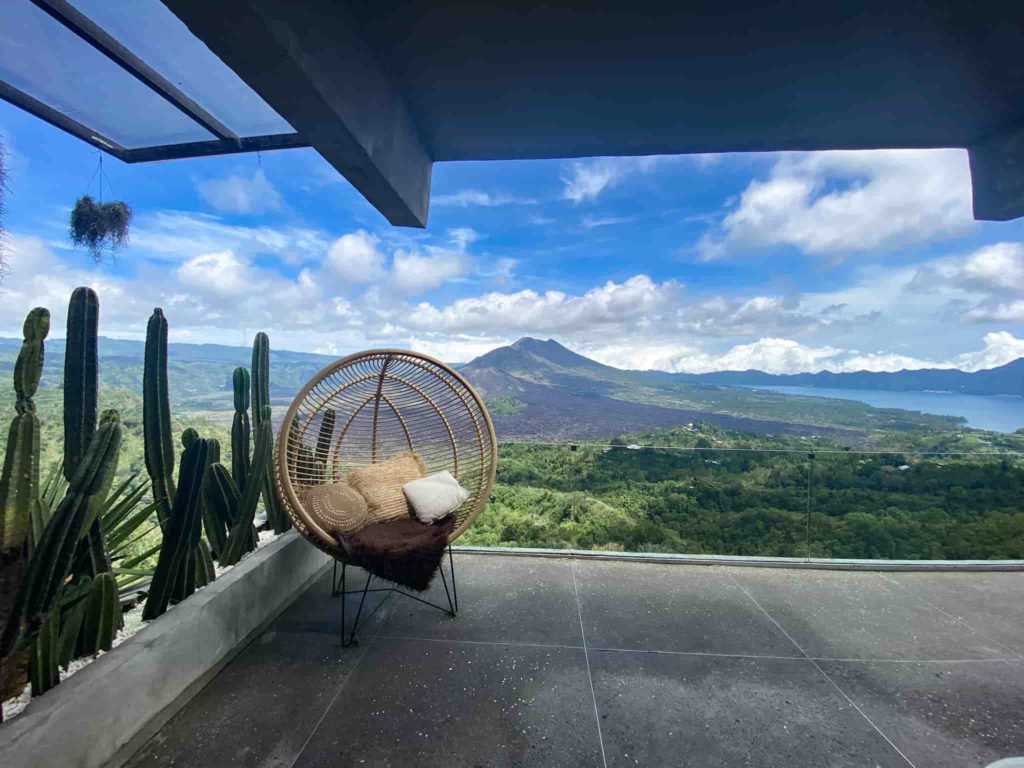
Batur 1926: Capitalizing on the Morning Horizon
Named to reference significant local historical milestones, Batur 1926 has carved a distinct niche by targeting early-morning visitors. Opening its doors well before dawn—frequently welcoming guests as early as 5:30 AM—the café provides a front-row seat to the sunrise breaking over the eastern horizon behind Mount Agung. The architectural layout incorporates traditional Balinese elements, notably a stylized temple gateway on the rooftop terrace that has become a favored focal point for landscape photography. Tourism boards have noted that venues like Batur 1926 have successfully extended the average visitor’s stay duration in Kintamani, encouraging overnight stays rather than quick day trips from southern resort areas.
Kava Coffee: Seamless Indoor-Outdoor Integration
Rounding out the prominent stops along the caldera is Kava Coffee, located in close proximity to the shores of Lake Batur. Kava distinguishes itself through an architectural approach that utilizes floor-to-ceiling glass paneling and semi-outdoor communal seating arrangements. This design ensures that even during periods of inclement weather or sudden drops in temperature, patrons remain visually connected to the surrounding topography. The interior color palette mirrors the earthy tones of the volcanic slopes, creating a continuous visual transition from the interior dining space to the natural caldera beyond.
Economic and Environmental Implications
The rapid proliferation of highland cafes in Kintamani has generated considerable discourse among regional planners, environmentalists, and local authorities. On one hand, the influx of private capital has modernized local infrastructure, improved road access along the Penelokan ridge, and created sustainable revenue streams for local growers. The appreciation for single-origin Kintamani coffee has risen markedly on the international stage, commanding premium prices that directly benefit regional cooperatives.
Conversely, environmental analysts have raised important questions regarding sustainable development within a sensitive volcanic caldera ecosystem. Issues concerning waste management, water usage, and land-use regulations have prompted local government bodies in Bangli to introduce stricter oversight on new construction permits. Ensuring that architectural developments do not compromise the natural drainage systems or mar the visual integrity of the landscape remains a critical priority for regional regulators.
Furthermore, transportation logistics continue to present challenges. The primary thoroughfares connecting Denpasar and Ubud to Kintamani experience heavy vehicular traffic during weekends and holiday seasons, occasionally resulting in congestion along the narrow ridge roads. Regional transportation agencies have begun drafting feasibility studies for improved public transit links and traffic management systems to accommodate the steady growth in visitor numbers.
Future Outlook for Bali’s Highland Hospitality
As Bali continues to diversify its tourism portfolio beyond traditional coastal attractions, the Kintamani café sector serves as a bellwether for experiential, nature-based travel in Indonesia. The successful fusion of local agricultural heritage with contemporary design principles has created a resilient economic model that appeals to a sophisticated demographic of travelers. Moving forward, industry stakeholders emphasize that the long-term viability of these destinations will depend on maintaining a delicate balance between commercial expansion and environmental preservation. By prioritizing sustainable practices, supporting local agricultural supply chains, and respecting the cultural sanctity of the volcanic landscape, Kintamani is poised to maintain its status as one of Southeast Asia’s most distinctive highland retreats.