
 Tata Titiana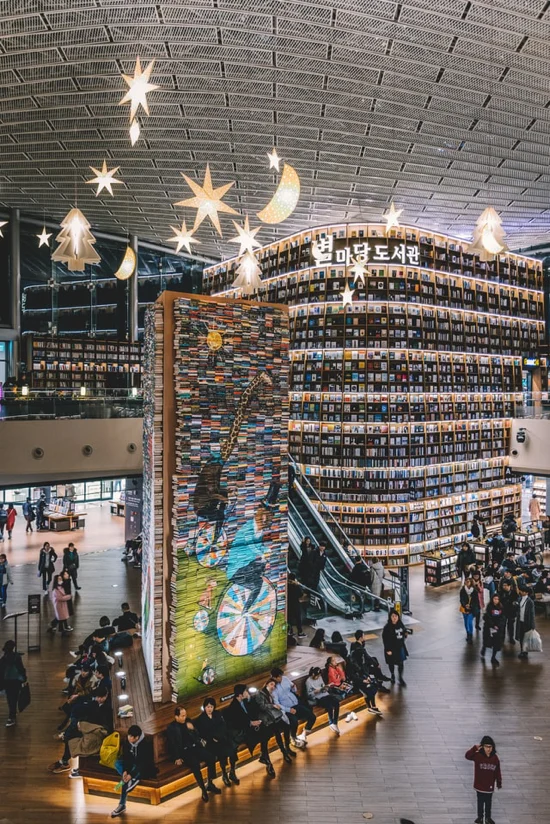
South Korea has firmly established itself as one of the premier global tourism hotspots, drawing millions of international visitors annually, with a particularly substantial influx from Southeast Asian nations such as Indonesia. This remarkable surge in tourism is largely attributed to the unprecedented global phenomenon of the "Hallyu" or the Korean Wave—the widespread popularity of South Korean television dramas, music, and cinema. As fans worldwide immerse themselves in critically acclaimed series broadcast on major streaming platforms, the country’s picturesque streetscapes, ultra-modern architecture, and vibrant cultural hubs have transitioned from television screens onto top-tier travel itineraries. Beyond their visual appeal, these locations offer tourists an authentic portal into the daily lives and cinematic moments depicted in their favorite shows. For travelers planning a comprehensive journey through the Land of the Morning Calm, exploring a carefully curated selection of urban destinations provides an unparalleled blend of modernity, artistic expression, and architectural brilliance.
The Metropolitian Allure of Geonbae Street
For travelers seeking to immerse themselves in the high-energy, fast-paced rhythm of South Korean metropolitan life, Geonbae offers an electrifying urban experience. Situated in one of the country’s bustling commercial districts, this prominent thoroughfare is characterized by dense clusters of trendy bars, gastropubs, and nightlife venues lining both sides of the street. The architectural and visual aesthetic is notably striking, featuring neon-drenched storefronts, contemporary signage, and a lively ambiance that vividly mirrors the quintessential late-night city scenes frequently featured in contemporary romance and thriller K-dramas.
Geonbae maintains a steady stream of foot traffic throughout the week, drawing a diverse demographic that ranges from local urbanites unwinding after corporate work hours to international tourists eager to experience Seoul’s legendary nightlife. According to local tourism statistics, nighttime economy sectors in major South Korean districts have seen a steady recovery following the pandemic, with themed districts like Geonbae acting as primary anchors for evening tourism. Visitors traversing this vibrant corridor are not only treated to a visual feast of modern urban design but also gain access to a myriad of culinary establishments offering traditional Korean drinking snacks—known locally as anju—paired with popular beverages like soju and craft beer. This dynamic environment captures the quintessential pulse of South Korea’s contemporary social culture, making it an essential stop for anyone wanting to witness the nation’s energetic after-hours lifestyle firsthand.

Daehakro: The Cultural and Artistic Heartbeat
Transitioning from the neon-lit nightlife to the historic and cultural epicentre of the performing arts, Daehakro stands as a monumental landmark in Seoul’s urban landscape. Spanning approximately 1.6 kilometers, this renowned avenue derives its name from its historical proximity to the former campus of Seoul National University. Often celebrated as South Korea’s equivalent to New York City’s Broadway or London’s West End, Daehakro is densely populated with dozens of operational theaters, experimental performance spaces, and open-air concert venues.
The history of Daehakro as an artistic sanctuary dates back to the late 1970s and 1980s, following the relocation of the university. The government and local cultural organizations deliberately transformed the area into a designated "Zone of Culture and Leisure," fostering an environment where independent theater troupes, musicians, and visual artists could thrive. Today, the street functions as the beating heart of South Korea’s vibrant theater industry, hosting hundreds of theatrical productions annually—ranging from avant-garde plays and musicals to traditional performances. Walking down Daehakro, visitors are surrounded by architectural facades that reflect decades of artistic evolution, interspersed with modern art installations, street performers, and cozy cafes frequented by local artists and intellectuals. For cultural tourists, Daehakro offers a profound look past the commercialized pop culture and into the deep-rooted, passionate artistic community that drives South Korea’s creative sectors.
Architectural Grandeur at Starfield Library
In stark contrast to the outdoor streetscapes of Geonbae and Daehakro, the Starfield Library offers a breathtaking indoor sanctuary that redefines modern public spaces. Located in the heart of the COEX Mall in Gangnam, Seoul, this monumental cultural hub has rapidly become one of the most photographed and Instagrammed architectural landmarks in East Asia since its opening. Spanning a vast open-plan multi-story area, the library is globally renowned for its towering, floor-to-ceiling bookshelves that reach an astonishing height of 13 meters.

Housing tens of thousands of books, international magazines, and comprehensive digital archives, Starfield Library functions as an open public intellectual commons rather than a traditional, restricted academic archive. Its open-concept design, anchored by vast glass skylights that flood the interior with natural sunlight, creates a serene atmosphere amidst the surrounding high-end commercial sprawl. Cultural analysts and urban planners frequently cite the library as a masterclass in modern placemaking—successfully integrating a public literary resource into a massive commercial complex to foster community engagement and intellectual curiosity. Visitors to Starfield Library can browse extensive collections of literature, view rare literary exhibits, or simply marvel at the architectural symmetry that has made it a frequent backdrop for high-profile brand events, public lectures, and modern television productions.
Broader Economic Impact and Tourism Trends
The inclusion of these diverse locations in standard travel itineraries highlights a broader structural shift in South Korean tourism strategies. Over the past decade, the Ministry of Culture, Sports and Tourism, alongside the Korea Tourism Organization (KTO), has heavily invested in "Hallyu Tourism"—a specialized marketing approach that leverages popular culture exports to drive inbound international travel. Economic data released by government agencies indicate that Hallyu tourists tend to stay longer and spend significantly more per capita than conventional sightseers, with substantial economic benefits trickling down to local hospitality, retail, and food and beverage sectors.
Furthermore, urban renewal projects have increasingly focused on preserving historical artistic enclaves like Daehakro while simultaneously developing futuristic architectural marvels like the Starfield Library and dynamic commercial zones like Geonbae. This dual approach ensures that South Korea can cater simultaneously to heritage travelers, pop-culture enthusiasts, and architecture aficionados. Industry experts project that as international flight capacities continue to normalize fully post-pandemic, inbound tourism driven by media-induced travel will remain a primary pillar of the nation’s service economy.
As travelers continue to seek destinations that offer both aesthetic beauty and narrative depth, South Korea’s seamless blending of hyper-modern urban infrastructure and rich cultural traditions ensures its position as an enduring global travel favorite. Whether navigating the vibrant bar-lined avenues of Geonbae, experiencing the theatrical soul of Daehakro, or finding quiet contemplation beneath the towering bookshelves of Starfield Library, visitors are provided with a multifaceted journey that transcends ordinary tourism and steps directly into the modern cinematic canvas of the Korean Wave.








