 Tata Titiana
Nestled in the cool, mountainous embrace of West Java, Hotel Salak The Heritage stands as more than just a four-star accommodation; it is a living architectural archive of Indonesia’s complex colonial history. Located strategically at Jalan Ir. H. Juanda Nomor 8, Bogor, this landmark property offers guests a unique blend of modern hospitality and centuries-old heritage. Surrounded by the refreshing natural vistas of the Bogor mountains, the hotel places visitors within walking distance of some of the city’s most prominent historical and natural landmarks, including the sprawling Kebun Raya Bogor (Bogor Botanical Gardens), the stately Istana Bogor (Bogor Presidential Palace), the Museum Zoologi, and the Halimun Salak National Park. However, beyond its modern allure as a premier staycation destination, the hotel’s walls whisper tales of the Dutch East Indies, Japanese occupation, and the birth of the Indonesian republic.
The Chronology of a Colonial Landmark: From VOC Quarters to Modern Heritage
The history of Hotel Salak The Heritage dates back to 1856, during the height of the Dutch colonial era in the archipelago. Originally established under the name Bellevue-Dibbets Hotel, the property was owned by the family of Governor-General Charles Ferdinand Pahud, who governed the Dutch East Indies from 1856 to 1861. In its nascent years, the establishment was not designed for the general public, but rather as an exclusive lodging facility for high-ranking VOC (Vereenigde Oostindische Compagnie) officials and Dutch administrators visiting the Buitenzorg (now Bogor) palace complex and surrounding government offices.
The architecture of the hotel still heavily reflects this colonial genesis. High ceilings, grand pillars, sprawling verandas, and classic European-style symmetrical layouts define the physical structure, offering a stark contrast to modern minimalist architecture. For decades under Dutch rule, the hotel served as a social hub for European elites, functioning as a venue for diplomatic discussions, leisure retreats, and formal banquets.
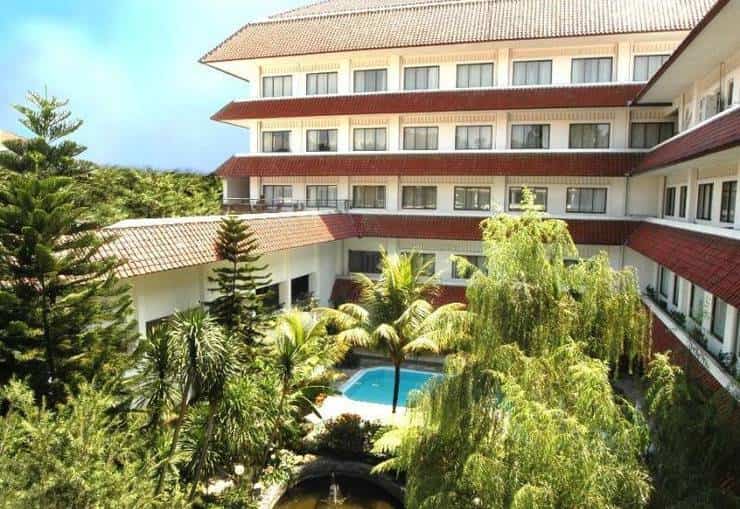
The trajectory of the property shifted dramatically during World War II. Following the invasion of the Dutch East Indies by Imperial Japan, the colonial-era hotel was requisitioned by the Japanese military forces. Between 1942 and 1945, the elegant European social hub was transformed into a strategic military headquarters for the occupying forces. The transformation mirrored the broader geopolitical upheaval sweeping across Southeast Asia during the wartime period.
Following Indonesia’s declaration of independence in August 1945 and the subsequent recognition of sovereignty, the property underwent a profound transition. Nationalized and later changing hands through various local ownerships, the hotel was renamed Hotel Salak, shedding its colonial moniker while retaining its architectural soul. Over the latter half of the 20th century, the property underwent several phases of modernization to meet evolving hospitality standards, eventually expanding to encompass 140 well-appointed rooms and 16 versatile meeting spaces. Despite these modern updates, successive management teams made concerted efforts to preserve the historical façade and interior elements that link the modern hotel to its 19th-century roots.
Comprehensive Amenities and Contemporary Hospitality Standards
While its historical pedigree is its primary distinguishing feature, Hotel Salak The Heritage operates fully as a contemporary four-star establishment catering to both leisure tourists and corporate travelers. The property bridges the gap between historical preservation and modern convenience by integrating a comprehensive suite of guest amenities.
Accommodation options range from standard deluxe rooms to expansive suites, each equipped with modern amenities such as flat-screen televisions, plush bedding, coffee-and-tea-making facilities, and high-speed Wi-Fi connectivity spanning every corner of the property. For business travelers, the hotel’s 16 meeting rooms and grand ballrooms offer substantial capacity for corporate gatherings, seminars, and wedding receptions, supported by professional event-planning staff.
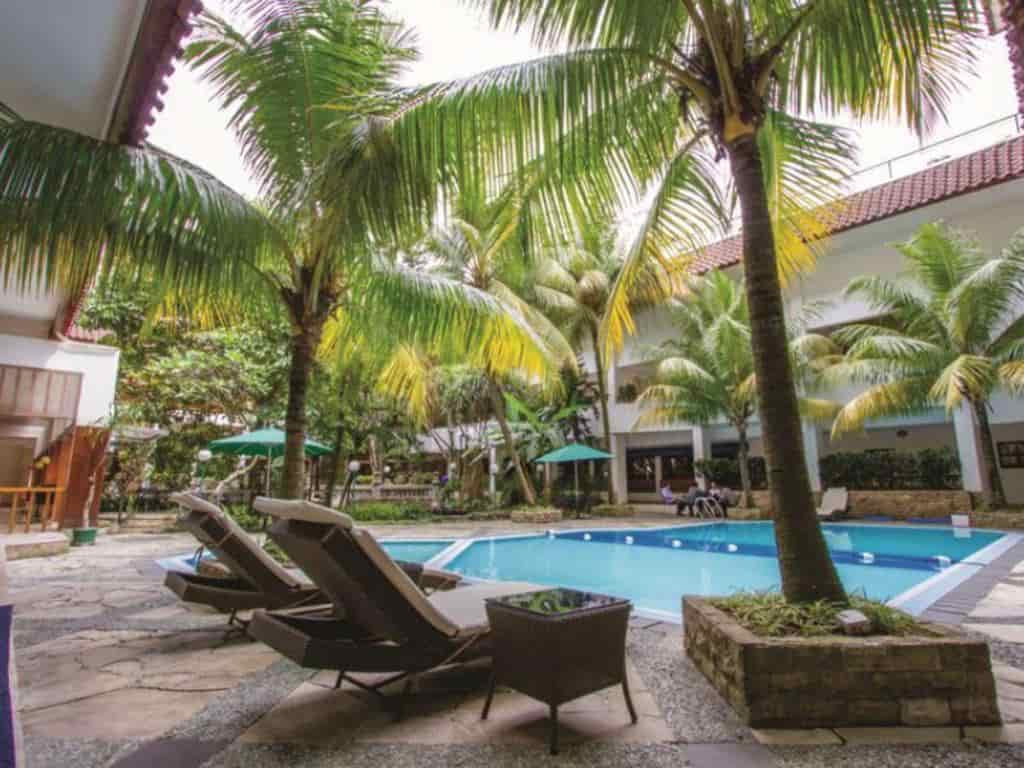
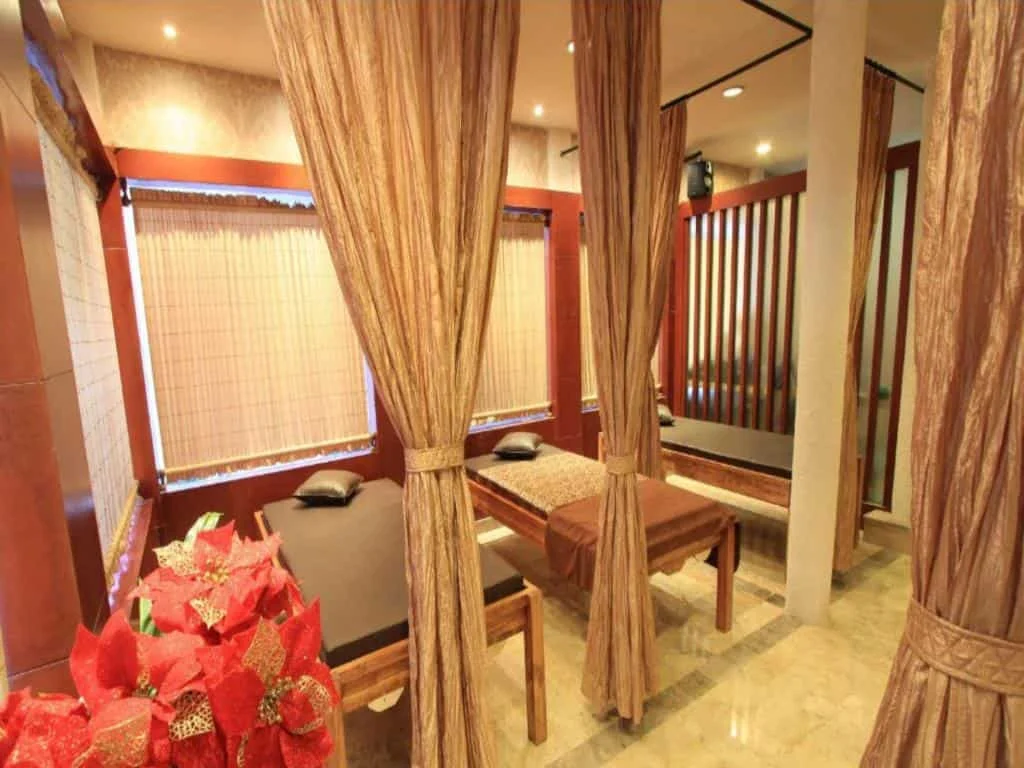
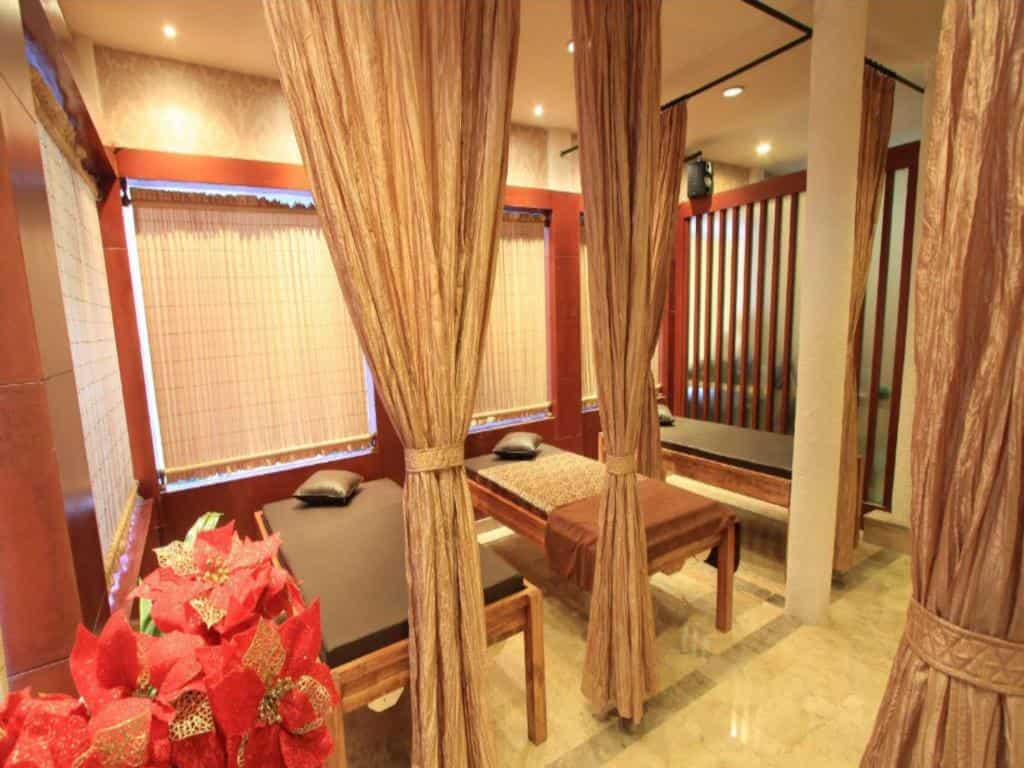
Recreational facilities within the hotel are designed to provide a well-rounded staycation experience. Guests can utilize the outdoor swimming pool, unwind at the full-service spa, maintain their fitness routines at the fully equipped gymnasium, or enjoy leisure activities such as billiards and karaoke. Culinary needs are similarly well-catered, with multiple dining outlets on-site, including a main restaurant serving a mix of Indonesian, Asian, and European cuisines, alongside a cozy coffee shop and bar.
Additional services designed to enhance guest convenience include 24-hour front desk assistance, laundry services, and an airport shuttle service available for an incremental fee. With room rates starting competitively—often beginning around IDR 500,000 per night depending on the season and booking platform—the hotel remains an accessible luxury option for travelers exploring the historic city of Bogor.
Global Recognition and Diplomatic Milestones
Throughout its long operational history, Hotel Salak The Heritage has hosted numerous dignitaries, politicians, and international figures. However, one of the most notable milestones in its modern public relations history occurred in 2006.
During a state visit to Indonesia by United States President George W. Bush, the hotel was entrusted with a critical logistical and security role. The White House Communications Agency subsequently awarded Hotel Salak a Certificate of Appreciation in recognition of its exceptional service standards, security compliance, and hospitality execution during the high-profile diplomatic visit. This accolade underscored the property’s capability to manage international-level events and adhere to stringent global hospitality protocols, reinforcing its reputation beyond local tourism circles.
Implications for Bogor’s Heritage Tourism Sector
The sustained operation and cultural relevance of Hotel Salak The Heritage offer significant implications for the broader tourism economy of Bogor. As modern urban development threatens historical structures across Indonesia, properties that successfully adapt heritage assets into viable commercial enterprises serve as models for urban conservation.
By maintaining its 19th-century architectural integrity while offering modern four-star amenities, the hotel contributes directly to Bogor’s identity as a heritage-rich destination. It complements neighboring historical sites such as the Bogor Presidential Palace and the Kebun Raya Bogor, creating a cohesive cultural tourism corridor within the city center. For travelers, staying at Hotel Salak provides an immersive historical experience that standard contemporary hotels cannot replicate, anchoring the past firmly within the present hospitality landscape of West Java.