
 Tata Titiana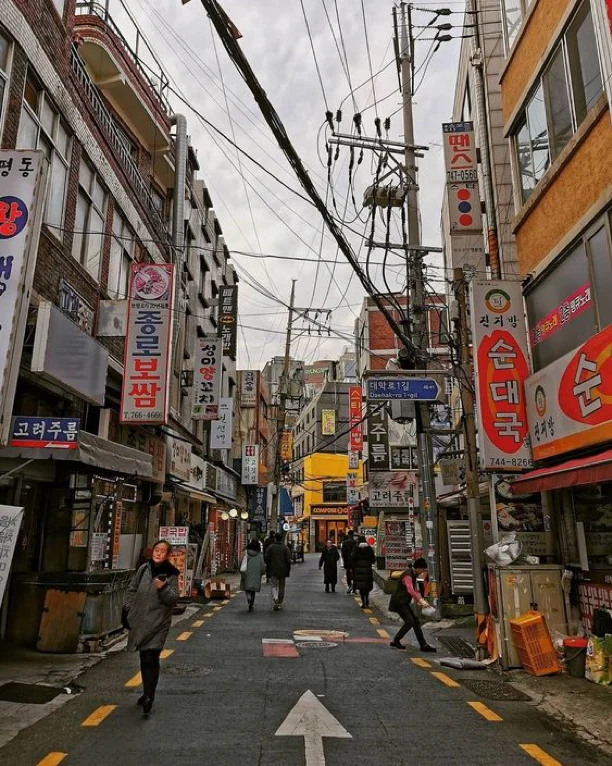
South Korea has experienced an unprecedented surge in international tourism over the past decade, largely propelled by the global phenomenon of the "Korean Wave," or Hallyu. Among international travelers, tourists from Southeast Asia, particularly Indonesia, have demonstrated a profound interest in visiting the East Asian nation. This tourism boom is heavily influenced by the widespread popularity of South Korean television dramas (K-dramas), music (K-pop), and cinema, which frequently showcase mesmerizing urban landscapes, picturesque rural settings, and culturally rich historical sites. As travel restrictions have fully dissolved in the post-pandemic era, the Korea Tourism Organization (KTO) reported a steady upward trajectory in inbound tourism, with millions of visitors eager to experience the real-life backdrops of their favorite onscreen moments. For travelers planning an itinerary, understanding the unique cultural, historical, and architectural significance of South Korea’s premier locations is essential for an enriching journey. This comprehensive guide delves into three distinct, highly recommended destinations—Geonbae, Daehakro, and the Starfield Library—while providing broader context on South Korea’s tourism landscape, economic implications, and travel recommendations.
The Cultural Phenomenon of K-Drama Tourism: Background and Context
The intersection of popular culture and tourism, often studied as "set-jetting" or film-induced tourism, has become a cornerstone of South Korea’s national economic strategy. Beginning in the late 1990s with the initial wave of drama exports across East Asia—a phenomenon dubbed Hallyuwood—the South Korean government recognized the immense soft-power potential of media exports. Cultural ministries, in collaboration with local municipalities, began investing heavily in urban revitalization and infrastructure development designed to accommodate film crews and, subsequently, tourists.
According to data compiled by the Ministry of Culture, Sports and Tourism, inbound tourists who cite Hallyu as their primary motivation for visiting spend an average of 30% more per capita than conventional business or leisure travelers. These visitors actively seek out specific neighborhoods, cafes, bookstores, and streetscapes featured in hit series. Consequently, urban planners have prioritized the preservation and aesthetic enhancement of iconic filming locations, transforming everyday spaces into bustling tourism hubs. This deliberate integration of media production and urban design has fundamentally reshaped the tourism geography of Seoul and its surrounding provinces, shifting focus away from traditional heritage sites toward contemporary cultural hotspots.
Immersing in Metropolis Energy: The Unique Appeal of Geonbae
For travelers seeking a vibrant, high-energy urban experience that mirrors the late-night scenes of modern K-dramas, Geonbae offers an quintessential metropolitan atmosphere. Situated within one of Seoul’s bustling commercial districts, Geonbae is characterized by its dynamic streetscape lined with an eclectic array of bars, gastropubs, and nightlife venues. The term "geonbae," which translates to "cheers" in Korean, sets the tone for a district dedicated to socializing, dining, and experiencing the city’s famed after-hours culture.
Unlike traditional historical markets, Geonbae represents contemporary South Korean youth culture. The architecture features striking neon signage, modern industrial facades, and multi-level establishments that cater to both locals unwinding after a corporate workweek and international tourists exploring Seoul’s nocturnal vibrancy. Urban development analysts note that districts like Geonbae play a vital economic role in Seoul’s thriving nighttime economy, contributing significantly to the hospitality and service sectors. Visitors to Geonbae can experience the authentic rhythms of contemporary Korean social life, observing firsthand the bustling interactions that characterize modern urban existence in the capital. Furthermore, the area’s safety and efficient public transit connectivity make it an accessible destination for late-night exploration, aligning with international standards for urban tourism management.
Theatrical Heritage and Artistic Expression: Daehakro’s Legacy

Shifting from contemporary nightlife to the epicenter of performing arts, Daehakro stands as South Korea’s premier cultural and theatrical corridor. Spanning approximately 1.6 kilometers in the Jongno-gu district of Seoul, Daehakro’s name literally translates to "College Street," a nod to its historical association with Seoul National University before the institution relocated its main campus in the 1970s.
Daehakro is frequently compared to Broadway in New York City or London’s West End, serving as the creative heartbeat of the nation’s independent and commercial theater scene. The street and its adjacent alleyways house over a hundred small-to-medium-sized theaters, concert halls, art galleries, and cultural centers. Here, visitors can witness a diverse array of productions, ranging from avant-garde plays and musicals to traditional Korean performances and indie music showcases.
The historical significance of Daehakro is deeply intertwined with South Korea’s democratization movement in the 1980s, during which university campuses and surrounding artistic hubs served as focal points for political discourse and cultural expression. Today, the municipal government of Seoul actively supports the district through arts grants and international promotional campaigns, ensuring that Daehakro remains a sustainable ecosystem for artists and performers. For international travelers, visiting Daehakro offers a profound cultural immersion that transcends standard sightseeing, providing insight into the intellectual and creative currents shaping contemporary Korean society.
Architectural Grandeur and Literary Haven: The Starfield Library
In stark contrast to the lively streets of Geonbae and the theatrical stages of Daehakro, the Starfield Library offers a serene yet visually breathtaking intellectual sanctuary. Located in the heart of the COEX Mall in Gangnam, Seoul, the Starfield Library has quickly become one of the most photographed and architecturally celebrated indoor public spaces in East Asia.
Spanning over 2,800 square meters, the library is an open-plan, light-filled architectural marvel designed to promote public reading, community gathering, and cultural exchange. Its most defining feature is a series of towering, 13-meter-high bookshelves that house over 50,000 volumes, encompassing contemporary literature, academic journals, international magazines, and extensive collections of Korean memoirs and reference materials. The soaring glass ceiling floods the atrium with natural sunlight by day and transforms the space into a luminous architectural centerpiece by night.
The establishment of the Starfield Library in 2017 marked a strategic shift in commercial real estate utilization, proving that retail complexes can successfully integrate civic and cultural amenities into consumer spaces. Real estate and urban development experts have praised the project for enhancing public access to knowledge while simultaneously serving as a major anchor for retail foot traffic. For travelers, the library provides a peaceful respite from the high-energy urban environment of Gangnam. It serves as an ideal location for quiet contemplation, intellectual engagement, and capturing stunning architectural photography that frequently graces international travel publications.
Economic Implications and the Future of South Korean Tourism
The sustained popularity of destinations like Geonbae, Daehakro, and the Starfield Library underscores the broader economic resilience and adaptability of South Korea’s tourism industry. According to economic impact assessments published by the Korea Culture and Tourism Institute, international tourism contributes billions of dollars annually to the national GDP, supporting hundreds of thousands of jobs in retail, hospitality, transportation, and entertainment.

However, rapid tourism growth also presents challenges, including urban congestion, environmental sustainability concerns, and the need for infrastructural adaptation. In response, municipal authorities in Seoul and regional tourism boards have increasingly emphasized sustainable tourism initiatives. These include promoting lesser-known neighborhoods to disperse visitor traffic, enhancing digital multilingual navigation systems, and encouraging eco-friendly travel practices among international guests.
Official Responses and Strategic Tourism Initiatives
Recognizing the crucial role that international visitors play in post-pandemic economic recovery, the South Korean government has implemented several targeted policy measures. The Ministry of Culture, Sports and Tourism, in tandem with the Korea Tourism Organization, launched the "Visit Korea Years 2023–2024" campaign, designed to streamline entry processes, enhance tourist safety, and diversify travel offerings beyond traditional itineraries.
In official statements released by tourism boards, government representatives have emphasized the importance of delivering authentic, high-quality cultural experiences rather than merely volume-driven tourism. By curating diverse itineraries that combine modern urban marvels—such as the Starfield Library and Geonbae—with deep historical and artistic roots found in corridors like Daehakro, South Korea aims to cement its status as a premier global travel destination. Furthermore, infrastructure investments in smart tourism technologies, such as AI-powered translation services and integrated transit applications, are continuously being rolled out to ensure seamless navigation for foreign visitors.
Conclusion: Tailoring Your South Korean Itinerary
South Korea offers a multifaceted travel experience that seamlessly bridges the gap between ultramodern metropolitan dynamism and rich, deeply rooted cultural traditions. Whether one is drawn to the vibrant nightlife of Geonbae, the artistic legacy and theatrical performances of Daehakro, or the architectural splendor and literary tranquility of the Starfield Library, the nation provides destinations tailored to a diverse spectrum of traveler preferences.
As international travel continues to evolve, understanding the historical context, cultural significance, and practical offerings of these key locations empowers visitors to craft meaningful, well-rounded itineraries. Beyond the captivating visuals popularized by K-dramas, South Korea reveals a society deeply committed to cultural preservation, architectural innovation, and warm hospitality, ensuring an unforgettable journey for every traveler who walks its streets.








