Azin Asro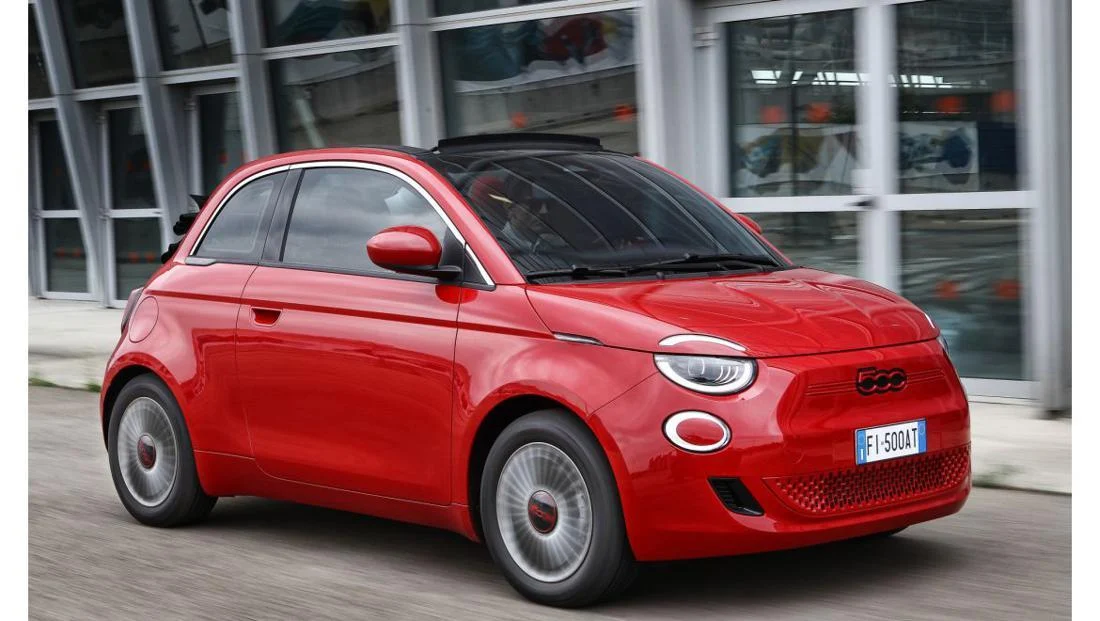
The Australian automotive landscape is undergoing a seismic shift as traditional European manufacturers grapple with an unprecedented influx of high-tech, aggressively priced vehicles from China. At the epicenter of this disruption is the iconic Italian marque Fiat, which has seen its presence in the Australian market dwindle to near-obsolescence. Recent industry data reveals a sobering reality for the Stellantis-owned brand: in a single month, Fiat managed to move only 13 units across the entire Australian continent. This collapse in consumer interest has prompted the company to halt imports of its flagship electric models, the Fiat 500e and the high-performance Abarth 500e, signaling a potential retreat from a market it once considered a key territory for its urban mobility vision.
The decision to suspend imports of these specific models marks a critical juncture for Fiat Australia. For decades, the brand relied on the charm and heritage of the "Cinquecento" to maintain a niche but loyal following. However, as the industry pivots toward electrification, Fiat’s strategy of offering premium-priced, small-range electric vehicles has collided with the reality of a market now dominated by Chinese manufacturers offering superior specifications at a fraction of the cost. The struggle is not unique to Fiat; it reflects a broader challenge facing the entire Stellantis portfolio in the region, with stablemates Alfa Romeo and Jeep also reporting significantly diminished sales figures.
A Chronology of Decline and the Shift to Electrification
Fiat’s current predicament in Australia is the culmination of several years of strategic shifts and market pressures. Historically, the Fiat 500 with internal combustion engines (ICE) provided a steady, albeit modest, volume of sales, appealing to urban professionals and style-conscious buyers. However, following global trends and tightening emissions standards, Stellantis made the bold decision to transition the 500 nameplate into an all-electric sub-brand.
The Fiat 500e was launched in Australia with significant fanfare, positioned as a chic, eco-friendly solution for the modern city dweller. Yet, the timing of its arrival coincided with a period of economic volatility and the rapid expansion of Chinese brands like BYD and MG. By the time the Abarth 500e—the performance-oriented variant—hit Australian showrooms in early 2024, the market dynamics had already shifted.
Originally priced at approximately 64,000 AUD, the Abarth 500e found itself in a difficult "no-man’s land" of pricing. It was too expensive to compete with entry-level EVs and lacked the range and utility to compete with mid-sized electric SUVs from Tesla or BYD. As inventory began to languish on dealer lots, Stellantis was forced into a desperate clearing exercise, slashing prices by as much as 20,000 AUD per unit to move remaining stock. This drastic discounting, while beneficial for the few remaining buyers, has significantly damaged the brand’s residual value and premium positioning in the eyes of the Australian public.
Comparative Sales Data: A Market in Flux
To understand the scale of Fiat’s struggle, one must look at the broader Australian sales data for the current calendar year. Fiat has reported total sales of just 144 units year-to-date. To put this in perspective, Fiat—a mass-market brand in Europe—is currently being outsold in Australia by ultra-luxury manufacturers. Ferrari and Lamborghini, which cater to a tiny fraction of the wealthiest car buyers, have recorded higher registration numbers than Fiat’s entire Australian lineup.
The malaise extends across the Stellantis group. Alfa Romeo, once a staple of the premium sporty segment, managed only 139 units in the same period. Even Jeep, which historically enjoyed strong success in the Australian SUV-loving market, has seen its numbers tumble to just 322 units. These figures suggest a systemic issue for the conglomerate in the Australian market, where brand heritage is increasingly being traded for technological features and value-for-money propositions.
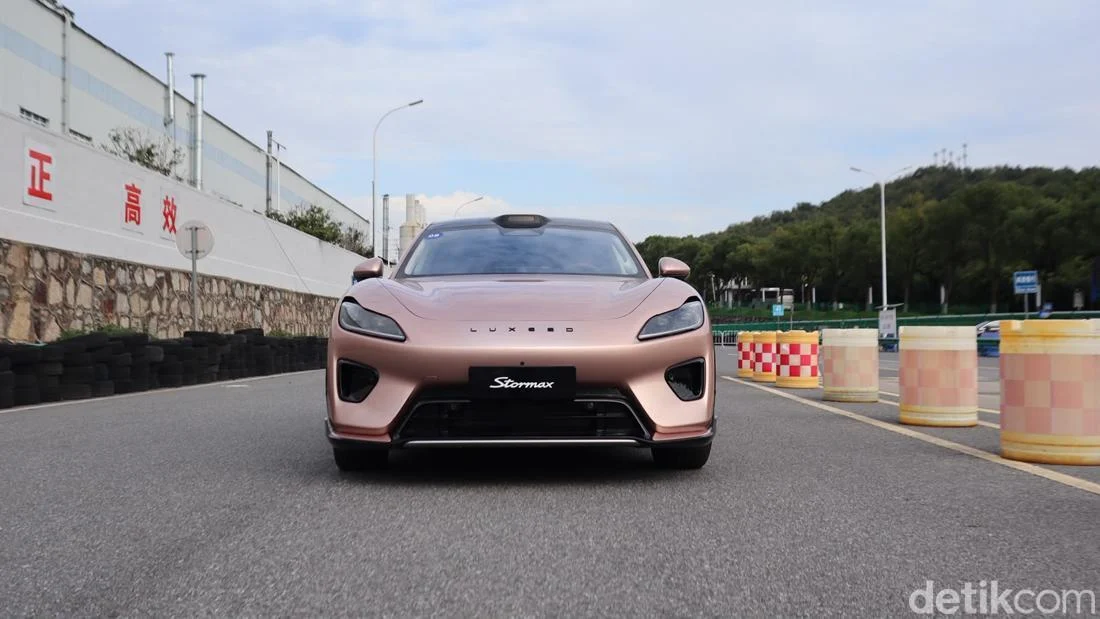
In stark contrast, Chinese manufacturers are experiencing a meteoric rise. BYD, the world’s leading manufacturer of New Energy Vehicles (NEVs), recorded a staggering 124 percent increase in sales in Australia. Last month, BYD came remarkably close to challenging Toyota’s long-held dominance in certain segments, a feat that would have been unthinkable five years ago. Other Chinese players are following a similar trajectory:
- Geely: Recorded a massive 494 percent increase in sales.
- Leapmotor: Experienced a 151 percent surge.
- GWM (Great Wall Motor): Grew by 20.5 percent.
- Chery: Saw sales jump by 76.8 percent.
These brands have successfully identified the "sweet spot" of the Australian market: affordable, tech-laden SUVs and hatchbacks that offer ranges exceeding 400 kilometers—a benchmark the Fiat 500e struggled to meet at its original price point.
Official Responses and Strategic "Evaluation"
Despite the dire sales figures and the suspension of imports, Stellantis Australia maintains that it is not yet ready to abandon the Fiat brand entirely. A spokesperson for the company addressed the concerns, characterizing the current situation as a period of strategic realignment rather than a total exit.
"As part of the planning and ongoing processes at Stellantis Australia, the availability of certain models may change over time as we evaluate market demand and future opportunities," the spokesperson stated. The company emphasized that Fiat remains a "core brand" within the global Stellantis portfolio and that they are "excited about the opportunities the brand offers in the future."
However, industry analysts suggest that these statements may be a form of corporate posturing while the company decides how to pivot. The spokesperson added, "We remain focused on bringing cars that meet the needs of Australian consumers." This phrasing is telling, as it suggests a realization that the current European-spec EV lineup does not align with the utility and price expectations of the Australian public.
Internally, Fiat has already begun implementing cost-cutting measures globally to remain competitive. In Italy, the company has cut thousands of jobs and reduced production shifts at its historic plants, citing the "unfair" advantage of low-cost Chinese exports. The Australian situation is essentially a localized version of this global struggle, where a high-cost manufacturing base meets a low-barrier, highly competitive import market.
The Factors Driving Chinese Dominance
The success of Chinese brands in Australia is not accidental. Several factors have converged to create a "perfect storm" that favors brands like BYD and MG over traditional European marques like Fiat.
- Supply Chain Integration: Chinese companies often own the entire battery supply chain, allowing them to produce EVs at a significantly lower cost than European manufacturers who must source components globally.
- Technological Maturity: While Fiat relied on the "retro-cool" aesthetic of the 500, Chinese brands focused on software, large infotainment screens, and advanced driver-assistance systems (ADAS) as standard equipment.
- Market Adaptability: Australia is a right-hand drive (RHD) market with unique road conditions. Chinese manufacturers have been remarkably quick to adapt their platforms for RHD and tune their suspensions for Australian rural roads, whereas European city cars like the Fiat 500e are often optimized for narrow, paved Continental streets.
- No Local Protectionism: Unlike the United States or the European Union, Australia does not have a domestic car manufacturing industry to protect. Consequently, there are no significant tariffs on Chinese-made vehicles, allowing them to compete on a purely level playing field with European and Japanese imports.
Analysis of Implications for the Australian Automotive Market
The potential disappearance of Fiat from the Australian market would represent more than just the loss of a single brand; it would signify the end of an era for the "affordable European car" in the region. For decades, brands like Fiat, Renault, and Peugeot offered an alternative to the dominant Japanese and American brands. If these companies cannot compete with the pricing of Chinese manufacturers, the Australian market may become bifurcated: a low-to-mid-range market dominated by China, and a high-end luxury market dominated by German and exotic brands.
Furthermore, this situation poses a challenge for the Australian government’s EV adoption goals. While the influx of cheap Chinese EVs helps get more electric cars on the road, the lack of diversity in the market could lead to a monopoly-like situation where a few manufacturers control the infrastructure and pricing.
There is also the question of Stellantis’s future strategy. Interestingly, Stellantis recently entered into a joint venture with Leapmotor, a Chinese EV specialist. There is growing speculation that Stellantis may eventually replace its struggling European-made small cars in Australia with rebadged or co-developed Leapmotor models. This would allow Stellantis to leverage Chinese manufacturing costs while utilizing its established dealer network in Australia—a pragmatic, if somewhat bittersweet, solution for fans of Italian engineering.
Conclusion: An Uncertain Road Ahead
For now, Fiat Australia is in a state of "suspended animation." With only 13 sales in a month and no new 500e units arriving on the docks, the brand’s visibility will continue to fade. The massive price cuts on remaining Abarth stock may provide a short-term boost in registration numbers, but they do not constitute a sustainable business model.
The Australian automotive market has proven to be a ruthless testing ground for the global industry. It is a market that rewards value, range, and technology over heritage and style. As Fiat and Stellantis evaluate their next moves, the lessons learned from the Australian "Chinese invasion" will likely resonate in boardrooms across Europe. Whether Fiat can reinvent itself for the Australian consumer or if it will join the list of brands that found the Southern Cross too difficult to navigate remains to be seen. For the moment, the Italian "Dolce Vita" is being overshadowed by the efficiency and scale of the "China Speed."