Bambang Pamungkas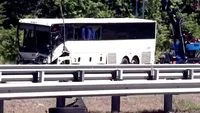
A horrific multi-vehicle collision on Interstate 95 in Virginia on Friday, May 29, 2026, claimed the lives of five individuals and left dozens injured, leading to the arrest and charging of the bus driver involved. Jing S. Dong, the driver of a commercial passenger bus operated by E&P Travel, was apprehended at a hospital the following day, Saturday, May 30, 2026, and faces initial charges of involuntary manslaughter as investigations continue into the exact circumstances of the tragic incident.
Catastrophic Collision Unfolds on I-95 South
The catastrophic event unfolded on a busy stretch of I-95, a major north-south artery on the East Coast, as the E&P Travel bus, en route from New York to North Carolina, allegedly failed to reduce its speed in a critical moment. According to preliminary evidence gathered by the prosecution, this failure to slow down resulted in the bus violently colliding with a Chevrolet Suburban and several other passenger vehicles. The impact was so severe that one of the cars involved subsequently erupted in flames, tragically trapping and killing its occupants.
Virginia prosecutor Eric Olsen stated, "There is sufficient evidence to indicate Dong was driving in a criminally negligent manner," underscoring the serious nature of the charges. Dong has been initially charged with two counts of involuntary manslaughter, with authorities indicating that additional charges are pending as the comprehensive investigation progresses. Each count of involuntary manslaughter carries a maximum penalty of 10 years in prison under Virginia law, highlighting the potential gravity of the legal consequences for the accused driver. The incident quickly transformed a routine Friday afternoon into a scene of chaos and profound sorrow, mobilizing an extensive emergency response from across the region.
Victims Identified in Heartbreaking Circumstances
The identities of the five deceased have been released, revealing the profound human cost of the collision. Four of the victims were members of a single family, traveling together in the car that caught fire, bound for a wedding celebration in South Carolina. They were identified as Dmitri Doncev, his wife Ecaterina Doncev, their daughter Emily Doncev, and their son Mark Doncev. The aspirations and joy of a family journey were abruptly and tragically extinguished, leaving behind a community in mourning. The fifth victim was identified as Priscilla Mafalda, 25, who was an occupant of the Chevrolet Suburban that bore the initial brunt of the bus’s impact.
Beyond the fatalities, the crash resulted in a massive influx of injured individuals, with 44 people transported to various hospitals in the region. Authorities confirmed that at least three of these individuals were in critical condition, necessitating intensive medical care. The sheer number of casualties overwhelmed local emergency services and hospital facilities, prompting a coordinated effort to manage the crisis. First responders, including firefighters, paramedics, and law enforcement, worked tirelessly at the scene, triaging the injured, extricating victims from the wreckage, and securing the extensive crash site. The emotional toll on these first responders, witnessing such widespread devastation, is also considerable.
The Legal and Regulatory Framework for Commercial Buses
The charges against Jing S. Dong bring into sharp focus the rigorous regulations governing commercial passenger transportation in the United States. The Federal Motor Carrier Safety Administration (FMCSA), an agency within the U.S. Department of Transportation, sets forth comprehensive rules designed to ensure the safety of bus operations. These regulations cover a wide array of aspects, including driver qualifications, hours-of-service limits, vehicle maintenance, and hazardous materials transportation.
Driver hours-of-service rules, for example, are critical in preventing fatigue, a common factor in commercial vehicle accidents. These rules mandate specific rest periods and limit the number of hours a driver can operate a commercial vehicle over a given period. Investigations into such crashes typically examine driver logbooks, GPS data, and vehicle black boxes to ascertain compliance with these regulations and to determine if fatigue or distraction played a role. Furthermore, bus companies like E&P Travel are subject to regular safety audits and inspections by the FMCSA and state authorities to ensure adherence to these stringent safety standards. A company’s safety record, including any history of violations or prior accidents, will undoubtedly become a key point of inquiry during the ongoing investigation. Any findings of negligence on the part of the company, such as inadequate driver training, poor vehicle maintenance, or pressure on drivers to exceed hours-of-service limits, could lead to additional legal repercussions and significant civil liabilities.
Interstate 95: A Vital Yet Challenging Corridor
Interstate 95, where this tragedy occurred, is one of the most heavily trafficked highways in the United States, stretching over 1,900 miles along the East Coast from Florida to Maine. In Virginia, I-95 serves as a critical artery for both commercial and passenger traffic, connecting major metropolitan areas and facilitating interstate commerce and tourism. The stretch through Virginia is particularly notorious for its high traffic volumes, especially during weekends and holiday periods, which can contribute to congestion and increase the risk of accidents.
According to data from the Virginia Department of Transportation (VDOT) and the National Highway Traffic Safety Administration (NHTSA), commercial vehicle accidents, while representing a smaller percentage of overall crashes, often result in disproportionately severe outcomes due to the size and weight of the vehicles involved. Factors such as speeding, aggressive driving, distracted driving, and driver fatigue are frequently cited as contributing causes in accidents involving large trucks and buses on I-95. The specific location of the crash, which has not been fully detailed beyond being on I-95, will be thoroughly analyzed for environmental factors such as road conditions, visibility, and potential construction zones, though initial reports point to driver negligence. The "failure to slow down" mentioned by the prosecutor strongly suggests a lapse in attention, judgment, or adherence to safe driving practices, regardless of external conditions.
Ongoing Investigation and Community Impact
The Virginia State Police are leading a meticulous and exhaustive investigation into the crash. Their work involves reconstructing the accident scene, interviewing witnesses, analyzing forensic evidence, and scrutinizing vehicle data recorders. This detailed process is crucial for understanding every contributing factor to the collision, from the mechanical condition of the bus to the precise actions of the driver in the moments leading up to impact. The complexity of a multi-vehicle crash, especially one involving a large commercial bus and a subsequent fire, means that the investigation will be lengthy and painstaking.
The incident has sent shockwaves through the communities affected, particularly those of the victims. The Doncev family’s tragic journey to a wedding serves as a poignant reminder of the fragility of life and the unforeseen dangers that can arise on the road. Support networks are undoubtedly rallying around the grieving families, offering comfort and assistance during an unimaginably difficult time. For the numerous injured, the path to recovery will be long and arduous, involving extensive medical treatment, rehabilitation, and emotional healing. The broader public, particularly those who rely on interstate bus travel, may experience heightened anxieties regarding road safety and the reliability of commercial transport services.
Broader Implications for Road Safety and Regulations
This devastating incident is likely to reignite discussions about road safety, particularly concerning commercial passenger carriers. Policymakers, transportation safety advocates, and industry stakeholders may review existing regulations and enforcement practices to identify potential gaps or areas for improvement. There could be calls for enhanced technological safeguards in buses, such as advanced driver-assistance systems (ADAS) like automatic emergency braking or lane departure warnings, which can help mitigate human error. Furthermore, the incident might prompt a closer examination of driver screening processes, training programs, and the corporate safety cultures of bus operators.
The legal proceedings against Jing S. Dong will be closely watched, as the outcome could set precedents or influence future interpretations of negligence in commercial transport cases. Civil lawsuits against the driver and E&P Travel are almost certain to follow, as victims and their families seek compensation for their immense losses and suffering. Such legal actions often bring to light additional details about corporate practices and safety protocols that might not emerge in criminal proceedings. The reverberations of this single, catastrophic event on Interstate 95 are therefore far-reaching, impacting individual lives, legal frameworks, and the ongoing national conversation about ensuring the safety of public transportation. The incident serves as a stark and somber reminder of the constant vigilance required on our nation’s highways to prevent such preventable tragedies.