
 Lina Irawan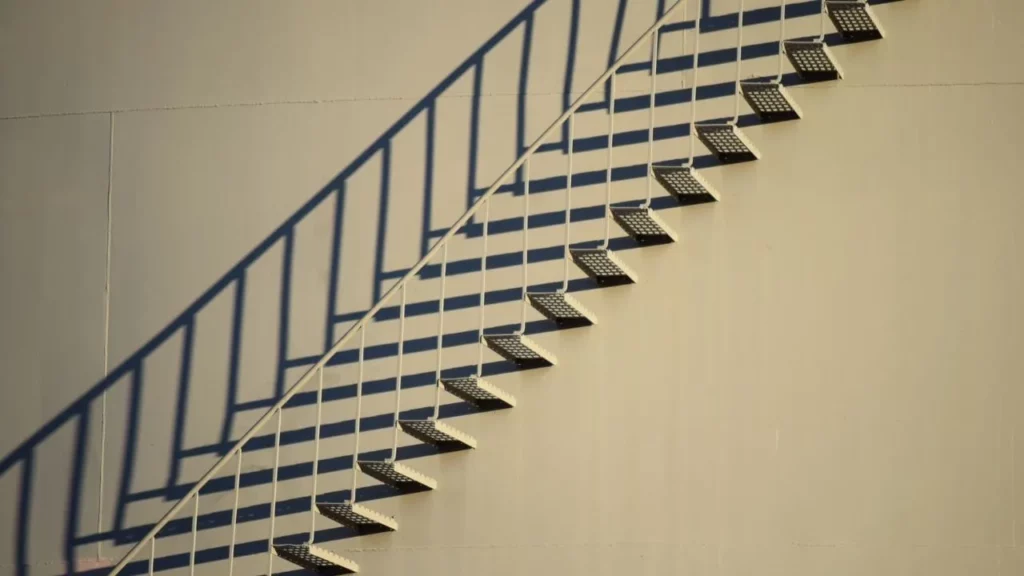
In an era defined by rapid urbanization and the escalating demand for efficient living spaces, homeowners and designers alike are constantly seeking innovative solutions to maximize every square meter. One such ingenious solution gaining significant traction in contemporary architecture is the folding attic stair, a concealed, retractable access system typically deployed to reach attics, water tanks, or utility lofts. Unlike conventional or spiral staircases, the folding mechanism, often constructed from robust steel, allows these stairs to disappear seamlessly into the ceiling when not in use, offering an unparalleled advantage in space-constrained urban dwellings.
The Urban Space Dilemma: A Pressing Need for Ingenuity
The demographic shift towards urban centers has dramatically altered residential design paradigms. With property values soaring and average home sizes shrinking, particularly in dense metropolitan areas, the luxury of expansive floor plans is diminishing. Homes classified as Type 36 or Type 45, common in many urban landscapes, exemplify this challenge. In such environments, traditional fixed staircases, whether straight or spiral, consume substantial floor area that could otherwise be allocated to essential functions.
InteriorDesign.ID’s team frequently observes clients attempting to integrate space-intensive spiral stairs into service areas as compact as 1×1 meter. The outcome is often a severely compromised utility zone, where the stair’s footprint monopolizes precious floor space, restricting movement and making it difficult to accommodate crucial appliances like washing machines or storage units. Furthermore, dedicating a 2×2 meter area solely for attic access, a necessity for maintenance or storage, is increasingly deemed inefficient in modern urban planning. Many homeowners lament that their laundry areas become impractical due to permanent stair structures, hindering basic tasks and layout flexibility. This underscores a critical distinction: service stairs demand a design ethos focused on durability, practicality, and minimal daily footprint, diverging significantly from the aesthetic and grandeur considerations of a main staircase.

The Ingenious Solution: How Folding Attic Stairs Address Modern Challenges
The advent of folding attic stairs directly confronts these spatial limitations. Engineered with a sophisticated mechanical hinge system, these stairs can be effortlessly pulled down when needed and then retracted back into the ceiling, rendering the floor area below instantly clear and unobstructed. Crucially, the hatch door that conceals the stair can be designed to sit flush with the ceiling, maintaining a clean aesthetic line and preventing any interference with overhead circulation or visual flow. This discreet integration makes them an ideal choice for homes where visible structures must be minimized to enhance the sense of spaciousness.
Key Advantages Over Traditional Alternatives: A Comparative Analysis
The superiority of folding attic stairs becomes evident when contrasted with their more traditional counterparts:
- Optimized Space Footprint: Many mistakenly believe that cast-iron spiral stairs are the ultimate solution for narrow spaces. However, even the most compact spiral staircase typically requires a minimum diameter of 120 centimeters. For smaller homes, this valuable real estate could be better utilized for a front-loading washing machine or a cleaning supply cabinet. Standard straight staircases are even more demanding, often occupying a linear floor length of 3 to 4 meters on the ground level. While the area beneath a straight stair can sometimes be partially utilized, the space under a spiral stair often remains awkward and prone to dust accumulation. Folding stairs, conversely, only occupy floor space during their brief deployment. Once folded, the entire area below is liberated, offering unparalleled flexibility.
- Enhanced Safety and Load-Bearing Capacity: Navigating a spiral staircase while carrying heavy or bulky items, such as air conditioner service equipment or storage boxes, poses significant safety risks. The tapering design of spiral treads often leads to precarious foot placement, increasing the likelihood of slips and loss of balance. Folding attic stairs, by contrast, offer a straight, consistent tread depth akin to conventional stairs, providing a stable and secure footing. Many designs also incorporate side handrails, further enhancing safety and stability, which is paramount when transporting tools or supplies to an attic or water tank area. This makes them a more practical and safer choice for utilitarian access points.
- Durability and Practicality: Unlike main stairs that prioritize intricate design, service stairs must be robust and functional. Folding metal stairs are built to withstand repeated use and heavy loads, making them a practical, long-term investment for essential home maintenance access.
Anatomy of a Modern Folding Stair System: Engineering for Efficiency

Understanding the core components of these systems is crucial for homeowners engaging with fabricators, ensuring informed decisions regarding material thickness and structural integrity.
- Frame and Treads: The fundamental framework typically utilizes steel hollow or square pipes, with a recommended thickness ranging from 1.6 mm to 2 mm. This gauge is vital to prevent bending or instability underfoot, ensuring a sturdy ascent. For the individual stair treads, diamond plate (plat bordes) with its textured, slip-resistant surface is a common and highly effective choice, offering excellent grip for footwear. Additional rubber layering at the edge of each tread can further enhance safety, particularly when feet may be damp. These stairs are engineered to safely support users exceeding 100 kilograms.
- Mechanical Folding System: The core innovation lies in the mechanical system that facilitates effortless deployment and retraction. Spring-assisted mechanisms are standard, designed to counterbalance the weight of the steel structure, making the downward pull and upward push feel remarkably light, despite the unit’s actual weight. For an even more refined operation, hydraulic cylinder options are available, providing a slow, controlled descent without sudden jerks or impacts, thus enhancing both safety and user comfort.
- Hatch Door (Ceiling Panel): This crucial component serves as both the aesthetic cover for the ceiling opening and the attachment point for the stair assembly. The material must be rigid yet lightweight, with 18mm multiplex plywood being a popular choice. To maintain thermal efficiency and prevent dust or hot air from the attic infiltrating the living space below, the door’s perimeter is often sealed with rubber gaskets. Aesthetically, the hatch door is typically painted a solid color, such as white, to seamlessly blend with the surrounding ceiling, making it virtually invisible when closed.
Material Selection: The Imperative of Robustness and Longevity
The choice of material significantly impacts the folding stair’s durability, safety, and longevity. While wood and aluminum offer certain advantages, steel remains the strongest and most cost-effective option for this application. Wooden stairs are susceptible to pest infestations like termites and can warp or degrade when exposed to the high temperatures often found in attics. Aluminum, though lightweight, often lacks the rigidity required to maintain stability for users exceeding 100 kilograms, leading to potential wobbling or instability during use. Steel, conversely, provides unmatched strength and stability within a manageable budget.
- Galvanized Steel for Enhanced Protection: Service areas, such as laundry rooms, often exhibit higher humidity levels, which can accelerate corrosion in untreated metals. Galvanized steel hollow sections are frequently specified for folding stairs due to their protective zinc coating. This layer acts as a sacrificial barrier, significantly retarding the effects of moisture and preventing rust formation, particularly in critical hinge areas where structural integrity is paramount.
- Finishing and Coating for Durability and Aesthetics: The finishing process is vital for both the stair’s appearance and its resistance to wear and tear. Powder coating is a highly durable method that ensures the paint adheres firmly and resists chipping, even with the friction from heavy tools or equipment. It also imparts a sleek, matte finish. For budget-conscious projects, a base coat of epoxy anti-rust primer followed by two layers of Duco paint offers substantial protection. Regardless of the method, meticulous sanding of all weld seams is essential for a smooth, professional finish.
Design and Installation Specifications: Precision is Key
Accurate measurements and precise installation are paramount for the safe and efficient operation of folding attic stairs.

- Standard Dimensions and Pitch: The rise (vertical distance between treads) for folding stairs typically ranges from 22 to 25 centimeters, making them slightly steeper than conventional staircases but still comfortable for occasional use. The tread width should be at least 12 centimeters to provide ample, secure footing. The overall width of the stair assembly usually falls between 40 and 50 centimeters.
- Adapting to Ceiling Height: The vertical height from the finished floor to the attic opening must be measured with utmost precision. For standard ceiling heights (approximately 2.8 to 3.2 meters), folding stairs are commonly designed with three hinged sections to allow compact storage within the ceiling cavity. For higher ceilings exceeding 3.5 meters, telescopic sliding mechanisms are often preferred. These designs extend further downwards but collapse into a more elongated, yet still compact, storage box, avoiding an excessively deep ceiling cavity.
- Critical Landing Clearance: Prior to any structural work, it is imperative to calculate the horizontal swing distance of the stair’s lowest point during deployment. This ensures that the extended stair does not collide with walls, appliances (like washing machines), or obstruct other essential pathways. The ideal angle of deployment typically ranges from 60 to 70 degrees for optimal stability. A practical tip is to use masking tape to mark the precise landing zone on the floor before cutting the ceiling opening, preventing costly spatial errors.
Structural Reinforcement: A Non-Negotiable Requirement
The combined weight of the hatch door and the steel stair assembly can easily reach 40 kilograms or more. Crucially, standard light steel frames supporting gypsum ceilings are not engineered to bear this additional static load. Consequently, the ceiling structure around the opening requires significant modification and reinforcement.
- Robust Support Frame: The opening in the ceiling must be framed with a new, robust support structure. This typically involves using solid timber beams or UNP steel sections, which are securely anchored directly into nearby load-bearing walls or the main roof trusses. This reinforced frame effectively redistributes the gravitational pull from the stair assembly, preventing the gypsum ceiling from slowly sagging or eventually collapsing under the added weight. Neglecting this crucial step compromises the safety and longevity of the entire installation.
- Precision Cutting and Finishing: The ceiling opening itself must be cut with extreme precision, matching the dimensions of the stair’s storage box with a minimal tolerance of approximately 5 millimeters on each side. The resulting cut edges are then meticulously covered with aluminum trim, ensuring a clean, straight line that aligns perfectly with the surrounding ceiling. The installation of this frame must be perfectly level, verified with a waterpass, as any misalignment will cause the folding hinges to bind, creak, and eventually wear prematurely.
Aesthetic Integration in Service Areas: Form Meets Function
While functionality is paramount, the final appearance of folding attic stairs can still be refined to complement the surrounding space.
- Color Scheme and Concealment: The steel framework is often painted in a dark, solid color such as deep black or dark gray. This not only offers a sleek, utilitarian aesthetic but also effectively conceals any minor grease drips from the hinges or general wear and tear over time. Conversely, the underside of the wooden hatch panel, visible from the living space, is typically painted to precisely match the surrounding ceiling color, rendering it almost imperceptible when closed. Flush-mounted hinges are often specified to eliminate any visible protrusions from the ceiling, further enhancing the discreet design.
- Detailing for Longevity and Safety: Small but significant details contribute to both the functionality and longevity of the system. The open ends of the steel pipes should be sealed with plastic caps to prevent insects, such as bees or wasps, from nesting inside. Similarly, the bottom ends of the stair legs, where they make contact with the floor, should be fitted with thick rubber feet. These not only protect expensive flooring materials like granite or tiles from scratches and impact but also enhance grip and stability during use.
Investment and Installation Costs: Understanding the Financial Outlay

The cost of installing folding attic stairs can vary significantly based on whether a pre-fabricated unit is chosen or a custom solution is engineered.
- Market Pricing: Factory-made units, typically constructed from thinner alloy steel, are generally available in the market for approximately 3 to 5 million Indonesian Rupiah (IDR). These units come in standardized sizes, offering a cost-effective solution for specific ceiling heights. However, for a fully customized system that precisely fits unique attic dimensions, includes robust structural modifications to the ceiling, and is fabricated by a specialized welding workshop, the investment typically ranges from 4 to 8 million IDR.
- Cost Allocation: For custom installations, the overall budget is generally allocated as follows: roughly 40% covers the cost of raw metal materials and heavy-duty joint mechanisms; 30% accounts for the skilled labor involved in cutting, welding, and specialized finishing processes like oven-baked powder coating; and the remaining 30% is allocated to the civil engineering work, including the crucial structural reinforcement of the ceiling. Homeowners should be wary of vendors quoting prices significantly below market averages, as this often indicates a compromise on material thickness or overall build quality, potentially affecting the stair’s safety and lifespan.
Ensuring Longevity: Regular Maintenance for Peak Performance
Given that attics often have limited air circulation and the stairs are used intermittently, the mechanical components can be prone to issues if neglected. Accumulated dry dust mixed with ambient humidity can stiffen hinge axles, leading to grating noises or even damage if forced open. Therefore, a brief, bi-annual maintenance schedule is highly recommended.
- Lubrication Protocol: The key to smooth operation is proper lubrication. Utilize a spray lubricant designed for metal parts to thoroughly coat the friction points of the folding hinges, the spring mechanisms, and any hydraulic arms. It is critical to avoid using dense, used oils (such as old gear oil), as these tend to quickly attract and bind dust particles, exacerbating the problem. After applying lubricant, cycle the stairs up and down several times to ensure even distribution, then wipe away any excess with a dry cloth to prevent dripping onto the floor below.
- Fastener Inspection: The repetitive motion and dynamic loads from ascending and descending inevitably cause anchor bolts and screws to loosen over time. Regularly inspect all fastening points, particularly those securing the main frame to the ceiling and any wall anchors. Use a wrench to firmly tighten any loose bolts. Furthermore, inspect the plaster or concrete around the wall anchors for any hairline cracks. Such cracks should be reported immediately to a structural repair specialist, as they may indicate a weakening of the anchor point that requires re-strengthening.
Avoiding Common Installation Mistakes: Expert Guidance for a Flawless Setup
Entrusting the design and installation entirely to field technicians without proper oversight can lead to significant and costly revisions. Awareness of common pitfalls can save time, money, and ensure safety.

- Overly Heavy Hatch Door: A frequent error is the selection of an excessively dense material for the hatch panel, such as thick MDF. While MDF is sturdy, its weight can prematurely wear out the spring-assisted mechanism, making the stairs harder to operate and reducing the system’s overall lifespan. Lightweight yet rigid materials like multiplex plywood are generally preferred.
- Incorrect Landing Point: The positioning of the stair’s landing point on the floor must be meticulously planned. It is crucial to ensure that the deployed stairs do not obstruct daily pathways, block doors, or impede access to other essential features in the room. Careful consideration should also be given to the largest items that might need to be transported up or down (e.g., a replacement water filter), ensuring sufficient clearance for maneuvering through the attic opening and down the stairs.
- Insufficient Handrail Length: Some local fabricators, in an attempt to minimize the folded stair’s thickness or reduce costs, may shorten or omit the handrail. This is a critical safety oversight. The handrail should ideally extend telescopically along the entire length of the deployed stairs, providing continuous and stable support for users, especially during the crucial transition from the attic floor to the first step.
In conclusion, folding attic stairs represent a highly effective and innovative solution for optimizing space in modern urban homes. By offering discreet, safe, and robust access to utility areas without sacrificing valuable floor space, they address a critical need in contemporary interior design. Their integration reflects a broader trend towards smart, sustainable living environments where every element serves a precise purpose, enhancing both functionality and aesthetic appeal.








