
 Lina Irawan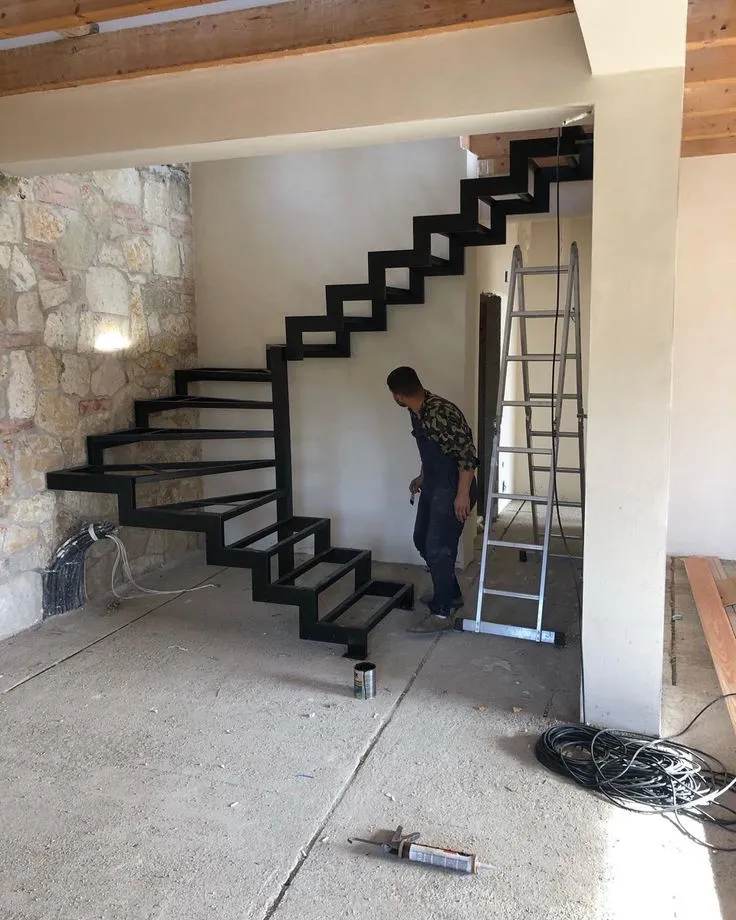
The contemporary architectural landscape increasingly embraces designs that celebrate raw materials and structural honesty, with industrial iron stairs emerging as a prominent feature in both residential and commercial interiors. These striking staircases deliberately showcase their constituent elements—steel frames, iron plates, and robust bolts—eschewing conventional coverings like plasterboard or additional cladding. This design philosophy seamlessly merges formidable structural integrity with a bold, uncompromising visual aesthetic, making the staircase a focal point rather than a mere functional necessity. While the inherent coolness of exposed metal often finds harmonious balance with the warmth of solid wood treads or the minimalist appeal of exposed concrete, the durability of iron ensures a lifespan measured in decades, solidifying its status as a sustainable and visually impactful interior element. This comprehensive guide delves into the foundational principles of industrial stair design, exploring construction standards, material selections, and cost considerations for those looking to integrate this factory-inspired concept into their spaces.
The Resurgence of Industrial Aesthetics and Its Application in Stair Design
The journey of industrial design from the utilitarian spaces of 19th-century factories and warehouses to the sophisticated interiors of modern homes and offices is a testament to its enduring appeal. Born out of necessity during the Industrial Revolution, where function dictated form, elements like exposed brick, raw concrete, structural steel, and visible ductwork were once purely practical. Today, these components are celebrated for their authenticity, rugged charm, and the unique narrative they bring to a space. The industrial iron staircase, with its unapologetic display of engineering and material honesty, perfectly embodies this aesthetic. It represents a conscious move away from ornate, concealed structures towards a more transparent, robust, and often minimalist approach that resonates deeply with contemporary design sensibilities. This style speaks to an appreciation for craftsmanship, durability, and a raw beauty that is both functional and artful.
Why Industrial Iron Stairs Are a Recommended Choice for Modern Interiors
Industrial iron stairs offer a compelling array of advantages that extend beyond their striking appearance, making them a highly recommended option for diverse architectural projects. Their superiority lies in a meticulous blend of strength, spatial efficiency, and inherent longevity.
Unmatched Structural Integrity and Safety: At the core of their recommendation is unparalleled strength. Structural steel, particularly profiles like I-beams (IWF) and C-channels (UNP), boasts significantly higher load-bearing capacities compared to traditional timber or reinforced concrete, especially when considering slimmer profiles. This allows for lighter-looking yet exceptionally strong structures that can safely support dynamic loads over many years. The robust nature of these materials means that, when properly engineered and fabricated, industrial stairs offer superior safety and stability, meeting or exceeding stringent building codes. This inherent strength translates into peace of mind for homeowners and building occupants, knowing their staircase is built to last and perform under stress.
Streamlined Maintenance and Enhanced Longevity: Unlike traditional staircases that often conceal their structural elements behind plaster, drywall, or ceramic tiles, industrial designs celebrate exposed frameworks. This transparency offers a practical benefit: ease of maintenance. Homeowners can readily inspect the structure for any signs of wear, such as rust initiation, weakening weld points, or loose bolts. This immediate visibility allows for proactive intervention, preventing minor issues from escalating into significant structural problems. Furthermore, steel’s natural durability, when combined with proper protective coatings, ensures the staircase maintains its structural integrity and aesthetic appeal for decades, minimizing the need for frequent repairs or replacements. This long-term resilience contributes to a lower total cost of ownership over the lifespan of the property.
Optimized Space Utilization and Light Flow: The inherent strength and slender profiles of steel allow for innovative and space-saving designs. Cantilevered or "floating" staircases, where treads appear to emerge directly from the wall without visible supports beneath, are frequently executed with industrial steel frameworks. This design dramatically reduces the visual bulk of the staircase, making smaller spaces feel larger and more open. Moreover, the open nature of many industrial stair designs, often incorporating minimal risers or open risers, allows natural light to filter through the structure. This maximizes light circulation to areas beneath and around the staircase, preventing dark corners and contributing to a brighter, more expansive interior environment. This ability to combine functionality with an illusion of lightness is particularly valuable in urban dwellings where space is a premium.

Defining Characteristics of Industrial Stair Design
The industrial aesthetic is unmistakable, characterized by a deliberate emphasis on visual and material elements that evoke a sense of utilitarian beauty and raw strength.
Exposed Framework: The Honesty of Materials: The most defining characteristic of industrial stairs is the unconcealed structural framework. This philosophy, often termed "honesty of materials," means that welds, bolt arrays, and connecting plates are not hidden behind decorative finishes. Instead, these mechanical elements are meticulously fabricated and finished to become integral parts of the staircase’s aesthetic narrative. The visual texture created by visible fasteners, the clean lines of steel beams, and the precise angles of welded joints all contribute to a powerful, unpretentious elegance. This exposure serves as a direct link to the industrial heritage, celebrating the engineering process itself as a form of art.
Dominance of Dark, Muted Tones: Industrial iron frames are typically finished with protective coatings in a palette of dark, subdued colors. Matte black, charcoal grey, deep bronze, or the natural, rich tones of forged iron are standard choices. These colors serve multiple purposes. Aesthetically, they lend gravitas and sophistication, strongly defining the staircase’s form and allowing it to stand out as a sculptural element within a space. Practically, dark finishes are highly effective at concealing minor dust accumulation, smudges, and small scratches, thereby contributing to the staircase’s low-maintenance appeal and maintaining its pristine look over time. The choice of finish, whether powder-coated for extreme durability or painted for specific color matching, is crucial for both protection and visual impact.
Harmonious Combination with Natural Materials: While steel forms the robust backbone, its inherently "cold" nature often necessitates pairing with warmer, more tactile materials to create a balanced and inviting residential interior. The most common and successful combinations involve integrating natural elements into the treads. Solid wood species such as Teak (Jati), Merbau, Sungkai, or even Oak and Maple are favored for their warmth, grain patterns, and comfortable underfoot feel. Alternatively, exposed concrete treads offer a complementary raw, minimalist aesthetic that aligns perfectly with the industrial theme, providing a monolithic and grounded feel. These material contrasts—the cool, hard precision of metal juxtaposed with the organic warmth of wood or the earthy texture of concrete—create a rich sensory experience and a visually dynamic design.
Inspiration Models: Tailoring Industrial Stairs to Your Space
The versatility of industrial iron allows for a wide array of designs, ensuring that a staircase can be perfectly adapted to the unique layout and aesthetic requirements of any room.
Models Based on Layout Configurations:
- Straight Stairs: The most common and direct design, ideal for spaces where a simple, linear ascent is desired. While straightforward, an industrial straight stair can be transformed into a striking architectural feature through exposed steel stringers and minimalist railings. They are efficient in terms of movement but require a significant linear footprint.
- L-Shaped Stairs: These stairs incorporate a turn, typically at a landing, making them suitable for corners or when a straight run is too long. The landing provides a resting point and can introduce an interesting architectural break. Industrial L-shaped stairs often feature a strong visual anchor at the turn, using robust steel plates or a cantilevered landing.
- U-Shaped Stairs: Featuring two parallel flights of stairs with a landing connecting them, U-shaped designs are excellent for multi-story homes or commercial buildings. They offer a grander presence and are often more spatially efficient than a single long straight run. The industrial version can highlight the verticality with exposed steel columns and intricate railing patterns.
- Spiral Stairs: A space-saving marvel, spiral stairs ascend around a central pole. While often more compact, they can be challenging for moving large furniture. An industrial spiral stair utilizes a sturdy steel core and often features minimalist steel treads and railings, creating a sculptural element that commands attention.
- Cantilevered/Floating Stairs: These designs create an illusion of treads floating in mid-air, often anchored directly into a structural wall. This effect is largely achieved through the hidden strength of steel sub-frames. Industrial cantilevered stairs exemplify minimalist elegance, maximizing light and visual openness, and are highly coveted for their modern, sophisticated appeal.
Variations in Tread Material:

- Solid Wood Treads: The most popular choice, offering warmth, natural beauty, and acoustic dampening. Options include dense hardwoods like Teak (known for durability and rich color), Merbau (similar to teak but often more accessible), Oak (classic, strong grain), or lighter woods like Maple or Ash for a contemporary feel. The wood can be left natural, stained, or treated to enhance its longevity and resistance to wear.
- Exposed Concrete Treads: For a truly raw and brutalist industrial aesthetic, exposed concrete treads provide a monolithic, grounded feel. They are incredibly durable, fire-resistant, and can be tinted or polished to achieve various finishes. Their weight requires robust steel support, further emphasizing the structural honesty.
- Metal Grating/Perforated Metal Treads: These offer a highly industrial and lightweight solution. Expanded metal mesh or perforated steel plates provide transparency, allowing light and air to pass through, and offer excellent slip resistance. They contribute to a very open, airy feel but may not be ideal for all residential settings due to their open nature.
- Glass Treads: For the ultimate in modern transparency, reinforced glass treads (laminated and tempered for safety) can be integrated into an industrial steel frame. This creates a stunning, almost invisible staircase, maximizing light penetration and offering a dramatic visual effect. While visually striking, glass treads require specific cleaning and maintenance.
Variations in Railing Design:
- Minimalist Rod Railings: Simple vertical or horizontal steel rods, often thin and spaced evenly, provide safety without obstructing views. This design emphasizes the clean lines of the industrial aesthetic.
- Cable Railings: Thin stainless steel cables, run horizontally or vertically, offer a sleek, contemporary, and almost invisible barrier. They provide safety while maintaining maximum transparency.
- Wire Mesh Panels: Industrial-grade wire mesh, often in a dark finish, can be integrated as railing infill panels. This adds a textural element and reinforces the factory-inspired look while providing robust safety.
- Glass Panel Railings: Clear or frosted glass panels, secured by minimalist steel clamps, offer an uninterrupted view and a sophisticated, modern touch. They pair well with both wood and concrete treads.
- Custom Artistic Metalwork: For a bespoke touch, the steel railing can be designed with unique geometric patterns, laser-cut motifs, or sculptural elements, transforming the safety barrier into a work of art.
Rigorous Construction Standards for Industrial Iron Stairs
The construction of an industrial iron staircase is not merely an aesthetic endeavor but a precise engineering undertaking where safety and structural integrity are paramount. Adherence to established construction standards ensures both durability and user safety.
Ergonomics and Safety Dimensions: For optimal comfort and safety, tread width is a critical dimension. An ideal width of 27 to 30 centimeters allows an adult’s entire foot to rest securely, minimizing the risk of slips or missteps. Equally important is the riser height, the vertical distance between one step and the next. A consistent riser height of 15 to 18 centimeters ensures a comfortable and natural gait, reducing strain and preventing stumbles. Variations outside this range can make a staircase feel awkward or unsafe. Beyond individual step dimensions, overall staircase width, handrail height (typically 90-100 cm from the tread nose), and landing sizes must also conform to local building codes and ergonomic best practices to ensure accessibility and safety for all users.
The Crucial Role of Welding Quality: The integrity of an industrial iron staircase hinges significantly on the quality of its welding. Main structural connections, which bear the primary load, must employ full penetration welds. This technique ensures that the weld metal fully fuses with the base metals, creating a joint as strong as, or stronger than, the parent material. In contrast, spot welds, which only join surfaces at intermittent points, are strictly reserved for non-structural accessories or cosmetic attachments. The expertise of certified welders is indispensable, as faulty welds can compromise the entire structure, leading to instability or catastrophic failure. Post-welding inspection, including visual and sometimes non-destructive testing (NDT) like ultrasonic or radiographic examination, is vital to confirm weld quality.
Ensuring Stability and Mitigating Noise: An industrial iron staircase, despite its robust appearance, should never exhibit noticeable sway or vibration when subjected to dynamic loads, such as people ascending or descending. Any discernible movement indicates structural instability that must be addressed immediately. Proper anchoring to the building’s main structure and correctly sized steel profiles are key to achieving this rigidity. To address potential noise, especially with metal-on-metal or metal-on-wood contact, strategic sound dampening measures are essential. The incorporation of rubber gaskets, silicone pads, or specialized acoustic insulation between the steel frame and wooden or concrete treads significantly reduces impact noise and vibrations, ensuring a quieter and more pleasant user experience.
Optimizing Steel Profile Selection for Structural Performance: The choice of steel profile is dictated by the staircase’s design, span, and anticipated load.
- Hollow Section Steel (Hollow Iron): For straight staircases with spans typically under 3 meters, hollow section steel, such as 10×5 cm with a 2mm wall thickness, often provides sufficient strength and rigidity. Its enclosed profile offers good torsional stiffness and a clean aesthetic.
- UNP Steel (C-Channel): Characterized by its C-shape, UNP steel is exceptionally rigid and often deployed as side stringers or primary supporting beams. Its geometry makes it resistant to bending and twisting, making it ideal for carrying loads along its web.
- IWF Steel (I-Beam/H-Beam): Representing the pinnacle of structural strength, IWF steel is reserved for demanding applications, such as single central stringers supporting wide spans or heavy loads. Its "I" or "H" cross-section provides immense strength-to-weight ratio. However, due to its significant weight and concentrated load, IWF profiles often necessitate dedicated concrete pad foundations at the ground level to adequately distribute the load and prevent structural settlement.
Cost Estimation and Professional Installation Considerations
Investing in an industrial iron staircase requires a clear understanding of the costs involved, which can vary significantly based on material choices, design complexity, and installation requirements.

Factors Influencing Cost: The price of an industrial staircase is typically quoted per step, inclusive of the basic railing.
- Standard Specifications: For a more accessible option, a staircase constructed with 2mm thick hollow iron for the frame and Meranti wood treads, along with standard railing designs, typically ranges from IDR 1,500,000 to IDR 2,500,000 per step. This price point often balances durability with cost-effectiveness.
- Premium/Heavy-Duty Specifications: At the higher end, utilizing robust UNP or IWF steel for the primary structure, coupled with premium hardwoods like Teak, can push costs to between IDR 3,500,000 and IDR 6,000,000 per step. This reflects the increased material cost, the complexity of working with heavier profiles, and the inherent value of high-quality wood.
- Additional Cost Factors: Beyond the per-step cost, other elements influence the final price. These include the complexity of the design (e.g., spiral vs. straight, cantilevered vs. supported), the type of finish (powder coating is more expensive than paint), the intricacy of railing designs (custom metalwork or glass panels will increase costs), and geographical location. Labor costs for fabrication and on-site installation, including any specialized equipment required for heavy components, are also factored in.
Comprehensive Service and Warranty: A reputable fabricator’s estimate should encompass all aspects of the project: detailed design and engineering, material procurement, workshop fabrication, transportation to the project site, and on-site installation. It is imperative for homeowners to request a comprehensive structural warranty from the manufacturer or installer. This warranty serves as a guarantee of the staircase’s structural integrity and craftsmanship, providing protection against defects or failures related to design or fabrication. A clear project timeline, from design approval to final installation, should also be established to manage expectations effectively.
Maintenance and Proactive Rust Prevention for Longevity
While industrial iron stairs are built for durability, proper maintenance and rigorous rust prevention are crucial to preserve their aesthetic appeal and structural integrity, especially given the presence of ambient humidity even in indoor environments.
Primary Rust Prevention during Fabrication: The most effective defense against rust begins during the fabrication phase. All steel components must undergo thorough surface preparation, typically involving sandblasting or chemical cleaning, to remove mill scale, grease, and other contaminants. This prepared surface then receives at least two coats of high-quality anti-rust primer, with epoxy-based primers being a preferred choice for their superior adhesion and barrier properties. Only after the primer layers are fully cured should the final decorative color coat be applied. This multi-layer protective system creates a robust barrier against moisture and oxygen, the primary catalysts for rust formation. For even greater durability, particularly in high-traffic or semi-exposed areas, powder coating offers an extremely tough and chip-resistant finish.
Routine Cleaning and Care: Daily or weekly cleaning is straightforward. A dry microfiber cloth or a slightly damp cloth is usually sufficient to remove dust and light grime. It is crucial to avoid harsh chemical floor cleaners, as their abrasive or corrosive properties can degrade the protective paint layers on the iron, creating weak points where rust can begin to form. For wooden treads, regular cleaning with a wood-specific cleaner and periodic re-oiling or re-varnishing (depending on the original finish) will maintain their beauty and protect against wear.
Addressing Scratches and Minor Damage: Despite preventative measures, scratches or chips in the paint can occur, exposing the bare metal and creating an entry point for rust. Prompt attention to these areas is vital. The affected spot should be gently sanded to remove any loose rust or paint, creating a smooth surface. Following this, a touch-up using a matching anti-rust spray paint or brush-on paint (after applying a small amount of primer if the scratch is deep) will reseal the area, preventing further corrosion. Regular inspections, especially in areas prone to moisture or impact, allow for early detection and repair.
Common Installation Pitfalls and Best Practices
Even with robust materials and designs, the success of an industrial iron staircase project hinges on meticulous execution, avoiding common installation errors that can compromise safety, aesthetics, and longevity.

Unsealed Hollow Iron Ends: A Breeding Ground for Problems: A frequently overlooked detail is the finishing of hollow iron profiles. If the ends are left open without proper caps (end caps), these hollow sections become ideal conduits and traps for dust, debris, and even insects or spiders. Over time, accumulated moisture within these unsealed spaces can lead to internal corrosion, which is difficult to detect and repair. Best practice dictates that all open ends of hollow profiles be sealed with welded steel caps or aesthetically pleasing, tightly fitted plastic or metal end plugs, ensuring a clean finish and preventing unwanted ingress.
Inadequate Railing Gaps: A Critical Safety Hazard: The spacing between vertical or horizontal balusters or panels in a staircase railing is a paramount safety concern, particularly in homes with children. Building codes universally specify maximum allowable gaps, typically not exceeding 10 centimeters (approximately 4 inches). This standard is designed to prevent a child’s head, body, or limbs from passing through the railing, thereby averting serious falls. Any installation that deviates from this standard poses a significant risk and must be rectified immediately. Thorough planning and adherence to these safety dimensions during design and fabrication are non-negotiable.
Overly Smooth Wooden Treads: A Slip and Fall Risk: While a beautifully smooth, highly polished wooden tread may seem luxurious, an excessively slick surface, especially when walked upon with socks or certain footwear, presents a substantial slip hazard. This is particularly true for residential settings. To mitigate this risk without compromising the wood’s natural beauty, several solutions exist. The application of a subtle anti-slip coating on the leading edge of each tread can provide necessary friction without altering the wood’s color or texture. Alternatively, incorporating a slightly textured finish to the wood itself, or even adding discreet anti-slip strips, can significantly enhance safety. Prioritizing safety through thoughtful material finishing is crucial for any staircase.
The Broader Impact and Future of Industrial Stairs
The growing adoption of industrial iron stairs reflects a broader shift in architectural and interior design toward authenticity, durability, and a celebration of structural elements. This trend aligns with contemporary values that prioritize sustainable materials, long-lasting construction, and designs that offer both aesthetic appeal and practical functionality. As urban living spaces become more compact, the ability of industrial stairs to maximize light and space, while providing a powerful visual statement, ensures their continued relevance. They are not merely a means to traverse floors but architectural features that embody strength, character, and a timeless modern sensibility, cementing their place as a significant element in the evolution of interior design.








