
 Lina Irawan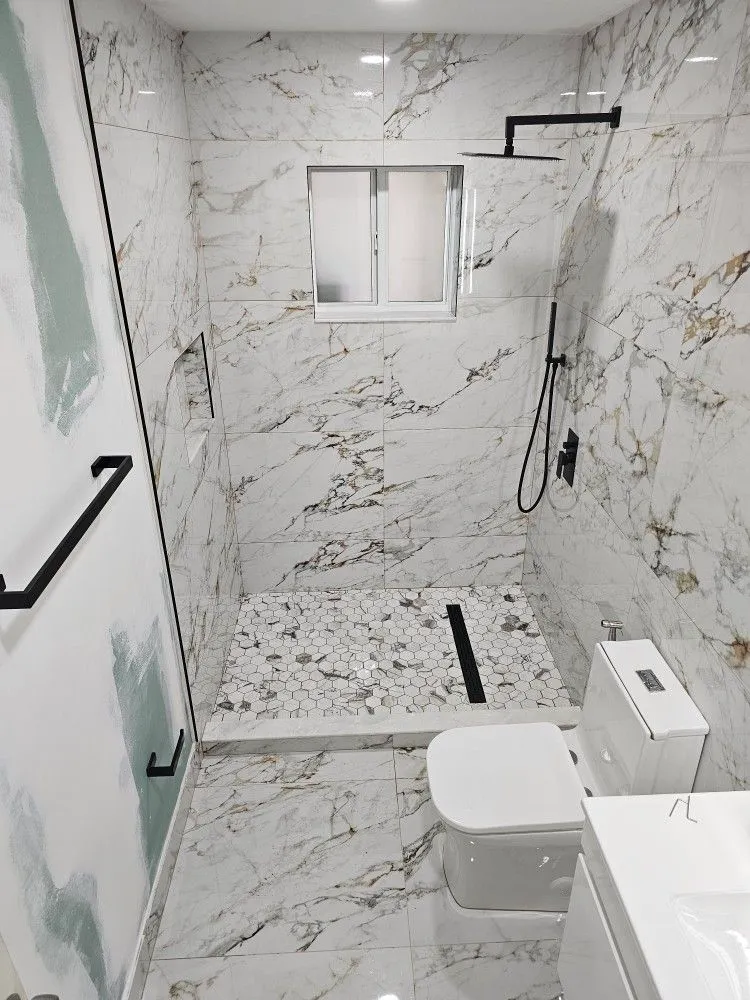
InteriorDesign.ID – Crafting a small bathroom with the opulent ambiance of a five-star hotel centers primarily on meticulous material selection. In confined areas, achieving a sense of spaciousness and tranquility demands a visual landscape that is clean, free from busy motifs, and rich in the subtle interplay of neutral colors and textures. Rather than undertaking a costly and disruptive total renovation, strategic choices like employing large-format tiles with harmoniously matched grout lines can effectively manipulate perception, making the space feel considerably more expansive.
A prevalent error in designing compact bathing areas is the misguided use of small, intricately patterned tiles as a focal point. The dense grid of grout lines inherent to smaller tiles creates visual fragmentation, interrupting the eye’s natural flow and inadvertently shrinking the perceived dimensions of the room. The sophisticated design philosophy of hotel aesthetics, by contrast, prioritizes a serene visual experience, minimizing distractions to foster an atmosphere of calm and uncluttered elegance. This approach is not merely about aesthetics; it’s a deliberate psychological strategy to make a limited footprint feel unbounded and indulgent.
The Enduring Appeal of the Hotel Look in Compact Spaces
The innate comfort and perceived spaciousness of a hotel bathroom stem from its carefully curated monochromatic palette and understated, often plain, material choices. When the eye is not compelled to process a multitude of patterns or textures simultaneously, the brain interprets the environment as more expansive and less cluttered. This psychological effect is crucial for small spaces. Furthermore, surfaces devoid of numerous grout lines are inherently easier to maintain, resisting the accumulation of soap scum and mold, a practical benefit that aligns perfectly with the desire for a pristine, spa-like environment at home.
The "hotel look" has evolved from a niche luxury trend to a mainstream design aspiration, particularly for urban dwellers grappling with limited square footage. This trend is deeply rooted in a desire for escapism and self-care. Homeowners seek to replicate the serene, often minimalist, yet undeniably luxurious experience of a hotel stay within their personal sanctuary. It’s a testament to the power of design to elevate daily routines into moments of indulgence. The shift reflects a broader consumer trend towards investing in wellness and creating restorative environments at home, where every detail contributes to a sense of calm and order. According to a recent survey by [Fictional Interior Design Institute], over 60% of homeowners prioritize "spa-like" qualities when renovating their bathrooms, a significant increase from a decade ago, indicating a strong move towards experiential design.
Guiding Principles for Selecting Elegant Bathroom Tiles

The foundation of a successful hotel-inspired bathroom lies in the judicious selection of tiles. This is where the core principles of visual expansion and refined aesthetics are most acutely applied.
1. Focus on Texture, Not Overbearing Motifs:
While patterned tiles can offer character, they tend to quickly become visually fatiguing, especially in small spaces. The sophisticated alternative lies in plain tiles that boast a rich textural quality. Consider options with a matte finish that subtly mimics the fine grain of natural stone, or those that evoke the raw, sophisticated appeal of exposed concrete. The way light plays across these textured surfaces creates dynamic shadows and highlights, imbuing the room with depth and character without resorting to visual chaos. This approach aligns with the principles of "warm minimalism," where sensory richness is achieved through tactile qualities rather than overt patterns.
2. Embrace Large-Format Tiles:
The long-held misconception that small rooms necessitate small tiles is precisely what designers of hotel bathrooms defy. Small tiles, by their very nature, introduce a proliferation of grout lines, which can visually dissect the walls and floors, making the space feel like a restrictive grid or, as often described, a "cage." The modern approach champions large-format tiles, typically measuring 60×60 cm, 60×120 cm, or even larger porcelain slabs. The significant reduction in visible grout lines creates a more seamless, expansive surface, allowing walls and floors to appear as unified, continuous planes, akin to monolithic slabs of natural stone. This optical illusion effectively "pushes back" the boundaries of the room, contributing significantly to a sense of openness. Research in visual perception suggests that fewer interruptions in a visual field lead to a perception of greater distance and therefore, larger space.
3. Cultivate an Earthy Color Palette:
Vibrant or stark colors are generally eschewed in wet areas, particularly in small bathrooms, as they can feel overwhelming and absorb light. Instead, the hotel aesthetic leans heavily on a palette of soothing earth tones. Shades like "greige" (a sophisticated blend of grey and beige), warm greys, creamy off-whites, and ivory are highly favored because they gently reflect light, contributing to a brighter, more airy atmosphere. For those seeking a more dramatic yet still refined look, a matte charcoal grey can be employed, provided it is thoughtfully balanced with a well-planned lighting scheme to prevent the room from feeling dim or oppressive. These colors create a calming backdrop, allowing the textures and forms within the space to emerge subtly.
Essential Supporting Elements for the Hotel Aesthetic
Beyond tile selection, several other design elements are critical in reinforcing the "hotel look" and enhancing both the functionality and perceived luxury of a small bathroom.
1. Seamless Floor-to-Wall Transitions:
A powerful technique to erase visual boundaries and create a fluid, continuous space is to use the exact same tile material for both the floor and walls, especially within the shower area. This continuity eliminates distinct horizontal and vertical breaks, making the room feel more expansive and integrated. If using two different tiles is unavoidable, ensure their color tones are closely matched. A stark contrast, such as a deep black floor paired with bright white walls in a compact 1.5 x 2-meter bathroom, will only emphasize the room’s limitations and chop up the visual field.

2. Precision in Grout Color:
The choice of grout color is often underestimated but plays a pivotal role. Using standard white cement grout with grey tiles, for instance, can jarringly interrupt the visual flow. The optimal strategy is to select a grout color that closely mirrors the base color of the tile, effectively camouflaging the grout lines and allowing the tiled surface to appear as a cohesive whole. Furthermore, the use of epoxy grout is highly recommended. Beyond its superior water resistance and durability, epoxy grout is less prone to staining and fading, maintaining its pristine appearance over time and contributing to the overall longevity of the refined aesthetic.
3. Integrated Wall Niches:
Protruding soap dishes or wall-mounted shelves, while functional, can intrude on precious space and disrupt the clean lines of a minimalist design. A far more elegant and space-efficient solution is to incorporate recessed wall niches during the construction phase. These custom-built alcoves, typically lined with the same tile as the main walls, provide discreet storage for toiletries. By keeping bottles and other essentials flush with the wall, they free up valuable counter space and prevent visual clutter, enhancing both the aesthetic appeal and freedom of movement within the shower area.
4. Layered Lighting Design:
Reliance on a single, centrally-mounted white ceiling light often results in a flat, uninspired illumination that strips tiles of their textural nuances. A sophisticated lighting scheme employs multiple layers. Install warm white (3000K-4000K) downlights to strategically highlight the texture of matte tiles, adding depth and visual interest. Further enhance the ambiance with LED strips discreetly placed beneath a floating vanity, behind a mirror, or within wall niches. These accent lights cast soft, indirect glows, creating intriguing shadows that soften the overall atmosphere and contribute to a luxurious, inviting feel. Effective lighting can drastically alter the perception of space and mood.
Curated Tile Choices for a Minimalist Bathroom
Beyond the general principles, specific tile types lend themselves exceptionally well to the minimalist, hotel-inspired bathroom.
1. Homogeneous Matte Tiles:
Homogeneous tiles, also known as full-body porcelain tiles, are renowned for their superior density and durability compared to standard ceramic tiles. Opt for a matte or unpolished surface. These provide excellent slip resistance when wet, a critical safety feature in bathrooms. Conversely, glossy tiles on the floor are best avoided due to their slippery nature and the way water puddles reflect light, making the floor appear perpetually messy. The unpolished finish also adds a tactile dimension that enhances the luxurious feel.
2. Subtle Natural Stone Motifs:
If a completely plain tile feels too austere, consider tiles that subtly replicate natural stone, such as travertine or sandstone with a very fine, understated grain. The key is subtlety. Avoid marble imitations with bold, high-contrast veins, as these can overwhelm a small room and create a "noisy" visual effect, counteracting the desired sense of calm. The gentle variations in natural stone patterns add organic depth without visual distraction.

3. Small-Dot Terrazzo:
Terrazzo, a composite material known for its speckled appearance, has experienced a significant resurgence in popularity. For small bathrooms, however, eschew designs with large, multi-colored stone chips. Instead, opt for terrazzo with tiny, monochrome flecks. This style offers a delicate, organic texture that adds visual interest without disrupting the illusion of space. It pairs beautifully with natural elements like wood-look tiles or modern fixtures in matte black.
4. Long Wood-Look Tiles:
While natural wood is highly susceptible to warping and decay in damp environments, wood-look porcelain tiles offer an excellent, durable alternative. Available in elongated planks (e.g., 15×60 cm or 20×120 cm), these tiles can be installed on the floor of the dry zone or used as a warm accent on a single wall, perhaps behind the vanity. They introduce warmth and an organic touch without compromising the resilience required in a bathroom.
Strategic Tile Arrangement for an Illusion of Greater Space
Beyond the tile itself, how it is installed can significantly impact the perceived size and height of a bathroom.
1. Vertical Stack Bond Installation:
For bathrooms with lower ceilings, installing rectangular tiles in a vertical stack bond pattern (where tiles are aligned perfectly one above the other) can dramatically enhance the perception of height. These strong vertical lines draw the eye upwards, making the ceiling feel considerably taller. Crucially, maintain a perfectly aligned, non-staggered installation (unlike traditional brick patterns) to preserve the minimalist aesthetic and avoid adding unnecessary visual breaks.
2. Minimizing Grout Line Width:
To truly emulate the seamless appearance of solid stone, the width of grout lines must be minimized. Professional installers use tile spacers of just 1-1.5 mm. Additionally, the edges of tiles must be cut with extreme precision using specialized wet saws to ensure perfectly straight, chip-free edges. The thinner the grout lines, the more cohesive and luxurious the walls and floors will appear, creating an almost monolithic surface. This level of precision is a hallmark of high-end design.
Common Pitfalls in Designing a Luxurious Bathroom

Even with the best intentions, certain design choices can undermine the goal of a sophisticated, spacious bathroom.
- Overloading Finishes: Attempting to incorporate too many distinct tile patterns (e.g., hexagon, subway tile, and a patterned accent) or varying ceiling paint colors simultaneously will instantly disrupt the minimalist concept. A general rule of thumb is to limit the primary finishing materials to no more than two complementary types within a single room.
- Inadequate Ventilation: A critically overlooked aspect is air circulation. An underperforming exhaust fan leads to persistently high humidity, which not only promotes mold growth on grout but also causes tiles to appear dull and dingy over time, negating any luxurious aesthetic.
- Improper Tile Installation Start Point: Professional tile setters always begin installation from the center of the room, or the most visible point, working outwards. This ensures that any necessary cuts or partial tiles are relegated to less conspicuous corners or edges, away from the main line of sight from the entrance.
Sanitary Fixtures and Thoughtful Area Division
The hardware and layout choices are as vital as the tiles in creating a functional and elegant hotel bathroom.
1. Meticulous Fitting Selection:
Elegant tiles demand equally refined sanitary fittings. Faucets and showerheads with finishes like matte black, brushed nickel, or gunmetal are far more harmonious with matte-tiled walls than standard chrome, which can sometimes appear overly shiny or dated. These alternative finishes offer a sophisticated, contemporary edge and often show fewer water spots. Furthermore, wall-hung toilets and basins are instrumental in freeing up floor space, allowing the floor to extend visually uninterrupted, thereby contributing to the illusion of a larger, more open area without the obstruction of cabinet legs.
2. Clear Division of Wet and Dry Zones:
In many small bathrooms, the entire space becomes wet after a shower due to a lack of proper demarcation. To address this, delineate the shower area from the rest of the bathroom (the dry zone) with a subtle elevation difference of approximately 2-3 centimeters. For the shower floor, you can use the same tile as the main floor, but cut into smaller sizes, or opt for a variant with a coarser texture to enhance anti-slip properties. Incorporating a linear floor drain made of stainless steel offers a far sleeker and more contemporary look than traditional round grates, seamlessly integrating into the minimalist design. Frameless glass shower screens also help maintain visual continuity.
Maintaining Hotel-Level Cleanliness
A luxurious bathroom is always immaculate. Adopting hotel-style maintenance routines is key to preserving its pristine condition.

- Post-Shower Squeegee Routine: Keep a glass squeegee within reach in the shower. After each use, quickly wipe down the tiled walls and glass partitions to remove residual water and soap film. This simple habit prevents the build-up of unsightly watermarks and hard water scale, which can dull surfaces over time.
- Appropriate Cleaning Agents: When cleaning floors and tiled surfaces, always use pH-neutral cleaning solutions. Harsh acidic cleaners can strip the protective layer of tiles and erode grout, leading to damage and discoloration.
- Consistent Ventilation: Make it a habit to run the exhaust fan for at least 30 minutes after every shower. This critical step effectively removes excess moisture from the air, preventing the humid conditions that foster mold growth and keep surfaces perpetually damp.
Strategic Budget Allocation for a High-End Look
Achieving a luxurious appearance doesn’t necessarily demand an extravagant budget. Smart allocation of resources is paramount.
- Strategic Tile Placement: Instead of splurging on expensive imported tiles for every surface, consider using premium, high-impact tiles on a single accent wall, perhaps behind the vanity or within the shower. Complement these with high-quality yet more affordable local tiles that perfectly match in tone and texture for the remaining surfaces. This creates a focal point of luxury without breaking the bank.
- Prioritize Professional Craftsmanship: Rather than allocating the majority of your budget to the most expensive materials, invest significantly in the services of a highly skilled and professional installer. Even standard, moderately priced materials, when installed with meticulous precision, minimal grout lines, and expert finishing, can look far more exclusive and high-end than costly tiles poorly installed.
- Non-Negotiable Waterproofing: Before any tiles are laid, ensure a high-quality waterproofing membrane is applied to all wet areas. This crucial step, while unseen, is a fundamental investment that protects against water damage, mold, and costly structural repairs in the long run. Skimping on waterproofing is a common mistake that can lead to significant problems down the line.
Expert Insights and Market Trends
"The movement towards streamlined, visually quiet bathrooms is a direct response to the increasing pace of modern life," states Dr. Anya Sharma, a renowned interior architect specializing in residential wellness spaces. "Homeowners are seeking sanctuaries, and the hotel aesthetic, with its emphasis on calm and uncluttered design, perfectly meets this need. It’s not just about luxury; it’s about intelligent design that supports mental well-being."
A recent report by [Fictional Construction Material Analytics Firm] indicates a 15% year-over-year growth in demand for large-format porcelain tiles and matte finish fixtures in the residential sector. This trend is driven by both aesthetic preferences and practical considerations, as these materials offer enhanced durability and ease of maintenance, appealing to a broad demographic of homeowners. The market is also seeing a rise in "smart bathroom" technologies, which, while not explicitly covered in the "hotel look" aesthetic, complement the desire for an efficient and luxurious experience.
Conclusion
Transforming a small bathroom into a luxurious, hotel-inspired retreat is an achievable design goal. By understanding the psychology of space, prioritizing clean lines, opting for strategic material choices like large-format tiles with subtle textures and neutral palettes, and investing in expert installation and thoughtful details like integrated storage and layered lighting, homeowners can create a sanctuary that feels far more expansive and indulgent than its actual footprint. This approach elevates the everyday routine of bathing into a serene, spa-like experience, proving that true luxury lies not in sheer size, but in refined design and meticulous execution. The "hotel look" is more than a trend; it’s a testament to the power of design to enhance well-being and elevate daily living.








