Tata Titiana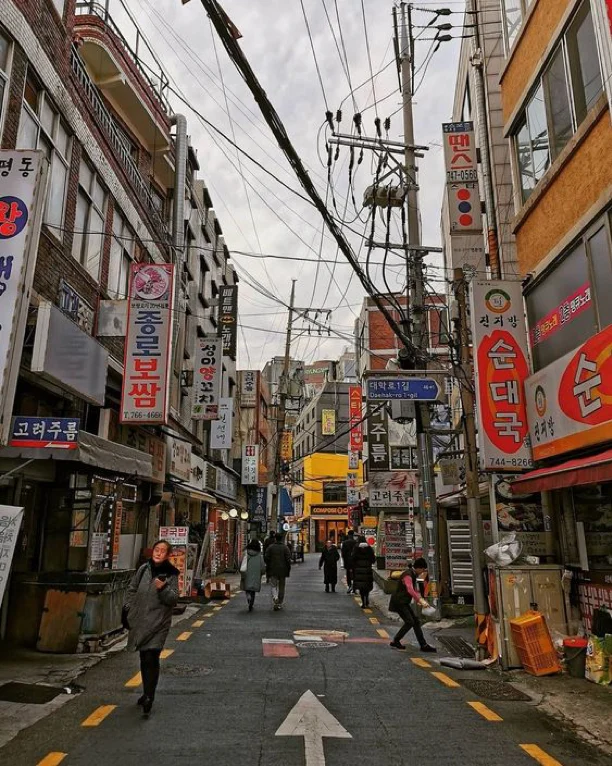
South Korea has firmly established itself as a premier travel destination, particularly for travelers from Indonesia, with its captivating blend of modern allure and rich cultural heritage. A significant driver of this burgeoning popularity is the widespread global appeal of Korean dramas (K-dramas), which often showcase breathtaking scenery and vibrant urban settings that spark wanderlust. Beyond the on-screen magic, these picturesque locations offer tangible experiences for visitors, allowing them to step into the very scenes that have captured the hearts of millions. This article delves into several key destinations in South Korea that not only boast stunning natural beauty and architectural marvels but also resonate with the iconic backdrops found in beloved K-dramas, providing an immersive travel experience.
Geonbae: The Pulsating Heart of Seoul’s Nightlife
For those seeking the electrifying energy of a metropolitan hub, Geonbae (often transliterated and associated with areas like Itaewon or specific entertainment districts) presents an unparalleled urban experience. This vibrant thoroughfare is characterized by its dynamic atmosphere, lined with an eclectic array of bars and drinking establishments that contribute to its distinctive urban charm. The visual spectacle of Geonbae, with its dazzling lights and bustling crowds, creates a quintessential city scene that frequently appears in K-dramas, particularly those depicting youthful adventures, romantic encounters, or gritty urban narratives.
The appeal of Geonbae lies in its perpetual liveliness. It is a destination that thrives day and night, consistently drawing a diverse mix of local residents and international tourists. This constant flow of people ensures a palpable sense of energy and a dynamic social environment. The architectural style, often a blend of modern commercial buildings and traditional Korean elements, further enhances its visual appeal, making it a compelling backdrop for storytelling. Scenes set in such areas often portray characters navigating complex social dynamics, celebrating milestones, or seeking solace and connection, all within the energetic pulse of the city. The accessibility of Geonbae, being a public thoroughfare, allows for spontaneous exploration and a genuine immersion into the local nightlife culture, mirroring the very essence of many K-drama plotlines that unfold in similar urban settings. The sheer variety of establishments, from sophisticated cocktail lounges to casual pubs, caters to a wide range of preferences, further solidifying its status as a quintessential South Korean urban landmark.

Daehakro: The Cultured Artery of Performing Arts
Daehakro, often referred to as the "University Street," is a cultural artery stretching approximately 1.6 kilometers, renowned for its deep connection to the performing arts. This district is frequently likened to Broadway in the United States, a comparison that highlights its significance as a nexus for theatrical and artistic expression in South Korea. Daehakro is home to numerous theaters, art galleries, and performance spaces that remain active and vibrant, showcasing a continuous stream of artistic endeavors.
The street offers a rich tapestry of South Korean performing arts, from traditional plays and musicals to contemporary dance and experimental theater. Visitors can immerse themselves in the dynamic arts scene, witnessing performances that reflect the nation’s cultural heritage and modern creative spirit. This dedication to the arts has made Daehakro a recurring setting in K-dramas that focus on themes of ambition, artistic struggle, romance within the creative community, or the pursuit of dreams. The visual of actors, aspiring artists, and theater enthusiasts frequenting these venues provides a realistic and compelling backdrop for character development and plot progression. The presence of university campuses in the vicinity further contributes to the youthful and intellectual atmosphere, fostering an environment of creativity and innovation. The historical significance of Daehakro as a hub for student activism and artistic movements in the past adds another layer of depth, often subtly referenced in dramas that explore societal changes and cultural evolution. The sheer density of artistic venues ensures that there is always something new to experience, making it a continuously engaging destination for both locals and tourists. Its role as a cultural cornerstone of Seoul makes it an indispensable location for understanding the artistic soul of South Korea, much like its on-screen counterparts.
Starfield Library: A Literary Haven of Monumental Scale
For an experience that transcends the ordinary, the Starfield Library, located within the COEX Mall in Seoul, offers a breathtaking architectural and intellectual sanctuary. This expansive library is a testament to South Korea’s appreciation for literature and knowledge, housing an impressive collection of books, documents, and memoirs sourced from across the nation and beyond. The sheer scale of the library is awe-inspiring, with its towering bookshelves reaching heights of up to 13 meters. This vertical expanse creates a visually dramatic effect, making it one of the most comprehensive and visually striking libraries in Seoul.
The Starfield Library is not merely a repository of books; it is designed as a public space for relaxation, study, and inspiration. Its modern, open-plan design, bathed in natural light, provides a serene yet stimulating environment. The architectural grandeur, with its minimalist aesthetic and imposing bookshelves, has made it a popular filming location for K-dramas, particularly those featuring introspective characters, intellectual pursuits, or moments of profound realization. Scenes set in such libraries often symbolize wisdom, personal growth, or the quiet contemplation that precedes significant life decisions. The library’s integration within a bustling shopping mall also offers a unique juxtaposition of commerce and culture, reflecting the multifaceted nature of modern urban life. The presence of various seating areas, reading nooks, and digital information kiosks enhances the visitor experience, catering to both casual browsers and dedicated researchers. The library’s role as a cultural landmark is further amplified by its frequent appearance in media, solidifying its status as an iconic Seoul attraction. It represents a space where stories, both written and lived, converge, offering a unique glimpse into the intellectual landscape of South Korea, much like the narratives woven within the dramas that feature it.

Broader Impact and Implications for Tourism
The strategic showcasing of these diverse locations in popular K-dramas has had a tangible and significant impact on South Korea’s tourism industry. These on-screen portrayals act as powerful, organic marketing tools, inspiring a global audience to experience these places firsthand. For instance, the romanticized depiction of Seoul’s vibrant nightlife in dramas can drive interest in areas like Geonbae, leading to increased foot traffic and economic activity for local businesses. Similarly, Daehakro’s portrayal as a hub of artistic passion can attract individuals interested in theater, culture, and the creative industries, contributing to the sustained vitality of its performance venues. The visually stunning Starfield Library, with its photogenic interiors, has become a sought-after spot for social media sharing, further amplifying its reach and appeal.
The South Korean government and tourism boards have recognized this phenomenon and often leverage the popularity of K-dramas in their promotional campaigns. This includes creating themed tours, providing detailed guides to filming locations, and collaborating with production companies to highlight the country’s scenic beauty. The "hallyu" (Korean Wave) effect, driven by the popularity of K-pop and K-dramas, has undoubtedly contributed to a significant surge in international tourism to South Korea. Data from the Korea Tourism Organization consistently shows a correlation between the popularity of K-dramas and increased visitor numbers, particularly from Asian countries where K-dramas enjoy immense popularity.
The implication of this trend extends beyond mere tourism revenue. It fosters a deeper cultural exchange, allowing global audiences to engage with Korean culture, lifestyle, and aesthetics in a more intimate way. Visitors often seek to replicate the experiences of their favorite characters, leading to a demand for K-drama-themed cafes, restaurants, and merchandise. This creates a self-reinforcing cycle where cultural products drive tourism, and tourism, in turn, fuels further cultural production and consumption. The ability of South Korea to seamlessly blend its cinematic appeal with tangible tourist experiences positions it as a forward-thinking destination that understands and capitalizes on the power of popular culture in shaping global perceptions and travel choices. The continued success of these destinations underscores the enduring influence of storytelling in inspiring wanderlust and fostering cross-cultural connections.