Eko Sulistyo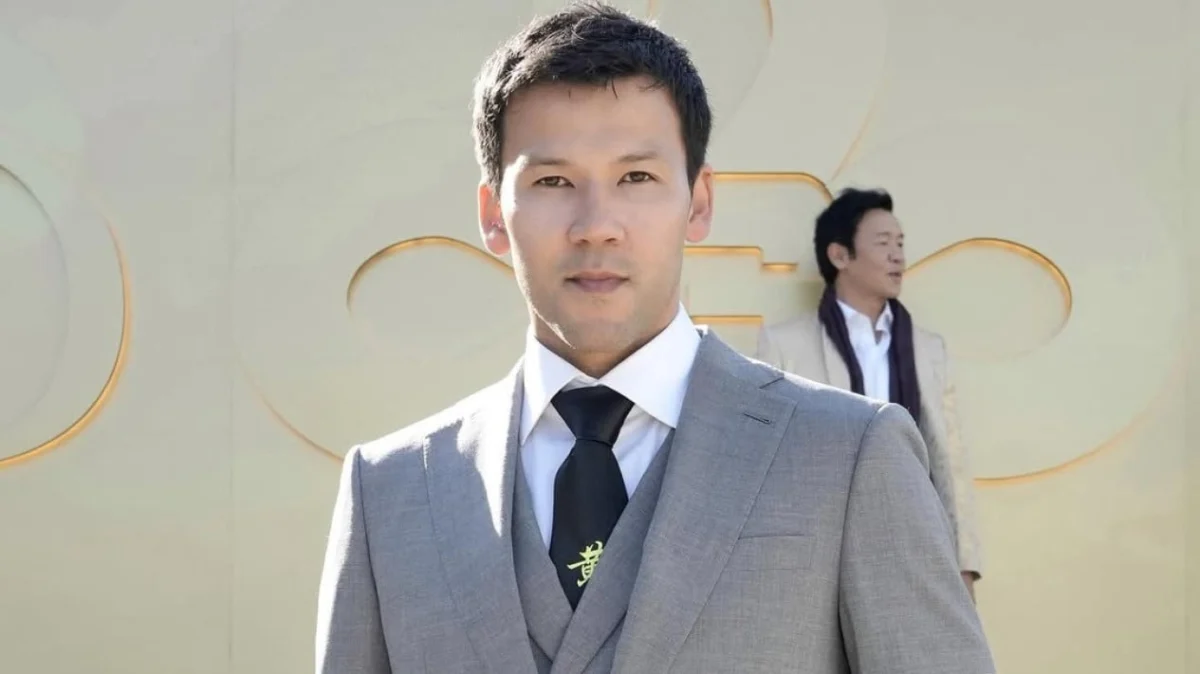
The selection of Jakarta as a primary destination for the global promotional tour of the highly anticipated film Mortal Kombat II marks a historic milestone for the Indonesian entertainment industry. This event represents the first time a major Hollywood blockbuster has chosen the Indonesian capital as a central hub for its high-profile promotional circuit, signaling the country’s growing importance in the international cinematic landscape. Organized by Warner Bros. Pictures, the event drew massive crowds and international media attention, featuring a powerhouse lineup of the film’s lead cast, including Ludi Lin, Tadanobu Asano, the legendary Joe Taslim, and Max Huang.
The press conference and fan event, held on Sunday, May 3, 2026, served as a platform for more than just film promotion; it became a moment of cultural celebration and personal revelation. While Joe Taslim has long been the face of Indonesian talent in Hollywood, the spotlight shifted significantly toward Max Huang, who portrays the iconic character Kung Lao. During the event, Huang shared profound details regarding his lineage, revealing a deep-seated connection to North Sumatra that resonated deeply with the local audience.
The Revelation of Max Huang’s Indonesian Ancestry
For many fans, the presence of Joe Taslim—a Palembang native—was the expected highlight of the homecoming. However, Max Huang’s disclosure of his own Indonesian heritage added an unexpected layer of emotional depth to the proceedings. Born Julian Maximilian Widjaja in Nuremberg, Germany, Huang is the product of a rich multicultural upbringing. He confirmed that his father is an Indonesian citizen of Chinese descent originally from Medan, North Sumatra.
Public records and industry sources identify his father as Noorman Widjaja, a distinguished music conductor who built a career in Europe. His mother is a German national. Despite being raised in Germany and establishing his professional career within the elite circles of the Jackie Chan Stunt Team and Hollywood action cinema, Huang emphasized that his Indonesian identity remains a fundamental part of his persona.
"I feel blessed and honored to be here with my brothers for MK 2," Huang stated during the press conference. "I remember coming here for the first time when I was three years old. My father is from Medan. So, I consider myself Indonesian as well."
The actor’s emotional connection to the country was evident as he described the visit as a "homecoming" rather than a mere business trip. He expressed gratitude for the warm reception from the Indonesian public, noting that returning to Jakarta felt like reconnecting with his cultural roots. "Thank you for accepting me, and I feel like I am returning to my origins," he added, reinforcing the sentiment that his participation in the Mortal Kombat franchise is a point of pride for his extended family in Sumatra.
Chronology of the Mortal Kombat II Global Tour in Jakarta
The Jakarta leg of the tour was meticulously planned to maximize fan engagement and highlight the film’s diverse cast. The itinerary began with a private media screening of exclusive footage, followed by a grand press conference at a luxury venue in Central Jakarta.
The timeline of the event unfolded as follows:
- Arrival and Protocol: The cast arrived at Soekarno-Hatta International Airport to a frenzy of fans and local media. The security presence underscored the high-profile nature of the visit, which was treated with the gravity of a state visit by entertainment standards.
- Press Conference (May 3, 2026): The core of the promotional activity took place on Sunday morning. The actors engaged in a Q&A session that delved into the production challenges of the sequel, the evolution of their characters, and the importance of representation in global cinema.
- Fan Interaction and Red Carpet: Following the press briefings, the cast participated in a "Fan Dome" style event where they interacted with the local Mortal Kombat community, including professional e-sports players and long-time enthusiasts of the video game franchise.
- Cultural Exchange: Warner Bros. Pictures curated a segment where the international cast members were introduced to traditional Indonesian martial arts, such as Pencak Silat, creating a bridge between the fictional combat of the film and the authentic heritage of the host nation.
Background Context: The Mortal Kombat Franchise and Indonesia
The Mortal Kombat franchise has enjoyed a storied history in Indonesia, both as a video game phenomenon and a cinematic staple. The 2021 reboot of the film series was a significant turning point, as it cast Joe Taslim in the pivotal role of Bi-Han (Sub-Zero). Taslim’s success in the role was viewed as a victory for Indonesian representation, proving that local talent could anchor a major global franchise.
In the sequel, Mortal Kombat II, the stakes have been raised. The film continues the narrative established in the first installment, expanding the universe to include iconic characters such as Johnny Cage (played by Karl Urban) and Kitana (played by Adeline Rudolph). The inclusion of Max Huang as Kung Lao in the first film was already a point of interest, but his revelation regarding his Medan roots has retroactively strengthened the local connection to the series.
Industry analysts suggest that Warner Bros.’ decision to prioritize Jakarta for the global tour is a calculated move based on market data. Indonesia possesses one of the world’s largest young populations and a burgeoning middle class with a high propensity for cinema-going. Furthermore, the "Joe Taslim effect" has ensured that Mortal Kombat remains a household name in the archipelago, creating a built-in marketing advantage that few other franchises possess.
Official Responses and Industry Implications
The Indonesian Ministry of Tourism and Creative Economy has viewed the event as a significant endorsement of the country’s infrastructure and its capacity to host large-scale international events. While official government representatives were present primarily in an observational capacity, the sentiment shared by industry insiders suggests that this tour could pave the way for future Hollywood productions to consider Indonesia not just as a market, but as a filming location and promotional hub.
A spokesperson for the local distribution partner noted that the enthusiasm surrounding the Mortal Kombat II tour has exceeded expectations. "The level of engagement we are seeing in Jakarta is on par with major premieres in Los Angeles or London," the spokesperson said. "Having two actors with direct Indonesian ties—Joe Taslim and Max Huang—creates a unique narrative that resonates with the local audience on a personal level."
From a broader perspective, the event highlights a shift in Hollywood’s promotional strategies. As domestic box office numbers in North America fluctuate, studios are increasingly looking toward Southeast Asia as a primary growth engine. Indonesia, with its rapidly expanding theater chains and digital-savvy audience, is at the forefront of this shift.
Analysis: The Power of Identity and Representation
The emotional weight of Max Huang’s "homecoming" reflects a larger trend in the global entertainment industry: the rising importance of authentic representation. In previous decades, Asian characters in martial arts films were often portrayed with little regard for specific cultural nuances. The modern Mortal Kombat franchise, however, has made a concerted effort to cast actors who bring genuine heritage and skill to their roles.
Huang’s background—a blend of German discipline and Indonesian-Chinese heritage—parallels the globalized nature of the film industry today. His ability to speak to the Indonesian audience as a "brother" rather than a foreign visitor has created a level of brand loyalty that traditional advertising cannot buy. For the people of Medan specifically, the knowledge that one of the leads in a billion-dollar franchise shares their roots is a source of immense regional pride.
Furthermore, the presence of Ludi Lin (Liu Kang) and Tadanobu Asano (Raiden) alongside Taslim and Huang showcased a united front of Asian excellence in cinema. This collective representation is crucial for the franchise’s identity, as Mortal Kombat has always been a property that draws heavily from various Asian mythologies and martial arts traditions.
Conclusion and Future Outlook
As the Mortal Kombat II global tour moves to its next destination, the impact of the Jakarta visit remains palpable. The event succeeded in elevating the film’s profile while simultaneously honoring the cultural ties that bind its cast to the Indonesian people. Max Huang’s revelation about his Medan ancestry has added a new chapter to the story of Indonesians in Hollywood, one that celebrates the diaspora and the enduring strength of cultural identity.
Mortal Kombat II is poised to be a significant box office contender, and its performance in the Indonesian market will be closely watched by industry executives. If the fervor seen during the Jakarta tour is any indication, the film is set to break records locally, further cementing Indonesia’s status as a powerhouse in the global film community. For Max Huang, the journey from Nuremberg to Hollywood and finally "home" to his father’s roots in Medan represents a full-circle moment that transcends the screen, proving that even in the world of high-octane fantasy and combat, the most powerful stories are often the ones rooted in reality and heritage.