Nila Kartika Wati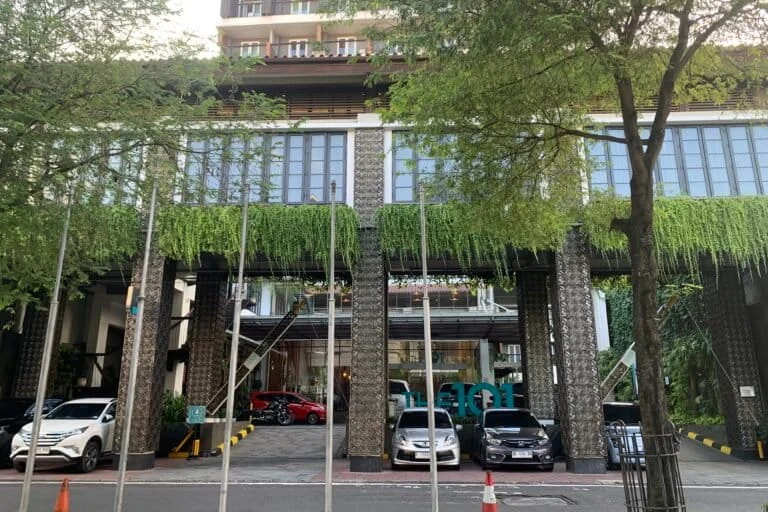
The Special Region of Yogyakarta remains one of Indonesia’s most iconic tourism magnets, drawing millions of domestic and international visitors annually to its cultural landmarks and vibrant streets. However, beneath the veneer of its growing hospitality sector lies a mounting environmental challenge. While the province has seen a massive surge in hotel developments over the last decade, only a handful of these establishments have obtained energy-efficient building certifications. This regulatory and architectural gap is increasingly problematic as the province grapples with the localized effects of the global climate crisis, specifically rising urban temperatures and excessive energy consumption.
According to data from the Central Bureau of Statistics (BPS), Yogyakarta experienced a significant hotel construction boom between 2016 and 2019. During this period, the number of hotels jumped from 1,370 to 1,980, representing an increase of more than 50%. Although the industry faced a period of stagnation during the COVID-19 pandemic, the upward trajectory resumed in early 2024. As of the latest figures, there are now 2,291 hotels operating across the province. Despite this rapid expansion, the regional government has yet to implement specific local regulations to mandate or incentivize energy-efficient practices within the hospitality sector. Currently, the industry relies on the Ministry of Public Works and Housing (PUPR) Regulation No. 21 of 2021, which provides a general framework for Green Building Performance Assessment (BGH), but lacks the local teeth necessary for rigorous enforcement in a high-density tourist hub.
The Microclimate Crisis in Urban Yogyakarta
The environmental consequences of this unchecked growth are most visible in the heart of the city. Research conducted in the Sosromenduran sub-district, located in the immediate vicinity of the Malioboro tourism center, highlights a troubling trend: the sheer density of hotel buildings has led to a measurable increase in urban microclimate temperatures. Modern architectural styles adopted by many of these new hotels often prioritize aesthetics over environmental harmony. These structures frequently feature glass-heavy facades and lack natural ventilation, transforming them into energy-intensive "heat traps" that rely heavily on artificial lighting, continuous air conditioning, and massive water consumption.
This ecological pressure creates a feedback loop. As the buildings heat up the surrounding urban environment, the demand for air conditioning within those buildings increases, further driving up energy consumption and carbon emissions. Experts suggest that "green architecture" offers a comprehensive solution that goes beyond mere aesthetics. A true green building approach integrates energy efficiency, water conservation, the use of renewable energy sources, natural ventilation, and the strategic management of green open spaces within the hotel premises to mitigate the "urban heat island" effect.
A Massive Gap in Energy Targets
The urgency of transitioning to green buildings is underscored by national data. In the Ministry of PUPR’s "Roadmap for the Implementation and Development of Green Buildings," hotels are categorized as commercial buildings that play a critical role in carbon emission reduction. Between 2011 and 2021, the building sector contributed an average of 33% of total greenhouse gas (GHG) emissions in the energy sector. Critically, approximately 90% of these emissions stem from electricity usage, primarily for mechanical systems, lighting, and air conditioning.
In Yogyakarta, the hospitality industry operates 24 hours a day, maintaining high energy demands for elevators, laundry services, water heaters, and guest facilities. Government studies indicate that new hotels built with green standards can reduce energy consumption by an average of 42%. Even for existing hotels, retrofitting with energy-efficient technologies holds the potential for a 39% reduction in power usage.
Despite these clear benefits, the implementation of Green Building (BGH) standards in Yogyakarta is lagging far behind national targets. The Ministry of PUPR has set a BGH target of 6.247 million square meters for the province. However, as of 2024, only 608,000 square meters have been certified—less than 10% of the goal. Setiyanto, the Head of the Cipta Karya Division at the Yogyakarta Public Works, Housing, and Energy Department, admitted that specific regional regulations for green buildings, particularly for hotels, do not yet exist. He noted that the provincial government currently lacks a specialized strategy to meet the ministry’s targets, relying instead on basic socialization and coordination with contractor associations.
Human Resource and Monitoring Limitations
One of the primary obstacles to achieving these energy goals is a severe lack of qualified personnel. Yustina Ika Kurniawati, Head of the Energy Division at the Yogyakarta PUP-ESDM Department, revealed that the province only has eight technical experts capable of conducting energy audits in this sector. This number is woefully inadequate given that there are over 2,000 hotels to monitor. To compensate, the provincial government has begun training district and city-level employees in energy auditing, though these officials often come from economic backgrounds rather than technical engineering or environmental science.
The lack of oversight is evident in the certification numbers. Since the national BGH roadmap was published, only two buildings in Yogyakarta City have met the standards: Pasar Terban (a government-owned market) and a single hotel near the Malioboro area. Artanti Setyaningsih, a policy analyst at the Yogyakarta City DPUPKP, explained that current regulations only mandate BGH certification for buildings exceeding 5,000 square meters. For buildings below this threshold, there is virtually no mechanism to enforce green standards.
Furthermore, while hotels must obtain a Certificate of Functionality (SLF) to operate, this permit primarily ensures that the building matches its original construction plans. It does not guarantee energy efficiency or environmental sustainability. This disconnect between building permits and environmental performance remains a significant loophole in the province’s urban planning.
The Economic and Environmental Argument for Green Hotels
While the regulatory landscape is sparse, a few pioneers have demonstrated that green hotels are not only environmentally responsible but also economically viable. The 101 Tugu Hotel, located south of the iconic Tugu monument, has been a leader in this space since 2017, when it received the "Excellence in Design for Greater Efficiencies" (EDGE) certification from the Green Building Council.
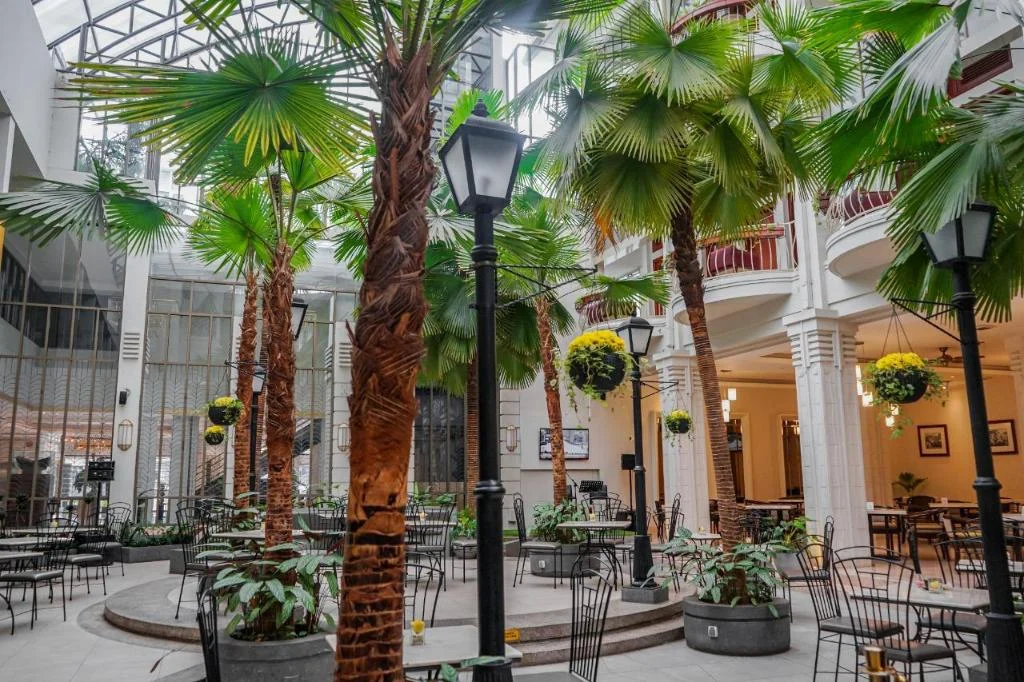
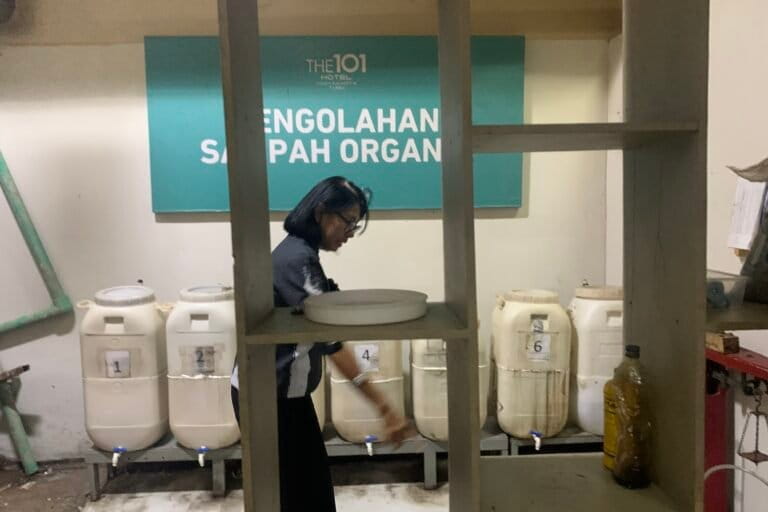
The hotel’s design maximizes natural light through strategic orientation, reducing the need for artificial lighting during the day. It utilizes biodegradable and low-carbon construction materials and avoids wasteful centralized air conditioning in favor of high-tech, remote-controlled units for individual rooms. Vertical gardens are integrated into the architecture to provide natural cooling and oxygen, while a sophisticated water filtration system allows the hotel to recycle swimming pool water for irrigation.
Wahyu Wikan Trispratiwi, General Manager of The 101 Tugu, stated that these measures have slashed the hotel’s operational costs by more than 30%, with the most significant savings coming from the electricity bill. "The initial investment in green technology is higher, but the long-term operational savings and the appeal to eco-conscious travelers make it a sound business decision," she explained.
Industry Challenges and the Call for Incentives
The Perhimpunan Hotel dan Restoran Indonesia (PHRI) Yogyakarta acknowledges the benefits of green buildings but points to significant barriers for the average hotelier. Deddy Pranowo Eryono, Chairman of PHRI Yogyakarta, noted that the primary challenge is the high cost of initial investment, particularly for older, conventional hotels that would require extensive and expensive retrofitting to meet green standards.
"The tourism industry in Yogyakarta is currently in a recovery phase, and many owners are hesitant to commit to large-scale renovations without financial support," Eryono said. He has repeatedly urged the provincial government to provide incentives, such as tax breaks or reduced utility rates, for hotels that successfully implement energy-efficient systems. To date, these proposals have not been adopted.
The urgency for change is echoed by environmental advocacy groups. Rizky Abiyoga, Advocacy Coordinator for Walhi Yogyakarta, argued that the current reliance on fossil-fuel-based electricity from the Java-Bali grid creates a massive carbon footprint for the city’s tourism sector. He suggested that Yogyakarta must begin producing its own renewable energy, specifically through the widespread installation of rooftop solar panels (PLTS) on hotels.
"If even a fraction of the 2,000+ hotels in Yogyakarta committed to solar energy and green building standards, the impact on carbon emissions would be monumental," Abiyoga said. He emphasized that in an era of climate crisis, energy efficiency should not be an optional ‘extra’ but a mandatory requirement for any new development.
Conclusion: A Pivot Toward Sustainable Tourism
The situation in Yogyakarta serves as a microcosm of the broader challenges facing Indonesia’s urban centers. As tourism continues to drive economic growth, the environmental cost of that growth can no longer be ignored. The 927% increase in renewable energy capacity recorded by the DPUP-ESDM between 2019 and 2025—rising from 0.608 MW to 6.247 MW—shows that there is momentum, particularly in the business sector which contributes 50% of this growth.
However, without specific regional regulations, increased technical expertise, and a robust system of incentives and penalties, the transition to a truly green hospitality sector will remain slow. For Yogyakarta to preserve its status as a "Special Region" and a premier destination, it must reconcile its architectural ambitions with the ecological realities of the 21st century. The path forward requires a bold policy shift that places energy efficiency at the heart of urban development, ensuring that the province’s hotels are as sustainable as they are welcoming.