Lusiana Hamidun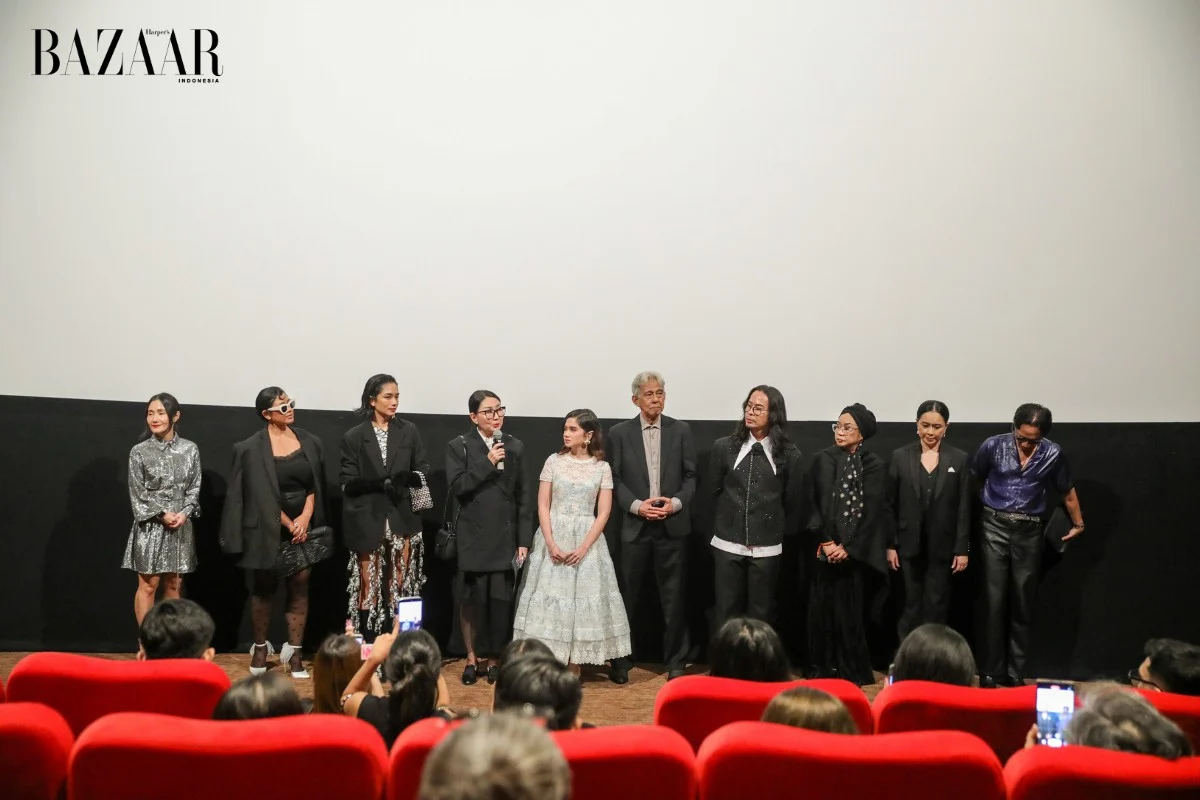
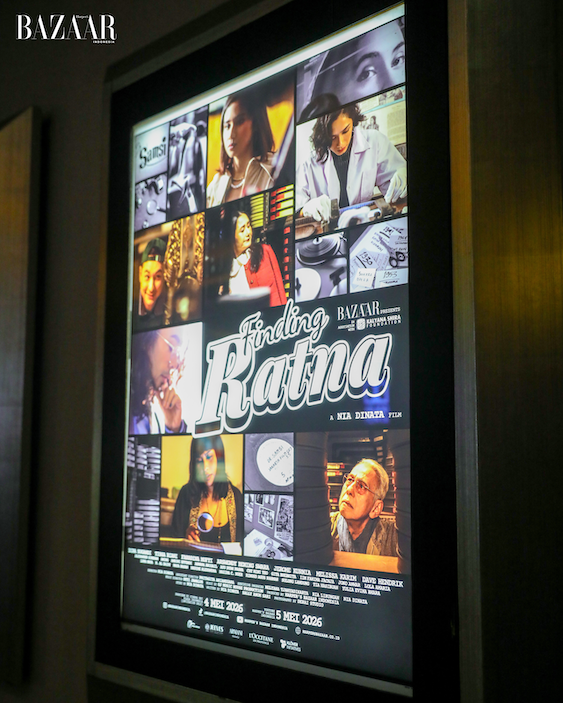
Harper’s Bazaar Indonesia continues its commitment to celebrating and exploring the evolving landscape of Indonesian cinema with its second annual major project, a deeply meaningful and cinematic experience. This year, the renowned publication presents "Finding Ratna," a short film that delves into the personal and historical quest to uncover the cinematic works of Ratna Asmara, recognized as Indonesia’s first female director. The project, a collaboration between Nia Dinata and Melyana Tjahyadikarta, serves as a poignant reflection on the ease with which history can be forgotten and the powerful potential for its revival through fresh perspectives. "Finding Ratna" opens a vital dialogue on the contributions of women in cinema and highlights the significance of marginalized voices in shaping contemporary narratives.
Unearthing a Forgotten Pioneer: The Genesis of "Finding Ratna"
The genesis of "Finding Ratna" lies in a desire to illuminate a critical, yet often overlooked, chapter in Indonesian film history. Ratna Asmara, a pioneering figure who began her directorial career in the 1940s, left behind a significant body of work that has, over time, become increasingly difficult to access and study. The film’s narrative follows the journey undertaken by Nia Dinata and Melyana Tjahyadikarta as they navigate the challenges of archival research, piecing together fragments of Asmara’s legacy. This endeavor is not merely an academic pursuit; it is an act of reclamation, aiming to bring Asmara’s artistic vision and directorial prowess back into public consciousness. The short film underscores the importance of recognizing and celebrating the foundational contributions of women in a field that has historically been dominated by male voices.
The project itself is part of a broader initiative by Harper’s Bazaar Indonesia to foster a deeper appreciation for Indonesian cinema. In its inaugural year, the publication launched a successful short film project, indicating a sustained commitment to supporting and showcasing cinematic talent and narratives. This year’s focus on Ratna Asmara is particularly resonant, given the ongoing global conversations surrounding gender equality and representation in the arts. By bringing Asmara’s story to the forefront, "Finding Ratna" not only honors a trailblazer but also inspires a new generation of filmmakers, particularly women, to pursue their creative ambitions with greater visibility and support.
A Night of Celebration and Cinematic Discourse
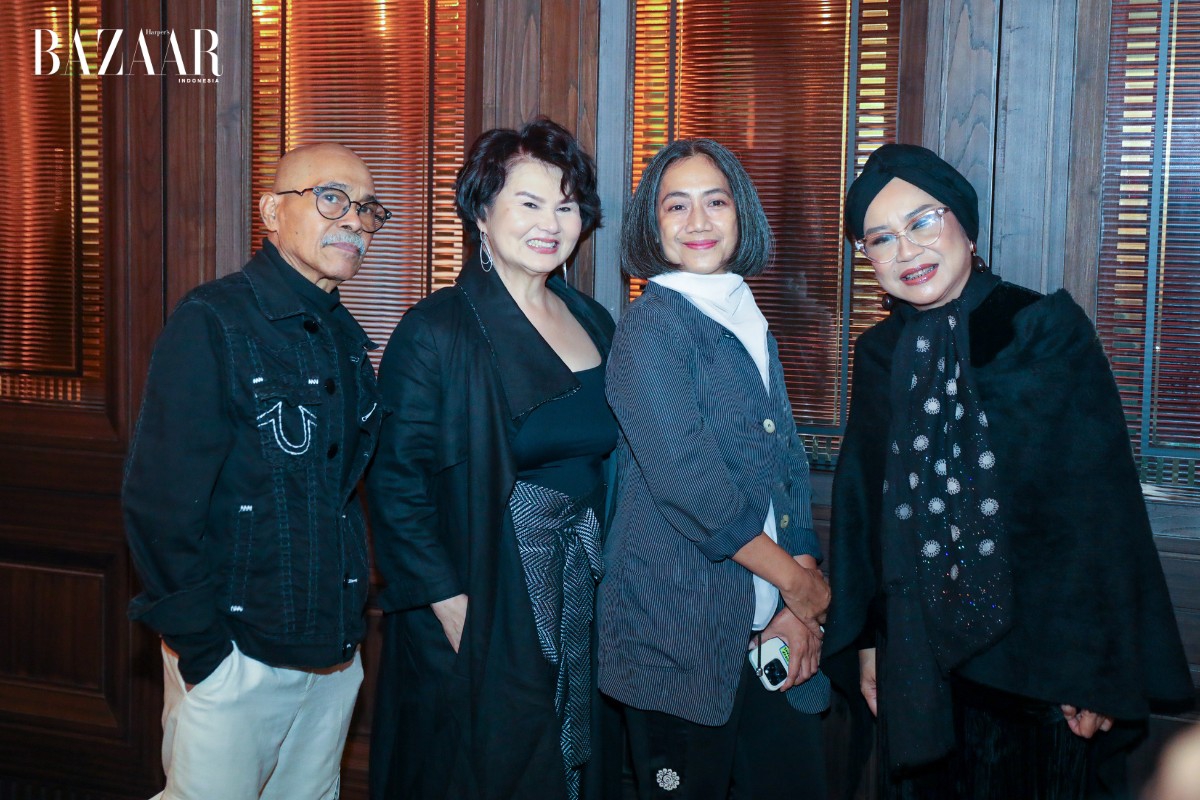
The premiere of "Finding Ratna" was a meticulously planned event, commencing with an intimate gathering at Burger & Lobster Jakarta. This initial phase provided a relaxed atmosphere for guests, comprising individuals who contributed significantly to the project’s realization, to connect and engage in conversations. The setting facilitated a sense of community, allowing for the sharing of insights and experiences related to the film’s creation and its underlying themes.
A cornerstone of this pre-screening reception was a segment of Harper’s Bazaar Indonesia’s signature talkshow series, "Brunch with Dave Hendrik." This segment offered a platform for invited guests and creatives to share their perspectives on the film, the importance of historical preservation in cinema, and the broader implications of celebrating female directorial achievements. Such dialogues are crucial for contextualizing the film within the larger discourse of Indonesian cultural heritage and gender representation. The presence of figures from various creative industries underscored the collaborative spirit that permeated the event, highlighting the interconnectedness of artistic endeavors.
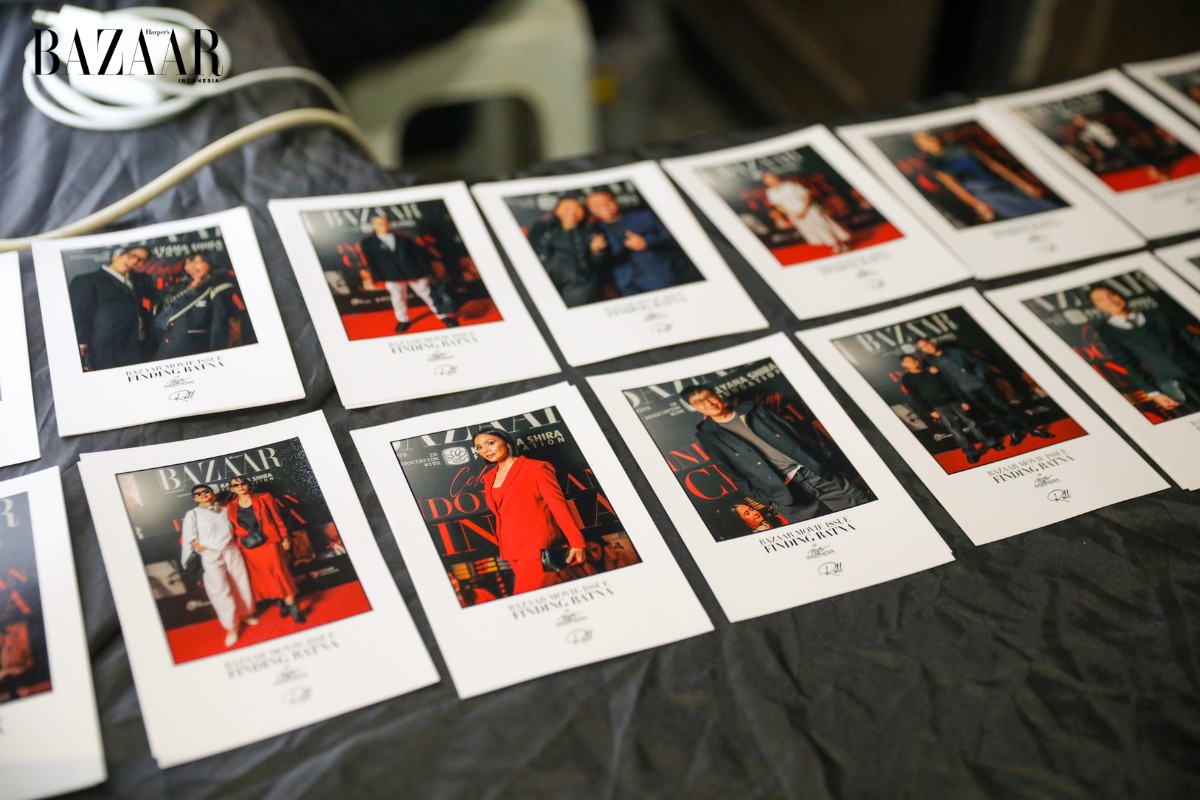
Following the convivial brunch, attendees transitioned to XXI Plaza Indonesia for the main event: the premiere screening of "Finding Ratna." The move to a cinema venue amplified the cinematic experience, transforming the evening into a formal celebration of the art form. Guests were welcomed to a red carpet, providing an opportunity for photographs and further engagement, before being ushered into the screening hall. This transition marked the crescendo of the evening, building anticipation for the film’s debut.
Honoring Voices: Speeches and the Premiere Screening
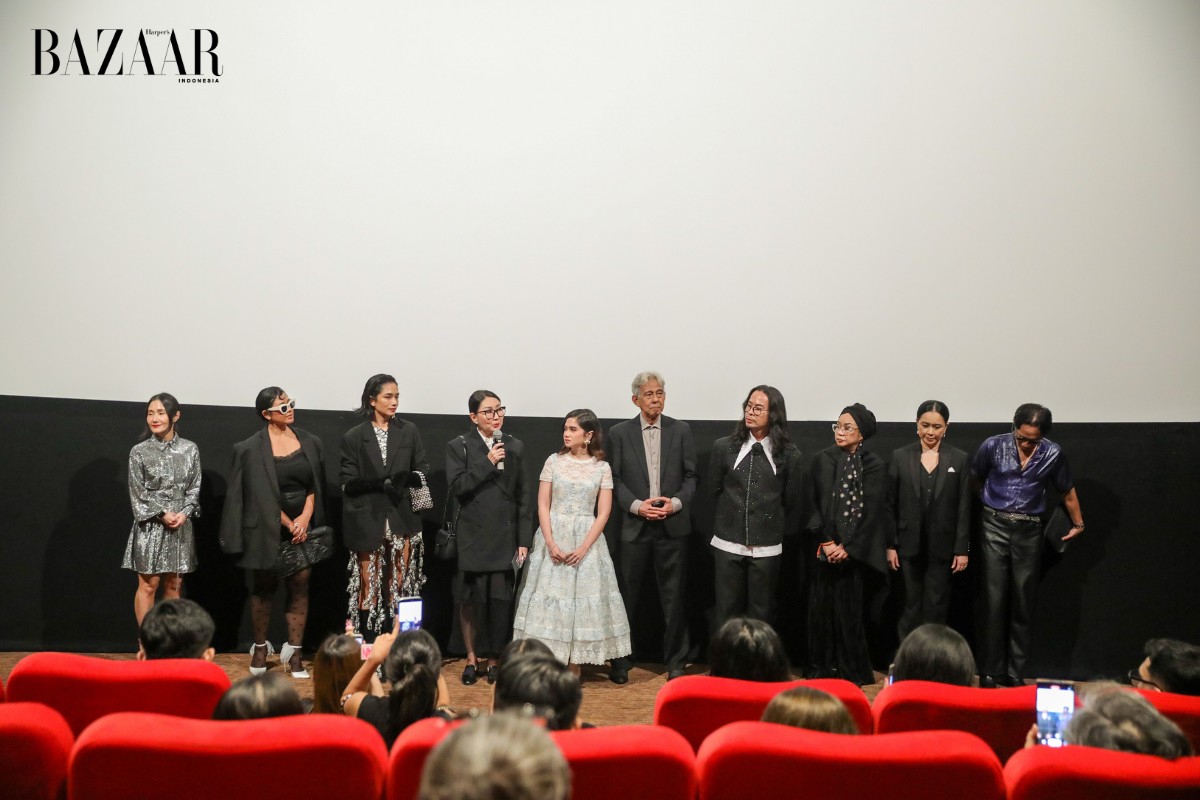
The formal proceedings at XXI Plaza Indonesia began with a series of welcoming remarks from key figures. Ria Lirungan, Nia Dinata, Melyana Tjahyadikarta, and Zamri Mamat, the Chief Marketing Officer of Plaza Indonesia, each addressed the audience. Their speeches emphasized the significance of the collaboration between Harper’s Bazaar Indonesia and Plaza Indonesia, positioning the latter as a vital venue for the presentation of creative works. Zamri Mamat’s address, in particular, highlighted the ongoing partnership as a commitment to fostering a vibrant creative ecosystem.
The core of the evening was the premiere screening of "Finding Ratna." The film’s narrative, centered on the search for Ratna Asmara’s early directorial efforts, resonated deeply with the audience. The screening was not merely a viewing of a film; it was an immersive experience designed to evoke reflection on historical erasure and the power of rediscovery. The film’s impact was amplified by its star-studded cast, which included Dira Sugandi, Faradina Mufti, Tissa Biani, Arswendy Bening Swara, Jerome Kurnia, Melissa Karim, and Dave Hendrik. The inclusion of special cameos from prominent figures within the creative industry further cemented the film’s status as a collective celebration of female voices and talent in Indonesia.
Beyond the Screen: Analysis and Broader Implications
The premiere of "Finding Ratna" extended beyond the screening of the short film itself. Following the debut of Dinata’s work, attendees were treated to a screening of the classic film "The Devil Wears Prada." This juxtaposition of a historical documentary-style short with a widely recognized cinematic work created an interesting dialogue about narrative, influence, and the evolution of filmmaking. While "Finding Ratna" seeks to unearth and re-contextualize past achievements, "The Devil Wears Prada" represents a more contemporary, yet enduring, cultural touchstone in cinematic storytelling.
The event served as a powerful reminder of the enduring impact of individual contributions to the arts and the importance of actively engaging with and preserving cultural heritage. The narrative arc of "Finding Ratna" directly addresses the precariousness of historical records, particularly concerning marginalized figures. The film’s existence and premiere are testament to the proactive efforts required to combat historical amnesia. By shedding light on Ratna Asmara, the project underscores that the progress made by women today is built upon the often-unacknowledged foundations laid by pioneers. Each step taken by contemporary female artists and filmmakers is made possible by the courage and vision of those who came before them, carving out spaces, expanding possibilities, and ensuring that powerful stories find their rightful place in the future.
The film’s availability on the Harper’s Bazaar Indonesia YouTube channel extends its reach beyond the premiere event, allowing a wider audience to engage with this significant piece of cinematic history and reflection. This digital accessibility is crucial for democratizing access to cultural content and ensuring that the legacy of figures like Ratna Asmara continues to inspire and educate.

Supporting Data and Contextual Information
The historical context of Ratna Asmara’s directorial debut is significant. While precise filmographies can be challenging to compile due to the passage of time and the nature of archival records from the mid-20th century, it is widely accepted that Asmara was active in directing films from the late 1940s. Her work often touched upon social themes and explored the lives of Indonesian women during a period of significant national transition. Her contributions, though substantial, have been historically overshadowed by male contemporaries, a common trend in many film industries worldwide.
The Indonesian film industry has a rich history, with its early roots in the Dutch colonial era. However, the post-independence period saw a surge in nationalistic cinema, and the subsequent decades have witnessed periods of both boom and decline. Efforts to document and celebrate the contributions of all filmmakers, regardless of gender, have gained momentum in recent years, reflecting a broader societal shift towards inclusivity and historical accuracy.
The collaboration between Harper’s Bazaar Indonesia and Plaza Indonesia signifies a growing trend of cross-sector partnerships in supporting the arts. Media outlets and cultural institutions are increasingly joining forces to amplify artistic voices and create platforms for dialogue and dissemination. Plaza Indonesia, as a prominent cultural and commercial hub, provides a strategic venue for such events, connecting creative projects with a broad public audience.

Analysis of Impact and Future Outlook
The "Finding Ratna" project and its premiere event carry significant implications for the Indonesian film landscape. Firstly, it serves as a powerful case study in historical reclamation and the importance of foregrounding underrepresented narratives. By investing in such a project, Harper’s Bazaar Indonesia demonstrates a commitment to cultural stewardship beyond fashion and lifestyle reporting.
Secondly, the film’s focus on a female director’s early work directly contributes to the ongoing discourse on gender representation in Indonesian cinema. The Indonesian film industry, like many globally, has been grappling with issues of gender parity in directing, screenwriting, and other key creative roles. "Finding Ratna" not only celebrates a historical figure but also implicitly advocates for greater support and visibility for contemporary female filmmakers.
The success of this initiative, now in its second year, suggests a sustainable model for Harper’s Bazaar Indonesia to continue its engagement with the arts. The organization’s ability to attract notable talent and collaborate with influential institutions like Plaza Indonesia indicates a strong capacity for impactful cultural programming.
The broader implication is that such projects can inspire further research, archival efforts, and the creation of new works that engage with Indonesia’s cinematic past. The availability of "Finding Ratna" online ensures that its educational and inspirational value is accessible to a global audience, potentially sparking interest in Indonesian film history among international scholars and cinephiles.
Looking ahead, the continued efforts of publications like Harper’s Bazaar Indonesia, in partnership with cultural institutions and filmmakers, are crucial for building a more inclusive, representative, and historically informed Indonesian cinematic narrative. The journey to fully understand and celebrate the entirety of Indonesian film heritage is ongoing, and projects like "Finding Ratna" are vital steps in that direction.
Conclusion
Harper’s Bazaar Indonesia’s "Finding Ratna" project stands as a significant contribution to the cultural discourse surrounding Indonesian cinema. Through a compelling short film and a thoughtfully curated premiere event, the publication has successfully illuminated the legacy of Ratna Asmara, Indonesia’s first female director, and underscored the critical importance of preserving and celebrating diverse voices in filmmaking. The initiative not only honors a forgotten pioneer but also inspires a contemporary dialogue on gender equality and representation within the arts, reinforcing the idea that acknowledging the past is essential for shaping a more inclusive and vibrant future for Indonesian cinema. The film’s accessibility on YouTube ensures that its message and historical significance will continue to resonate with audiences worldwide.