
 Lina Irawan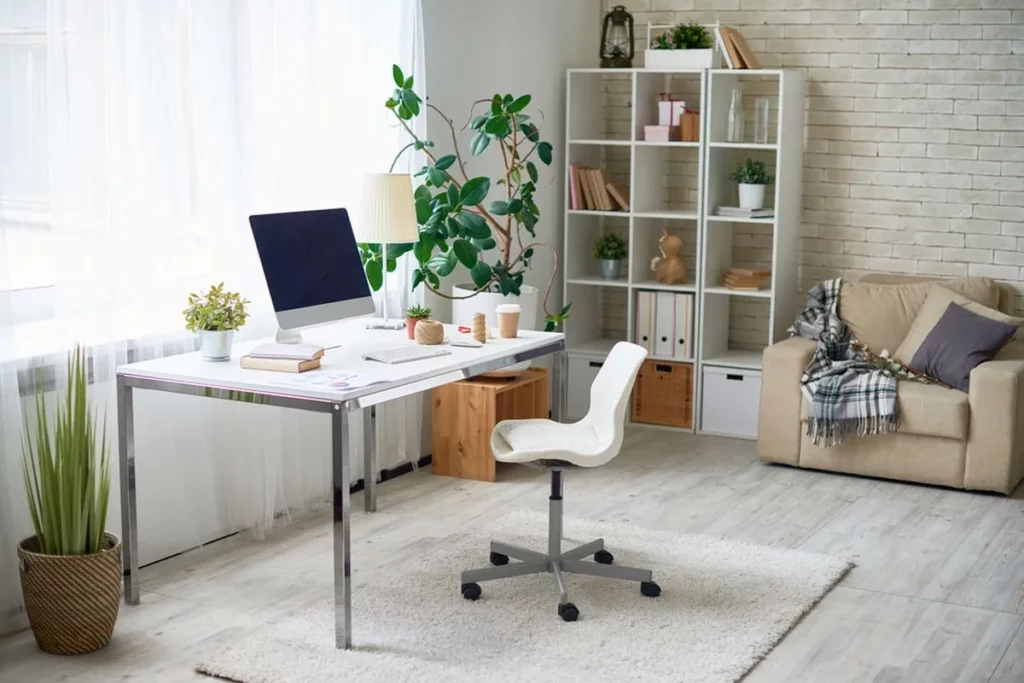
The enduring legacy of the global pandemic, which initially normalized remote work, continues to shape professional environments, demonstrating that productivity can be maintained, and even enhanced, outside traditional office settings. As of 2026, this paradigm shift is not merely a transient trend but a firmly established fixture in the global workforce, driving significant innovation in the design of home workspaces. The contemporary focus extends beyond mere aesthetics, deeply integrating principles of ergonomics, productivity enhancement, and a profound connection to nature. According to leading interior design practitioners and industry analysts, an optimal home office environment is fundamentally characterized by abundant natural light, ergonomically superior furniture such as chairs and desks, and a layout meticulously crafted to foster comfort and efficiency.
The Economic and Social Shift to Remote Work: A Historical Context
The dramatic pivot to remote work in the early 2020s, necessitated by global health crises, served as an unprecedented real-world experiment. What began as a temporary measure swiftly evolved into a viable, often preferred, mode of operation for millions worldwide. Initial setups were frequently makeshift, utilizing dining tables, bedroom corners, or any available surface. However, as the permanence of remote and hybrid models became evident, a critical need emerged for dedicated, functional, and health-conscious home office spaces. Data from various labor organizations and economic think tanks indicate that by late 2023, approximately 30-40% of the global workforce continued to operate under remote or hybrid arrangements, a figure projected to remain stable or even increase slightly through 2026. This sustained demand has spurred a specialized segment within the interior design and furniture industries, focusing specifically on optimizing the domestic workspace. The evolution from temporary solutions to thoughtfully designed home offices reflects a broader societal recognition of work-life integration and individual well-being as central tenets of modern professional life.
Designing for Peak Performance: Ergonomics, Style, and Efficiency
The current discourse in home office design prioritizes a holistic approach, where the visual appeal of a space harmonizes with its functional utility and its capacity to support the physical and mental health of the user. This article delves into the critical elements that define the 2026 home office, offering design inspirations, practical arrangement tips, and innovative solutions tailored even for the most compact living spaces, ensuring a comfortable and highly productive remote work experience.
The Indispensable Role of Ergonomics and Health

A well-designed workspace is paramount not only for productivity but, critically, for long-term health. Prolonged periods of sitting or working in suboptimal postures can lead to a range of musculoskeletal disorders, including chronic back pain, neck strain, and eye fatigue. Ergonomics, the science of designing and arranging workplaces so that people and things interact most efficiently and safely, is therefore non-negotiable.
Key ergonomic principles for the 2026 home office include:
- Adjustable Seating: The cornerstone of an ergonomic setup is a high-quality office chair with adjustable height, lumbar support, armrests, and tilt mechanisms. The chair should allow the user’s feet to rest flat on the floor (or a footrest), with knees at a 90-degree angle and elbows comfortably supported while typing.
- Standing Desks: Height-adjustable desks, whether manual or electric, are gaining immense popularity. These allow users to alternate between sitting and standing throughout the day, mitigating the risks associated with sedentary behavior. Studies have shown that alternating postures can improve circulation, reduce fatigue, and increase concentration.
- Monitor Placement: The monitor should be positioned at arm’s length, with the top of the screen at or slightly below eye level. This prevents neck strain and promotes a neutral head position. Dual monitor setups are common for enhanced productivity, requiring careful alignment.
- Keyboard and Mouse: Ergonomic keyboards and mice are designed to minimize wrist strain. They should be positioned close to the body, allowing the shoulders to remain relaxed. Wrist rests can offer additional support but should not be used constantly.
- Lighting for Eye Comfort: Proper lighting reduces eye strain. A combination of ambient light and task lighting (e.g., a desk lamp) is ideal. The monitor’s brightness should match the ambient light in the room, and glare from windows or overhead lights should be minimized.
- Regular Movement and Breaks: Beyond furniture, ergonomic principles extend to work habits. Incorporating short breaks for stretching, walking, or simply looking away from the screen every 30-60 minutes is crucial for physical and mental well-being.
"The investment in ergonomic furniture is not an expense, but an investment in one’s health and long-term productivity," states Dr. Anya Sharma, a specialist in occupational health and ergonomics. "We’re seeing a significant reduction in work-related injuries and complaints among remote workers who prioritize ergonomic setups."
Optimizing Space: From Nooks to Mezzanines
The reality for many remote workers is the absence of a dedicated spare room. This constraint has fueled creativity in design, emphasizing the intelligent utilization of every available square foot. For apartment dwellers or those in smaller homes, transforming overlooked corners into highly productive workstations has become a fundamental design challenge and opportunity. Design experts emphasize that even the most compact spaces can be optimized for functionality and comfort.
Innovative space-saving solutions include:
- Closet Offices (Cl-offices): Converting an unused closet into a compact workspace is a popular solution. This involves removing the doors, installing shelves, a compact desk surface, and adequate lighting. When not in use, the space can be concealed with a curtain or bifold doors, allowing for a clear separation between work and personal life.
- Nook Workstations: Awkward architectural nooks or alcoves can be perfectly suited for a built-in desk and shelving. Custom cabinetry ensures a seamless fit, maximizing storage and minimizing visual clutter. This approach makes the workspace feel like an integral part of the home’s architecture rather than an afterthought.
- Mezzanine Level Desks: For homes with high ceilings, a mezzanine level offers an excellent opportunity to create a secluded, elevated workspace without sacrificing floor area. This can be a more involved architectural project but provides a true sense of a separate office.
- Under-Stair Offices: The space beneath a staircase, often overlooked, can be transformed into a functional desk area with custom shelving and drawers. This creative use of vertical space is particularly effective in compact multi-story homes.
- Fold-Out or Wall-Mounted Desks: These disappearing desks are ideal for multi-functional rooms. They can be folded away when not in use, instantly reclaiming the space for other activities. Many designs incorporate shelving for stationery and laptops.
"The modern home office is less about having a grand dedicated room and more about smart integration," comments Maya Chandra, a renowned interior designer specializing in urban living. "Our clients are increasingly seeking ingenious solutions that blend seamlessly into their existing living arrangements, allowing for both focused work and effortless transition back to relaxation."

Inspiration: Diverse Design Styles for Every Personality
A recent survey among interior designers highlighted several popular home office aesthetics for 2026, reflecting a desire for personalization and a rejection of monotonous corporate aesthetics. The key is to select a style that resonates with individual personality and work requirements, or even to blend elements from different styles.
-
Biophilic & Nature-Inspired: This style is predicated on integrating natural elements to enhance well-being and productivity. It extensively uses natural materials such as solid wood, stone, and rattan. Large windows are maximized to invite natural light and provide views of greenery, fostering a sense of calm and reducing eye strain. Furnishings include solid wood desks, various potted plants (e.g., snake plants, ZZ plants, monsteras), and decorative elements like pebbles or small water features. Aromatic diffusers with essential oils like citrus for energy or peppermint for concentration further enhance the sensory experience, mimicking the restorative qualities of the outdoors. Research indicates that biophilic design can reduce stress, improve cognitive function, and enhance mood.
-
Modern Minimalist: Characterized by clean lines, uncluttered surfaces, and a predominantly neutral color palette (whites, grays, beiges). This style promotes visual tranquility, minimizing distractions and encouraging focus. Key features include sleek, often metallic-legged desks, floating shelves for essential items, and integrated LED strip lighting that provides a uniform, glare-free illumination. Storage is discreet, often built-in or hidden, to maintain the streamlined aesthetic. This design is favored by professionals who value clarity, order, and an environment conducive to deep work.
-
Artistic & Expressive: Tailored for creatives and those who draw energy from vibrant surroundings. This style embraces personal expression through art, color, and unique objects. Walls might feature favorite paintings, motivational posters, or a gallery wall. Furniture can be eclectic, with a bright, ergonomically designed chair serving as a focal point. Open shelving displays art supplies, books, or quirky collectibles. While visually stimulating, the design maintains ergonomic integrity, ensuring comfort despite the vibrant decor. "Creativity flourishes in spaces that inspire," says art director Liam Chen, whose home office features a rotating display of contemporary art.
-
Classic & Elegant: This style exudes timeless sophistication, often reminiscent of traditional libraries or executive offices. It features rich, dark wood furniture, such as a substantial solid wood desk and a luxurious leather ergonomic chair. Soft lighting from fabric-shaded desk lamps and warm ambient lighting creates an inviting atmosphere. Persian rugs or other classic textiles add warmth and a touch of luxury. This design is ideal for professionals who appreciate a distinguished aesthetic and often integrate their workspace with a personal library.
-
Multifunctional & Adaptable: A pragmatic approach for smaller homes, where the workspace must seamlessly transition or share space with other functions, such as a living room or a child’s bedroom. This style relies heavily on modular and convertible furniture. Examples include fold-down desks, chairs that can be easily stowed away, and sofa beds that transform a work zone into a guest area. Vertical storage solutions, like wall-mounted cabinets or tall, slim bookcases, are crucial for organizing documents and supplies without encroaching on floor space. The emphasis is on flexibility and efficiency, allowing the room to serve multiple purposes throughout the day.

-
Industrial Chic: Drawing inspiration from urban lofts and factories, this style incorporates raw materials like exposed brick, concrete, metal, and reclaimed wood. Walls might be left unfinished or painted in muted grays. Industrial pendant lights or track lighting add character. To balance the starkness, ergonomic seating and an abundance of green plants are integrated to introduce softness and comfort. This style appeals to those who appreciate a rugged, utilitarian aesthetic combined with modern functionality.
-
Resort & Relaxation: Inspired by tranquil spa environments, this concept aims to create a calming and luxurious workspace. It utilizes soft pastel color palettes, plush ergonomic chairs, and soft, tactile carpets. Aromatherapy diffusers with calming scents like lavender or eucalyptus contribute to a relaxed atmosphere. A vision board or a large whiteboard can be incorporated for creative brainstorming. This style is designed for individuals who seek a serene, almost meditative, environment to foster focused work and reduce stress.
The Psychology of Space: Lighting and Color for Peak Productivity
Extensive research in environmental psychology confirms the profound impact of lighting and color on human mood, concentration, and overall productivity. Strategic application of these elements is crucial for designing an effective home office.
-
Color Palette:
- Light Neutrals (White, Cream, Pastel): These colors make a room feel more expansive, brighter, and cleaner. They are excellent for creating a base that can be accented with other colors.
- Cool Tones (Blue, Light Green): Known for their calming effects, these colors can reduce anxiety and improve focus. Light blues are often associated with productivity and stability, while greens evoke nature and promote a sense of balance.
- Warm Accents (Yellow, Orange): Used sparingly as accents, these colors can inject energy and creativity. Yellow is associated with optimism and intellectual activity, while orange can stimulate enthusiasm. However, excessive use can be overstimulating.
- Muted Tones: Increasingly popular, muted and earthy tones create a sophisticated, grounded atmosphere that can be very conducive to sustained concentration.
-
Lighting Strategy:
- Natural Light: This is the gold standard. Positioning the desk near a window provides vital daylight, which regulates circadian rhythms, boosts mood, and reduces eye strain. To manage glare and heat, sheer curtains or adjustable blinds are essential, allowing light to filter in without causing discomfort. If direct window access is limited, strategic placement of mirrors can help bounce natural light deeper into the room.
- General Ambient Lighting: This provides overall illumination for the room. Overhead fixtures, such as flush mounts or recessed lighting, should provide even, non-glaring light. The intensity should be sufficient to prevent harsh shadows.
- Task Lighting: A dedicated desk lamp is critical for focused work. It should be adjustable, providing direct illumination onto the workspace without creating glare on the screen. Lamps with adjustable color temperature are highly beneficial, allowing users to switch between cool, bright light for focus and warmer, softer light for relaxation or late-night work, which helps maintain natural sleep cycles.
- LED Strip Lighting: For areas lacking natural light or to enhance aesthetic appeal, LED strips under shelves or cabinets can provide even, subtle illumination, reducing dark spots and making the space feel more inviting.
- Circadian Lighting: For night workers or those with limited natural light, smart lighting systems that mimic natural daylight cycles can be invaluable, gradually shifting color temperature and intensity throughout the day to support biological rhythms.
"The right lighting can be a game-changer for productivity and mood," explains Sarah Jenkins, a lighting design consultant. "It’s about layering light – natural, ambient, and task – to create a dynamic environment that supports various activities and times of day."

Smart Storage and Multifunctional Furnishings
A clutter-free workspace is a productive workspace. Effective organization is paramount to maintaining mental clarity and ensuring that essential tools are always within reach.
- Vertical Storage: Maximizing vertical space is a key strategy, especially in smaller rooms. Tall bookshelves, wall-mounted shelving units, and pegboards for hanging stationery, tools, or cables are highly effective. These solutions keep the desktop clear while providing ample storage.
- Closed Cabinets and Drawers: For sensitive documents, personal items, or to simply hide visual clutter, closed storage is essential. Desks with integrated drawers or standalone filing cabinets help maintain a clean and professional appearance. For households with children, lockable storage ensures important items are kept safe and out of reach.
- Multifunctional Furniture: The integration of furniture that serves more than one purpose is a hallmark of efficient home office design. A sofa bed can provide a comfortable spot for short breaks or transform the office into a guest room. Storage ottomans or chairs with integrated drawers offer hidden storage while providing additional seating. These pieces are often designed to be easily folded, moved, or reconfigured, allowing the space to adapt dynamically to changing needs.
- Cable Management: Untidy cables are a significant source of visual clutter and can be a safety hazard. Solutions like cable trays, cable sleeves, and wireless charging pads are essential for maintaining a clean and organized setup.
Practical Strategies for Sustained Productivity at Home
Beyond the physical design, cultivating effective habits is crucial for long-term productivity and well-being in a home office environment.
- Establish a Routine: Mimic the structure of a traditional workday. Start at a consistent time, schedule breaks, and define a clear end to your workday. This helps create boundaries between work and personal life.
- Set Clear Boundaries: Communicate your work hours to family members and housemates. Using a "Do Not Disturb" sign or a clear visual cue can help signal when you need uninterrupted focus.
- Regular Breaks and Movement: Integrate short, active breaks every hour. Stand up, stretch, walk around, or perform a quick chore. This prevents physical stiffness and mental fatigue.
- Stay Connected (Professionally): Actively participate in virtual meetings, team chats, and professional development opportunities. Maintaining a sense of connection with colleagues can combat feelings of isolation.
- Digital Detox: Schedule periods away from screens. Engage in hobbies, read a physical book, or spend time outdoors. This helps refresh your mind and reduces digital fatigue.
- Personalize Your Space: Incorporate elements that bring you joy or inspiration, such as family photos, artwork, or meaningful trinkets. A personalized space fosters a sense of ownership and comfort.
- Prioritize Self-Care: Ensure adequate sleep, a healthy diet, and regular exercise. A healthy body and mind are foundational to sustained productivity.
- Leverage Technology Wisely: Utilize productivity apps, noise-canceling headphones, and reliable internet connectivity to streamline your workflow and minimize distractions.
- Maintain Organization: Regularly declutter your workspace. A tidy environment contributes to a tidy mind and reduces stress.
- Reflect and Adapt: Periodically assess what works and what doesn’t in your home office setup and routine. Be willing to make adjustments to optimize your environment and habits.
Broader Implications and Future Outlook
The pervasive nature of remote and hybrid work models has far-reaching implications across various sectors. The real estate market, for instance, has seen a surge in demand for homes with dedicated office spaces or the potential to create them. Urban planning might increasingly focus on mixed-use developments that integrate residential, commercial, and green spaces, catering to a workforce that no longer commutes daily to central business districts. The furniture industry is continuously innovating, with a greater emphasis on modular, ergonomic, and sustainable designs. Materials like recycled plastics, bamboo, and certified sustainable wood are becoming standard offerings.
Furthermore, the emphasis on well-being in home office design reflects a growing understanding of mental health in the workplace. Companies are recognizing that supporting employees in creating effective home environments is crucial for retaining talent and preventing burnout. The future home office is likely to evolve further with advancements in smart home technology, offering even more personalized and adaptive environments through AI-powered climate control, lighting, and soundscapes.

Conclusion
The home office design landscape for 2026 offers a rich tapestry of options, meticulously crafted to align with diverse lifestyles and professional demands. The overarching principle remains the harmonious integration of ergonomics, ample natural lighting, and a distinct personal touch. Whether one gravitates towards the serene simplicity of minimalism, the rugged charm of industrial aesthetics, or the tranquil luxury of a resort-inspired retreat, the fundamental truth holds: peak productivity stems from an environment of profound comfort and thoughtful design. Through judicious planning and execution, the home office transcends its functional utility to become a cherished sanctuary for creativity, innovation, and impactful work.








