Azin Asro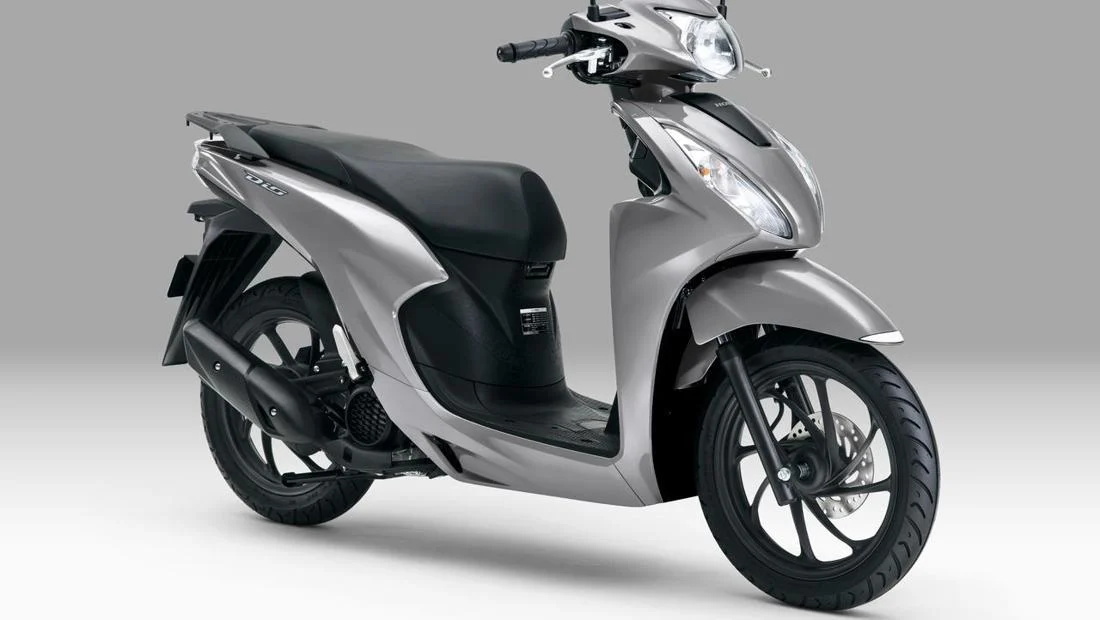
Honda Motor Co., Ltd. has officially announced the latest iteration of its long-standing urban commuter, the Honda Dio 110, specifically tailored for the Japanese domestic market. Scheduled for a commercial release on May 21, 2026, this updated model reinforces Honda’s commitment to providing practical, high-efficiency transportation solutions for city dwellers, students, and professional commuters. The 2026 Dio 110 arrives with a primary focus on aesthetic refinement and the maintenance of its class-leading fuel economy, ensuring it remains a competitive force in the entry-level scooter segment.
The Honda Dio 110 has historically occupied a vital niche in the Japanese "Gento 2" category (motorcycles between 51cc and 125cc). This segment is favored for its balance of ease of use, lower insurance premiums compared to larger motorcycles, and the ability to carry passengers—a feature not permitted on 50cc mopeds in Japan. The 2026 update seeks to capitalize on these strengths while introducing a more sophisticated color palette and maintaining the mechanical reliability that has become synonymous with the Honda brand.
Design Philosophy and Aesthetic Enhancements
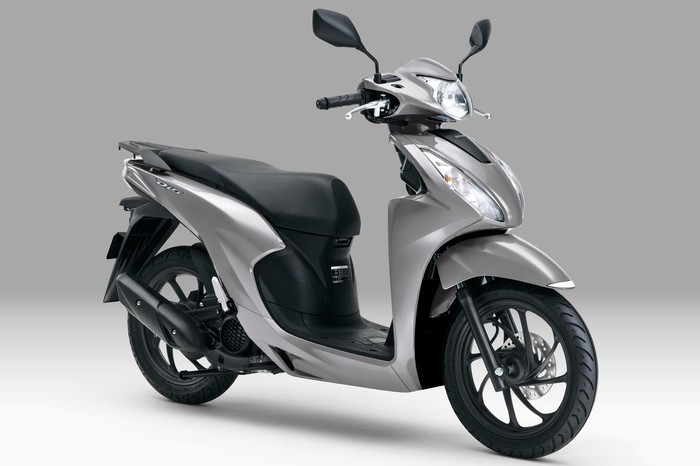
The most immediate change for the 2026 model year is the introduction of the Matt Techno Silver Metallic color scheme. This new finish is designed to project a more premium, modern, and industrial aesthetic, moving away from the purely utilitarian looks of previous generations. By utilizing a matte finish, Honda aims to appeal to a broader demographic, including young professionals who require a vehicle that looks appropriate in a corporate environment while remaining rugged enough for daily use.
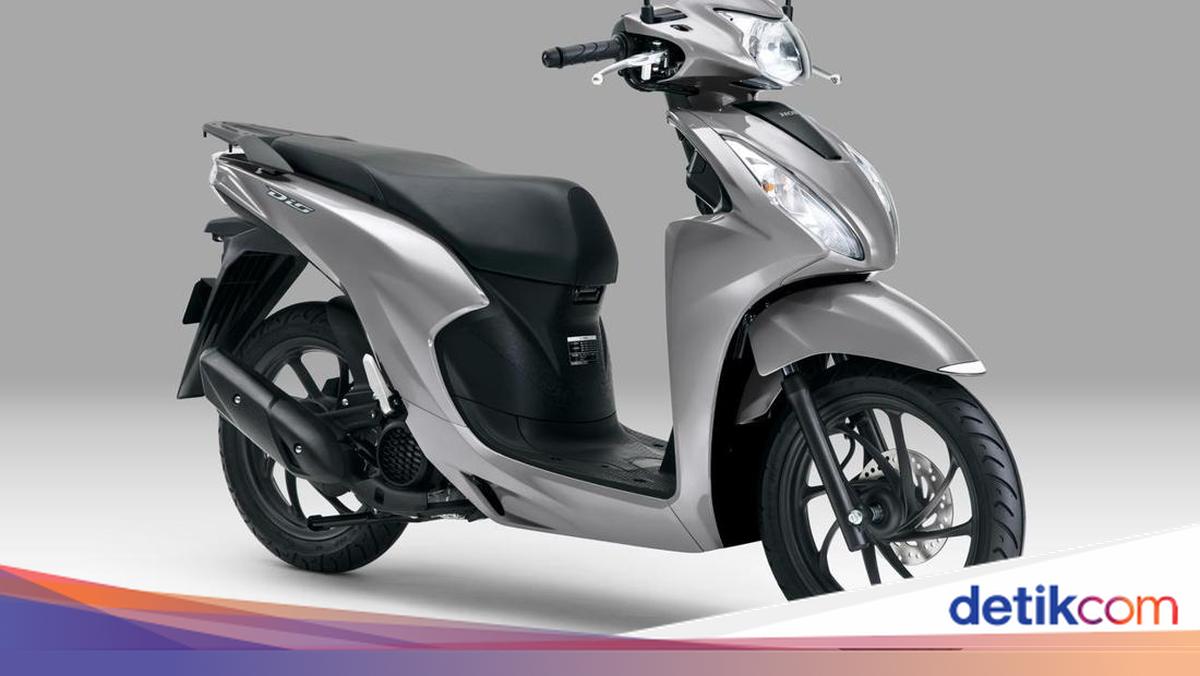
In addition to the new silver variant, Honda will continue to offer the Dio 110 in its popular Matt Galaxy Black Metallic and Pearl Snowflake White. These options provide consumers with a choice between a stealthy, understated look or a bright, high-visibility finish. Despite these visual updates, the core silhouette of the Dio remains unchanged, characterized by its slim profile and aerodynamic front fairing, which are essential for navigating through dense urban traffic and squeezing into tight parking spaces typical of Japanese metropolitan areas like Tokyo and Osaka.
Performance and Unmatched Fuel Efficiency
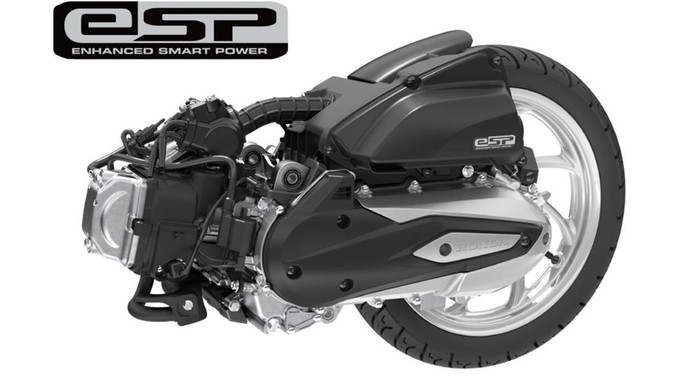
At the heart of the 2026 Honda Dio 110 is a meticulously engineered 110cc air-cooled, four-stroke, OHC single-cylinder engine. This powerplant is part of Honda’s eSP (enhanced Smart Power) family, a suite of technologies designed to reduce friction and maximize combustion efficiency. The engine utilizes an ACG starter, which ensures a quiet and smooth engine start, and is equipped with a Programmed Fuel Injection (PGM-FI) system that optimizes air-fuel ratios across various atmospheric conditions.
The standout specification for this model is its fuel efficiency. Honda claims a fuel consumption rate of 55.6 kilometers per liter (km/L) under standard testing conditions. In an era of fluctuating energy prices and increasing environmental consciousness, this level of efficiency serves as a major selling point. For the average commuter traveling 10 to 15 kilometers a day, a single tank of fuel could potentially last several weeks, significantly lowering the total cost of ownership. This efficiency is achieved through a combination of lightweight engine components, an optimized CVT (Continuously Variable Transmission), and the aerodynamic efficiency of the scooter’s bodywork.
Chassis, Suspension, and Handling Dynamics
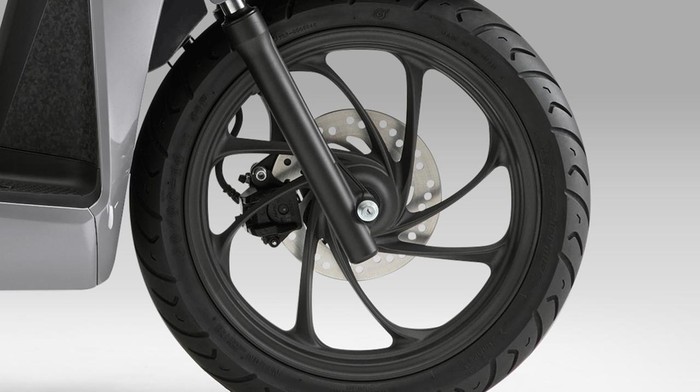
The 2026 Dio 110 is built upon a high-rigidity, lightweight frame designed to offer stable handling and a comfortable ride. One of the defining characteristics of the Dio 110 compared to other entry-level scooters is its use of 14-inch wheels. While many small scooters utilize 10-inch or 12-inch wheels for maximum agility, the 14-inch setup on the Dio provides superior stability at higher speeds and better absorption of road imperfections such as potholes and expansion joints.
The tire specifications remain consistent with the previous iteration: an 80/90-14 tire at the front and a 90/90-14 tire at the rear. This combination provides a narrow contact patch that reduces rolling resistance while maintaining enough grip for confident cornering. The braking system consists of a hydraulic disc brake at the front and a reliable drum brake at the rear. To enhance safety for less experienced riders, the Dio 110 is expected to feature Honda’s Combined Braking System (CBS), which distributes braking force to both wheels when the rear brake lever is applied, helping to stabilize the vehicle during sudden stops.
Practicality for the Modern Commuter
Practicality remains the cornerstone of the Dio 110’s design. The scooter features a spacious under-seat storage compartment capable of housing a standard full-face helmet, a feature that is often missing in sleeker, more sport-oriented models. This makes it an ideal choice for students who need to store their gear during classes or for workers who require a secure place for their belongings during the day.
The front of the scooter is equipped with a convenient inner rack and a hook for carrying small bags or groceries. The flat floorboard design is another critical ergonomic feature, allowing riders to easily mount and dismount the vehicle while providing additional space for temporary luggage. The seat height is kept at a level that allows most riders to comfortably place both feet on the ground, enhancing confidence during frequent stop-and-go city riding.
Historical Context and Market Evolution
The Honda Dio brand has a rich history that dates back to the late 1980s. Originally launched in 1988 as a 50cc two-stroke scooter, the Dio quickly became a cultural icon in Japan and various international markets due to its sporty performance and ease of customization. Over the decades, as environmental regulations tightened and consumer preferences shifted toward four-stroke reliability and fuel economy, the Dio evolved.
The transition to the 110cc displacement was a strategic move by Honda to capture the growing "commuter-deluxe" market. By moving away from the 50cc limit, Honda was able to offer a vehicle that could keep up with modern traffic flows on major arterial roads without sacrificing the lightweight nature of a scooter. The 2026 model represents the pinnacle of this evolution, stripping away unnecessary complexities to focus on the core needs of the modern rider: economy, durability, and style.
Economic Analysis and Pricing Strategy
Honda has priced the 2026 Dio 110 at 250,800 yen, which approximately translates to Rp 27.8 million (at current exchange rates). This pricing strategy positions the Dio 110 as an accessible entry point into the Honda lineup, sitting below more premium offerings like the Honda PCX or the ADV160.
In the context of the Japanese market, this price point is highly competitive. When considering the low maintenance costs, the longevity of Honda engines, and the high resale value typically associated with the Dio series, the 2026 model offers a compelling value proposition. For international markets, such as Indonesia or other Southeast Asian nations, while the Dio nameplate is well-known, the specific Japanese-spec Dio 110 serves as a benchmark for what a high-quality, small-displacement urban scooter should offer.
Environmental Impact and Future Outlook
As global automotive trends lean toward electrification, the continued development of high-efficiency internal combustion engines (ICE) like that in the Dio 110 remains crucial. Honda has stated its goals for carbon neutrality by 2050, which includes a heavy emphasis on electric motorcycles. However, for the immediate future, ultra-efficient ICE scooters provide a low-barrier-to-entry solution for reducing carbon footprints in developing urban areas where charging infrastructure may still be lagging.
The Dio 110’s 55.6 km/L rating places it among the cleanest gasoline-powered vehicles on the road. By maximizing the energy extracted from every drop of fuel, Honda is providing a bridge toward a fully electric future while meeting the practical demands of today’s consumers.
Conclusion and Market Availability
The 2026 Honda Dio 110 is a testament to the philosophy that sometimes, refinement is more valuable than radical change. By focusing on a sophisticated new color, maintaining exceptional fuel economy, and ensuring daily practicality, Honda has ensured that the Dio remains the "gold standard" for urban mobility in Japan.
Prospective buyers in Japan can expect the model to arrive in showrooms starting May 21, 2026. While primarily a Japanese domestic market (JDM) release, the innovations found in the Dio 110 often trickle down to other Honda global models, such as the Vision in Europe or the Activa and Dio variants in India and Southeast Asia. As cities continue to grow and the need for efficient, space-saving transportation becomes more acute, the Honda Dio 110 stands ready to serve as the reliable, stylish, and economical backbone of urban transit.