Azin Asro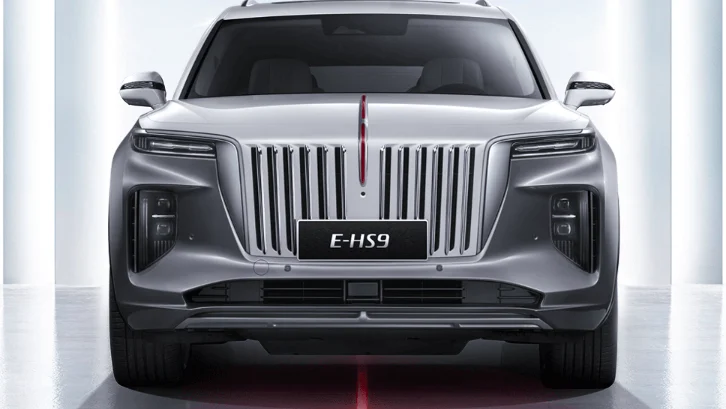
Indomobil Group, one of Indonesia’s largest automotive conglomerates, has officially confirmed its plans to introduce Hongqi, the premier luxury vehicle brand from China, to the Indonesian market. In a move that signals a significant shift in the domestic luxury automotive landscape, the group has committed to the local assembly of Hongqi vehicles, ensuring that the brand’s entry is supported by domestic manufacturing capabilities. This strategic decision comes at a time when the high-end automotive segment in Indonesia is facing various economic headwinds, yet Indomobil remains confident that the prestige and technological sophistication of Hongqi will resonate with the nation’s elite consumers.
The announcement was made by Andrew Nasuri, a member of the Board of Directors of Indomobil Group, during a press briefing in Guangzhou, China. Nasuri emphasized that while the luxury car market typically operates on lower sales volumes compared to mass-market segments, Indomobil’s existing infrastructure provides a unique advantage that makes the venture viable. By utilizing their own production facilities, the group can manage the complexities of low-volume, high-value assembly without the overhead constraints that might deter other distributors.
Strategic Manufacturing and Local Content Focus
The decision to assemble Hongqi units locally is a cornerstone of Indomobil’s strategy. According to Nasuri, the group’s manufacturing arm possesses the necessary capacity and technical expertise to handle the intricate requirements of ultra-luxury vehicle production. This "Completely Knocked Down" (CKD) approach is not merely about cost-efficiency; it is also a tactical move to align with the Indonesian government’s push for increased Tingkat Komponen Dalam Negeri (TKDN) or Local Content Requirement.
"The high-end segment does not yield massive volumes," Nasuri explained. "However, Indomobil can bring Hongqi to Indonesia because we have our own factories. We have existing operations and the capacity to assemble these vehicles locally. Even if the volume is small, we can manage it. Hongqi will be assembled in Indonesia."
Currently, Indomobil is navigating the rigorous process of homologation—the certification of a product to ensure it meets regulatory standards—and is working to optimize the TKDN percentage. This local integration is crucial for navigating Indonesia’s tax structures, which offer significant incentives for locally produced electric vehicles (EVs). By assembling in Indonesia, Indomobil can potentially offer the Hongqi line at more competitive price points within the luxury bracket while contributing to the development of the local automotive supply chain.
The Flagship Model: Hongqi E-HS9
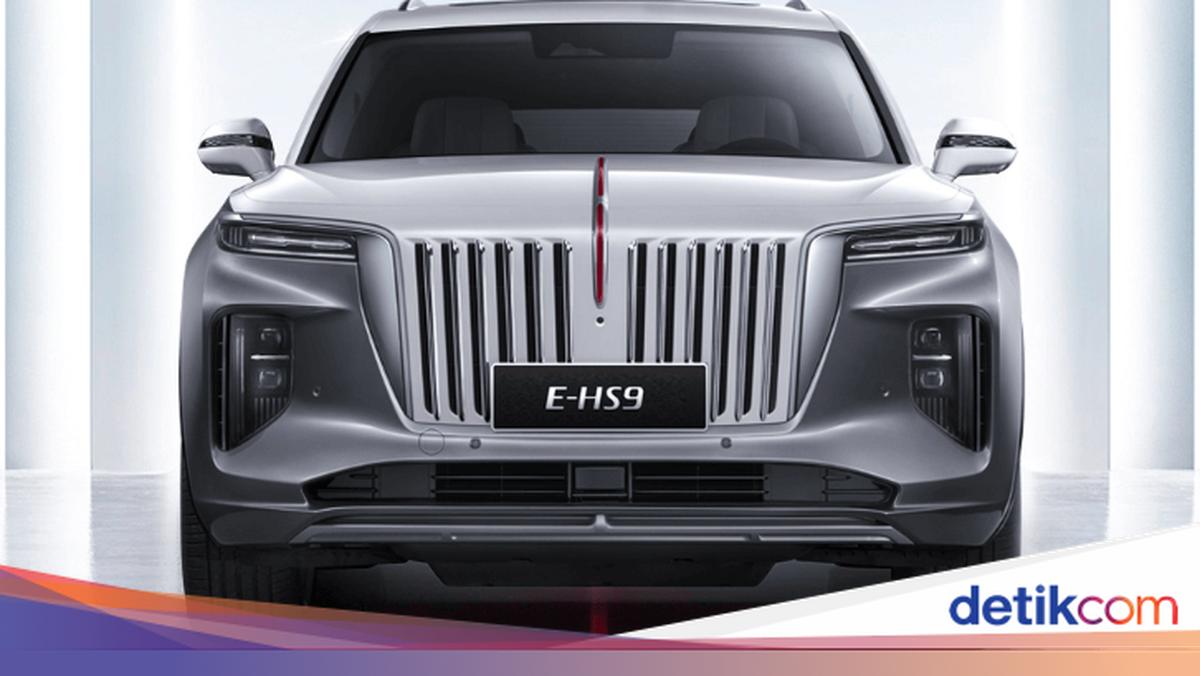
The first model slated for the Indonesian market is the Hongqi E-HS9, a full-size luxury electric SUV that has already garnered international attention for its imposing design and advanced technology. Currently, four units of the E-HS9 are already on Indonesian soil, undergoing extensive road testing to evaluate their performance in the local climate and road conditions.
The E-HS9 is often referred to as the "Chinese Rolls-Royce," a comparison bolstered by the fact that its design was overseen by Giles Taylor, the former design director for Rolls-Royce. The vehicle features a signature vertical grille and a "Red Flag" LED light strip that runs from the hood down to the center console, symbolizing the brand’s name (Hongqi translates to "Red Flag").
Technically, the E-HS9 is designed to compete with the world’s most established luxury EVs. It offers a spacious interior with 6-to-7-passenger configurations, catering to the Indonesian preference for large, multi-passenger luxury transport. The SUV is equipped with a sophisticated four-wheel-drive (4WD) system and offers two primary battery configurations: a 99 kWh pack and a high-capacity 120 kWh pack. These batteries provide a driving range of approximately 400 to 515 kilometers on a single charge, depending on the variant and driving conditions.
Timeline and Market Positioning
The roadmap for Hongqi’s official debut in Indonesia is set for July 2026. This timeline is slightly behind other regional markets such as Singapore and Hong Kong, which are expected to launch the brand in May 2026. Nasuri attributed this delay to the additional engineering required for Right-Hand Drive (RHD) conversion and the specific homologation requirements for the Indonesian market.
"Because we are a right-hand drive market, we are slightly slower than Singapore and Hong Kong," Nasuri noted. "They will launch in May 2026, and we will follow in July 2026."
In a departure from standard industry practice, Indomobil does not plan to showcase Hongqi at the Gaikindo Indonesia International Auto Show (GIIAS), the country’s largest automotive exhibition. Instead, the group will adopt a "private" marketing strategy. This exclusive approach is designed to cater to a specific niche of high-net-worth individuals, government officials, and corporate leaders who value discretion and personalized service. By focusing on private viewings and bespoke sales experiences, Indomobil aims to maintain the brand’s aura of exclusivity and prestige.
Background: The Heritage of Hongqi
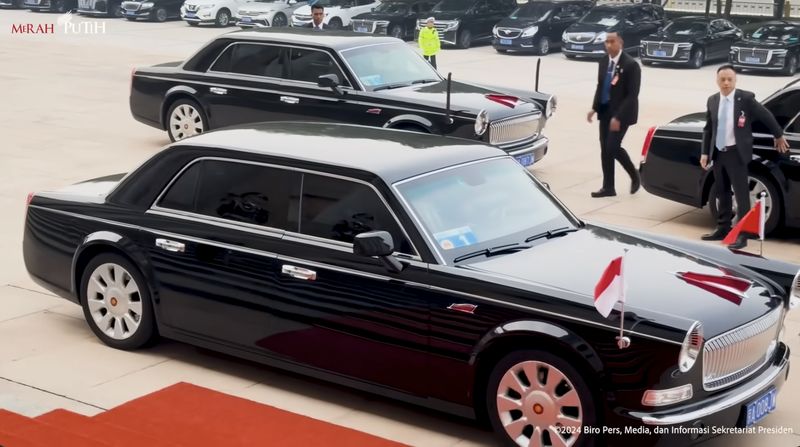
Hongqi is not just another car brand; it is a symbol of Chinese industrial pride and political history. Established in 1958 by the First Automobile Works (FAW) Group, it was originally created to produce limousines for high-ranking government officials and visiting heads of state. For decades, the brand was synonymous with the Chinese Communist Party leadership, with the iconic Hongqi CA72 and CA770 models serving as the official state cars.
In recent years, under the leadership of FAW Group, Hongqi has undergone a massive transformation. It has shifted from being a niche brand for bureaucrats to a global luxury contender. The brand’s "New Era" strategy focuses on electrification, connectivity, and intelligent driving. The E-HS9, which has been used to transport world leaders—including President Xi Jinping during his international state visits—is the pinnacle of this modernization effort. Its presence in Indonesia is expected to carry this same weight of diplomatic and corporate prestige.
Economic Context and the Indonesian EV Ecosystem
Indomobil’s commitment to Hongqi comes at a pivotal moment for Indonesia’s automotive sector. The Indonesian government has set ambitious targets to become a global hub for the electric vehicle supply chain, leveraging the country’s vast nickel reserves—a key component in EV batteries.
The entry of a high-end brand like Hongqi serves several strategic purposes:
- Industry Validation: The local assembly of an ultra-luxury EV validates Indonesia’s manufacturing quality and technical readiness to handle sophisticated automotive platforms.
- Technology Transfer: CKD assembly of advanced EVs facilitates the transfer of knowledge and technology to the Indonesian workforce.
- Market Diversification: While many Chinese brands entering Indonesia, such as Wuling and BYD, focus on the mass or mid-premium segments, Hongqi fills the "ultra-luxury" void, competing directly with established European marques like BMW, Mercedes-Benz, and Lexus.
Analysis of Market Implications
The introduction of Hongqi into the Indonesian market is likely to disrupt the traditional hierarchy of luxury automobiles. For decades, the Indonesian elite have favored European brands. However, the "New Luxury" trend—defined by high-tech features, electric powertrains, and bold designs—is opening doors for Chinese manufacturers.
The "Halo Effect" of Hongqi could also benefit other Chinese brands under the Indomobil umbrella. As consumers see a Chinese brand being used by world leaders and offering Rolls-Royce-level aesthetics, the general perception of "Made in China" automotive products is expected to elevate.
Furthermore, the decision to skip major public motor shows suggests that Indomobil is confident in its direct-to-consumer relationships. In the luxury segment, the purchase journey is often as important as the product itself. By focusing on a private sales model, Indomobil can offer a level of customization and concierge service that is difficult to replicate in a crowded exhibition hall.
Challenges and Future Outlook
Despite the optimism, the road ahead for Hongqi in Indonesia is not without challenges. The primary hurdle will be brand perception. While Hongqi is legendary in China, it is relatively unknown to the general Indonesian public. Building a brand identity that rivals the century-old heritage of European luxury brands will require consistent effort in marketing and service excellence.
Additionally, the infrastructure for ultra-fast charging must keep pace with the arrival of high-capacity EVs like the E-HS9. Owners of such vehicles will expect seamless charging experiences at home, at their offices, and at luxury destinations across the country.
As July 2026 approaches, the automotive industry will be watching closely to see how Indomobil integrates Hongqi into its portfolio. With four units already on the ground and a clear manufacturing roadmap, the "Red Flag" is poised to make a significant mark on Indonesian roads, signaling a new chapter in the nation’s journey toward electrification and industrial maturity.