Azin Asro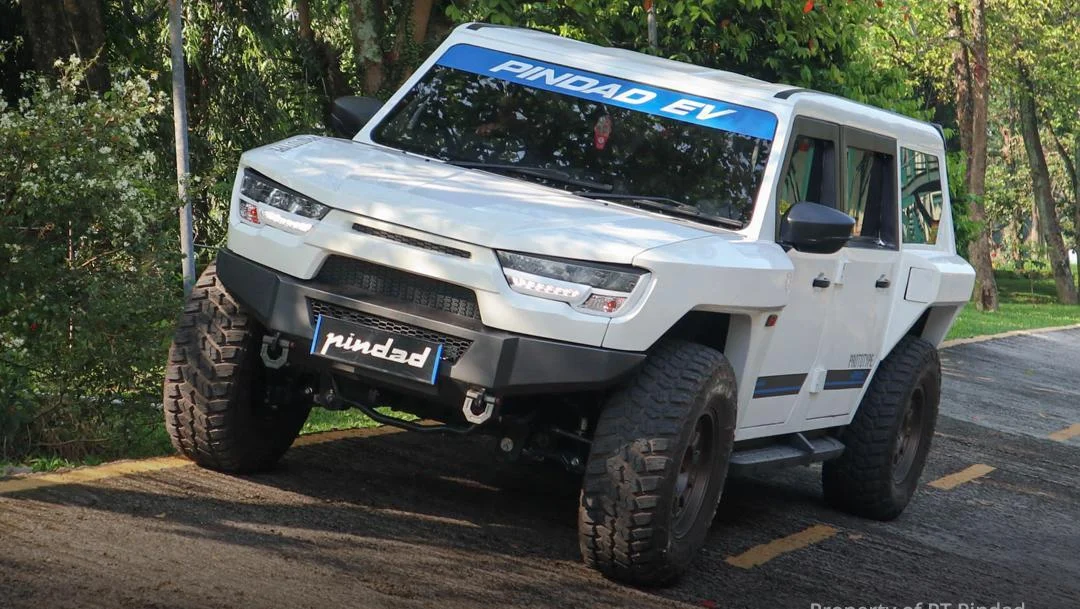
The Indonesian government has officially reignited the discourse surrounding a sovereign national automotive industry, signaling a decisive shift toward domestic manufacturing and technological independence. This initiative, spearheaded by the Ministry of State-Owned Enterprises (BUMN) and supported by direct mandates from President Prabowo Subianto, aims to transition the country from a mere assembly hub for foreign brands into a self-reliant producer of high-tech vehicles. Central to this renewed push is the integration of state-owned defense and industrial entities to create a robust ecosystem capable of mass-producing electric vehicles (EVs) by 2028. The coordination efforts have recently intensified, focusing on the synergy between the BUMN Regulatory Agency (BP BUMN), PT Pindad, and the newly established investment powerhouse, BPI Danantara, to ensure that the vision of a "Mobnas" (Mobil Nasional) becomes a commercial and industrial reality.
Strategic High-Level Coordination and Institutional Synergy
A pivotal moment in this development occurred during a recent high-level consultative meeting between Tedi Bharata, the Vice Head of BP BUMN, and Sigit P. Santosa, who serves as both the Chief Technology Officer of BPI Danantara and the President Director of PT Pindad. This meeting was not merely a formality but a strategic alignment intended to map out the technical and financial trajectory of the national car project. According to official communications from BP BUMN, the project is viewed as a cornerstone of Indonesia’s industrial evolution. The primary objective is to move beyond the "assembly-only" model that has characterized the Indonesian automotive sector for decades and instead foster an environment where intellectual property, design, and core manufacturing reside within the nation.
Tedi Bharata emphasized that the development of a national car is an endeavor that transcends simple industrial production. It is framed as an essential component of a broader national strategy to build a sustainable and competitive automotive ecosystem. By leveraging the expertise of PT Pindad—a company traditionally known for defense equipment but recently acclaimed for its "Maung" tactical vehicles—the government aims to apply rigorous engineering standards to civilian and state-use vehicles. The involvement of BPI Danantara (Badan Pengelola Investasi Daya Anagata Nusantara) suggests a sophisticated funding model, potentially utilizing consolidated state assets to provide the massive capital expenditure required for automotive research, development, and mass-scale production lines.
The Presidential Mandate: From Tactical Vehicles to Electric Sedans
The impetus for this acceleration comes directly from the highest office. President Prabowo Subianto has frequently articulated a nationalist economic vision that prioritizes Indonesian-made goods. This vision gained significant public traction following his inauguration, where he utilized a custom-built, white "Maung Garuda" MV3 developed by PT Pindad, rather than the standard imported luxury limousines typically used by heads of state. This symbolic gesture was a prelude to more concrete policy announcements regarding the future of the Indonesian automotive landscape.
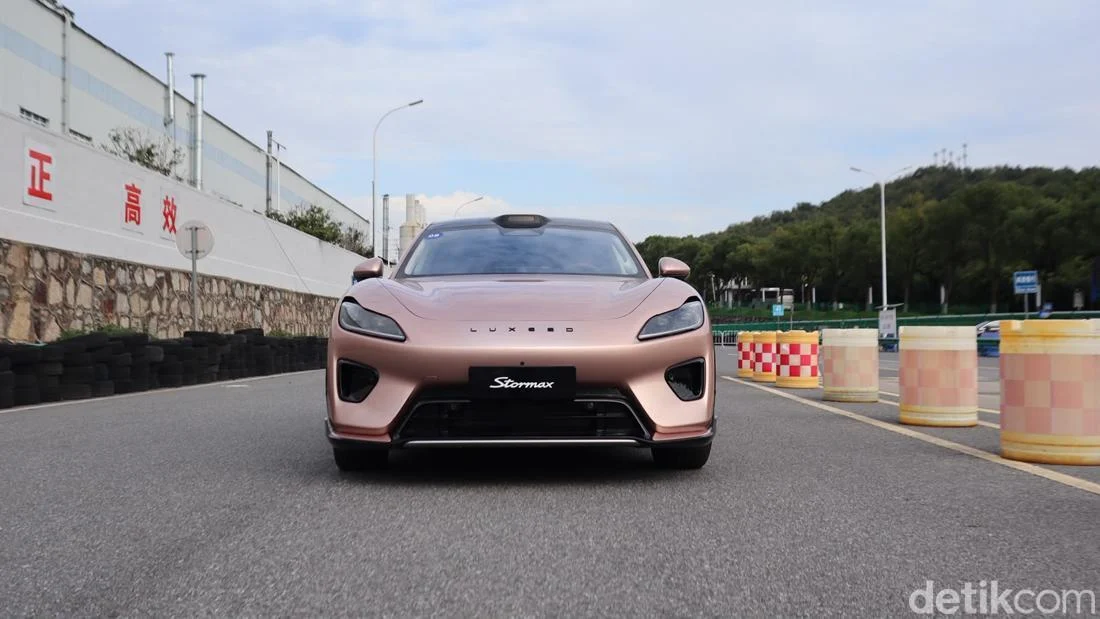
President Prabowo has set a specific and ambitious target: the mass production of Indonesian-branded electric sedans by the year 2028. During a recent address shared via the Presidential Secretariat’s official channels, the President expressed immense pride in the country’s current ability to produce electric buses and trucks, but he noted that the sedan market represents the next frontier of industrial maturity. "I am very proud that we now in Indonesia have the capability to produce electric buses and trucks. This is very, very important, and indeed our plan—I hope by 2028—is to mass-produce electric sedans," the President stated. He further revealed that the government has already initiated the formation of specialized corporate entities tasked specifically with the design and manufacture of these electric passenger vehicles.
Historical Context and the Evolution of the National Car Concept
The pursuit of a national car is a recurring theme in Indonesian history, often fraught with challenges and economic shifts. The most notable previous attempt was the "Timor" project in the 1990s, which was hampered by the 1997 Asian Financial Crisis and international trade disputes at the World Trade Organization (WTO). Later, the "Esemka" project, which rose to prominence during Joko Widodo’s tenure as Mayor of Surakarta, served as a proof of concept for local vocational innovation, though it faced hurdles in achieving large-scale commercial market penetration.
The current 2028 roadmap differs significantly from past attempts due to its focus on "Hilirisasi" (downstreaming) and the global shift toward electrification. Unlike previous eras where Indonesia sought to compete in the saturated internal combustion engine (ICE) market, the 2028 goal leverages Indonesia’s unique position in the EV global supply chain. By focusing on electric sedans, the government is aligning its national car ambitions with global environmental trends and its own domestic wealth of natural resources.
Supporting Data: The Nickel Advantage and Industrial Readiness
Indonesia’s competitive edge in the EV sector is underpinned by its massive natural resource base. The country holds the world’s largest nickel reserves, estimated at approximately 21 million metric tons, or about 22% of the global total. Nickel is a critical component in the production of high-energy-density lithium-ion batteries, which account for roughly 30% to 40% of an electric vehicle’s total cost. By banning the export of raw nickel ore in 2020, the Indonesian government forced the development of domestic smelting and processing facilities, creating a "mine-to-battery" value chain that provides a logical foundation for a national car.
Furthermore, the Ministry of Industry has reported a steady increase in the Domestic Component Level (TKDN) requirements for vehicles sold in Indonesia. Currently, several EV models assembled in Indonesia have achieved a TKDN of over 40%, making them eligible for government incentives. The national car project aims to push this figure significantly higher, targeting 80% or more by utilizing locally processed steel, aluminum, and, most importantly, locally manufactured battery cells from the newly inaugurated battery plants in Karawang and other industrial zones.
Economic Implications and Job Creation
The economic rationale for the 2028 national car project extends beyond prestige. The automotive industry is a significant multiplier for the national economy. According to data from the Association of Indonesian Automotive Industries (Gaikindo), the sector currently contributes approximately 4% to the national GDP and employs more than 1.5 million people across the entire value chain, from Tier-1 component manufacturers to dealership networks.
A successful national car project would:
- Reduce Trade Deficits: By substituting imported vehicles and components with domestic products, Indonesia can significantly improve its balance of trade.
- Foster Innovation: Establishing R&D centers for EV technology will encourage "brain gain," attracting Indonesian engineers working abroad to return and innovate within the country.
- Stimulate SMEs: A national car requires thousands of individual parts. By prioritizing local suppliers, the government can stimulate growth in small and medium-sized enterprises (SMEs) specializing in plastics, textiles, electronics, and metalworking.
- Energy Independence: Shifting the population toward EVs reduces the national reliance on imported fuel, which currently puts a heavy strain on the state budget through energy subsidies.
Official Responses and Public Sentiment
The reaction from industry stakeholders has been a mix of cautious optimism and a call for clear regulatory frameworks. Sigit P. Santosa of PT Pindad has highlighted that the transition from military tactical vehicles to civilian EVs requires a shift in manufacturing philosophy, focusing on cost-efficiency and mass-market reliability. He noted that the "Maung" platform provides a strong structural foundation, but the 2028 sedan will require a completely new architecture dedicated to battery placement and aerodynamic efficiency.
Economists have pointed out that for the project to succeed where others failed, it must avoid the pitfalls of protectionism that could lead to inefficient production. Instead, they suggest that the "Mobnas" should compete on quality and price, supported by a robust charging infrastructure. The government has responded to these concerns by accelerating the deployment of Public Electric Vehicle Charging Stations (SPKLU), with thousands of units planned for installation across Java and Bali over the next three years.
Challenges and the Road to 2028
Despite the strong political will, the path to 2028 is laden with technical and market challenges. Global EV giants from China and the United States have already established a strong foothold in the market, benefiting from economies of scale that a nascent Indonesian brand will find hard to match initially. Furthermore, the global price of battery materials and the rapid pace of technological obsolescence in the EV space mean that Indonesia must be agile in its R&D efforts.
The government’s strategy to mitigate these risks involves a "phased approach." The first phase involves the standardization of state-owned enterprise vehicle fleets, ensuring a guaranteed "captive market" for the initial production runs of the Pindad-developed vehicles. This will allow the manufacturer to refine its production processes and achieve necessary safety certifications before a wider commercial rollout to the general public.
Conclusion: A New Era for Indonesian Industry
The convergence of BP BUMN’s regulatory oversight, BPI Danantara’s investment capabilities, and PT Pindad’s engineering prowess represents the most coordinated effort in Indonesian history to claim a stake in the global automotive future. President Prabowo Subianto’s 2028 vision is more than a target for a new product; it is a declaration of intent for Indonesia to graduate from a resource-exporting nation to a high-tech industrial power.
As the roadmap moves from the boardroom to the factory floor, the focus will remain on building a "sustainable and competitive" ecosystem. If successful, the 2028 national electric sedan will not only be a symbol of Indonesian pride but also a functional engine of economic growth, driving the nation toward its "Indonesia Emas 2045" goal of becoming one of the world’s top five economies. The coming four years will be critical as the government seeks to turn these strategic discussions into the humming assembly lines of a new national era.